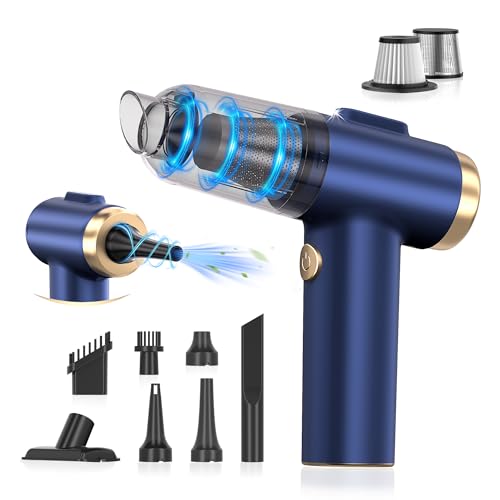
The car vacuum market includes products from established vacuum manufacturers, automotive accessory brands, and general consumer electronics companies, each bringing different strengths to vehicle cleaning. Comparing brands helps buyers understand what different manufacturers offer in terms of design philosophy, quality levels, price points, and after-sale support. Brand reputation provides useful guidance but should be evaluated alongside specific product performance for informed purchasing decisions.

Brand comparison involves examining not just current product offerings but also factors like warranty coverage, parts availability, customer service, and long-term reliability reputation. A brand known for quality in one product category may not excel equally in car vacuums. Understanding brand strengths and limitations helps match buyer needs with appropriate manufacturer choices.
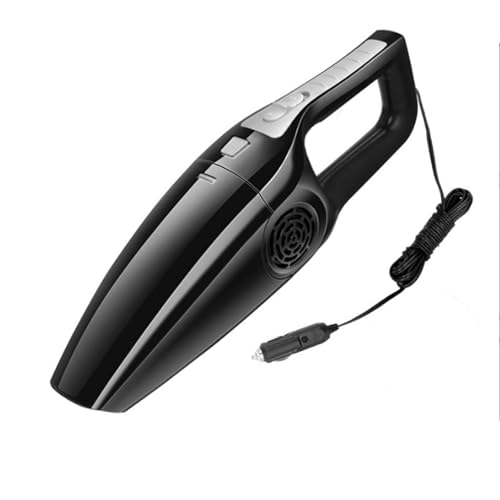
This guide compares popular car vacuum brands, examining what different manufacturers offer and how to evaluate brand choices for your car cleaning needs.
Key Takeaways
- Established vacuum brands often lead in suction technology: Core competency in vacuum design
- Automotive brands understand vehicle-specific needs: Design for car cleaning applications
- Price points vary significantly by brand: Budget to premium options available
- Warranty and support vary by manufacturer: After-sale service is part of brand value
- Product reviews matter more than brand name: Specific performance trumps general reputation
Table of Contents
- Established Vacuum Manufacturers
- Automotive Accessory Brands
- Consumer Electronics Brands
- Budget Versus Premium Brands
- Warranty and Support Comparison
- Performance by Price Category
- User Review Patterns
- Evaluating Brand Claims
- Brand Selection Approach
- When Brand Matters Less
- Related Articles
- Frequently Asked Questions
Established Vacuum Manufacturers
Brands with primary vacuum expertise.
Companies like Dyson bring vacuum engineering expertise. Advanced motor and cyclonic technology.
Established brands often command premium prices. Quality and innovation reflected in cost.
Extensive research and development in vacuum performance. Technology leadership in suction and filtration.
May offer broader warranty and established service networks.
Vacuum-focused brands excel at core vacuum performance.
Automotive Accessory Brands
Manufacturers focused on car care products.
Brands designing specifically for vehicle cleaning applications. Understanding of car-specific needs.
Products designed for vehicle interior constraints. Attachments and form factors suited to cars.
May offer more budget-friendly options. Focused value proposition for car cleaning.
Integration with other car care products. Compatible with brand's cleaning ecosystem.
Vehicle-specific focus may yield practical advantages.
Consumer Electronics Brands
General product manufacturers offering vacuums.
Companies with broad product portfolios including vacuums. May not be vacuum specialists.
Often competitive on price. Volume manufacturing enables lower costs.
Quality varies significantly within category. Some excellent; some mediocre.
Brand reputation from other products may not transfer. Evaluate vacuum specifically.
Research specific products rather than assuming brand quality.
Budget Versus Premium Brands
Understanding price tier implications.
Budget brands offer entry-level pricing. Lower cost often means compromises.
Mid-range brands balance cost and capability. Often best value for typical users.
Premium brands command higher prices. Quality, performance, and support justify cost for demanding users.
Price alone doesn't determine value. Consider capability for your needs.
Match investment level to your cleaning requirements.
Warranty and Support Comparison
After-sale service as brand differentiator.
Warranty length varies from one to several years. Longer coverage indicates manufacturer confidence.
Support accessibility affects warranty value. Easy contact and responsive service matters.
Parts availability for repair. Brands with available parts enable longer service life.
Authorized service network size. More service locations means easier repair access.
After-sale support is part of total value proposition.
Performance by Price Category
What different investment levels typically provide.
Budget tier often adequate for light occasional cleaning. Basic capability at low cost.
Mid-range typically provides good performance for regular use. Balanced capability and value.
Premium tier delivers top performance and durability. Best for demanding or heavy use.
Exceptions exist at every price level. Research specific products.
Investment level should match usage demands.
User Review Patterns
What reviews reveal about brands.
Consistent praise across product line suggests reliable quality. Brand-wide positive patterns.
Recurring complaints may indicate systemic issues. Watch for repeated problems.
Customer service mentioned positively or negatively. Support experience reflected in reviews.
Long-term reviews reveal durability. Look for reviews over time, not just initial impressions.
Review patterns provide insight into brand reliability.
Evaluating Brand Claims
Separating marketing from reality.
Specifications can be presented misleadingly. Maximum versus typical performance.
Compare specifications using same measurement types. Apples to apples comparison.
User reviews validate or contradict marketing claims. Real experience over advertising.
Skepticism toward marketing superlatives. Evaluate evidence rather than claims.
Verified performance matters more than marketing positioning.
Brand Selection Approach
How to use brand information in purchasing.
Identify brands known for your priority features. Match brand strength to your needs.
Research specific products within promising brands. Brand reputation is starting point, not conclusion.
Consider warranty and support alongside product capability. Total ownership experience.
Read user reviews for products you're considering. Real experience most valuable.
Brand guides initial consideration; product research determines final choice.
When Brand Matters Less
Situations where brand is less important.
Simple needs may be served by any competent product. Basic capability widely available.
Disposable approach to inexpensive vacuums. Replace rather than repair.
Specific features more important than brand. Find feature, regardless of manufacturer.
Well-reviewed products from lesser-known brands. Quality exists outside major brands.
Focus on meeting your needs rather than brand prestige.
Related Articles
Explore more car vacuum guides and reviews:
- Car Vacuum Cleaner Attachments Guide
- Best Cordless Car Vacuums Under $100
- Corded vs Cordless Car Vacuums: Which Type is Right for You?
- How to Vacuum Car Seats Properly
Frequently Asked Questions
What is the best car vacuum brand?
Depends on your needs and budget. Dyson excels in technology but costs more. Black+Decker offers good value. Armor All focuses on car-specific applications. Best brand is one that matches your requirements.
Are expensive brands worth it?
For demanding users, yes. Premium brands typically offer better performance and durability. For light occasional use, budget options may suffice. Match investment to your needs.
Does brand matter for car vacuums?
Brand provides useful guidance but isn't determinative. Research specific products rather than assuming brand quality. Well-reviewed products from various brands can serve well.
Which brands have best warranties?
Varies by manufacturer and product line. Premium products often have longer warranties. Check specific warranty for products you're considering. Warranty is part of total value.
Are off-brand vacuums reliable?
Quality varies significantly. Some lesser-known brands offer excellent value. Research specific products through reviews. Brand recognition doesn't guarantee quality; neither does obscurity guarantee poor quality.
What brand makes strongest suction?
Established vacuum specialists like Dyson often lead in suction technology. However, suction needs vary by use. Adequate suction available across brands. Match suction to your debris challenges.
Should I stick with known brands?
Known brands offer some assurance but aren't the only option. Research and reviews matter more than brand recognition. Consider warranty and support alongside product capability.
What brand is best for pet hair?
Brands with motorized brush attachments and strong suction serve pet owners well. Dyson, Bissell, and others offer pet-focused options. Feature set matters more than brand for specific needs.
Do brand prices reflect quality?
Generally but not perfectly. Premium brands typically deliver better quality. However, mid-range can offer excellent value. Budget options may disappoint or may serve basic needs adequately.
How do I compare vacuum brands?
Compare specifications using same measurements. Read user reviews for real experience. Consider warranty and support. Evaluate specific products rather than just brand reputation.