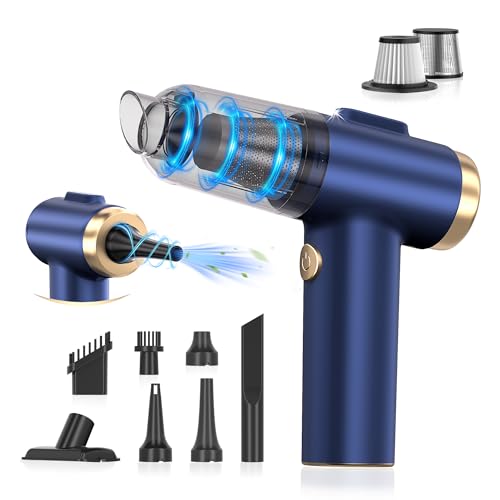
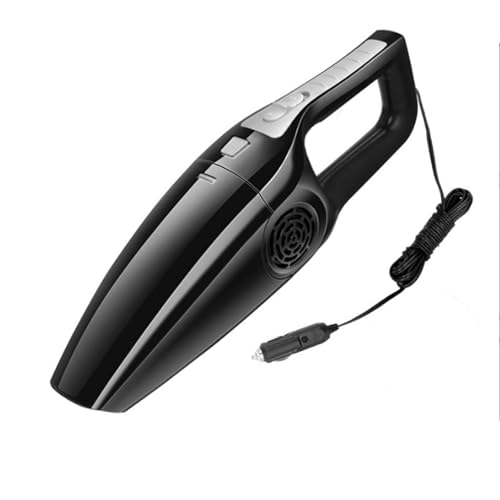
Cordless car vacuum design involves trade-offs between suction power and battery runtime, and understanding which matters more for your situation guides better purchasing decisions. Higher suction requires more power consumption, which depletes batteries faster. Longer runtime requires either larger batteries adding weight and cost, or accepting reduced suction. Most cordless vacuums balance these factors differently, and identifying which balance suits your needs prevents disappointment from choosing wrong priorities.

The optimal balance depends on your specific cleaning circumstances. Quick light cleanings may not require maximum suction but benefit from always-ready battery. Thorough cleaning of challenging debris may demand strong suction even at expense of runtime. Understanding your typical cleaning patterns and debris types helps identify whether suction or runtime deserves priority in your vacuum selection.

This guide examines the trade-off between suction power and runtime in cordless car vacuums, helping identify which factor matters more for different situations.
Key Takeaways
- Suction and runtime trade off in cordless designs: Maximizing one typically reduces the other
- Cleaning demands determine suction needs: Light debris needs less power than challenging contamination
- Session length determines runtime needs: Quick cleanings need less runtime than thorough sessions
- Multi-speed settings offer flexibility: Adjustable power can optimize both factors
- Personal priorities should guide selection: Neither factor is universally more important
Table of Contents
The Fundamental Trade-Off
Understanding why suction and runtime compete.
Stronger motors draw more power from batteries. Higher suction requires higher energy consumption.
Battery capacity is finite. More power consumption means faster battery depletion.
Increasing battery size adds weight, cost, and size. Larger batteries have practical limits.
Manufacturers balance these factors based on target use cases. Different vacuums make different trade-off choices.
Understanding this trade-off helps evaluate vacuum specifications realistically.
When Suction Matters Most
Situations where cleaning power should be priority.
Pet hair removal requires strong suction to extract embedded hair. Weak suction passes over hair without removal.
Ground-in dirt needs power to dislodge and extract. Surface suction doesn't address embedded contamination.
Sand and heavy debris benefits from strong extraction. Dense materials need powerful suction for effective removal.
Thorough deep cleaning where results matter more than convenience. Quality over speed priorities.
Vehicles with challenging contamination levels. Neglected interiors need capable equipment.
When Runtime Matters Most
Situations where battery duration should be priority.
Cleaning multiple vehicles in single session. Each additional vehicle multiplies runtime requirements.
Thorough whole-interior cleaning sessions. Complete vehicle coverage requires sustained operation.
Situations without convenient recharging access. Extended time between charging opportunities.
Users who forget to charge and want ready-to-use capability. Longer runtime means more forgiveness for charging lapses.
Professional or semi-professional cleaning of multiple vehicles.
Light Debris Cleaning Needs
What light cleaning actually requires.
Surface crumbs and dust don't require maximum suction. Moderate power adequately handles light debris.
Quick touch-up cleaning needs adequate runtime for the task. Brief sessions don't demand extended battery life.
Fresh debris removes more easily than embedded contamination. Recent accumulation is easier to clean.
Regular maintenance prevents heavy buildup. Consistent light cleaning stays within modest capability range.
Light cleaning needs may be well served by balanced vacuums without extreme emphasis on either factor.
Heavy Debris Cleaning Needs
What challenging cleaning actually requires.
Embedded debris requires suction power regardless of how long battery lasts. Capability matters more than duration.
Pet hair extraction demands strong suction. Runtime without adequate power produces frustrating results.
Infrequent deep cleaning of accumulated debris needs power to address buildup.
Professional-level results require professional-level capability.
Heavy cleaning needs typically prioritize suction over extended runtime.
Multi-Speed Options
How adjustable power settings address the trade-off.
Variable speed settings enable optimizing for different situations. Lower speed for light debris, higher speed for challenging cleaning.
Low power mode extends runtime for light cleaning tasks. Battery lasts longer at reduced consumption.
High power mode provides maximum suction when needed. Full capability available despite runtime reduction.
User control over the trade-off provides flexibility. Choose priority based on current task.
Multi-speed vacuums offer versatility that fixed-speed options don't match.
Evaluating Specifications
How to assess suction and runtime in vacuum specifications.
Suction specifications use various measures. Air watts, Pa, or kPa indicate suction power; compare within same measurement type.
Runtime specifications note conditions. Maximum runtime often assumes lowest power setting; check runtime at useful suction levels.
User reviews provide real-world validation. Actual users report whether specifications match experience.
Compare products at similar price points for meaningful evaluation. Premium products naturally outperform budget options.
Specifications tell part of the story; reviews reveal practical reality.
Battery Technology Impact
How battery type affects the trade-off.
Lithium-ion batteries provide best power-to-weight ratio. Standard in quality cordless vacuums.
Higher capacity batteries extend runtime but add cost and weight. Trade-offs exist within battery choice too.
Battery quality affects sustained performance. Quality batteries maintain output through discharge.
Removable batteries enable swapping for extended runtime. Carry spare battery to overcome runtime limit.
Battery degradation over time affects long-term runtime. All batteries lose capacity eventually.
Making Your Decision
Framework for prioritizing between suction and runtime.
Identify your typical debris types. Challenging debris priorities suction; light debris allows flexibility.
Estimate your typical cleaning session length. Long sessions priority runtime; brief sessions allow flexibility.
Consider whether you can adjust cleaning patterns to match vacuum strengths. Adapt behavior to equipment capabilities.
Look for multi-speed options that provide flexibility. Adjustable power helps address varying needs.
Balance matters for most users; extreme priority on one factor suits specific situations.
Related Articles
Explore more car vacuum guides and reviews:
- Car Vacuum Cleaner Attachments Guide
- Corded vs Cordless Car Vacuums: Which Type is Right for You?
- ThisWorx Car Vacuum Review
- How to Vacuum Car Seats Properly
Frequently Asked Questions
Is suction or runtime more important for car cleaning?
Depends on your cleaning needs. Light regular cleaning may prioritize runtime. Heavy debris or pet hair cleaning priorities suction. Most users benefit from balanced approach with multi-speed options.
How much suction do I need for car cleaning?
Light debris: moderate suction suffices. Pet hair and embedded dirt: stronger suction needed. Specifications vary; user reviews indicating adequate power are best indicator.
How long should car vacuum battery last?
15-20 minutes at useful power level typically completes thorough car cleaning. Quick cleanings need less. Multiple vehicles or professional use may need more.
Can I have both strong suction and long runtime?
Premium vacuums achieve better balance through engineering and larger batteries. Budget options make harder trade-offs. Multi-speed settings help maximize both based on task.
Does high suction drain battery faster?
Yes. Stronger motors consume more power. Maximum suction setting depletes battery faster than lower settings. This is fundamental physics of cordless vacuum operation.
What if my vacuum battery dies mid-cleaning?
Wait for recharge or use spare battery if available. Alternatively, clean in multiple sessions or upgrade to longer-runtime vacuum. Plan cleaning to fit available runtime.
Are multi-speed vacuums worth extra cost?
For most users, yes. Flexibility to optimize for different situations provides practical value. Single-speed vacuums force acceptance of fixed trade-off.
How do I know if vacuum suction is adequate?
If debris extracts effectively without multiple passes, suction is adequate. If debris remains after repeated passes, stronger suction needed. User reviews mentioning actual cleaning results are helpful.
Does suction decrease as battery drains?
In some vacuums, yes. Quality vacuums maintain consistent suction until battery is depleted. Check reviews for reports of suction fade toward end of battery charge.
Should pet owners prioritize suction?
Generally yes. Pet hair removal requires strong suction. Runtime matters less than capability to actually extract embedded hair. Pet owners typically benefit from suction-priority vacuums.