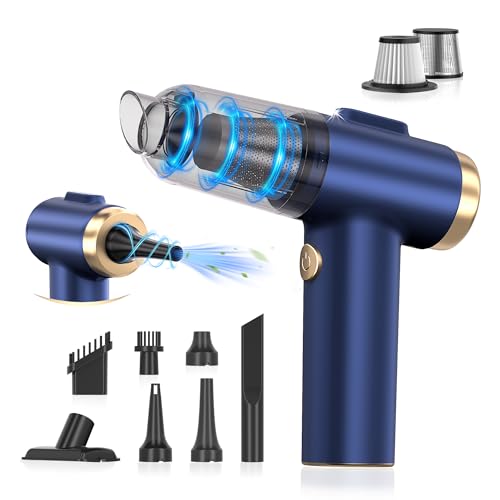
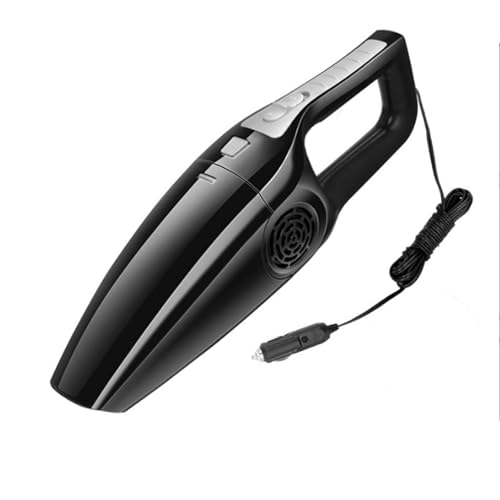
The fundamental choice between corded and cordless car vacuums shapes your entire cleaning experience. Each approach offers distinct advantages and limitations that align with different user priorities and cleaning patterns. Understanding these trade-offs before purchase prevents frustration with capabilities that do not match your needs. Neither option is universally superior; the right choice depends on how, where, and how often you clean.

Corded vacuums provide unlimited runtime but require power outlet access. Cordless vacuums offer freedom of movement but depend on battery capacity. Beyond these obvious differences, each type influences vacuum weight, suction power, storage, and long-term costs in ways that matter for daily use. This guide examines both approaches to help identify which better serves your car cleaning requirements.

This guide compares corded and cordless car vacuums to help buyers choose the appropriate type for their needs.
Key Takeaways
- Corded vacuums provide unlimited runtime: Clean until the task completes
- Cordless vacuums offer location freedom: Clean anywhere without outlets
- Power differences exist but vary by model: Neither category guarantees superiority
- Usage patterns should guide choice: Match features to how you actually clean
- Both types serve car cleaning adequately: Success depends on appropriate selection
Table of Contents
Runtime Considerations
Corded vacuums run continuously as long as power is connected. No battery depletion interrupts cleaning sessions. This unlimited runtime suits thorough cleaning of heavily soiled vehicles or multiple vehicles in sequence.
Cordless vacuums operate within battery capacity constraints. Runtime varies from 10-30 minutes depending on model and battery size. Quick cleanups and maintenance cleaning typically complete within these limits. Thorough deep cleaning may require recharging mid-session.
Users who clean single vehicles with light maintenance needs rarely encounter cordless runtime limitations. Those cleaning multiple vehicles, heavily soiled interiors, or preferring extended sessions benefit from corded unlimited operation.
Runtime needs should guide type selection.
Match runtime to actual cleaning patterns.
Location Flexibility
Cordless vacuums clean anywhere regardless of power access. Parking lots, street parking, remote locations, and anywhere else become accessible cleaning sites. This flexibility suits users who cannot always clean where outlets exist.
Corded vacuums require power outlet proximity. 12V corded models use the car's cigarette lighter, providing outlet independence but limiting use to running vehicles. 120V models need household or garage outlets, restricting cleaning to specific locations.
Users with garage cleaning setups rarely need cordless flexibility. Those who park on streets or clean at various locations benefit from cordless freedom.
Cleaning location determines flexibility value.
Consider where you actually clean.
Power and Suction Comparison
Power availability affects achievable suction. 120V corded vacuums access more power than either 12V corded or battery-powered cordless options. This power advantage can translate to stronger suction for demanding cleaning tasks.
12V corded vacuums draw power from automotive electrical systems, limiting maximum capability. Cordless vacuums depend on battery discharge rates that similarly constrain power delivery.
Premium cordless vacuums can match or exceed budget 12V corded alternatives. The correlation between power type and suction strength varies significantly by specific model rather than category.
Compare specific models rather than assuming category superiority.
Power type influences but does not determine suction.
Weight and Handling
Cordless vacuums carry batteries that add weight. Larger batteries for extended runtime increase weight further. This trade-off between runtime and weight affects handling comfort during cleaning.
12V corded vacuums can be lighter since power comes from external source. The cord adds handling considerations but not weight to the vacuum itself.
120V corded vacuums vary in weight based on motor size and construction. Shop vacs tend heavier than handheld designs.
Weight matters for extended use and overhead cleaning positions. Consider your physical comfort during typical cleaning sessions.
Weight affects cleaning comfort.
Cord Management
Corded vacuums require cord management during use. Positioning, repositioning, and avoiding cord tangles add steps to the cleaning process. Cord length limits reach from power source.
Cordless vacuums eliminate cord concerns entirely. Movement throughout vehicle interiors proceeds without managing trailing cables.
The convenience difference is most apparent in cramped vehicle interiors where cords create obstacles.
Cord management adds friction to cleaning process.
Cordless simplifies movement.
Long-Term Costs
Cordless vacuums have batteries with limited lifespans. Battery replacement costs add to long-term ownership expenses. Replacement availability and pricing vary by manufacturer.
Corded vacuums have no battery degradation concerns. Motors can run indefinitely given proper maintenance. Long-term costs remain limited to filters and normal wear.
Battery replacement costs can exceed original vacuum price in some cases. Consider replacement battery availability and pricing before cordless purchase.
Long-term costs favor corded options.
Battery replacement adds expense.
Storage Considerations
Cordless vacuums store more flexibly since no cord coiling or outlet proximity matters. Compact models fit in vehicle compartments for always-available cleaning.
Corded vacuums require cord storage solutions. Wall mounting, wrapped cord storage, or coiled placement in trunks all work but require more space.
Users wanting in-vehicle storage typically prefer cordless compact options. Garage storage setups accommodate either type.
Storage needs vary by intended keeping location.
Cordless stores more flexibly.
Charging vs Ready-to-Use
Cordless vacuums require charged batteries. Spontaneous cleaning requires maintaining charge or waiting for recharging. Users who forget to charge face delayed cleaning.
Corded vacuums work whenever power is available. No preparation required beyond accessing the vacuum and power source.
Lithium-ion batteries hold charge well during storage, reducing this concern for cordless users who maintain charged batteries.
Readiness depends on user habits.
Charging requires minimal planning.
Type Matching to Use Patterns
Quick maintenance cleaners who clean frequently with light debris suit cordless well. The convenience of grabbing a charged vacuum for quick cleanup outweighs runtime limitations.
Thorough cleaners who prefer complete vehicle cleaning sessions benefit from corded runtime. No battery limits mean cleaning continues until satisfaction.
Multi-vehicle households with heavy cleaning needs often prefer corded capability. Single-vehicle owners with maintenance cleaning patterns often prefer cordless convenience.
Match type to how you actually clean.
Use patterns should guide selection.
Making Your Decision
Consider where you clean most often. Garage or driveway with outlet access suits corded options. Variable locations favor cordless.
Consider how you clean. Quick spot cleaning suits cordless. Extended thorough cleaning suits corded.
Consider your tolerance for cord management versus battery management. Neither is eliminated entirely; you just choose which inconvenience you prefer.
No universally correct answer exists.
Personal factors determine best choice.
Related Articles
Explore more car vacuum guides and reviews:
Frequently Asked Questions
Is cordless or corded more powerful?
Neither category guarantees more power. 120V corded can access more power than other types, but premium cordless can exceed budget 12V corded. Compare specific models rather than assuming category superiority.
How long do cordless batteries last?
Per-charge runtime ranges 10-30 minutes depending on model. Battery lifespan over years varies by usage and chemistry. Expect eventual battery replacement with cordless options.
Are cordless vacuums powerful enough for cars?
Quality cordless vacuums handle typical car cleaning adequately. Light debris and maintenance cleaning work well. Heavy accumulation or demanding tasks may favor more powerful corded alternatives.
Do 12V vacuums drain car batteries?
Extended use with engine off can drain batteries. Running engine during vacuuming prevents this. Brief sessions with engine off are generally safe.
Which type is better for pet hair?
Suction power matters more than power type for pet hair. More powerful vacuums regardless of corded or cordless status handle pet hair better. Compare suction specifications rather than power source.
Can I use a regular vacuum on my car?
120V household vacuums work well with appropriate attachments and outlet access. Shop vacs are popular for car cleaning. Portability and attachment suitability matter more than vacuum type.
How often do cordless batteries need replacement?
Varies by usage intensity and battery quality. Typical lifespan ranges 2-5 years with regular use. Check replacement battery availability and cost before purchase.
Is it worth paying more for cordless convenience?
Depends on how much you value the flexibility. Users who clean in varied locations or dislike cords find the premium worthwhile. Those with established cleaning stations may not value the difference.
Do corded vacuums last longer?
Generally yes, since no battery degradation occurs. Motor lifespan often exceeds practical use period for quality corded vacuums. Cordless battery limitations can force earlier replacement.
Which is better for deep cleaning?
Corded vacuums suit deep cleaning better due to unlimited runtime. Thorough cleaning without battery anxiety allows more complete work. Cordless can deep clean but requires battery management.