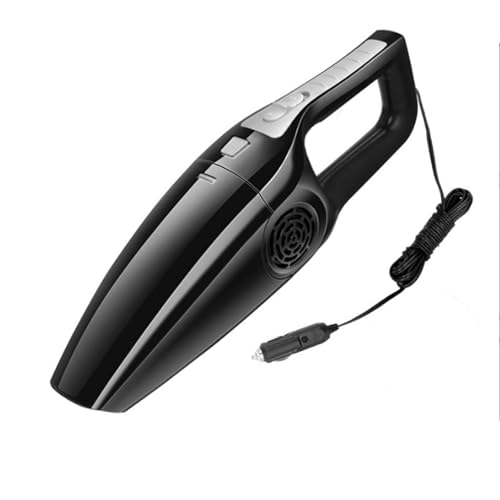
Car vacuum noise levels vary significantly between products, affecting both user comfort during cleaning and consideration for neighbors and family members. Some vacuums produce substantial noise that limits when and where they can be used, while others operate more quietly at the cost of other performance characteristics. Understanding noise considerations helps buyers select vacuums appropriate for their living situations and preferences.

Noise is measured in decibels, with higher numbers indicating louder operation. What constitutes acceptable noise depends on context: apartment living may demand quieter operation than suburban homes with detached garages. Understanding both noise levels and your specific situation helps identify vacuums that balance cleaning performance with appropriate sound levels.
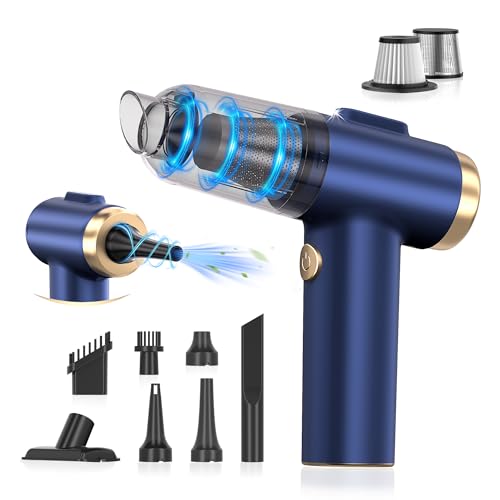
This guide examines car vacuum noise considerations, comparing noise levels across vacuum types and identifying factors that affect sound production.
Key Takeaways
- Noise varies significantly between vacuums: Some are much louder than others
- Motor power often correlates with noise: Stronger motors typically louder
- Living situation affects noise tolerance: Apartment versus house considerations
- Decibel ratings enable comparison: Objective measure of sound level
- Quiet operation may involve trade-offs: Lower noise may mean reduced suction
Table of Contents
- Understanding Decibel Levels
- Noise by Vacuum Type
- Factors Affecting Vacuum Noise
- Living Situation Considerations
- Quiet Operation Options
- Noise Versus Performance Trade-off
- Hearing Protection
- Time of Day Considerations
- Product Selection Approach
- Reducing Perceived Noise
- Related Articles
- Frequently Asked Questions
Understanding Decibel Levels
What noise measurements mean.
Decibels measure sound intensity logarithmically. Each 10 dB increase sounds roughly twice as loud.
Normal conversation is approximately 60 dB. Reference point for comparison.
Car vacuums typically range from 65 to 85 dB. Significant variation within category.
Hearing damage risk begins around 85 dB with prolonged exposure. High end of vacuum range approaches this.
Lower decibel ratings indicate quieter operation.
Noise by Vacuum Type
How different designs compare.
Corded vacuums often louder due to more powerful motors. High suction typically means higher noise.
Cordless handhelds vary widely. Some quite quiet; others surprisingly loud for their size.
12V car-powered vacuums tend toward quieter operation. Limited power constrains both suction and noise.
Shop vacuums are typically loudest. Industrial power means industrial noise.
Type provides general guidance but individual products vary.
Factors Affecting Vacuum Noise
What determines how loud a vacuum operates.
Motor power directly affects noise. Stronger motors generally louder.
Motor quality affects sound character. Better motors may be smoother and less harsh.
Housing design can dampen or amplify sound. Engineering affects noise transmission.
Airflow path affects noise production. Turbulent airflow creates additional sound.
Clogged filters increase noise. Restricted airflow changes sound characteristics.
Living Situation Considerations
How your environment affects noise tolerance.
Apartment living may restrict cleaning times. Noise travels to neighbors.
Suburban homes with garages offer more flexibility. Distance reduces impact on others.
Young children or shift workers in household. Need for quiet operation at certain times.
Pet sensitivity to loud sounds. Some animals stressed by vacuum noise.
Assess your specific situation for appropriate noise level.
Quiet Operation Options
Finding lower-noise vacuums.
Some manufacturers specifically market quiet operation. Look for noise level specifications.
Lower-power vacuums tend to be quieter. Trade-off between suction and noise.
Premium designs may achieve good performance at lower noise. Engineering investment in sound reduction.
User reviews often mention noise levels. Real user experience valuable for noise assessment.
Quiet options exist but may involve compromises.
Noise Versus Performance Trade-off
Understanding the relationship between noise and capability.
Strong suction generally requires powerful motor. Power typically means noise.
Quieter vacuums may have reduced suction capability. Physics constrains optimization.
Some products achieve better balance through engineering. Premium designs may excel.
Determine your priority between performance and noise. Match choice to priorities.
Balance exists but perfect quiet with maximum power is challenging.
Hearing Protection
Managing exposure to vacuum noise.
Extended use of loud vacuums warrants hearing protection. Earplugs or earmuffs for longer sessions.
Brief cleaning sessions pose less risk. Cumulative exposure matters most.
Recognize high noise levels. If uncomfortable, take precautions.
Hearing damage is cumulative and irreversible. Prevention is the only protection.
Balance convenience against hearing health.
Time of Day Considerations
When noise matters most.
Early morning and late evening most sensitive times. Neighbors likely to be disturbed.
Midday typically more acceptable for loud activities. Normal activity hours.
Consider building rules if applicable. Some communities restrict noise hours.
Indoor garage cleaning less disruptive than outdoor. Walls provide sound barrier.
Plan cleaning for appropriate times based on noise level.
Product Selection Approach
How to evaluate noise when shopping.
Look for decibel specifications when available. Objective comparison data.
Read user reviews for noise mentions. Subjective but informative feedback.
Consider your specific noise constraints. Match product to situation.
Test in store if possible. Experience noise level directly.
Weight noise against other performance factors for your needs.
Reducing Perceived Noise
Making vacuum use more comfortable.
Maintain vacuum properly for smoother operation. Clogged filters increase noise.
Use hearing protection for extended sessions. Reduces fatigue and risk.
Take breaks during longer cleaning. Reduces cumulative exposure.
Clean during less noise-sensitive times. Minimize disruption to others.
Practical measures reduce noise impact.
Related Articles
Explore more car vacuum guides and reviews:
- Car Vacuum Cleaner Attachments Guide
- Corded vs Cordless Car Vacuums: Which Type is Right for You?
- ThisWorx Car Vacuum Review
- How to Vacuum Car Seats Properly
Frequently Asked Questions
How loud are car vacuums typically?
Car vacuums typically range from 65 to 85 decibels. This spans from moderately loud to potentially requiring hearing protection for extended use. Individual products vary significantly.
Are cordless vacuums quieter than corded?
Not necessarily. Power source doesn't determine noise. Some cordless are quiet; others loud. Some corded are quiet; others very loud. Check specific product ratings.
Can I find a quiet vacuum with strong suction?
Challenging but possible. Premium products may achieve better noise-to-performance balance. Perfect quiet with maximum suction is physically difficult. Expect some trade-off.
What decibel level is acceptable for apartment use?
Lower is better for shared-wall living. Under 70 dB is generally more neighbor-friendly. Check building rules and consider time of use. Be considerate of neighbors.
Does vacuum noise indicate quality?
Not directly. Loud doesn't mean powerful; quiet doesn't mean weak. Noise is one characteristic among many. Evaluate overall performance, not just noise.
Should I wear ear protection when vacuuming?
For extended use of louder vacuums, yes. Brief sessions with moderate noise levels are generally fine. If vacuum seems uncomfortably loud, protection is wise.
Why is my vacuum louder than it used to be?
Clogged filter or blocked airway can increase noise. Motor wear may change sound. Check maintenance items first. Unusual noise change may indicate problem.
Are shop vacuums noisier than car vacuums?
Generally yes. Shop vacuums prioritize power over noise. Expect louder operation from shop-style equipment. Industrial capability means industrial noise.
Does noise affect suction power?
Not directly, but they often correlate. Powerful motors tend to be louder. Quiet motors may be less powerful. Correlation exists but isn't absolute.
When is the best time to vacuum to minimize disturbance?
Midday when neighbors and family are typically less affected. Avoid early morning and late evening. Indoor garage cleaning is less disruptive. Consider your specific living situation.