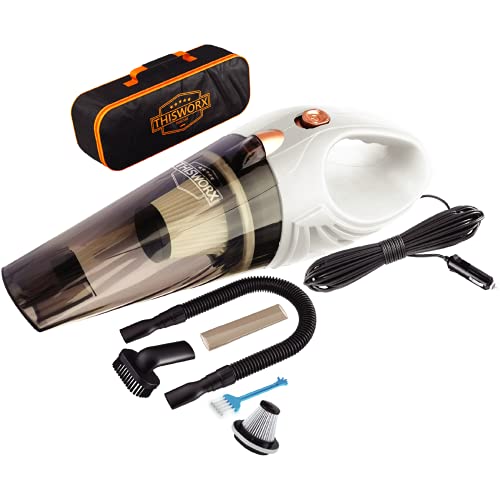
Car vacuum attachments determine how effectively the vacuum's suction translates into actual cleaning results. The most powerful motor becomes limited without appropriate tools for reaching debris in various locations throughout vehicle interiors. Understanding which attachments genuinely improve cleaning effectiveness helps buyers evaluate vacuum packages and identify whether additional accessory purchases provide real value.
Marketing often emphasizes attachment quantity over quality. Vacuum packages boasting numerous accessories may include tools that rarely see use while lacking genuinely useful options. A thoughtful selection of essential attachments provides better practical value than an extensive collection of marginally useful tools. This guide identifies which attachments deliver genuine cleaning benefit for car interiors.

This guide helps car owners understand vacuum attachments for automotive cleaning effectiveness.
Key Takeaways
- Crevice tool is essential: Non-negotiable for car interior cleaning
- Brush attachment aids surface cleaning: Dashboard and trim dusting
- Extension hose adds flexibility: Improves reach in awkward spaces
- Upholstery tool for fabric seats: Wide surface cleaning
- Quality matters more than quantity: Few good tools beat many poor ones
Table of Contents
The Essential Crevice Tool
No car vacuum attachment provides more utility than the crevice tool. Vehicle interiors contain numerous tight spaces where debris accumulates but hands cannot reach. Seat track gaps, console edges, door pocket corners, and dashboard crevices all require narrow access that standard nozzles cannot provide.
Crevice tool design varies significantly across vacuums. Longer tools reach deeper spaces. Angled tips access areas straight tools cannot reach. Quality construction maintains suction through the narrow passage without restricting airflow excessively.
Test crevice tool length against your vehicle's specific tight spaces. Some cars have deeper gaps that require longer tools than basic attachments provide. A crevice tool that cannot reach the debris serves little purpose.
This tool sees constant use in car cleaning.
Crevice tool is the most important attachment.
Brush Attachments
Soft brush attachments dust surfaces while vacuuming, combining two cleaning actions. Dashboard plastics, center console surfaces, and trim pieces benefit from the gentle agitation that loosens dust for suction removal.
Brush bristle quality affects both cleaning and surface protection. Stiff bristles may scratch delicate surfaces while too-soft bristles fail to dislodge dust effectively. Medium-stiffness brushes balance cleaning action with surface safety.
Round brush heads work well for vents and textured surfaces. The bristles work into crevices and patterns that flat tools cannot address.
Brush attachments add genuine utility.
Dashboard and trim cleaning benefits significantly.
Extension Hose Utility
Flexible extension hoses allow the vacuum body to remain stationary while the nozzle reaches throughout the vehicle. This flexibility proves particularly valuable when cleaning floor areas, under seats, and rear compartments.
Hose length determines practical reach. Short hoses provide marginal benefit while longer hoses allow cleaning entire vehicle interiors from a single vacuum position.
Hose diameter affects airflow. Narrow hoses restrict suction more than wider diameter options. Quality hoses balance flexibility with adequate airflow passage.
Extension capability increases cleaning convenience.
Flexibility justifies the addition.
Upholstery and Fabric Tools
Wide upholstery tools clean seat surfaces efficiently. The broad contact area covers fabric seats quickly compared to smaller nozzles. Fabric agitation through tool design helps extract embedded debris from upholstery fibers.
Some upholstery tools include rubber strips or agitators that work debris loose as the tool passes. This mechanical action supplements suction for improved cleaning of fabric surfaces.
Tool width should match vehicle seat dimensions. Oversized tools may not maneuver effectively in automotive spaces, while undersized tools sacrifice efficiency.
Upholstery tools improve seat cleaning efficiency.
Worth having for fabric seat vehicles.
Motorized Brush Heads
Motorized brush attachments provide powered agitation that passive tools cannot match. Spinning brushes work through carpet pile and fabric fibers, extracting debris that static suction alone misses. These tools prove particularly effective for pet hair removal.
Power requirements limit motorized brush availability to more capable vacuums. Budget models often cannot power motorized attachments, or such accessories simply do not exist for the platform.
Motorized brush effectiveness depends on brush design and rotational speed. Quality motorized tools justify their additional cost for challenging cleaning tasks.
Excellent for pet hair and embedded debris.
Premium accessory with premium results.
Turbo Brush Options
Turbo brushes spin through airflow rather than electrical power. The suction passing through the tool spins the brush head, providing agitation without separate motors. This approach works with vacuums that cannot power motorized heads.
Performance falls between static tools and true motorized brushes. Some agitation benefit without the full capability of powered rotation.
Turbo brushes provide middle-ground capability at moderate cost.
Reasonable option for improved fabric cleaning.
Compromise between passive and motorized.
Wet/Dry Nozzles
Vacuums with wet/dry capability require appropriate nozzles for liquid pickup. Standard dry nozzles may not perform well with liquids, while wet nozzles may be unsuited for dry debris.
Wet pickup typically uses squeegee-style edges that channel liquid toward the suction point. The design prevents liquid spreading while directing it into the vacuum.
Dedicated wet nozzles are essential if wet cleaning is anticipated.
Match nozzle to cleaning type.
Required accessory for wet/dry vacuums.
Assessing Attachment Quality
Attachment quality varies enormously across vacuum brands and price points. Budget packages often include quantity over quality, with numerous accessories constructed from flimsy plastic that lacks durability.
Secure connections matter for practical use. Attachments that fall off during cleaning create frustration and reduce effectiveness. Quality attachments fit firmly without excessive difficulty attaching or removing.
Material thickness indicates durability. Thin, flexible plastics crack or deform with use while substantial construction survives long-term service.
Quality attachments justify higher prices.
Assess construction rather than counting pieces.
Universal vs Proprietary Attachments
Some vacuums use standard attachment sizes compatible with third-party accessories. This compatibility allows replacing or upgrading individual tools without vacuum replacement. Universal sizing provides long-term flexibility.
Proprietary attachment systems lock users into manufacturer-provided options. If included attachments prove inadequate, replacement options may be limited or expensive.
Consider attachment ecosystem when selecting vacuums. Proprietary systems should include comprehensive accessory options.
Universal compatibility offers advantages.
Check attachment availability before purchase.
Storage Considerations
Attachment storage affects actual use patterns. Tools that live organized and accessible get used. Loose attachments scattered around garages go missing or are ignored.
Some vacuums include onboard attachment storage. Tools clip to the vacuum body for organized keeping. This integration encourages attachment use by eliminating the step of locating tools.
Dedicated storage bags or cases keep attachments organized. The investment in organization pays dividends in actual use.
Storage affects practical use patterns.
Organized accessories get used more.
Related Articles
Explore more car vacuum guides and reviews:
- Best Cordless Car Vacuums Under $100
- Corded vs Cordless Car Vacuums: Which Type is Right for You?
- ThisWorx Car Vacuum Review
- How to Vacuum Car Seats Properly
Frequently Asked Questions
What is the most important car vacuum attachment?
The crevice tool is essential for car cleaning. Vehicle interiors contain numerous tight spaces that only narrow tools can access. Seat tracks, console gaps, and door pockets all require crevice tool access. This attachment sees more use than any other in car cleaning.
Are more attachments better?
Quality matters more than quantity. A few well-designed attachments provide better value than numerous poorly-made tools. Evaluate which attachments you will actually use rather than being impressed by total count.
Do I need motorized attachments?
For pet hair and embedded debris, motorized brushes significantly improve cleaning. For light surface debris, passive attachments may suffice. Consider your specific cleaning challenges when evaluating motorized tool necessity.
Can I buy attachments separately?
Depends on attachment system. Universal sizes allow third-party accessory purchase. Proprietary systems limit options to manufacturer offerings. Check compatibility before assuming you can supplement included attachments.
Why do my attachments keep falling off?
Poor fit or worn connections cause attachment separation. Budget attachments often have inconsistent sizing. Replacing with quality attachments or checking for wear on connection points may resolve the issue.
What brush attachment works best for dashboards?
Soft brush attachments protect dashboard surfaces while dusting. Stiff bristles risk scratching. Round brushes work well for vents and textured surfaces. Medium softness balances cleaning effectiveness with surface protection.
Do extension hoses reduce suction?
Some suction loss occurs through extension hoses. Quality hoses with appropriate diameter minimize this effect. The flexibility benefit often outweighs minor suction reduction for car cleaning applications.
Are wet/dry attachments different?
Yes, wet cleaning typically requires different nozzle designs. Squeegee-style edges work better for liquid pickup. Using wrong attachment type for wet or dry cleaning reduces effectiveness.
How do I clean vacuum attachments?
Remove debris accumulation regularly. Wash removable parts with water and allow complete drying. Brush bristles can be combed to remove trapped material. Clean attachments maintain suction and cleaning effectiveness.
Should I buy a vacuum with more attachments or add them later?
Starting with adequate attachments is convenient. However, if preferred vacuum has limited included accessories, adding quality tools later may work well. Verify attachment compatibility before assuming you can supplement.