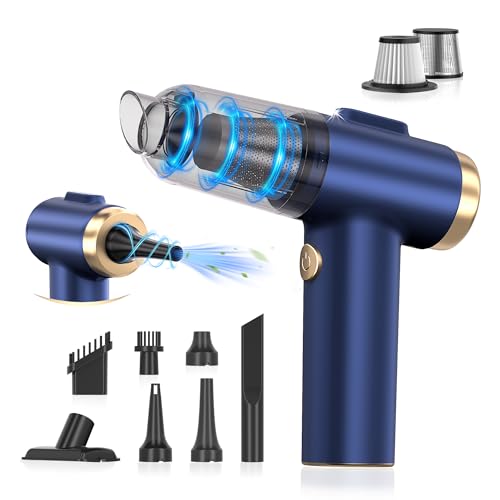
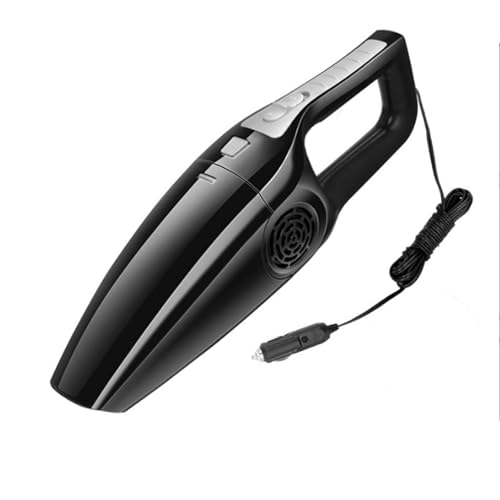
The cordless car vacuum market has evolved dramatically over the past few years, with competition driving impressive capability improvements at accessible price points. Where $100 once bought entry-level performance with significant compromises, today's budget means access to genuinely capable cleaning tools that handle most car cleaning situations effectively. The challenge for buyers isn't finding something that works—it's identifying which option among many competent choices best matches their specific priorities and cleaning needs.

Understanding what separates adequate cordless vacuums from genuinely satisfying ones requires looking beyond headline specifications to practical performance factors. Suction power specifications provide limited guidance since manufacturers measure and report power differently. Runtime matters, but only in context of how quickly a vacuum actually cleans. Build quality affects long-term satisfaction more than initial impressions reveal. The best value emerges when all these factors align with how you'll actually use the vacuum rather than matching impressive-sounding numbers.

This comprehensive analysis examines six standout cordless car vacuums available under $100, evaluating real-world performance characteristics that determine whether a vacuum becomes a trusted cleaning tool or a disappointing purchase. Each recommendation represents proven capability with track records of user satisfaction, though their strengths suit different priorities and cleaning situations.
Key Takeaways
- Sub-$100 delivers real capability: Modern budget cordless vacuums genuinely handle most car cleaning effectively
- Runtime varies significantly: Options range from 15 to 40+ minutes depending on model and mode
- Suction specs mislead: Real-world cleaning effectiveness matters more than advertised power numbers
- Battery system compatibility adds value: Tool brand vacuums may use batteries you already own
- Attachments determine versatility: Included accessories affect what cleaning situations each vacuum handles well
Table of Contents
- What $100 Actually Buys in 2024
- BLACK+DECKER Dustbuster: The Accessible Standard
- Shark UltraCyclone: Pet Hair Performance
- ThisWorx Cordless: The Dedicated Car Vacuum
- Ryobi ONE+ 18V: Tool System Integration
- DEWALT 20V MAX: Professional Tool Quality
- Hoover ONEPWR: Versatile Platform Option
- Selecting the Right Option for Your Needs
- Making the Most of Budget Cordless Vacuums
- Related Articles
- Frequently Asked Questions
What $100 Actually Buys in 2024
The sub-$100 cordless vacuum category has matured significantly, but understanding realistic expectations helps evaluate options accurately rather than comparing against impossible standards.
Modern budget cordless vacuums typically deliver suction adequate for maintenance cleaning—handling regular dust, crumbs, pet hair on surfaces, and light debris effectively. They work well for car owners who clean regularly before heavy contamination accumulates. Where budget options may struggle involves deeply embedded debris, heavy pet hair situations, or intensive cleaning of neglected vehicles where premium suction provides meaningful advantage.
Runtime at this price point generally ranges from 15-30 minutes on standard modes, with some models offering extended runtime through lower-power modes or larger battery capacity. This proves adequate for most single-vehicle cleaning sessions when used efficiently. Multiple vehicles or particularly large SUVs may require strategic planning or acceptance of incomplete single-session cleaning.
Build quality varies more than performance within this price range. Some budget vacuums feel surprisingly solid and durable; others reveal their price point through plastic quality, fit and finish, and component feel. Identifying durability before purchase proves difficult, making user reviews that mention long-term experience particularly valuable.
Filtration at this price point typically involves washable filters that work adequately without matching HEPA effectiveness. For most car cleaning purposes, standard filtration suffices. Users with significant allergy concerns may want to investigate specific filtration capabilities before purchase.
BLACK+DECKER Dustbuster: The Accessible Standard
BLACK+DECKER's Dustbuster line has defined the handheld vacuum category for decades, and current iterations maintain the accessible capability that established the brand's reputation. At typical prices between $40-60, the Dustbuster represents the entry point where genuine cleaning capability begins.
The rotating slim nozzle design addresses one of handheld vacuums' traditional limitations—accessing tight spaces at awkward angles. This feature allows the nozzle to pivot for reaching under seats and into crevices without contorting your grip, improving practical cleaning compared to fixed-nozzle designs.
Suction performance delivers adequate power for surface debris and dust collection without matching more expensive options' extraction capability. The lithium-ion battery provides runtime typically in the 15-20 minute range—sufficient for focused cleaning of a single vehicle when used efficiently.
Build quality reflects the price point—functional and adequate without premium materials or construction. The Dustbuster works reliably for its intended purpose but doesn't pretend to be more than an affordable cleaning tool. Long-term durability reports vary, suggesting quality control that produces some excellent units and some that disappoint earlier than expected.
The integrated design without separate hoses or complex attachments simplifies operation but limits versatility compared to vacuums with attachment systems. For users who want straightforward grab-and-clean capability without attachment management, this simplicity provides advantage. For users who need crevice tools, brush attachments, and extension reach, the basic configuration may feel limiting.
At its price point, the Dustbuster serves well as an entry-level option, a secondary vacuum for quick cleanups, or a low-commitment way to evaluate whether cordless car vacuuming fits your cleaning approach before investing more significantly.
Shark UltraCyclone: Pet Hair Performance
Shark's handheld vacuum expertise translates into the UltraCyclone Pet Pro, which addresses pet hair challenges more effectively than many competitors at similar prices. For car owners dealing with pet hair accumulation, this specialized focus provides meaningful advantage over general-purpose alternatives.
The self-cleaning pet tool attachment sets this vacuum apart from generic options. Pet hair tends to wrap around brush components, degrading performance and requiring manual cleaning that interrupts use. The self-cleaning mechanism addresses this frustration, maintaining consistent operation during extended pet hair cleaning sessions.
Cyclonic separation maintains suction as the dust container fills, avoiding the performance degradation that affects simpler filter-only designs. This technology, borrowed from Shark's full-size vacuum expertise, helps the UltraCyclone perform consistently throughout cleaning sessions rather than starting strong and weakening as debris accumulates.
Suction power exceeds basic budget options, providing extraction capability that handles pet hair embedded in fabric and carpet more effectively than lower-powered alternatives. The difference becomes apparent when cleaning upholstery or floor mats where pet hair has worked into fibers rather than sitting loosely on surfaces.
Runtime typically reaches 15-20 minutes depending on usage mode, comparable to competitors in this category. The detachable hand vac design adds versatility, converting between configurations for different cleaning situations. This adaptability helps address varied cleaning needs without requiring multiple tools.
Pricing around $80-100 positions the UltraCyclone toward the top of the sub-$100 range, reflecting its enhanced capability and specialized features. For pet owners, the premium over basic options pays dividends in reduced frustration and more effective cleaning. For users without significant pet hair challenges, the specialized features may not justify the additional investment.
ThisWorx Cordless: The Dedicated Car Vacuum
While most vacuums in this category are general-purpose handhelds adapted for car use, ThisWorx designs specifically for automotive cleaning. This focus produces a vacuum whose features and form factor address car cleaning challenges directly rather than as an afterthought.
The included attachment selection targets car-specific situations: crevice tools for between seats and tight spaces, brush attachments for upholstery and floor mats, extension pieces for reaching across larger interiors. Rather than adapting generic attachments to car cleaning, ThisWorx provides tools designed for automotive applications from the start.
Build quality emphasizes durability appropriate to the demands of car cleaning—the physical jostling, temperature variations, and storage conditions that car vacuums experience differ from household handhelds stored in climate-controlled closets. Users report the ThisWorx handles these demands well, though any budget product includes units that fall short of average durability.
Suction performance delivers adequate power for maintenance car cleaning without claiming to match premium options. The motor provides enough capability to handle typical car debris—crumbs, dust, light dirt accumulation—effectively. Heavier contamination or deeply embedded debris may challenge capability, as with most vacuums at this price point.
The LED light feature addresses a genuine car cleaning need—illuminating dark areas under seats and in footwells where debris accumulates but visibility is limited. This feature receives consistent positive mention in user feedback, suggesting it provides practical value during actual use rather than just specification appeal.
Runtime typically provides 20-30 minutes of cleaning—adequate for thorough single-vehicle cleaning in most cases. Battery charging completes in reasonable time, though not fast enough for mid-session charging during cleaning of multiple vehicles.
Pricing around $50-70 positions ThisWorx competitively for its category-specific design. Users who want a vacuum specifically optimized for car cleaning rather than a general-purpose handheld find good value here. The car-focused approach produces genuine advantages for automotive use despite modest specifications.
Ryobi ONE+ 18V: Tool System Integration
Ryobi's ONE+ system offers significant value proposition for users already invested in the platform—the vacuum itself costs $40-50 as a bare tool, using batteries you may already own from other Ryobi tools. This integration transforms the value calculation significantly for existing Ryobi users.
For those without existing Ryobi batteries, the total investment including battery and charger approaches or exceeds $100, but provides entry into a broader tool ecosystem. The same battery that powers the vacuum can drive drills, saws, and dozens of other tools, amortizing the battery investment across multiple applications.
Suction performance reflects the 18V battery platform's capability—more powerful than compact handheld-specific batteries but less powerful than premium dedicated vacuums. The power level handles typical car cleaning effectively, though the vacuum targets workshop debris collection as much as automotive cleaning.
The form factor differs from dedicated car vacuums—larger and more industrial in design. This size works fine for cleaning but may prove less convenient for in-vehicle storage than compact alternatives. Users who store their vacuum with other tools rather than keeping it in the car find this less relevant.
Runtime depends on which ONE+ battery you use—compact batteries provide shorter runtime but smaller size; larger batteries extend cleaning time but add weight and bulk. This flexibility lets you optimize for your specific needs, though it requires owning appropriate battery options.
Build quality reflects tool-brand standards—designed for workshop durability rather than consumer-product aesthetics. The vacuum feels substantial and durable, built to survive rough handling that might damage lighter designs. This durability provides confidence in long-term reliability.
The crevice tool and extension accessories address basic versatility needs without matching the specialized attachments included with car-focused vacuums. Additional accessories are available for purchase but add to total investment.
For existing ONE+ users, the bare-tool vacuum represents exceptional value—genuine capability for minimal investment using batteries already owned. For new users, the platform investment decision extends beyond this single vacuum to whether the broader ecosystem fits your tool needs.
DEWALT 20V MAX: Professional Tool Quality
DEWALT's 20V MAX system brings professional tool heritage to handheld vacuums, delivering build quality and performance that justify premium positioning within the sub-$100 category. Like Ryobi, the value proposition differs dramatically between existing platform users and newcomers.
As a bare tool at $60-80, the DEWALT vacuum offers professional-grade construction to existing 20V MAX users. The same batteries powering professional jobsite tools provide substantial power for vacuum duty, exceeding what dedicated handheld vacuum batteries typically deliver.
Suction performance benefits from the powerful battery platform, producing stronger extraction than compact handhelds with smaller batteries. This additional power handles more demanding cleaning situations effectively, though the fundamental physics of handheld vacuum design still limits ultimate capability compared to larger formats.
Build quality represents one of DEWALT's primary advantages. Professional tool construction standards produce a vacuum that feels substantial, handles rough use confidently, and should deliver durability exceeding consumer-grade alternatives. Users who value long-term reliability over lowest initial price find genuine value in this construction quality.
The larger form factor and industrial aesthetics may not appeal to users seeking sleek consumer products, but the design priorities focus on performance and durability rather than visual appeal. This approach suits users who prioritize function over form.
Runtime with DEWALT's standard batteries typically provides 20-30+ minutes—adequate for thorough vehicle cleaning. Larger capacity batteries extend runtime further for users who own them or want maximum cleaning time per charge.
Included accessories provide basic versatility without extensive specialization. The crevice tool addresses tight spaces; additional attachments require separate purchase. Users with specific attachment needs should factor accessory costs into total investment calculation.
For existing 20V MAX users, particularly those who already own multiple batteries, the DEWALT vacuum provides excellent capability at reasonable investment. The professional construction quality provides confidence in durability that budget alternatives cannot match. For users without existing platform investment, total cost including battery exceeds $100, though platform value extends far beyond this single tool.
Hoover ONEPWR: Versatile Platform Option
Hoover's ONEPWR system targets users who want cordless capability without committing to heavy-duty tool platforms. The vacuum expertise that established Hoover's reputation translates into handheld designs optimized for cleaning rather than adapted from tool-focused platforms.
The cordless handheld in the ONEPWR lineup emphasizes cleaning-specific design while offering battery compatibility across Hoover's cordless products. For users who want multiple Hoover cleaning tools, this compatibility provides value similar to tool platforms but focused on home and car cleaning rather than workshop applications.
Suction performance reflects Hoover's vacuum engineering background—the motor and airflow design prioritize effective debris collection rather than spec-sheet power numbers. Practical cleaning effectiveness often matches or exceeds vacuums with nominally higher specifications.
Ergonomic design receives attention that tool-platform vacuums sometimes neglect. The form factor and grip design optimize for extended handheld use, reducing fatigue during thorough cleaning sessions. This attention to comfort matters more than specifications suggest when actually using the vacuum.
Filtration typically exceeds basic competitors, reflecting Hoover's experience with vacuum filtration systems. While not matching HEPA standards, the filtration provides cleaner exhaust than many budget alternatives—relevant for users sensitive to dust or using the vacuum in enclosed spaces.
Pricing around $70-90 for the vacuum with battery positions it competitively within the sub-$100 range. The cleaning-focused design provides advantages for users primarily interested in effective car cleaning rather than tool platform integration.
Build quality sits between consumer-grade and professional tool standards—more substantial than basic handhelds but without the overbuilt construction of tool-brand options. This balance suits users who want durability without paying for contractor-grade toughness they don't need.
Selecting the Right Option for Your Needs
Choosing among these capable options requires matching vacuum characteristics to your specific priorities and circumstances rather than seeking a universal best choice that doesn't exist.
For existing tool platform users, the decision often starts with battery compatibility. If you already own Ryobi ONE+ or DEWALT 20V MAX batteries, the corresponding vacuum provides exceptional value—genuine capability for minimal additional investment. The battery you already own eliminates the largest cost component of cordless vacuum ownership.
For pet owners, the Shark UltraCyclone's specialized pet hair features provide advantages that general-purpose vacuums cannot match. The self-cleaning pet tool and enhanced suction for hair extraction justify the premium over basic options when pet hair represents your primary cleaning challenge.
For users prioritizing car-specific optimization, ThisWorx's dedicated automotive design provides features and accessories matched to car cleaning needs. The LED light, car-focused attachments, and form factor designed for vehicle use provide advantages over general-purpose handhelds adapted for car cleaning.
For budget-conscious buyers wanting proven basic capability, the BLACK+DECKER Dustbuster provides adequate performance at the lowest price point. While not matching more expensive options' capability, it delivers genuine cleaning utility that satisfies users with realistic expectations.
For users wanting vacuum-brand expertise with cordless convenience, Hoover's ONEPWR line brings cleaning-focused engineering to cordless format without requiring tool platform commitment. The vacuum expertise translates into effective cleaning performance in accessible packages.
Making the Most of Budget Cordless Vacuums
Regardless of which vacuum you select, certain practices maximize effectiveness and extend useful life.
Regular filter maintenance preserves suction performance. Budget cordless vacuums rely on filter cleanliness more than premium options with more sophisticated filtration systems. Cleaning or replacing filters according to manufacturer recommendations maintains performance that dirty filters progressively degrade.
Emptying the dust container before it overfills prevents debris backup that strains motors and reduces suction. The smaller containers common in handheld vacuums fill faster than larger designs, requiring more frequent emptying during thorough cleaning sessions.
Proper battery management extends battery life over years of ownership. Avoiding complete discharge before recharging, not leaving batteries on chargers indefinitely after completion, and storing at moderate charge levels for extended periods all contribute to long-term battery health.
Using appropriate attachments for different surfaces and debris types improves results beyond what the main nozzle alone achieves. The crevice tools, brush attachments, and extension pieces included with most vacuums address specific situations where they outperform general-purpose suction.
Cleaning before heavy contamination accumulates keeps these moderate-power vacuums operating within their effective capability range. Regular maintenance cleaning produces better results than infrequent deep cleaning attempts that may exceed budget vacuum capabilities.
Related Articles
Explore more car vacuum guides and reviews:
- How Long Do Car Vacuum Batteries Last?
- Corded vs Cordless Car Vacuums: Which Type is Right for You?
- ThisWorx Car Vacuum Review
- How to Vacuum Car Seats Properly
Frequently Asked Questions
Are cordless car vacuums under $100 powerful enough?
For maintenance cleaning of reasonably maintained vehicles, yes. Modern budget cordless vacuums handle regular dust, crumbs, pet hair on surfaces, and light debris effectively. They may struggle with heavily contaminated vehicles, deeply embedded debris, or demanding extraction tasks where premium suction provides meaningful advantage. Matching expectations to capability ensures satisfaction.
How long do batteries last on budget cordless vacuums?
Runtime typically ranges from 15-30 minutes on standard modes, with some models offering extended runtime through economy modes. This proves adequate for most single-vehicle cleaning sessions when used efficiently. Battery lifespan across years of ownership varies with usage patterns and care, but quality lithium-ion batteries maintain useful capacity for 3-5+ years with proper management.
Should I buy a tool-brand vacuum if I don't own the battery platform?
The value proposition changes significantly without existing batteries. Total cost including battery and charger often exceeds $100 and approaches dedicated vacuum prices. However, if you anticipate buying into the tool platform for other tools, the vacuum becomes an attractive addition. Evaluate based on your broader tool needs rather than the vacuum alone.
Which vacuum is best for pet hair under $100?
The Shark UltraCyclone Pet Pro specifically addresses pet hair challenges with its self-cleaning pet tool and enhanced suction. General-purpose vacuums can handle pet hair but may require more frequent cleaning of brush components and may struggle with embedded hair that the Shark's specialized design extracts more effectively.
How do budget cordless vacuums compare to 12V plug-in options?
Budget cordless vacuums typically provide similar or slightly stronger suction than 12V plug-in vacuums, which are power-limited by vehicle accessory outlet constraints. The trade-off involves runtime—12V vacuums run indefinitely while cordless options have battery limits. Choice depends on whether you prefer cord-free convenience or unlimited runtime.
Do I need to buy additional attachments for car cleaning?
Most vacuums in this category include basic attachments—crevice tools and brush accessories—that address common car cleaning needs. Whether additional attachments would benefit you depends on specific cleaning challenges you face. Users generally find included accessories adequate for typical cleaning, with specialized attachments offering incremental improvement for specific situations.
How important is the warranty on budget vacuums?
Warranty provides protection against manufacturing defects but doesn't prevent wear-related failures. Most budget vacuums include 1-2 year warranties that cover defects without extending to normal wear. Given the modest investment, some users view these vacuums as consumables replaced when they fail rather than long-term investments worth extensive warranty consideration.
Can budget cordless vacuums handle wet spills?
Standard cordless vacuums are designed for dry debris only—using them on liquid spills risks motor damage and creates safety hazards. Some manufacturers offer wet/dry variants designed for liquid handling, but these typically cost more and should be specifically identified as wet-capable before attempting liquid pickup.
Is it worth waiting for sales on these vacuums?
Budget vacuum prices fluctuate with promotions, particularly during major shopping events. Waiting for sales can reduce prices 20-30% below typical levels. If purchase timing is flexible and you're comfortable monitoring prices, waiting can improve value. If immediate need exists, current prices still represent reasonable value for the capability provided.
How do I know when it's time to replace a budget cordless vacuum?
Replace when suction degrades significantly despite filter cleaning and maintenance, when battery runtime becomes too short for useful cleaning sessions, or when mechanical failures make operation difficult or unsafe. Budget vacuums are designed for several years of useful life with proper care, but they're also priced for replacement when repair becomes impractical.