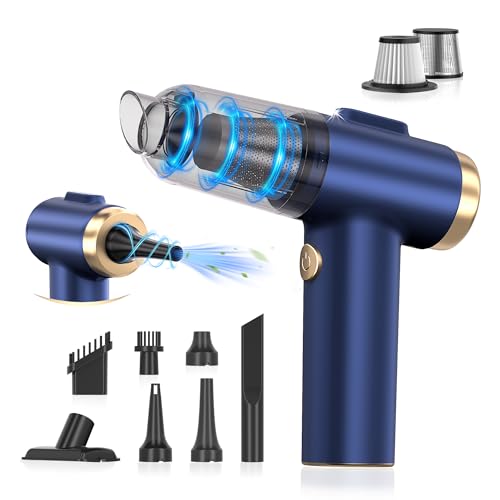
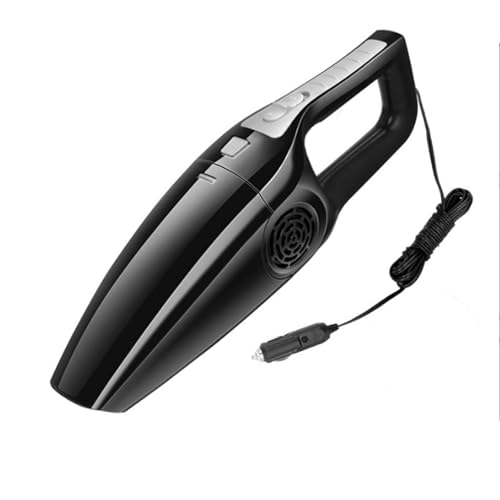
The debate between bagged and bagless vacuum designs continues in the car vacuum market, with each approach offering distinct advantages and trade-offs. Bagged vacuums contain debris in disposable bags that are discarded when full, while bagless vacuums collect debris in containers that are emptied and reused. Understanding how each design affects car cleaning performance, convenience, ongoing costs, and maintenance helps identify which approach better suits your preferences and needs.

Neither design is objectively superior; the better choice depends on what factors you prioritize. Users who value cleanliness during emptying may prefer bagged designs. Users who want to avoid ongoing bag purchase costs may prefer bagless. Both designs can deliver effective car cleaning performance when properly maintained. Evaluating the practical implications of each approach guides selection aligned with your priorities.

This guide compares bagged and bagless car vacuums, examining how each design affects performance and user experience in car cleaning applications.
Key Takeaways
- Bagged vacuums offer cleaner emptying: Sealed bags contain debris during disposal
- Bagless vacuums avoid ongoing bag costs: No consumable purchases required
- Filtration approaches differ between designs: Each has distinct filter maintenance needs
- Suction maintenance varies: Bag fullness and filter condition affect both designs
- Personal preferences should guide choice: Neither design is universally superior
Table of Contents
Bagged Vacuum Characteristics
Understanding how bagged designs work for car cleaning.
Debris collects in disposable bags that seal during removal. Contained disposal minimizes dust exposure during emptying.
Bags often provide filtration layer in addition to separate filters. Multiple filtration stages may improve air quality.
Full bags are discarded entirely. No contact with collected debris during disposal process.
Bag capacity varies by design. Some bags hold substantial debris; others fill quickly.
Visual indication of bag fullness may be limited. Some designs don't clearly show fill level.
Bagged Vacuum Trade-Offs
Considerations with bag-based debris collection.
Ongoing bag purchase costs add to ownership expense. Bags are consumable requiring regular replacement.
Bag availability may be concern for some models. Specific bags needed; generic alternatives may or may not exist.
Suction can decline as bags fill. Partially full bags may reduce airflow and cleaning effectiveness.
Environmental considerations with disposable bags. Ongoing waste generation from bag disposal.
Must have replacement bags available to continue cleaning. Running out of bags stops cleaning capability.
Bagless Vacuum Characteristics
Understanding how bagless designs work for car cleaning.
Debris collects in reusable containers that empty directly. No consumable bags to purchase.
Clear containers on many models show fill level visibly. Easy to see when emptying is needed.
Cyclonic separation in many bagless designs helps maintain suction. Technology reduces filter clogging.
Container empties into trash with debris exposure. Direct handling of collected debris during emptying.
No ongoing consumable costs for debris collection. One-time purchase without continuing supply needs.
Bagless Vacuum Trade-Offs
Considerations with container-based debris collection.
Emptying exposes user to collected debris and dust. Some dust release during disposal is typical.
Filter maintenance more critical in bagless designs. Filters need regular cleaning to maintain performance.
Container cleaning occasionally needed. Debris residue may require washing.
Allergen exposure during emptying may concern sensitive users. Direct contact with dust and debris.
Some debris may stick in containers requiring manual cleaning.
Suction Performance Comparison
How debris collection method affects cleaning power.
Fresh bag in bagged vacuum provides unrestricted airflow. Clean bag condition offers maximum suction.
Bag filling gradually reduces airflow. Partially full bags may compromise suction before obviously full.
Cyclonic bagless designs maintain suction better as containers fill. Technology specifically addresses this issue.
Non-cyclonic bagless may lose suction as containers fill. Filter condition and debris accumulation affect airflow.
Both designs can provide strong suction when properly maintained. Maintenance affects each differently.
Filtration Considerations
How each design handles air filtration.
Bagged vacuums often use bags as primary filtration layer. Additional filters provide secondary filtration.
Bagless vacuums rely entirely on separate filters. Filter maintenance is critical for air quality and suction.
HEPA filtration available in both designs. Allergen capture possible regardless of debris collection method.
Filter cleaning or replacement needed in both designs. Maintenance requirements exist either way.
Sealed bag removal may reduce allergen exposure compared to container emptying for sensitive users.
Cost Analysis
Financial comparison between approaches.
Initial purchase price varies independently of bag/bagless design. Either type available at various price points.
Bagless avoids ongoing bag purchase costs. Savings accumulate over ownership period.
Bagged requires regular bag purchases. Ongoing expense depends on cleaning frequency and bag cost.
Filter replacement costs exist for both designs. Some filters washable; others need periodic replacement.
Total cost of ownership includes initial price plus ongoing consumables for complete comparison.
Convenience Factors
Practical daily use considerations.
Bagless emptying is quick when positioned over trash. No bag installation required after emptying.
Bagged emptying is cleaner but requires bag replacement. Sealed removal but then installation step needed.
Bag availability ensures uninterrupted cleaning capability. Running out stops cleaning until bags obtained.
Bagless always ready to empty and continue. No supply management required.
Container visibility in bagless shows fill level clearly. Bagged fill level may be less obvious.
Allergen Considerations
How each design affects allergen exposure.
Bagged disposal contains allergens during removal. Sealed bags minimize exposure during emptying.
Bagless emptying releases some dust and allergens. Direct exposure during container dumping.
HEPA filtration in either design captures allergens during operation. Both can provide good operational filtration.
Allergy sufferers may prefer bagged for cleaner disposal. Reduced exposure during emptying process.
Outdoor emptying of bagless containers reduces indoor allergen release.
Making Your Decision
Framework for choosing between bagged and bagless.
If clean disposal matters most, bagged provides sealed debris removal.
If avoiding ongoing costs matters most, bagless eliminates bag purchases.
If you have allergies or sensitivities, bagged may provide safer disposal experience.
If convenience and visibility matter, bagless offers clear containers and no supply management.
Either design can clean cars effectively; choose based on personal priorities.
Related Articles
Explore more car vacuum guides and reviews:
- Car Vacuum Cleaner Attachments Guide
- Corded vs Cordless Car Vacuums: Which Type is Right for You?
- ThisWorx Car Vacuum Review
- How to Vacuum Car Seats Properly
Frequently Asked Questions
Is bagged or bagless better for car vacuuming?
Neither is objectively better. Bagged offers cleaner disposal; bagless avoids ongoing bag costs. Both can clean cars effectively. Choose based on your priorities regarding disposal cleanliness, ongoing costs, and convenience.
Do bagged vacuums have stronger suction?
Not inherently. Fresh bags allow good airflow. Filling bags reduce suction. Quality cyclonic bagless maintains suction well. Compare specific products rather than assuming design-based superiority.
How often do vacuum bags need replacing?
Depends on cleaning frequency and debris volume. Car cleaning typically doesn't fill bags quickly. Monthly or less frequent replacement is common for car-only use.
Are vacuum bags expensive?
Varies by brand and model. Generic bags may cost less than brand-specific bags. Calculate annual bag cost based on your expected replacement frequency for accurate cost assessment.
Is bagless vacuum harder to maintain?
Filter maintenance is important in bagless designs. Regular filter cleaning maintains performance. Container may need occasional washing. Not necessarily harder, but different maintenance focus.
Which is better for allergies?
Bagged vacuums typically offer cleaner disposal with less allergen exposure during emptying. Both designs can include HEPA filtration for operation. Disposal method may matter most for allergy sufferers.
Do bagless vacuums lose suction faster?
Quality cyclonic bagless designs maintain suction well. Non-cyclonic or poorly maintained bagless may lose suction as filters clog. Proper maintenance is key regardless of design.
Can I use generic bags in bagged vacuums?
Depends on model. Some accept generic bags; others require specific bags for proper fit and filtration. Check compatibility before purchasing generic alternatives.
Is bagless messier to empty?
Some dust release during emptying is typical with bagless. Emptying outdoors or directly into covered trash reduces mess. Bagged disposal is inherently cleaner and more contained.
How long do bagless vacuum filters last?
Washable filters can last years with proper cleaning. Replacement filters vary in lifespan. Follow manufacturer recommendations for filter maintenance and replacement intervals.