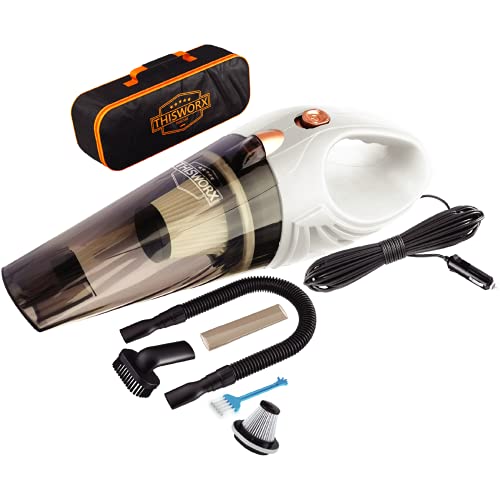
Purchasing a car vacuum involves evaluating numerous factors including power source, suction capability, portability, attachments, and price to find a product that matches your specific cleaning needs. The market offers options ranging from small cordless handheld units designed for quick cleanups to powerful corded vacuums that match household cleaning capability. Understanding what factors actually matter for your situation helps navigate the options and identify vacuums that deliver value rather than marketing promises.
Many car vacuum purchases result in disappointment when buyers select based on price alone or marketing claims rather than practical requirements. A vacuum perfect for quick crumb removal may frustrate someone needing to extract embedded pet hair. A powerful corded unit may prove impractical for someone wanting vehicle-stored convenience. Matching vacuum capabilities to realistic cleaning needs produces satisfaction; mismatched purchases produce frustration regardless of product quality.

This guide walks through the key considerations for purchasing a car vacuum, helping identify which features matter for different situations and how to evaluate products effectively.
Key Takeaways
- Match vacuum type to your actual cleaning needs: Different situations favor different designs
- Power source choice affects convenience and capability: Corded versus cordless involves trade-offs
- Suction specifications can be misleading: Real-world performance matters more than numbers
- Attachments determine versatility: Right tools enable effective cleaning of various surfaces
- User reviews reveal practical reality: Actual owner experience indicates true performance
Table of Contents
Assessing Your Cleaning Needs
Understanding what you actually need to clean.
Light debris from typical use needs moderate suction. Crumbs, dust, and surface dirt clean easily with basic vacuums.
Pet hair and embedded debris require stronger suction. Challenging contamination demands capable equipment.
Frequency of use affects convenience requirements. Daily quick cleanings favor ready accessibility.
Vehicle type influences cleaning demands. Large SUVs need more capability than compact cars.
Honest assessment prevents both over-buying and under-buying.
Power Source Options
Comparing corded, cordless, and 12V vacuum types.
Corded vacuums plugging into household outlets provide sustained power. Best suction but requires extension cord or outlet access.
Cordless battery-powered vacuums offer convenience and portability. Limited runtime but no cord management.
12-volt vacuums powered from vehicle lighter socket provide unlimited runtime. Generally weaker suction than household-powered options.
Each power source involves trade-offs between convenience, power, and runtime.
Consider where and how you typically clean when selecting power source.
Understanding Suction Specifications
What vacuum power numbers actually mean.
Air watts, Pa, and kPa measure suction in different ways. Higher numbers indicate stronger suction within same measurement type.
Watts alone measure motor power, not suction delivered. High wattage does not guarantee high suction.
Specifications are difficult to compare across brands. Different measurement methods and testing conditions vary.
User reviews indicating actual cleaning effectiveness provide more reliable guidance than specifications.
Trust real-world reports over marketing numbers.
Attachment Importance
Why included tools matter for effective cleaning.
Crevice tool is essential for reaching narrow gaps and seams. Critical attachment for car cleaning.
Brush attachment helps clean delicate surfaces and loosen debris. Useful for dashboard and upholstery.
Wide nozzle for floor cleaning improves efficiency on larger surfaces.
Specialized tools like pet hair attachments address specific cleaning challenges.
Evaluate attachment quality and quantity as part of purchase decision.
Size and Portability
How vacuum dimensions affect practical use.
Compact handhelds fit in vehicles for always-available convenience. Smaller size often means less capability.
Larger handhelds offer more power but require garage or home storage. Better performance at cost of grab-and-go convenience.
Weight affects comfort during extended cleaning sessions. Lighter vacuums reduce fatigue.
Consider storage location and how you will use vacuum when evaluating size.
Size and capability often trade off against each other.
Battery Considerations for Cordless
Evaluating cordless vacuum battery factors.
Runtime at useful suction level matters more than maximum runtime claims. Check runtime at normal cleaning power.
Lithium-ion batteries provide better power-to-weight ratio. Standard in quality cordless vacuums.
Charge time affects availability for spontaneous use. Quick charge capability provides faster turnaround.
Removable batteries enable swapping for extended runtime. Useful for multiple vehicle cleaning.
Battery degradation over time affects long-term runtime. All batteries lose capacity eventually.
Filtration Options
Understanding vacuum filtration choices.
Standard filters handle typical debris for most users. Adequate for general car cleaning.
HEPA filtration captures fine particles for allergen-sensitive users. Higher cost but meaningful for allergy sufferers.
HEPA-type filters provide improved filtration below true HEPA standard. Middle ground option.
Washable filters reduce replacement costs. Proper cleaning maintains effectiveness.
Match filtration to your actual sensitivity requirements.
Wet-Dry Capability
When dual-mode vacuums make sense.
Wet-dry vacuums can handle liquid spills and dry debris. Versatility for spill-prone situations.
Standard dry vacuums often have stronger dry suction. Optimized for single purpose.
Liquid handling requires filter changes between modes. Operational consideration for wet-dry use.
Most car cleaning involves dry debris only. Wet capability may be unnecessary for many users.
Evaluate how often liquid handling would actually be useful.
Price and Value Assessment
Understanding what you get at different price points.
Budget vacuums provide basic capability at low cost. May lack power or durability for demanding use.
Mid-range options often provide best value balance. Capable performance without premium pricing.
Premium vacuums offer top performance and build quality. Worth investment for demanding users.
Lowest price rarely provides best value. Consider capability and longevity alongside purchase price.
Match investment level to your actual needs and usage frequency.
Using Reviews Effectively
How to evaluate user feedback for purchase decisions.
Look for reviews mentioning actual car cleaning use. General vacuum reviews may not address car-specific performance.
Pay attention to consistent complaints across multiple reviews. Repeated issues indicate real problems.
Consider reviewer needs similar to yours. Pet owner reviews matter if you have pets.
Long-term reviews reveal durability better than initial impressions.
Balance review quantity with review quality and relevance.
Related Articles
Explore more car vacuum guides and reviews:
- Best Cordless Car Vacuums Under $100
- Corded vs Cordless Car Vacuums: Which Type is Right for You?
- ThisWorx Car Vacuum Review
- How to Vacuum Car Seats Properly
Frequently Asked Questions
What type of car vacuum should I buy?
Depends on your needs. Light cleaning with convenience focus suits cordless handhelds. Thorough cleaning of challenging debris favors corded or powerful cordless options. Match vacuum type to your actual cleaning demands and usage patterns.
Is more suction always better?
Not necessarily. More suction helps with challenging debris but may be unnecessary for light cleaning. Higher suction in cordless reduces runtime. Match suction capability to what you actually need to clean.
How much should I spend on a car vacuum?
Mid-range options typically provide good value for regular car cleaning. Budget options may suffice for occasional light use. Premium prices are justified for demanding cleaning needs or heavy use. Match investment to your requirements.
Corded or cordless vacuum?
Corded provides sustained power and strong suction but requires outlet access. Cordless offers convenience and portability but limited runtime. Consider where you clean and what power is available.
What attachments do I need?
Crevice tool is essential for car cleaning. Brush attachment helps with upholstery and surfaces. Wide nozzle helps with floor areas. Specialized attachments address specific needs like pet hair.
Are 12V car vacuums any good?
12V vacuums provide unlimited runtime from vehicle power. Suction is generally weaker than household-powered options. Adequate for light debris and maintenance cleaning. Not ideal for challenging contamination.
How long should cordless vacuum runtime last?
15-20 minutes at useful suction typically completes car cleaning. Longer runtime needed for multiple vehicles or extended sessions. Check runtime at normal power level, not maximum runtime at lowest setting.
Do I need HEPA filtration?
HEPA benefits allergy sufferers and those sensitive to fine particles. Standard filtration adequately serves most users without special concerns. Match filtration to actual sensitivity requirements rather than marketing appeal.
What about wet-dry car vacuums?
Useful if you frequently deal with liquid spills. Most car cleaning involves dry debris where standard vacuum suffices. Wet-dry adds complexity for capability you may rarely use.
How do I know if a vacuum is powerful enough?
User reviews describing actual cleaning performance are most reliable. Specifications can be misleading across brands. Reviews mentioning debris types similar to yours indicate whether vacuum handles your needs.