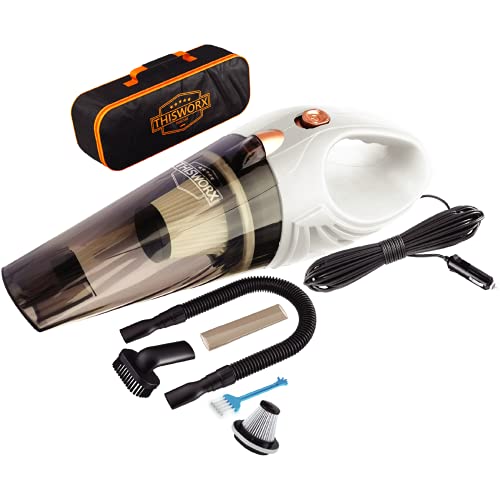
Households with multiple vehicles or multiple drivers often face the question of whether one car vacuum serves adequately or whether different vehicles and users benefit from separate equipment. The answer isn't straightforward—it depends on how many vehicles need cleaning, where cleaning typically happens, who does the cleaning, and what budget allows. A single excellent vacuum might serve multiple vehicles better than several mediocre ones, while certain situations clearly benefit from dedicated equipment for each vehicle or location.
Beyond the single-versus-multiple decision, households choosing multiple vacuums face questions about whether to standardize on one type or diversify capabilities. Matching vacuums to specific vehicles, users, or cleaning locations can optimize utility, but managing different equipment creates complexity. Understanding the trade-offs helps determine whether standardization or specialization better serves your household's actual needs.

This guide examines the factors affecting multi-vacuum decisions for households with multiple vehicles or cleaning requirements. The goal is helping you determine the optimal vacuum strategy for your specific situation—whether that's one versatile vacuum, multiple identical units, or specialized vacuums for different purposes.
Key Takeaways
- Usage patterns matter most: Where, when, and by whom vacuums are used determines optimal strategy
- Convenience often trumps capability: Available vacuum gets used; inconvenient vacuum doesn't
- Standardization simplifies: Same model means interchangeable accessories and familiar operation
- Specialization optimizes: Different vacuums for different needs can provide best fit for each
- Budget allocation affects outcomes: One good vacuum often beats two mediocre ones
Table of Contents
Assessing Your Household Needs
Before deciding on vacuum quantity or type, honest assessment of how cleaning actually happens (not how it ideally should happen) guides appropriate decisions.
Count vehicles requiring regular cleaning. More vehicles generally argue for more vacuums or more portable shared equipment. Single-vehicle households face simpler decisions than four-vehicle families.
Identify where cleaning typically occurs. Garage with outlet access suits corded vacuums; driveway or street parking needs cordless capability. Different locations may warrant different equipment.
Consider who does the cleaning. Single responsible person can manage shared equipment; multiple family members cleaning independently may need equipment in multiple locations. Teen drivers maintaining their own vehicles need accessible equipment.
Evaluate cleaning frequency and thoroughness. Frequent light maintenance has different requirements than occasional deep cleaning. High-frequency users benefit most from convenient equipment; occasional users may accept less convenient but more capable options.
Assess special needs among vehicles. Pet transport in one vehicle, child transport in another, work vehicle versus personal vehicle—different uses create different cleaning challenges that may warrant specialized equipment.
The Single Vacuum Approach
A single quality vacuum serving multiple vehicles offers simplicity and may provide better capability than the same budget spread across multiple units.
Advantages of single vacuum strategy include concentrated investment in quality, simpler maintenance of one unit, no confusion about which vacuum to use, and potentially better capability than multiple cheaper alternatives would provide.
A single excellent cordless vacuum can move between vehicles easily, especially when stored accessibly. The convenience of grab-and-go cordless operation suits multi-vehicle cleaning where dragging corded equipment between locations creates friction.
Challenges include scheduling conflicts when multiple people need the vacuum simultaneously, the inconvenience of moving equipment between locations, and single point of failure if the vacuum needs repair or replacement.
Single vacuum works best when one person handles cleaning for all vehicles, when vehicles are stored close together enabling easy equipment movement, and when budget constraints favor quality over quantity.
If choosing single vacuum, select for the most demanding cleaning needs among your vehicles. A vacuum that handles the hardest case handles easier cases; one optimized for easy cases may struggle with demanding situations.
Multiple Identical Vacuums
Purchasing multiple units of the same vacuum model provides convenience through redundancy while maintaining operational simplicity.
Standardization advantages include interchangeable accessories between units, consistent operation that all family members learn once, bulk purchase potential for cost savings, and straightforward replacement when units eventually need replacement.
Each vehicle or location having dedicated equipment removes movement friction entirely. The vacuum is always where cleaning will occur; no retrieval or transport needed. This convenience dramatically increases likelihood of regular cleaning.
Battery and accessory sharing becomes possible with identical cordless vacuums. A spare battery charges while the other is in use; attachments work across all units. This interchangeability provides flexibility that different models cannot offer.
Cost implications require consideration. Multiple vacuums multiply expense; identical models multiply that expense uniformly. Determine whether budget allows multiple quality units or whether lesser units would be necessary to achieve quantity.
Multiple identical units work best when budget comfortably supports the quantity needed, when multiple people clean independently, and when convenience of dedicated equipment outweighs cost of duplication.
Specialized Vacuums for Different Purposes
Different vacuums optimized for different situations can provide best-fit capability for each need rather than compromise capability across all situations.
Vehicle-specific matching might place a pet-focused vacuum with the vehicle that transports pets, a compact vacuum in the small commuter car, and a more powerful unit with the family SUV. Each vacuum optimized for its assigned vehicle's cleaning challenges.
Location-specific deployment might place a corded vacuum in the garage for serious cleaning sessions and a compact cordless in each vehicle for on-the-go maintenance. Different equipment serves different cleaning modes.
User-specific assignment might provide easy-to-use lightweight vacuum for elderly family members, full-featured vacuum for the detail-oriented cleaner, and basic vacuum for teen drivers learning maintenance habits.
Complexity trade-offs accompany specialization. Different models mean different accessories that don't interchange, different operation requiring varied knowledge, and different maintenance needs to track. Managing multiple different vacuums requires more attention than identical units.
Specialization works best when different cleaning situations have genuinely different optimal requirements, when users are willing to manage varied equipment, and when budget allows purchasing appropriate equipment for each specialized need.
Budget Allocation Strategies
How you distribute vacuum budget affects what strategies are feasible and what compromises become necessary.
Concentrated budget on one quality vacuum provides best capability but limited convenience. A $200 vacuum serving four vehicles outperforms four $50 vacuums in capability but requires sharing and movement between locations.
Distributed budget across multiple units provides convenience at potential capability cost. Four $50 vacuums provide dedicated equipment for each vehicle but may each deliver mediocre performance that fails to satisfy.
Tiered allocation balances approaches—one quality vacuum for serious cleaning supplemented by budget units for quick maintenance. The primary vacuum handles thorough cleaning; secondary units handle spot cleaning and convenience needs.
Consider total ownership cost including replacement timeline. Quality vacuums may last longer, making their higher purchase price more economical over time. Budget vacuums replaced more frequently may cost more cumulatively.
Evaluate whether waiting and saving for appropriate equipment beats immediate purchase of inadequate alternatives. Sometimes the right answer is one vacuum now with plan for additional units later rather than multiple insufficient units immediately.
Practical Considerations
Beyond the strategic decision, practical factors affect how well any multi-vacuum approach works in actual use.
Storage requirements multiply with multiple vacuums. Each unit needs appropriate storage location—accessible but protected. Evaluate whether storage space supports the number of vacuums being considered.
Charging management for multiple cordless vacuums requires attention. Multiple units need charging locations; battery maintenance applies to each. Consider whether household can maintain multiple cordless units appropriately.
Accessory management becomes more complex with multiple vacuums. Keep attachments with their respective units; replacement parts must match specific models. Organization prevents confusion about which accessories belong where.
Maintenance multiplies proportionally. Each vacuum needs filter cleaning, container emptying, and periodic attention. Multiple vacuums mean multiple maintenance responsibilities to track and execute.
Family coordination may be necessary when sharing equipment. Communication about vacuum location, charging status, and cleaning schedules prevents conflicts. Establish expectations about shared equipment use.
Making the Decision
Integrating assessment factors into a decision involves weighing priorities and accepting trade-offs inherent in any approach.
If convenience is paramount, lean toward multiple vacuums—identical for simplicity, specialized if needs genuinely differ. Accept the cost of duplication for the benefit of always-available equipment.
If capability is paramount, lean toward concentrated investment in quality equipment that can serve multiple vehicles. Accept the inconvenience of sharing for the benefit of better cleaning results.
If budget is constrained, prioritize one good vacuum over multiple mediocre ones. Supplement with the most affordable solution for secondary needs—even inexpensive vacuums provide some convenience value for quick maintenance.
Recognize that decisions can evolve. Starting with one vacuum and adding units as needs clarify provides information that upfront decisions lack. Experience reveals whether additional equipment would provide value worth its cost.
Related Articles
Explore more car vacuum guides and reviews:
- Best Cordless Car Vacuums Under $100
- Corded vs Cordless Car Vacuums: Which Type is Right for You?
- ThisWorx Car Vacuum Review
- How to Vacuum Car Seats Properly
Frequently Asked Questions
How many car vacuums does a typical household need?
Most households function well with one to two vacuums. Single-vehicle households need one; multi-vehicle households may benefit from one quality vacuum plus a compact backup, or dedicated vacuums for frequently-used vehicles. More than three vacuums is unusual outside exceptional circumstances.
Should each family member have their own car vacuum?
Not necessarily—shared equipment works if accessible and if users coordinate. Individual vacuums make sense when teens are responsible for their own vehicles, when different users have very different needs, or when coordination proves difficult.
Is it better to have one expensive vacuum or two cheaper ones?
Generally, one quality vacuum outperforms two budget units in capability. However, if convenience of dedicated equipment dramatically increases cleaning frequency, two adequate vacuums may provide better real-world results than one excellent but inconvenient vacuum.
Can I share batteries between different cordless vacuum models?
Only within manufacturer platforms—batteries from one brand's cordless tools may work in their vacuums but not in other brands. Different models even within a brand may use incompatible batteries. Standardizing on one model ensures battery sharing.
Should I keep a vacuum in each vehicle?
Dedicated in-vehicle storage provides maximum convenience but requires compact vacuums that sacrifice capability for size. Consider in-vehicle storage for maintenance vacuuming while maintaining a more capable vacuum at home for thorough cleaning.
How do I decide which vacuum goes with which vehicle?
Match vacuum to vehicle's cleaning challenges. Pet transport vehicles need pet-capable vacuums. Large vehicles may need more powerful or longer-runtime options. Commuter vehicles may be fine with compact basic units.
What if different family members prefer different vacuum types?
Accommodate preferences where reasonable—someone who won't use a heavy vacuum benefits from a lightweight alternative even if less capable. Forcing unsuitable equipment often means cleaning doesn't happen.
How do I manage multiple vacuum maintenance schedules?
Create simple tracking—calendar reminders for filter cleaning, notes about when each unit was last maintained. Alternatively, maintain all units on the same schedule for simplicity even if individual use varies.
When should I replace one of multiple vacuums?
Replace when a unit no longer performs adequately after maintenance, when repair cost approaches replacement cost, or when needs have changed making the current unit inappropriate. Use replacement as opportunity to reassess whether the multi-vacuum strategy still fits your situation.
Should I buy vacuums from the same brand?
Same brand or same model provides accessory compatibility and operational consistency. Different brands may be appropriate when different models offer specific features each situation needs. Balance standardization benefits against optimal fit for varied needs.