The decision between purchasing a wet/dry vacuum versus a standard dry-only vacuum often comes down to a practical question: how likely are you to actually encounter situations requiring liquid pickup capability? Wet/dry vacuums offer genuine versatility for handling spills, wet debris, and muddy situations that would damage or destroy standard vacuums. However, this added capability typically comes with trade-offs in portability, weight, dry suction performance, or price that may not prove worthwhile for users who rarely encounter wet cleaning situations.

Understanding the realistic scenarios where wet/dry capability provides value—versus situations where standard vacuums handle needs perfectly well—helps you make an informed choice rather than paying for capability you won't use or lacking capability you'll wish you had when spills inevitably occur. Most car cleaning involves dry debris, dust, and dirt that any quality vacuum handles effectively. The question isn't whether wet/dry vacuums work, but whether their advantages justify their trade-offs for your specific situation.

This comprehensive comparison examines both vacuum types for automotive use, analyzing where wet/dry capability genuinely matters, where standard vacuums prove sufficient, and how to determine which approach better serves your realistic car cleaning needs and lifestyle factors.
Key Takeaways
- Most car cleaning is dry: Standard vacuums handle 90%+ of typical cleaning situations effectively
- Wet/dry excels for spills: Coffee spills, tracked-in rain and mud, and pet accidents make wet capability valuable
- Trade-offs exist: Wet/dry vacuums often sacrifice portability or dry suction performance
- Lifestyle factors matter: Children, pets, outdoor activities, and rainy climates increase wet cleaning needs
- Shop vacuums already do this: If you own a shop vacuum, you already have wet capability available
Table of Contents
- Understanding How Wet/Dry Vacuums Work
- Realistic Assessment of Wet Cleaning Needs
- When Standard Dry Vacuums Make More Sense
- When Wet/Dry Capability Proves Valuable
- Wet/Dry Vacuum Trade-Offs to Consider
- Wet/Dry Options for Car Cleaning
- Maximizing Value from Your Chosen Approach
- Decision Framework for Your Situation
- Related Articles
- Frequently Asked Questions
Understanding How Wet/Dry Vacuums Work
Wet/dry vacuums require different engineering than dry-only vacuums to safely handle liquids without damaging the motor or creating electrical hazards. Understanding these design differences helps explain both the capabilities and the trade-offs wet/dry vacuums involve.
The fundamental design difference involves motor placement and collection chamber sealing. In wet/dry vacuums, the motor sits above a sealed collection chamber rather than having air (and debris) pass directly through or near the motor. This separation allows liquid to collect in the chamber without reaching electrical components. Standard dry vacuums typically route air through or past the motor, meaning liquid would create immediate problems.
Float valves provide critical safety protection in wet/dry vacuums by automatically shutting off the motor when liquid reaches the maximum safe level. Without this protection, overfilled liquid chambers would allow liquid to reach the motor, causing damage or creating electrical hazards. The float valve prevents this by cutting power before liquid rises high enough to cause problems.
Filtration approaches differ between wet and dry operation in most wet/dry vacuums. Dry operation typically uses standard filtration similar to any vacuum. Wet operation may require removing the filter entirely or switching to wet-rated foam filters that allow air passage while remaining effective when wet. Some advanced wet/dry vacuums handle both modes without filter changes, but many require manual configuration changes between wet and dry use.
The sealed collection chamber that enables liquid pickup also affects how wet/dry vacuums handle dry debris. The chamber design optimized for containing liquid may be less optimized for cyclonic separation of dry debris. This engineering compromise explains why some wet/dry vacuums provide somewhat less effective dry pickup than specialized dry-only vacuums at comparable price points.
Realistic Assessment of Wet Cleaning Needs
Before deciding whether wet/dry capability justifies its trade-offs, honestly assessing how often you actually encounter wet cleaning situations helps determine whether you'd benefit from this capability or rarely use it.
Most routine car cleaning involves dry debris: dust accumulation, dirt tracked in on shoes, food crumbs, sand from outdoor activities, pet hair, and similar materials that any vacuum handles. Users who clean their vehicles regularly and rarely encounter liquid spills may find wet/dry capability rarely or never gets used. For these users, the trade-offs wet/dry vacuums involve may not prove worthwhile.
Drink spills represent the most common liquid emergency in vehicles. Coffee spills, soda accidents, water bottle tips, and similar beverage mishaps happen occasionally to most car owners. The question is whether these situations happen frequently enough to justify wet/dry ownership versus addressing them through other means like towel absorption or professional cleaning when they do occur.
Tracked-in moisture from rain, snow, and mud creates wet debris that wet/dry vacuums handle effectively. Climates with frequent precipitation naturally produce more of these situations than dry climates. Users in rainy regions or snowy winter climates encounter tracked-in moisture regularly; users in consistently dry climates may rarely face this situation.
Children substantially increase liquid spill frequency in vehicles. Sippy cup failures, juice box accidents, and the general tendency of children to spill things means family vehicles with kids face more wet situations than adult-only vehicles. Parents of young children often find wet/dry capability gets regular use that wouldn't occur in child-free situations.
Pet accidents—both liquid and semi-liquid—occasionally occur in vehicles used for pet transport. While not frequent for most pet owners, when these accidents do happen, wet/dry capability provides immediate response options that dry vacuums cannot offer.
When Standard Dry Vacuums Make More Sense
For many car owners, standard dry vacuums provide all the capability actually needed for typical cleaning situations, without the trade-offs that wet/dry capability introduces.
Users who clean regularly before significant contamination accumulates typically encounter only dry debris that standard vacuums handle perfectly well. The dust, dirt, crumbs, and hair that constitute routine cleaning don't require wet capability. For maintenance-focused cleaning habits, dry vacuums provide complete functionality.
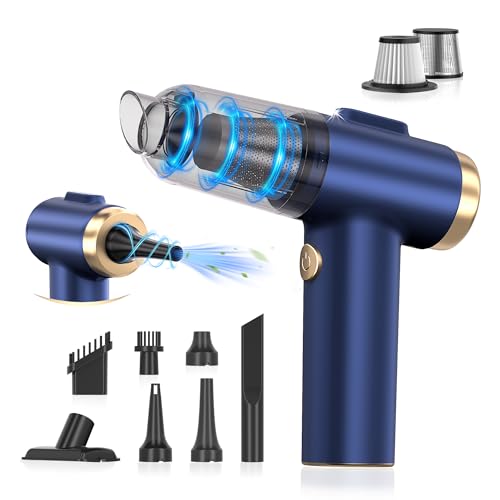
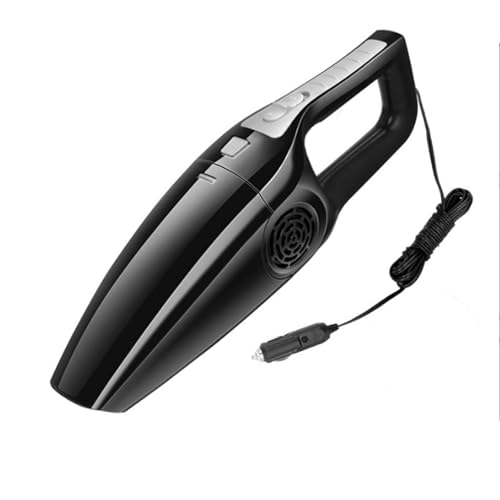
Portability advantages often favor standard dry vacuums, particularly compact handhelds designed specifically for car cleaning. Wet/dry vacuums require sealed chambers and additional engineering that typically adds weight and bulk. Users who value portability—storing vacuums in vehicles, carrying them easily—may prefer more compact dry-only options.
Dry suction performance in dedicated dry vacuums often exceeds wet/dry vacuums at comparable prices because the engineering focuses entirely on dry pickup optimization. Users prioritizing maximum dry cleaning effectiveness may find purpose-built dry vacuums outperform wet/dry alternatives within the same budget.
Budget considerations favor dry vacuums when wet capability isn't genuinely needed. Adding wet/dry capability increases manufacturing cost that gets passed to consumers. Users who wouldn't actually use wet capability pay for features providing no practical benefit.
Alternative solutions for occasional wet situations may prove more practical than wet/dry vacuum ownership. Keeping absorbent towels in the vehicle handles most spills adequately. Professional detailing addresses major wet contamination when it occasionally occurs. Shop vacuum access—which many households already have—provides wet capability without dedicated car vacuum investment.
When Wet/Dry Capability Proves Valuable
Certain situations and lifestyle factors make wet/dry capability genuinely valuable rather than theoretical capability that never gets used.
Frequent beverage consumption in vehicles increases spill likelihood over time. Users who regularly drink coffee during commutes, eat meals in vehicles, or otherwise frequently have beverages present face elevated spill risk that wet/dry capability addresses directly.
Outdoor activity enthusiasts often track significant moisture into vehicles. Mountain biking, hiking in rain, skiing, beach visits, fishing, and similar activities produce wet and muddy debris that wet/dry vacuums handle more effectively than dry-only alternatives or towel absorption.
Rainy and snowy climates create ongoing tracked-in moisture situations. Users in Seattle, Portland, northern states with significant winter weather, or similar wet climates encounter moisture-related cleaning needs regularly throughout the year rather than occasionally.
Families with young children face elevated liquid spill frequency that makes wet/dry capability practical rather than theoretical. The reality of children in vehicles involves spills, and wet/dry vacuums provide immediate response capability that dry vacuums cannot offer.
Pet transport increases accident risk, and when accidents occur, wet/dry capability enables immediate cleanup rather than waiting for professional service or improvising with inadequate tools.
Work vehicles that regularly encounter wet conditions—construction, landscaping, outdoor service work—benefit from wet/dry capability that matches their realistic cleaning demands.
Wet/Dry Vacuum Trade-Offs to Consider
Choosing wet/dry capability involves accepting trade-offs that may or may not prove acceptable depending on your priorities and how you plan to use the vacuum.
Size and weight typically increase with wet/dry capability because the sealed chamber design and additional components add bulk. Compact wet/dry handhelds exist but generally aren't as compact as the smallest dry-only handhelds. Users prioritizing portable, lightweight equipment may find wet/dry options less convenient for storage and handling.
Dry suction performance in wet/dry vacuums sometimes falls below comparable dry-only vacuums. The engineering compromises that enable liquid handling may reduce dry pickup effectiveness. This trade-off varies by model—some wet/dry vacuums perform excellently dry—but it's worth investigating for specific models under consideration.
Mode switching between wet and dry operation may require filter changes or configuration adjustments in many wet/dry vacuums. This isn't necessarily difficult, but it does require attention and adds steps compared to vacuums that work identically in all situations.
Maintenance requirements increase with wet/dry vacuums. Liquid collection chambers need emptying and cleaning after wet use. Failure to clean after wet use can produce odors or mold growth. Wet-rated filters need proper drying or replacement. These maintenance demands exceed what dry-only vacuums require.
Price premiums for wet/dry capability mean paying more for the additional engineering and components. Whether this premium proves worthwhile depends entirely on whether you actually use the wet capability enough to justify the added cost.
Wet/Dry Options for Car Cleaning
Several product categories offer wet/dry capability with varying suitability for car cleaning applications.
Compact wet/dry handhelds designed specifically for cars provide the most convenient wet/dry option for vehicle use. These vacuums balance liquid handling capability with reasonably portable form factors suited for car interiors. Capacity limitations mean they handle typical car spills but wouldn't suit major flooding situations. Popular options include dedicated automotive wet/dry handhelds from BLACK+DECKER, Bissell, and similar manufacturers.
Standard shop vacuums—the wet/dry vacuums found in garages and workshops—provide powerful wet/dry capability that works for car cleaning though not specifically designed for it. Most households that own shop vacuums already have wet/dry capability available without additional purchase. The main limitation involves portability—shop vacuums are bulky and require electrical outlets.
Portable wet/dry shop vacuums split the difference, offering shop vacuum power in more transportable packages. These provide more capability than compact handhelds while maintaining reasonable portability for occasional car cleaning use.
Cordless wet/dry vacuums offer battery-powered convenience with liquid capability, eliminating outlet requirements that make shop vacuums less convenient for car use. Runtime limitations apply, but for typical car spill cleanup rather than major water extraction, battery capacity usually suffices.
Maximizing Value from Your Chosen Approach
Regardless of whether you choose wet/dry or standard vacuum, optimizing how you use your equipment provides the best results from your investment.
For wet/dry vacuum users, understanding proper mode switching ensures effective operation for both wet and dry situations. Know whether your vacuum requires filter changes between modes and have appropriate filters available. Clean the collection chamber promptly after wet use to prevent odor or mold development. Ensure wet components dry completely before storage.
For standard vacuum users, having backup approaches for wet situations provides coverage without wet/dry vacuum investment. Keep absorbent materials in your vehicle for immediate spill response. Know how to access shop vacuum capability (your own, friends', car wash facilities) for occasional wet cleaning needs. Consider professional detailing for significant wet contamination situations.
Regular cleaning regardless of vacuum type prevents contamination levels that become difficult to address. Fresh spills clean up more easily than set stains. Light debris removes more readily than accumulated contamination. Consistent cleaning habits provide better results than infrequent intensive cleaning regardless of equipment capability.
Decision Framework for Your Situation
Making the wet/dry versus standard vacuum decision involves honestly assessing your realistic needs rather than planning for hypothetical worst-case scenarios.
Choose wet/dry capability if you frequently encounter liquid spills or wet debris, have young children who regularly transport beverages, live in rainy or snowy climates with ongoing tracked-in moisture, engage in outdoor activities producing wet and muddy debris, and find wet situations frustrating enough that you want direct response capability.
Choose standard dry vacuum if your cleaning involves primarily dust, dirt, and dry debris, liquid spills are rare and adequately addressed through absorption, you have shop vacuum access for occasional wet situations, you prioritize portability and compact storage, and budget considerations favor avoiding capability you wouldn't frequently use.
Consider hybrid approaches if neither extreme fits perfectly. A compact dry vacuum for routine maintenance plus shop vacuum access for wet situations provides both capabilities without the trade-offs compact wet/dry vacuums involve. This approach works well for households that already own shop vacuums and want convenient car-specific equipment for regular use.
Related Articles
Explore more car vacuum guides and reviews:
- Car Vacuum Cleaner Attachments Guide
- Corded vs Cordless Car Vacuums: Which Type is Right for You?
- ThisWorx Car Vacuum Review
- How to Vacuum Car Seats Properly
Frequently Asked Questions
Can I use a regular vacuum on wet debris?
No—using standard dry vacuums on liquid or significantly wet debris can damage the motor, create electrical hazards, or cause mold growth inside the vacuum. Even small amounts of liquid can cause problems. If you encounter wet debris with a dry-only vacuum, either absorb liquid first using towels or other absorbent materials, or allow the debris to dry completely before vacuuming.
How much liquid can wet/dry car vacuums handle?
Compact wet/dry handhelds designed for cars typically handle small spills adequately—a spilled coffee cup or similar volume. Larger wet/dry vacuums handle more substantial liquid volumes. Major flooding or significant water intrusion exceeds what portable wet/dry vacuums can practically address and may require professional water extraction equipment.
Do I need to change filters between wet and dry use?
Many wet/dry vacuums require filter changes or removal between modes. Some operate without filter during wet use to prevent water damage to filtration; others use wet-rated foam filters. Check your specific vacuum's requirements and have appropriate filters available. Some advanced models handle both modes without manual configuration.
Will wet/dry vacuums work as well for dry cleaning?
Performance varies by model. Some wet/dry vacuums provide excellent dry suction; others sacrifice dry performance for wet capability. If dry cleaning effectiveness is your priority, research specific models' dry performance or consider dedicated dry vacuums that don't compromise for wet capability.
Should I buy a wet/dry vacuum or just use my shop vacuum?
If you already own a shop vacuum, it provides wet/dry capability for car cleaning without additional purchase. The main trade-off involves convenience—shop vacuums are bulkier and need electrical outlets. For regular car cleaning, a dedicated portable vacuum (wet/dry or dry) provides more convenience; the shop vacuum serves occasional wet situations adequately.
What's the best wet/dry vacuum for car use?
The best option depends on your specific needs. For convenience and portability, compact wet/dry handhelds designed for cars work well. For maximum capability, portable shop vacuums provide more power. For cordless operation, battery-powered wet/dry options eliminate outlet requirements. Prioritize the factors most important to your situation when selecting.
How do I clean a wet/dry vacuum after wet use?
Empty the liquid collection chamber promptly after wet use. Rinse the chamber to remove residue. Clean or replace wet filters as appropriate for your model. Allow all components to dry completely before reassembling and storing. Prompt cleaning after wet use prevents odors, mold growth, and residue buildup that affects future performance.
Can wet/dry vacuums handle mud and wet dirt?
Yes, wet/dry vacuums handle muddy, wet debris effectively—this represents one of their primary advantages over dry-only vacuums. The combination of water and soil that would damage dry vacuums presents no problem for properly used wet/dry equipment. This capability proves particularly valuable for users who regularly track in mud from outdoor activities.
Is wet/dry capability worth the extra cost?
Worth depends entirely on usage. Users who frequently encounter wet situations find the capability valuable enough to justify added cost. Users who rarely face wet cleaning may pay for capability they never use. Honestly assessing your realistic wet cleaning frequency determines whether the premium proves worthwhile for your situation.
What happens if I accidentally vacuum liquid with a dry vacuum?
Results range from reduced suction due to wet filter to motor damage or electrical hazard depending on liquid volume and vacuum design. If you accidentally vacuum liquid with a dry vacuum, stop immediately, empty any liquid from the collection chamber, remove and dry or replace the filter, and allow the vacuum to dry completely before attempting further use. If the motor was exposed to liquid, professional inspection may be warranted.