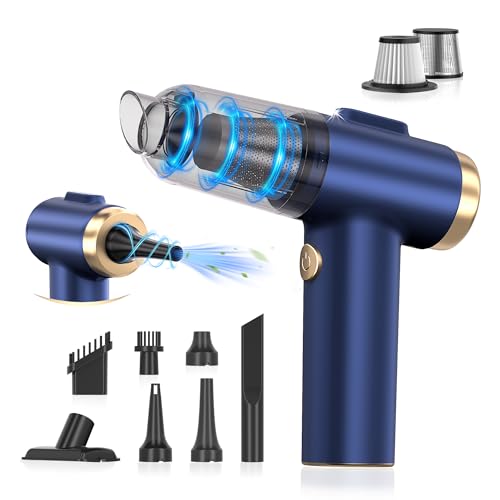
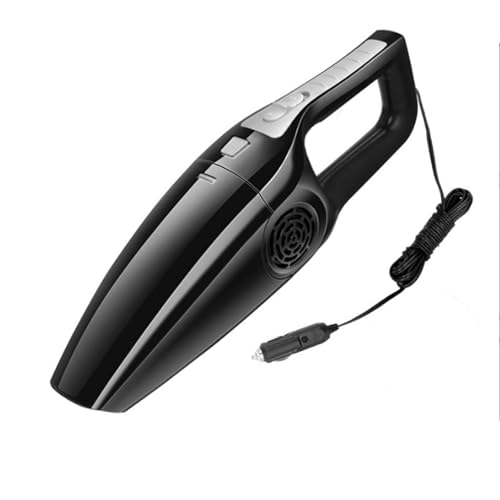
Wet-dry vacuums offer the ability to handle both liquid spills and dry debris, while standard vacuums are designed exclusively for dry materials. For car cleaning applications, the question of whether wet-dry capability is necessary depends on what contamination types you actually encounter and how you prefer to handle liquid incidents. Wet-dry capability adds versatility but may come with trade-offs in other areas that matter for routine car cleaning.

The decision involves understanding how often liquid handling would actually be useful versus the cost and potential compromises of wet-dry capability. Some car owners frequently encounter spills, wet cargo, or situations where liquid extraction would be valuable. Others rarely face liquid contamination and would be paying for capability they seldom use. Honest assessment of your actual cleaning situations guides appropriate equipment selection.

This guide compares wet-dry and standard car vacuums, examining when dual capability provides genuine value and when standard dry vacuums adequately serve car cleaning needs.
Key Takeaways
- Wet-dry vacuums handle both liquids and dry debris: Versatility for various contamination types
- Standard vacuums often offer stronger dry cleaning performance: Optimized for single purpose
- Liquid incidents determine wet-dry value: Frequency of spills affects whether capability is worthwhile
- Filter management differs between modes: Wet-dry requires attention to filter configuration
- Most routine car cleaning is dry debris: Standard vacuums adequately handle typical needs
Table of Contents
Wet-Dry Vacuum Capabilities
Understanding what wet-dry vacuums offer for car cleaning.
Liquid extraction enables vacuuming spills directly rather than blotting. Immediately removes liquid contamination from carpet and upholstery.
Wet cleaning support helps with shampooing and extraction cleaning processes. Remove cleaning solution after wet carpet treatment.
Handles wet cargo situations effectively. Wet items in vehicle don't require drying before vacuum use.
Emergency flood response capability. Can remove standing water from vehicle interior after water intrusion.
All standard dry cleaning capability remains available. Wet-dry vacuums handle dry debris like standard vacuums.
Standard Vacuum Advantages
Why dry-only vacuums may better serve some users.
Design optimization for dry debris often yields stronger dry cleaning performance. Single-purpose focus enables better performance at that purpose.
Simpler operation without wet-dry mode management. No filter changes or mode selection required.
Often lighter and more compact than wet-dry equivalents. Less complexity means less weight and size.
Typically lower cost at equivalent dry cleaning capability. Not paying for liquid handling you may not need.
No risk of accidentally using wrong mode and damaging vacuum. Standard vacuums can't be misused with liquids.
When Wet-Dry Makes Sense
Situations where liquid handling capability provides genuine value.
Families with children who frequently spill drinks in vehicles. Regular liquid incidents justify wet-dry capability investment.
Pet owners dealing with accidents or wet pets. Animal-related liquid contamination benefits from extraction capability.
Users who perform wet carpet cleaning or shampooing. Extraction cleaning requires wet vacuum capability.
Vehicles used for wet cargo transport. Fishing, boating, or other water-related activities may create wet interior situations.
Areas with significant rain or snow tracked into vehicles. Consistent moisture exposure may warrant wet handling.
When Standard Suffices
Situations where dry-only capability adequately serves needs.
Users who rarely experience liquid spills in vehicles. Infrequent incidents don't justify wet-dry investment.
Those who handle spills through blotting and conventional cleaning. Alternative liquid handling methods may be sufficient.
Routine maintenance cleaning of typically dry debris. Standard vacuuming needs don't require wet capability.
Budget-conscious users who need strong dry performance. Better dry vacuum often available at wet-dry vacuum price.
Users who would use wet mode rarely enough to forget proper procedure. Unused capability provides no value.
Performance Trade-Offs
How wet-dry capability may affect other performance aspects.
Some wet-dry vacuums compromise dry suction for liquid handling capability. Dual-purpose design may involve compromises.
Filter systems in wet-dry vacuums may be more complex. Proper filter management required for each mode.
Tank design for liquid holding may affect dry debris capacity or handling. Physical compromises for liquid capability.
Weight and size may increase to accommodate wet capability. Portability may suffer.
Quality wet-dry vacuums minimize these trade-offs but typically cost more.
Filter Management Requirements
Understanding operational differences between modes.
Wet mode typically requires removing or changing filters. Standard dry filters can be damaged by liquid.
Switching between wet and dry modes requires filter attention. Forgetting to reconfigure risks filter damage.
Some wet-dry vacuums use foam filters for wet mode. Different filter types for different functions.
Drying wet filters before dry use is important. Wet filters used for dry vacuuming can develop mold.
Standard vacuums avoid this complexity entirely. Single mode means consistent operation.
Cost Considerations
Financial factors in the comparison.
Wet-dry capability typically adds to purchase price. Paying for additional functionality increases cost.
Equivalent dry performance in wet-dry format often costs more than dedicated dry vacuum.
Separate wet and dry cleaning tools may cost less than quality wet-dry unit. Two specialized tools vs. one versatile tool.
Value depends on how often wet capability would actually be used. Unused capability has zero value regardless of price.
Budget wet-dry vacuums may compromise both wet and dry performance.
Practical Usage Patterns
How most users actually use car vacuums.
Vast majority of car vacuum use is for dry debris. Crumbs, dirt, dust, and similar dry contamination dominate.
Liquid incidents are typically infrequent for most users. Spills happen but aren't constant occurrence.
When liquids do occur, alternative handling methods often work. Blotting, towels, and time often address spills adequately.
Wet extraction cleaning is uncommon for typical car owners. Most don't perform carpet shampooing that benefits from wet vacuum.
Honest assessment of your usage patterns guides appropriate choice.
Alternative Approaches
Other ways to handle liquid situations without wet-dry vacuum.
Towels and blotting handle most spills effectively. Absorbent materials address liquid without special equipment.
Time allows natural drying before vacuuming dry residue. Patience eliminates need for wet extraction.
Professional cleaning for serious liquid contamination. Rare severe incidents may be better handled professionally.
Dedicated wet extraction tool for occasional use. Small, inexpensive wet vac kept for liquid incidents.
Standard vacuum optimized for dry cleaning plus alternative liquid handling may serve better than compromised wet-dry.
Related Articles
Explore more car vacuum guides and reviews:
- Car Vacuum Cleaner Attachments Guide
- Corded vs Cordless Car Vacuums: Which Type is Right for You?
- ThisWorx Car Vacuum Review
- How to Vacuum Car Seats Properly
Frequently Asked Questions
Do I need a wet-dry vacuum for my car?
Most car owners don't need wet-dry capability. Standard dry vacuums handle typical car debris effectively. Wet-dry makes sense if you frequently deal with liquid spills, wet pets, or perform extraction cleaning.
Can I vacuum water with a regular car vacuum?
No. Standard dry vacuums are not designed for liquid and can be damaged by attempting to vacuum water. Only wet-dry vacuums safely handle liquids.
Are wet-dry vacuums as good at dry cleaning?
Quality wet-dry vacuums perform well at dry cleaning. Budget wet-dry options may compromise dry performance. Compare specifications rather than assuming equivalent dry capability.
How do I switch between wet and dry modes?
Most wet-dry vacuums require filter changes between modes. Remove or change filters for wet use; reinstall dry filters for dry use. Consult specific product instructions for proper procedure.
What if I accidentally vacuum liquid with a dry vacuum?
Stop immediately and unplug. Remove and dry all components. Check for motor damage. Small amounts may not cause permanent damage; significant liquid likely ruins the vacuum.
Is wet-dry vacuum worth extra cost?
Only if you'll actually use wet capability regularly. For infrequent liquid incidents, the extra cost may not provide proportional value. Evaluate your actual usage patterns.
Can wet-dry vacuum clean car carpet spills?
Yes, wet-dry vacuums can extract liquid spills from carpet. This is primary benefit for car cleaning applications. Effectiveness depends on specific vacuum and spill severity.
What size wet-dry vacuum for car cleaning?
Portable wet-dry vacuums in 1-3 gallon range suit car cleaning well. Larger shop vacs offer more capacity but less portability. Match size to your car cleaning needs and storage constraints.
Do wet-dry vacuums work well for pet accidents?
Yes, wet-dry vacuums can extract liquid from pet accidents. This is one of the scenarios where wet capability provides clear value for car owners with pets.
Should I buy wet-dry for occasional spills?
Probably not. Occasional spills can be handled through conventional blotting and cleaning. Wet-dry investment makes sense for frequent liquid incidents, not rare occurrences.