Wet debris in vehicles creates an immediate dilemma: the spill or moisture needs attention, but conventional wisdom suggests vacuums and liquids don't mix. This concern is valid for standard dry vacuums, but the question of whether to vacuum wet debris depends entirely on equipment type. Wet-dry vacuums are designed specifically for this purpose; standard dry vacuums can suffer serious damage from moisture exposure. Understanding which equipment handles what conditions protects equipment and enables appropriate response to wet contamination.

Beyond equipment considerations, wet debris handling involves questions of timing, technique, and when vacuuming is the right approach versus alternatives. Some wet situations call for immediate vacuum intervention; others benefit from allowing drying before vacuum cleaning; still others need absorption or extraction methods that vacuuming cannot provide. Making the right choice about wet debris handling protects both equipment and vehicle interior.
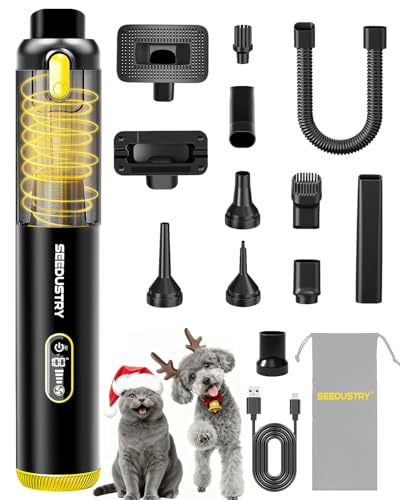
This guide covers the complete topic of wet debris vacuuming, explaining when to vacuum, what equipment to use, and how to handle various wet contamination scenarios appropriately.
Key Takeaways
- Standard dry vacuums should not vacuum moisture: Water exposure risks motor damage and mold growth
- Wet-dry vacuums are designed for liquid: Proper equipment makes moisture extraction safe and effective
- Some situations benefit from drying first: Not all wet debris requires immediate wet vacuuming
- Thorough drying after wet treatment prevents mold: Moisture remaining in vacuum or vehicle causes problems
- Blotting absorbs moisture that vacuuming cannot: Absorption complements or replaces vacuum extraction for some spills
Table of Contents
Understanding Vacuum Types and Moisture
Vacuum design determines moisture handling capability. Using wrong equipment type for conditions risks equipment damage.
Standard dry vacuums use filtration and airflow paths not designed for moisture. Water entering these systems can damage motors, corrode components, and create mold growth in filter media and dust containers. These vacuums should avoid any significant moisture contact.
Wet-dry vacuums (shop vacs) are specifically designed to handle liquids safely. Their construction includes waterproof motor housings, liquid collection chambers, and appropriate filtration for wet operation. These vacuums can extract water, spills, and wet debris without damage.
Some wet-dry vacuums require filter removal for wet use. Check your specific model's instructions; using incorrect filter configuration during wet extraction may cause problems despite wet-dry capability.
Cordless vacuums vary in moisture tolerance. Most cordless units are dry-only designs; some claim wet capability. Verify your specific model's capabilities before attempting wet pickup.
Using dry vacuum on wet debris risks motor damage, mold growth, and potential electrical hazards. The savings of avoiding shop vac purchase doesn't justify equipment destruction and safety risks.
When to Vacuum Wet Debris
Immediate wet vacuuming is appropriate in specific situations where prompt extraction prevents worse problems.
Fresh liquid spills benefit from immediate extraction before absorption deepens. Coffee, soda, or other spills extracted quickly damage less than spills allowed to soak into carpet padding.
Standing water from leaks or flooding needs prompt removal to limit absorption and damage. Wet-dry vacuum extraction removes water faster than evaporation, reducing total moisture exposure.
Wet mud and tracked-in debris may vacuum better wet than dry in some cases. Wet mud that hasn't dried and hardened may extract as a unit; dried mud crumbles into harder-to-extract fine particles.
Snow melt and rain-soaked conditions create moisture that may warrant extraction if accumulation is significant. Removing puddles prevents extended moisture contact with carpet.
Combined wet and dry debris situations may call for wet-dry vacuuming that addresses both components simultaneously.
When to Wait for Drying
Some wet situations benefit from allowing drying before vacuum cleaning rather than immediate wet extraction.
Light dampness may not warrant wet vacuuming effort. Minor moisture that will dry quickly with ventilation may not justify wet-dry vacuum deployment.
Wet sand often vacuums better after drying. Wet sand clumps and sticks; dry sand releases more readily to vacuum suction.
Dried spills may vacuum more effectively than wet ones if the spill contents are primarily solid. Coffee grounds, for example, may vacuum better dry than when mixed with liquid.
Carpet that can be thoroughly dried before contamination sets may not need wet extraction. If natural drying happens before damage or staining occurs, wet vacuuming adds complexity without benefit.
When uncertain whether to wait, consider what happens if moisture remains while drying occurs. Spills that will stain or cause odor deserve immediate attention; moisture without contamination concerns may safely wait.
Proper Wet Vacuuming Technique
Wet-dry vacuuming requires specific technique for effective liquid extraction.
Configure vacuum for wet operation according to manufacturer instructions. This typically includes removing or changing filters designed for dry use only.
Work from edges toward center for spill containment. Starting at spill edges prevents spreading liquid during extraction process.
Use appropriate attachments for wet pickup. Wide nozzles cover more area; crevice tools reach into seams and tight spaces where liquid migrates.
Make multiple overlapping passes. Single passes may not extract all moisture; repeated passes improve extraction completeness.
Monitor container fill level during extended wet extraction. Wet-dry vacuums can overfill during significant water removal; empty as needed to maintain function.
Apply pressure with attachment to compress carpet and release absorbed moisture. Pressing down during extraction pulls more liquid from carpet pile and padding.
Post-Extraction Drying
Thorough drying after wet vacuuming prevents moisture problems that extraction alone doesn't eliminate.
Wet vacuuming removes bulk moisture but doesn't create perfectly dry conditions. Residual moisture in carpet, padding, and vehicle structure requires evaporative drying.
Improve ventilation to accelerate drying. Open windows and doors; run fans; use air conditioning or heat as appropriate for conditions. Air movement speeds evaporation.
Consider moisture-absorbing products for persistent dampness. Desiccants, moisture absorbers, or even baking soda can help remove residual moisture after extraction.
Monitor for mold and odor during drying period. Moisture retained in vehicle interior can promote mold growth. Musty smell indicates moisture problems requiring additional attention.
Don't assume drying is complete based on surface feel. Underlying padding and substrate may remain damp when carpet surface feels dry. Extended drying time ensures thorough moisture elimination.
Vacuum Care After Wet Use
Wet-dry vacuums require attention after wet use to prevent problems from moisture remaining in the equipment.
Empty liquid collection immediately after wet use. Leaving liquid in collection chamber promotes bacterial growth and odor development.
Rinse and dry container after liquid disposal. Residue remaining in container can create odors and contaminate future use.
Clean or replace filters used during wet operation according to manufacturer guidance. Some filters require cleaning; others may need replacement after wet use.
Allow vacuum to dry thoroughly before storage. Store with container removed or open to promote air circulation and complete drying.
Check hose and attachments for remaining moisture. Trapped liquid in hoses can create mold and odor issues; ensure all components are dry.
Alternative Moisture Handling
Vacuuming isn't always the best approach for wet situations. Alternatives may prove more appropriate for specific scenarios.
Blotting with absorbent materials handles many spills effectively. Towels, paper towels, or absorbent cloths soak up liquid without equipment needs. Blot rather than rub to avoid spreading.
Absorption products like baking soda or commercial absorbers can draw moisture from carpet. Apply, allow absorption time, then vacuum up dry residue.
Professional extraction services provide deep moisture removal exceeding consumer equipment capability. Major flooding or extensive water damage may warrant professional intervention.
Natural drying with ventilation suffices for minor moisture that won't cause damage while evaporating. Not every wet situation requires active intervention.
Steam cleaning provides both cleaning and moisture treatment for heavily contaminated wet situations. Professional steam extraction addresses contamination that simple wet vacuuming cannot.
Specific Wet Debris Scenarios
Different wet contamination types may benefit from specific handling approaches.
Coffee and beverage spills benefit from immediate blotting followed by wet extraction if significant volume, then cleaning solution treatment for staining potential.
Milk and dairy spills require thorough extraction and cleaning to prevent odor from decomposition. Temperature and time increase urgency for dairy contamination.
Mud tracked into vehicle may vacuum better wet or dry depending on mud consistency and amount. Light fresh mud often extracts well wet; heavy accumulation may need drying first.
Pet accidents require immediate extraction, enzyme treatment for odor control, and thorough drying. Biological contamination creates complications beyond simple moisture.
Rain or snow melt creating general dampness may need extraction if significant, or simply ventilation-assisted drying if minor.
Related Articles
Explore more car vacuum guides and reviews:
- Car Vacuum Cleaner Attachments Guide
- Best Cordless Car Vacuums Under $100
- Corded vs Cordless Car Vacuums: Which Type is Right for You?
- How to Vacuum Car Seats Properly
Frequently Asked Questions
Can I use my regular vacuum on wet spills?
No. Standard dry vacuums risk motor damage, mold growth, and safety hazards when exposed to moisture. Only wet-dry vacuums designed for liquid handling should be used on wet debris. Using dry vacuum on wet conditions can destroy the vacuum.
Do I need a wet-dry vacuum for car cleaning?
Wet-dry vacuum capability provides useful flexibility but isn't essential for routine dry cleaning. If you frequently encounter wet situations or want maximum versatility, wet-dry capability is valuable. For primarily dry cleaning, standard vacuum suffices.
How do I dry my car after wet vacuuming?
Improve ventilation by opening windows and doors; use fans to increase air movement; run vehicle climate system to assist drying. Continue drying until no dampness remains. This may take several hours to overnight depending on moisture level and conditions.
Should I vacuum wet sand or wait until it's dry?
Generally wait for drying. Wet sand clumps, sticks to surfaces, and is harder to extract than dry sand. Dry sand releases more readily to vacuum suction. Exception: heavy wet sand that will damage carpet if left in place may warrant wet extraction.
Can wet vacuuming damage my car interior?
Proper wet vacuuming technique is safe for automotive interiors. The concern is moisture remaining after extraction, which can cause mold and odor. Thorough drying after wet vacuuming prevents moisture-related damage.
What's the best way to handle a coffee spill in my car?
Blot immediately to absorb free liquid; wet vacuum if significant volume remains in carpet; apply cleaning solution to prevent staining; blot or extract solution; dry thoroughly. Speed matters; act quickly before coffee absorbs deeply.
How do I know if my vacuum can handle wet debris?
Check manufacturer specifications. Wet-dry or shop vac designation indicates liquid capability. Most cordless and standard dry vacuums lack wet capability. When in doubt, assume dry-only and don't risk damage from moisture.
Should I vacuum up vomit or clean it differently?
Remove solids first; wet vacuum liquids with wet-dry vacuum; clean with appropriate sanitizing solution; treat for odor; dry thoroughly. Biological contamination requires more than just extraction; sanitation and odor treatment are essential.
My carpet is still damp after wet vacuuming. Is this normal?
Yes. Wet vacuuming removes bulk moisture but doesn't create complete dryness. Residual dampness requires evaporative drying through ventilation, fans, and time. Continue drying until all moisture is eliminated to prevent mold.
Can I prevent the need for wet vacuuming?
Floor mats contain many spills; covered containers reduce spill likelihood; prompt attention to small amounts prevents larger problems. Prevention reduces wet cleaning needs, but some moisture situations are unavoidable.


