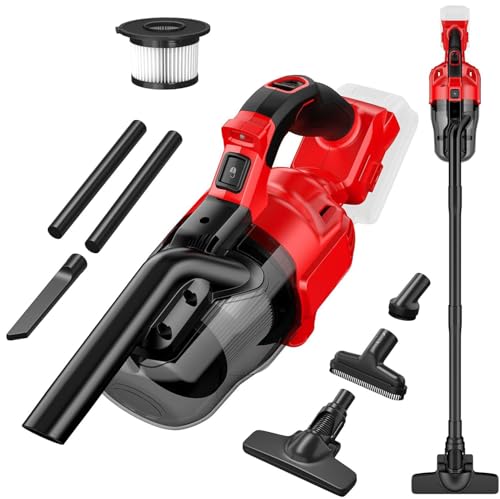
Car interior air quality depends significantly on the cleanliness of interior surfaces, particularly carpet and upholstery that can harbor dust, allergens, and particles that become airborne with air circulation and vehicle movement. Regular vacuuming removes accumulated particles that would otherwise continue circulating through the cabin air. For allergy sufferers and those sensitive to air quality, effective vacuuming is a primary tool for maintaining healthier cabin environment.

The connection between vacuuming and air quality extends beyond removing visible debris to addressing microscopic particles that affect respiratory comfort. Dust mites, pollen, pet dander, and fine dust accumulate in vehicle interiors and contribute to poor air quality even when not visible. Understanding how vacuuming contributes to better air quality helps owners prioritize this maintenance for health benefits alongside appearance.

This guide explores the relationship between vacuuming and car air quality, providing strategies for improving cabin air through effective cleaning practices.
Key Takeaways
- Carpet and upholstery harbor airborne particles: Fabric surfaces trap and release particles
- Regular vacuuming reduces particle load: Fewer particles in surfaces means fewer in air
- HEPA filtration matters for allergen-sensitive users: Vacuum filter quality affects exhaust air
- Cabin air filter works with interior cleaning: Both contribute to air quality
- Frequency affects particle accumulation: Regular cleaning prevents buildup
Table of Contents
- How Surfaces Affect Air Quality
- Common Airborne Contaminants
- Vacuuming Impact on Air Quality
- Vacuum Filtration Considerations
- For Allergy Sufferers
- Cabin Air Filter Connection
- Technique for Air Quality Benefit
- Timing and Frequency
- Additional Air Quality Measures
- Measuring Improvement
- Related Articles
- Frequently Asked Questions
How Surfaces Affect Air Quality
Understanding particle accumulation and release.
Carpet and fabric upholstery trap particles from air and foot traffic. Fabric acts as particle reservoir.
Trapped particles become airborne when disturbed. Movement, air circulation, and vibration release particles.
Accumulated particles continuously release over time. Dirty surfaces constantly contribute to airborne particles.
Hard surfaces hold fewer particles than fabric. But hard surfaces also release particles more readily.
Total particle load in interior affects ongoing air quality.
Common Airborne Contaminants
What affects car cabin air quality.
Dust and fine dirt particles from foot traffic and external air. Constantly introduced from outside.
Pollen and allergens during appropriate seasons. Enter through open windows and climate system.
Pet dander if animals ride in vehicle. Persists after pet leaves.
Mold spores if moisture issues exist. Can multiply in damp conditions.
Food particles from eating in vehicle. Organic matter can support bacterial growth.
Vacuuming Impact on Air Quality
How debris removal improves air.
Removing particles from surfaces prevents later release. Less in fabric means less becoming airborne.
Regular removal prevents accumulation. Consistent cleaning maintains lower particle load.
Deep vacuuming extracts embedded particles. Surface cleaning alone insufficient for full benefit.
Multiple passes improve particle extraction. Thoroughness matters for air quality benefit.
Effective vacuuming significantly reduces particle reservoir in interior.
Vacuum Filtration Considerations
How vacuum filter affects air during cleaning.
Standard filters may exhaust fine particles back into cabin. Capture larger debris; pass smaller particles.
HEPA filtration captures 99.97% of particles 0.3 microns and larger. Fine particles retained rather than exhausted.
Poor vacuum filtration can temporarily worsen air quality. Stirs up particles without capturing all.
Sealed filtration systems prevent air bypass. Ensures all exhaust passes through filter.
For air quality benefit, vacuum filter quality matters significantly.
For Allergy Sufferers
Specific considerations for sensitive individuals.
HEPA filtration recommended for allergen reduction. Standard filtration insufficient for allergy management.
More frequent vacuuming reduces allergen accumulation. Weekly or more often for best results.
Wear mask during vacuuming if highly sensitive. Protect from particles disturbed during cleaning.
Ventilate vehicle after vacuuming. Allow any released particles to dissipate.
Allergy management requires more aggressive cleaning approach.
Cabin Air Filter Connection
How vehicle filtration and cleaning work together.
Cabin air filter cleans incoming air through climate system. First line of defense for external particles.
Interior cleaning addresses particles already inside. Removes what has accumulated.
Both systems contribute to overall air quality. Neither alone is sufficient.
Replace cabin air filter per maintenance schedule. Clogged filter reduces effectiveness.
Clean interior and maintained filter together provide best air quality.
Technique for Air Quality Benefit
Vacuuming approach focused on particle reduction.
Thorough coverage of all fabric surfaces. Incomplete coverage leaves particle reservoirs.
Multiple passes in different directions. Different angles dislodge differently embedded particles.
Include headliner and upper surfaces. Dust settles from above as well as below.
Clean frequently rather than intensively. Prevent accumulation rather than remove heavy buildup.
Comprehensive technique maximizes air quality benefit.
Timing and Frequency
When to vacuum for air quality purposes.
Regular schedule prevents accumulation. Weekly for daily-use vehicles.
After high-pollen periods for allergy management. Remove accumulated allergens.
After transporting pets. Remove dander before it becomes embedded.
After wet or muddy conditions. Remove organic matter before mold develops.
Proactive timing prevents air quality degradation.
Additional Air Quality Measures
Complementary actions beyond vacuuming.
Cabin air filter replacement maintains climate system filtration. Don't neglect this maintenance item.
Wipe hard surfaces to remove settled dust. Vacuuming alone doesn't address all surfaces.
Address moisture issues promptly. Prevent mold growth that severely impacts air quality.
Ventilate vehicle periodically. Fresh air exchange reduces stale air accumulation.
Comprehensive approach addresses all air quality factors.
Measuring Improvement
Noticing air quality changes.
Reduced allergy symptoms during vehicle use. Less sneezing, congestion, and irritation.
Less dust visible in air when light enters vehicle. Fewer floating particles visible.
Fresher smell without artificial fragrance. Clean smell from actual cleanliness.
General sense of freshness in vehicle. Subjective but real perception of improvement.
Benefits may be subtle but meaningful for daily comfort.
Related Articles
Explore more car vacuum guides and reviews:
- Car Vacuum Cleaner Attachments Guide
- Best Cordless Car Vacuums Under $100
- Corded vs Cordless Car Vacuums: Which Type is Right for You?
- How to Vacuum Car Seats Properly
Frequently Asked Questions
Does vacuuming really improve car air quality?
Yes. Removing particles from surfaces prevents them from becoming airborne. Less accumulation in fabric means fewer particles circulating in cabin air. Effect is real, especially for fabric-heavy interiors.
Do I need HEPA vacuum for car air quality?
HEPA filtration recommended for allergy sufferers and those sensitive to air quality. Standard filtration may exhaust fine particles back into cabin. HEPA captures more of what vacuum picks up.
How often should I vacuum for air quality?
Weekly for daily-use vehicles provides good maintenance. More often during allergy season or for sensitive individuals. Consistency matters more than intensity.
Will vacuuming help my car allergies?
Can significantly help by reducing allergen load in interior. Combined with HEPA filtration and cabin air filter maintenance. Part of comprehensive allergy management strategy.
Does cabin air filter or vacuuming matter more?
Both matter. Cabin filter addresses incoming air; vacuuming addresses accumulated particles. Neither alone is sufficient. Both contribute to overall air quality.
Can vacuuming temporarily worsen air quality?
Standard filtration vacuums may temporarily disturb particles. HEPA vacuum minimizes this. Ventilate after vacuuming if concerned. Long-term benefit outweighs temporary disturbance.
What about air fresheners for air quality?
Fresheners mask odors but don't improve actual air quality. May even add chemical particles. Focus on actual cleaning rather than masking.
Should I vacuum with windows open?
Ventilation during and after vacuuming allows disturbed particles to escape. Can help especially with non-HEPA vacuum. Fresh air exchange beneficial.
Does pet hair affect car air quality?
Pet dander more than hair affects air quality. Both should be removed regularly. Pet owners benefit from more frequent vacuuming and HEPA filtration.
How do I know if car air quality is poor?
Symptoms include musty smell, allergy symptoms, visible dust in air, and general stuffy feeling. If you notice these, more aggressive cleaning may help.