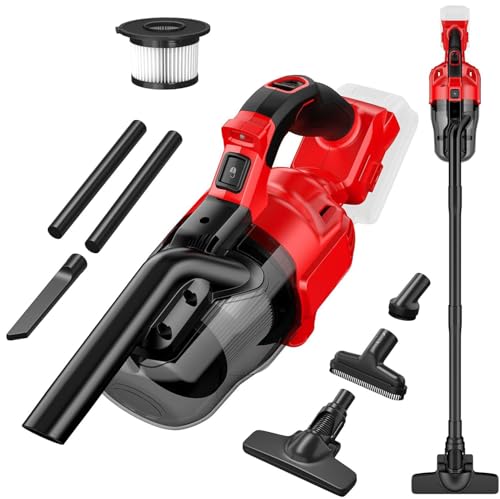
Car vacuum attachments transform a single vacuum into a versatile cleaning system capable of addressing various surfaces and tight spaces throughout vehicle interiors. The right attachments enable effective cleaning of areas that the main vacuum nozzle cannot reach or clean properly. Understanding what different attachments accomplish helps users select appropriate tools and use them effectively for comprehensive interior cleaning.

Many car vacuums come with attachment sets, but users often underutilize these tools or don't understand their optimal applications. Some attachments are essential for car cleaning while others provide convenience for specific situations. Knowing which attachments matter most and how to use them properly maximizes vacuum effectiveness and cleaning results.

This guide explains common car vacuum attachments, their purposes, and how to use them effectively for thorough interior cleaning.
Key Takeaways
- Crevice tool is essential for car cleaning: Reaches narrow gaps and seams throughout interior
- Brush attachment protects delicate surfaces: Safe cleaning for dashboard and trim
- Wide nozzle improves floor cleaning efficiency: Covers more area with each pass
- Motorized brush excels at pet hair: Powered agitation extracts embedded debris
- Attachment quality affects results: Well-designed tools perform better
Table of Contents
Crevice Tool
The essential car cleaning attachment.
Long, narrow design reaches tight spaces. Essential for between seats, along edges, and in gaps.
Standard in most vacuum attachment sets. Most important tool for car cleaning.
Length matters for reaching deep crevices. Longer tools access areas shorter tools cannot reach.
Angled versions provide better access in some situations. Different angles suit different vehicle geometries.
No substitute for proper crevice tool in vehicle cleaning.
Brush Attachment
For delicate surfaces and dust removal.
Soft bristles lift dust without scratching. Safe for dashboard, trim, and sensitive surfaces.
Agitates debris before vacuum suction extracts. Loosening improves removal.
Various sizes available for different applications. Small brush for detailed areas; larger for broad surfaces.
Natural bristles gentler than synthetic. Consider bristle type for delicate materials.
Essential for comprehensive interior cleaning beyond floor and seats.
Upholstery Tool
Designed for fabric surfaces.
Wide, flat design covers seat and carpet surfaces. Efficient for large fabric areas.
Fabric strip across opening helps prevent marking. Protects upholstery during cleaning.
Proper tool for seat cushions and backs. Better results than using main nozzle.
Some include brush elements for light agitation. Combination of suction and brushing.
Standard inclusion in most attachment sets.
Wide Floor Nozzle
For efficient carpet and floor mat cleaning.
Broader coverage means faster floor cleaning. More area per pass than narrow tools.
May include brush roller for carpet agitation. Helps extract embedded debris.
Efficient for cargo area and larger floor spaces. Reduces total cleaning time.
Not always included; may be separate purchase. Worth having for floor efficiency.
Most useful for thorough floor cleaning.
Motorized Brush
Powered attachment for challenging debris.
Spinning brush agitates fabric to dislodge debris. More effective than suction alone for embedded material.
Particularly effective for pet hair extraction. Brush action pulls hair from fabric weave.
Requires power from vacuum or separate battery. Not available on all vacuums.
Premium attachment for demanding cleaning needs. Worth investment for pet owners.
Significantly improves performance on challenging debris.
Extension Hose or Wand
For extended reach.
Adds length between vacuum and attachment. Reaches distant areas without straining.
Essential for large vehicles and cargo areas. Third row and deep trunk require extended reach.
Flexible hose navigates around obstacles. Rigid wand provides straighter reach.
Quality affects airflow and suction. Good extension maintains suction; poor extension reduces effectiveness.
Important accessory for larger vehicle interiors.
Specialty Attachments
Tools for specific applications.
Lint brush for removing hair and lint from fabric. Surface cleaning rather than deep extraction.
Turbo brush uses airflow to spin brush. Middle ground between passive and motorized.
Flexible crevice hose bends to reach awkward angles. More adaptable than rigid crevice tool.
LED-lit attachments illuminate cleaning area. Helpful for seeing debris in dark areas.
Specialty tools address specific cleaning challenges.
Using Attachments Effectively
Getting best results from your tools.
Match attachment to surface and debris type. Right tool for each cleaning task.
Don't force attachments into spaces they don't fit. Proper tool selection beats forcing wrong tool.
Keep attachments clean for best suction. Debris accumulation in attachments reduces effectiveness.
Replace worn or damaged attachments. Cracked plastic or worn bristles reduce performance.
Effective use requires appropriate selection and proper technique.
Attachment Quality Considerations
Why tool quality matters.
Tight seals maintain suction through attachment. Air leaks reduce effectiveness.
Durable construction withstands repeated use. Cheap attachments break faster.
Proper fit to vacuum connection matters. Loose connections lose suction.
Quality attachments improve cleaning results. Investment in good tools pays dividends.
Don't overlook attachment quality when evaluating vacuum systems.
Building Your Attachment Set
Assembling appropriate tools.
Start with crevice tool and brush attachment. Essential foundation for car cleaning.
Add upholstery tool for better seat cleaning. Standard useful addition.
Consider motorized brush if dealing with pet hair. Worth investment for pet owners.
Extension for large vehicles if needed. Situational but important when required.
Build set based on your specific cleaning needs.
Related Articles
Explore more car vacuum guides and reviews:
- Car Vacuum Cleaner Attachments Guide
- Best Cordless Car Vacuums Under $100
- Corded vs Cordless Car Vacuums: Which Type is Right for You?
- How to Vacuum Car Seats Properly
Frequently Asked Questions
What is the most important car vacuum attachment?
Crevice tool is most essential. Car interiors have numerous narrow spaces and gaps that only a crevice tool can effectively reach. Without it, comprehensive car cleaning is impossible.
Do I need motorized brush attachment?
For pet hair and heavily embedded debris, motorized brush provides significant advantage. For typical debris without pets, standard attachments suffice. Match tool to your cleaning challenges.
Can I use third-party attachments on my vacuum?
Often yes, if diameter matches. Check connection size. Universal attachments available for common sizes. Quality varies; research third-party options before purchasing.
Why doesn't suction work well through attachment?
Check for blockages in attachment. Ensure tight connection to vacuum. Long extensions may reduce suction. Some attachments restrict airflow by design.
How do I clean vacuum attachments?
Remove debris accumulation regularly. Wash plastic attachments periodically. Dry completely before storing. Clean brush bristles to remove wrapped hair.
What brush attachment should I use on leather?
Soft natural bristle brush. Avoid stiff synthetic bristles that could scratch. Gentle brushing with appropriate bristle type is safe for leather.
Do more expensive attachments work better?
Quality often correlates with price. Better seals, materials, and design improve performance. However, expensive isn't always better. Research specific products.
How many attachments do I really need?
Crevice tool and brush attachment are essential. Upholstery tool adds value. Beyond that depends on specific needs. Three to four quality attachments cover most car cleaning.
What about flexible hose attachments?
Flexible extensions help reach awkward areas. Useful for unusual vehicle geometries. May slightly reduce suction compared to rigid attachments. Situationally valuable.
Should I store attachments with vacuum?
Yes, together for easy access. Many vacuums have onboard attachment storage. Keeping tools together encourages their use. Lost attachments can't help clean.