When car vacuums reach end of life, proper disposal prevents environmental harm and may enable recovery of valuable materials. Vacuums contain electronic components, batteries, plastics, and metals that require appropriate handling rather than simply discarding in regular trash. Understanding disposal options helps owners responsibly manage end-of-life vacuum equipment while potentially recovering some value from recyclable components.

Environmental regulations in many areas restrict disposal of electronics and batteries in regular waste streams. Improper disposal can result in penalties while also contributing to environmental contamination. Knowing proper channels for vacuum disposal and recycling helps owners comply with regulations while supporting responsible environmental practices.
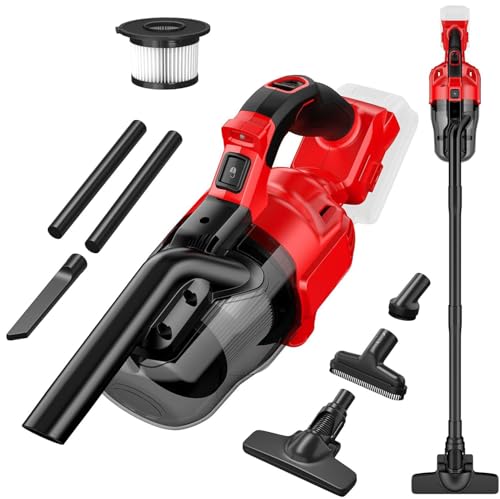
This guide covers disposal and recycling options for car vacuums at end of life, including handling of batteries, electronics, and other components.
Key Takeaways
- Batteries require special disposal: Don't put in regular trash
- Electronics recycling programs accept vacuums: Check local e-waste options
- Some components have recycling value: Metals and plastics may be recoverable
- Manufacturer programs may accept returns: Some brands offer take-back options
- Local regulations vary: Check area requirements for electronics disposal
Table of Contents
Battery Disposal Requirements
Proper handling of cordless vacuum batteries.
Lithium-ion batteries require special disposal. Fire hazard and environmental concern from improper disposal.
Many retailers accept batteries for recycling. Electronics stores and home improvement stores often participate.
Municipal hazardous waste programs accept batteries. Check local program for drop-off locations and schedules.
Remove battery from vacuum before disposal if possible. Separate battery enables proper handling of each component.
Never put batteries in regular trash or recycling. Improper disposal creates fire risk and contamination.
Electronics Recycling Programs
Options for recycling vacuum electronics.
E-waste recycling programs accept small appliances including vacuums. Check local program details.
Municipal recycling programs may include electronics. Community drop-off events or facilities.
Retail take-back programs at electronics and appliance stores. Some retailers accept electronics for recycling.
Certified e-waste recyclers ensure proper handling. Certification indicates responsible processing.
Electronics contain materials that can be recovered and hazardous materials that need proper handling.
Manufacturer Programs
Brand-specific recycling options.
Some vacuum manufacturers offer take-back programs. Return old products for recycling.
Check manufacturer website for recycling information. Programs vary by brand.
Trade-in programs may offer discount on new purchase. Exchange old for credit toward replacement.
Warranty returns may include disposal component. Defective products returned under warranty.
Manufacturer programs ensure brand-appropriate recycling.
Component Separation
Breaking down vacuum for appropriate disposal paths.
Batteries separated for battery recycling. Remove and route to battery program.
Electronic components to e-waste recycling. Motor, circuit boards, and wiring.
Plastic components may be recyclable. Check local plastics recycling acceptance.
Metal components often recyclable. Motors contain copper and other metals.
Filters should be disposed according to material type.
Local Regulations
Understanding area-specific requirements.
Electronics disposal regulations vary by location. Some areas require special handling.
Battery disposal may be regulated locally. Check specific requirements for your area.
Penalties may apply for improper disposal. Compliance avoids fines.
Municipal programs provide compliant disposal channels. Use designated programs.
Check local environmental or waste management authority for requirements.
Donation Alternatives
When vacuum still has useful life.
Working vacuums may be donation candidates. Charity thrift stores may accept.
Community programs may use donated cleaning equipment. Organizations serving those in need.
Online marketplaces for free items. Give to someone who can use it.
Consider donation before disposal if vacuum still functions. Extends useful life.
Clean and check function before donating.
Repair Versus Replace Decision
When disposal becomes appropriate.
Compare repair cost to replacement cost. Uneconomical repairs warrant disposal.
Consider vacuum age and overall condition. Old vacuums may have other problems developing.
Availability of parts affects repair feasibility. Obsolete vacuums may be unrepairable.
Environmental impact of repair versus replacement. Sometimes extending life is better; sometimes replacement with efficient model is better.
Thoughtful decision balances economics and environment.
Preparing Vacuum for Disposal
Steps before recycling or discarding.
Empty and clean debris container. Remove collected material.
Remove and properly dispose of filters. Follow filter material guidelines.
Remove battery for separate disposal. Handle battery appropriately.
Check for any hazardous materials collected. Proper disposal of any concerning debris.
Preparation ensures proper handling of all components.
Environmental Considerations
Why proper disposal matters.
Electronics contain materials that contaminate if landfilled. Heavy metals and hazardous components.
Batteries pose fire risk in waste stream. Lithium batteries can ignite.
Recyclable materials lost if improperly disposed. Metals and plastics recoverable through proper recycling.
Proper disposal supports circular economy. Materials recovered and reused.
Individual responsibility contributes to collective environmental protection.
Finding Disposal Resources
Locating appropriate recycling channels.
Earth911 and similar databases list recycling locations. Search by item and location.
Municipal waste authority websites list local programs. Check city or county resources.
Retailer websites indicate take-back programs. Check where you purchased vacuum.
Manufacturer websites list brand programs. Check original manufacturer resources.
Resources exist; finding them requires some research.
Related Articles
Explore more car vacuum guides and reviews:
- Car Vacuum Cleaner Attachments Guide
- Best Cordless Car Vacuums Under $100
- Corded vs Cordless Car Vacuums: Which Type is Right for You?
- How to Vacuum Car Seats Properly
Frequently Asked Questions
Can I throw my vacuum in the trash?
Not recommended, especially for cordless vacuums with batteries. Many areas regulate electronics and battery disposal. Use appropriate recycling programs.
Where do I recycle vacuum batteries?
Many retailers accept batteries. Municipal hazardous waste programs. Dedicated battery recycling programs. Never regular trash.
Does Best Buy take vacuums for recycling?
Check current program details. Many electronics retailers accept small electronics. Policies change; verify current acceptance.
Can I recycle the whole vacuum at once?
Some e-waste programs accept complete vacuums. Others require component separation. Check program requirements.
What if my vacuum still works?
Consider donation rather than disposal. Thrift stores, community programs, or free online listings. Extend useful life rather than premature disposal.
Are vacuum filters recyclable?
Depends on filter material and local recycling acceptance. Some filters are regular trash; some may be recyclable. Check specific filter material.
Can I get money for my old vacuum?
Unlikely for most consumer vacuums. Scrap metal value may be minimal. Some trade-in programs offer store credit. Value recovery is usually modest.
What about the cord on corded vacuums?
Copper wire in cords has scrap value. Some recyclers accept cords separately. Often included with general electronics recycling.
How do I find local e-waste recycling?
Search Earth911 or similar databases. Check municipal waste authority website. Ask at electronics retailers. Community recycling events.
Is it illegal to throw away vacuums?
Regulations vary by location. Some areas require electronics recycling. Battery disposal often regulated. Check local requirements to ensure compliance.


