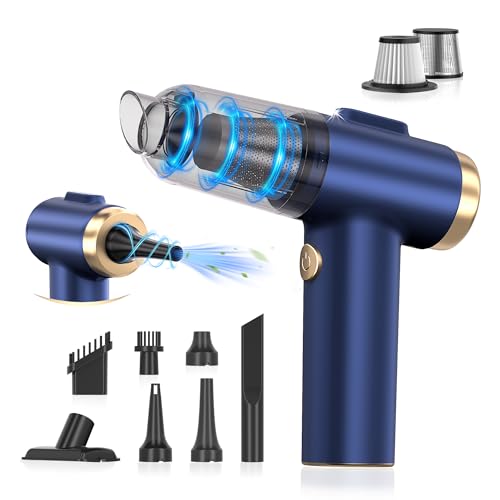
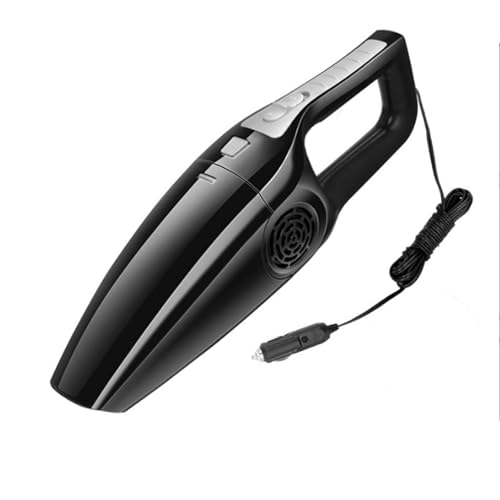
Finding a quality car vacuum under $50 doesn't mean settling for disappointing performance—the budget vacuum market has matured remarkably over recent years, with several manufacturers now delivering capable machines at genuinely accessible price points. Whether you're a first-time car vacuum buyer looking to avoid overspending, need a secondary vacuum to keep permanently in your vehicle, or simply prefer directing your budget elsewhere while still maintaining a clean interior, these affordable options provide real cleaning power without the premium price tag.

The key to success in this price range lies in understanding what budget vacuums can realistically accomplish and selecting models that excel within those parameters rather than falling short of unrealistic expectations. Budget car vacuums won't match the raw suction power of premium cordless models or the deep-cleaning capability of professional detailing equipment, but they can absolutely handle regular maintenance cleaning that keeps your vehicle's interior looking well-maintained. For many car owners, this level of capability is exactly what they need.

This guide examines the top five car vacuums under $50 based on actual user experiences, documented performance, and value relative to price. Each recommendation represents a model that has demonstrated consistent reliability and satisfaction among real buyers, not just impressive specifications on paper. Understanding what makes each option stand out—and where each has limitations—helps you choose the vacuum that best matches your specific cleaning needs and expectations.
Key Takeaways
- Budget doesn't mean disappointing: Quality options exist under $50 that genuinely perform
- Corded 12V models dominate: Power-to-price ratio favors corded options at this level
- Accessories add real value: Included attachments significantly affect practical usefulness
- Set appropriate expectations: Excellent for regular maintenance, not professional deep cleaning
- Research durability: Build quality varies considerably—user reviews reveal long-term reliability
Table of Contents
- Understanding What Budget Car Vacuums Actually Deliver
- ThisWorx Car Vacuum Cleaner
- HOTOR Car Vacuum
- VacLife Handheld Vacuum
- Armor All Wet/Dry Car Vacuum
- BLACK+DECKER Handheld Vacuum
- Choosing the Right Budget Vacuum for Your Needs
- Maximizing Your Budget Vacuum's Effectiveness
- Related Articles
- Frequently Asked Questions
Understanding What Budget Car Vacuums Actually Deliver
Setting realistic expectations before purchasing helps ensure satisfaction with your budget vacuum choice. Understanding both capabilities and limitations allows you to select a model that will genuinely serve your needs rather than disappoint you by failing to meet expectations it was never designed to achieve.
Budget car vacuums in the under-$50 range excel at regular maintenance cleaning—the kind of routine upkeep that prevents debris accumulation and keeps your interior looking reasonably well-maintained between occasional deeper cleaning sessions. They handle loose debris, surface dust, crumbs, and light dirt accumulation effectively. For car owners who clean their vehicles regularly before contamination becomes severe, these vacuums provide entirely adequate performance.
Where budget vacuums typically struggle involves deeply embedded debris, heavy pet hair accumulation, and extensive contamination that has had time to work into carpet fibers and fabric upholstery. The suction power and motor capability in this price range simply cannot match what more expensive models deliver. Expecting budget vacuum performance equivalent to a $200 Dyson leads inevitably to disappointment—but expecting capable maintenance cleaning leads to satisfaction.
Build quality in this segment varies more than at higher price points. Some manufacturers prioritize durability and longevity; others emphasize low purchase price at the expense of service life. User reviews provide the best insight into real-world durability since manufacturer specifications rarely reveal build quality honestly. Models with thousands of positive reviews accumulated over several years demonstrate proven reliability that newer or less-reviewed options cannot yet match.
Most budget car vacuums in this range use 12V power from your vehicle's accessory outlet rather than rechargeable batteries. This design choice makes sense economically—quality lithium-ion batteries add significant cost that would push prices above $50. The corded approach provides unlimited runtime and consistent power, though it does limit mobility to your cord length and requires your vehicle to be accessible.
ThisWorx Car Vacuum Cleaner
The ThisWorx Car Vacuum has established itself as the consistent bestseller in the budget car vacuum category, accumulating tens of thousands of reviews that provide extensive real-world feedback about its capabilities and limitations. This level of market presence reflects genuine user satisfaction rather than marketing success—products that consistently disappoint don't sustain bestseller status over multiple years.
The vacuum's 106W motor generates suction that users consistently describe as surprisingly strong for the price point. While objective power specifications vary in their measurement methodology across brands, the practical reality reported by users is that the ThisWorx effectively handles typical car cleaning tasks including loose debris, dust accumulation, food crumbs, and light dirt. The suction proves adequate for regular maintenance cleaning of vehicles that receive attention before contamination becomes severe.
The 16-foot power cord provides genuinely useful reach that allows cleaning most vehicles without repositioning the power connection. This cord length exceeds what many competing models offer and proves particularly valuable for SUVs, trucks, and larger vehicles where shorter cords force awkward cleaning patterns or multiple repositioning stops. The generous cord length represents a practical advantage that affects day-to-day usability.
An integrated LED light illuminates dark areas during cleaning—a feature that might seem gimmicky but users consistently cite as genuinely useful. Under seats, in footwells, and in other shadowed areas where debris accumulates, the built-in illumination reveals contamination that would otherwise go unnoticed. This practical feature helps achieve more thorough cleaning results without requiring a separate flashlight.
The washable HEPA filter provides ongoing filtration without recurring filter replacement costs. Regular filter cleaning maintains suction performance and extends the vacuum's useful service life. Users report the filter washes easily and survives multiple cleaning cycles without degradation, though eventual replacement after extended use is normal for any washable filter.
Common concerns among ThisWorx users include heat buildup during extended continuous use and the relatively small dust container that requires frequent emptying during thorough cleaning sessions. Neither issue prevents effective cleaning, but awareness helps set appropriate expectations. Taking brief breaks during extended cleaning allows the motor to cool, and keeping a trash receptacle nearby makes frequent emptying convenient rather than interruptive.
The ThisWorx typically retails between $30-35, positioning it at the higher end of true budget options but still well under the $50 threshold. The price reflects the quality and features that have made it the category leader. For buyers willing to spend toward the upper end of the budget range, the ThisWorx represents the safest choice backed by the most extensive positive user feedback.
HOTOR Car Vacuum
The HOTOR Car Vacuum competes directly with the ThisWorx for budget category leadership, offering similar core capabilities at a slightly lower price point that appeals to the most cost-conscious buyers. User reviews in substantial numbers indicate genuine satisfaction that reflects real-world performance rather than just marketing effectiveness.
Motor power specifications in this category often lack standardization that would allow direct comparison, but user feedback consistently describes the HOTOR's suction as adequate for typical car cleaning needs. The practical reality for most buyers is that both the HOTOR and ThisWorx handle similar cleaning tasks effectively—the differences between them matter less than the substantial gap between either model and premium vacuums.
The HOTOR's 16.4-foot cord slightly exceeds the ThisWorx cord length, providing marginally better reach that proves useful in larger vehicles. This minor advantage won't drive most purchasing decisions but demonstrates that the HOTOR competes favorably on practical specifications rather than cutting corners to achieve its lower price.
HEPA filtration captures fine particles that simpler filtration systems miss, and the HOTOR's washable filter design eliminates ongoing replacement costs. Filter maintenance requirements parallel those of competing models—regular cleaning maintains performance while neglecting filter care degrades suction over time regardless of brand.
The attachment selection included with the HOTOR provides reasonable versatility for different cleaning situations. Crevice tools reach into tight spaces, brush attachments help with upholstery cleaning, and the standard nozzle handles general debris pickup. Attachment quality at this price point is adequate rather than premium, but the included accessories enable more thorough cleaning than the vacuum body alone would allow.
User-reported concerns center on durability questions for some units and filter maintenance requirements that affect long-term performance. The slightly lower price compared to the ThisWorx may reflect marginally reduced quality control or material costs, though many users report entirely satisfactory service life. The substantial positive review volume suggests that quality issues affect a minority of units rather than representing systematic problems.
Priced typically between $25-30, the HOTOR offers genuine savings compared to the ThisWorx while delivering comparable practical capability. For buyers prioritizing minimum cost over maximum proven track record, the HOTOR represents an attractive option that many users find entirely satisfactory.
VacLife Handheld Vacuum
The VacLife Handheld Vacuum occupies similar market space to the HOTOR, competing on value while offering performance that users generally describe as meeting expectations for budget car cleaning. The model has accumulated sufficient positive reviews to indicate reliable baseline satisfaction among buyers who understand what budget vacuums can realistically deliver.
Portability receives frequent mention in VacLife user feedback, suggesting the design emphasizes compact convenience that some competitors sacrifice for marginally more power. For buyers who value easy storage—keeping the vacuum permanently in the vehicle, for instance—the VacLife's form factor may represent a meaningful advantage worth the trade-off of any minor power difference.
The 16-foot cord matches the most common length in this category, providing adequate reach for most vehicles without distinguishing itself as notably better or worse than competitors. Cord management during storage affects how conveniently the vacuum lives in your vehicle between uses; user feedback suggests the VacLife's cord handling is typical for the category rather than notably good or problematic.
HEPA filtration and washable filter design parallel competing models' approaches to balancing air quality with ongoing cost considerations. The filter technology doesn't distinguish the VacLife from alternatives but does meet reasonable expectations for modern vacuum design that captures fine particles effectively.
Practical suction capability handles typical maintenance cleaning tasks adequately according to user reports. The VacLife won't outperform similarly-priced competitors on raw power, but it doesn't underperform either. For buyers not seeking maximum capability within the budget segment, the VacLife provides satisfactory cleaning performance at an accessible price.
Priced typically between $25-30, the VacLife competes directly with the HOTOR and other value-oriented options. Selection between these similarly-positioned models often comes down to availability, current pricing, and personal preference rather than significant performance differences that would clearly favor one over another.
Armor All Wet/Dry Car Vacuum
The Armor All brand carries recognition from its long presence in the automotive care market, and the company's wet/dry car vacuum offers unique capability in the budget segment that distinguishes it from dry-only competitors. The ability to handle small liquid spills and wet debris addresses cleaning situations where standard vacuums simply cannot help.
Wet/dry capability at this price point involves compromises that buyers should understand before purchasing. The vacuum handles small liquid amounts—minor spills, melted ice, condensation accumulation—but isn't designed for significant water extraction that true wet/dry shop vacuums perform. Understanding these limitations prevents disappointment while still benefiting from capability that dry-only vacuums completely lack.
For dry debris cleaning, the Armor All performs comparably to single-purpose competitors. Users shouldn't expect the wet/dry capability to come at the expense of normal vacuuming performance; rather, it adds versatility without sacrificing core functionality. The vacuum handles typical dust, debris, and crumb cleanup effectively while additionally addressing minor wet messes.
The shorter 10-foot cord represents a notable limitation compared to competitors offering 16+ feet of reach. This reduced cord length requires more frequent repositioning during cleaning and may prove frustrating in larger vehicles where the cord simply cannot reach all areas from a single connection point. Buyers prioritizing cord length should consider whether the wet/dry capability justifies accepting reduced reach.
Brand recognition provides some confidence in product support and warranty service that lesser-known brands may not match. Armor All has maintained market presence long enough that parts availability and customer service infrastructure exist, whereas newer brands entering the budget vacuum market may lack established support systems.
Priced typically between $20-25, the Armor All represents the lowest-cost option in this roundup while offering unique wet/dry capability. For buyers who anticipate occasional wet debris situations—spilled drinks, tracked-in rain water, condensation issues—the added versatility may justify accepting the shorter cord length and less-proven user feedback volume compared to category leaders.
BLACK+DECKER Handheld Vacuum
BLACK+DECKER brings established brand heritage and broad distribution to the budget car vacuum market, offering options that leverage the company's extensive experience with small household appliances. The brand's presence in major retailers provides purchasing convenience and return/exchange accessibility that online-only brands cannot match.
Cyclonic action technology, found in some BLACK+DECKER models in this price range, helps maintain suction as the dust container fills—a meaningful capability difference from simpler filtration systems that lose suction progressively during cleaning sessions. This technology originated in premium vacuums and has migrated down-market as patent protections expired and manufacturing costs decreased.
Build quality tends to meet the expectations associated with an established appliance brand. While BLACK+DECKER produces products at various quality tiers, the company's reputation depends on adequate reliability that some newer market entrants haven't yet proven. This doesn't guarantee exceptional durability, but it does suggest quality control systems that reduce the likelihood of obviously defective units.
Availability through major retailers—home improvement stores, big-box retailers, department stores—provides purchasing convenience and straightforward returns if problems occur. The ability to examine products physically before purchase and return them easily to nearby stores offers advantages that online-only purchasing cannot match for buyers who value these conveniences.
Multiple BLACK+DECKER models fall within the budget price range, varying in specific features and capability. Some emphasize compact portability while others prioritize maximum power within the form factor. Reviewing specific model specifications and user feedback helps identify which variant best matches your particular priorities.
Pricing typically ranges from $35-45 depending on the specific model, positioning BLACK+DECKER at the upper end of the budget segment where it competes with the ThisWorx and approaches the threshold beyond which vacuums no longer qualify as budget options. The premium over value-oriented competitors reflects brand infrastructure costs and retail distribution margins as much as product capability differences.
Choosing the Right Budget Vacuum for Your Needs
With multiple capable options in the under-$50 range, selecting the best choice for your situation depends on prioritizing factors that matter most to you. No single model dominates across all criteria—each excels in some areas while accepting compromises elsewhere.
For buyers prioritizing proven reliability with the strongest positive review history, the ThisWorx represents the safest choice. Its market leadership reflects genuine user satisfaction accumulated over years of sales volume. The slightly higher price compared to pure value options buys confidence in a product that has proven itself extensively.
For buyers prioritizing minimum cost while accepting slightly less extensive track record, the HOTOR and VacLife offer genuine savings while delivering comparable practical capability. The modest price difference compared to category leaders may or may not prove meaningful depending on your budget sensitivity.
For buyers who anticipate needing wet/dry capability for occasional liquid cleanup, the Armor All's unique versatility addresses situations where dry-only vacuums simply cannot help. The shorter cord length represents a meaningful compromise, but for some users the added capability justifies accepting reduced reach.
For buyers prioritizing brand recognition and retail purchasing convenience, BLACK+DECKER offers established heritage and broad availability that provides confidence and easy returns. The higher price reflects distribution infrastructure rather than proportionally better performance, but some buyers reasonably value these conveniences.
Regardless of which model you select, success with budget car vacuums depends largely on appropriate expectations. Regular maintenance cleaning before contamination becomes severe falls squarely within these vacuums' capabilities. Expecting them to substitute for professional detailing or match premium vacuum performance leads to inevitable disappointment that reflects unrealistic expectations rather than product failure.
Maximizing Your Budget Vacuum's Effectiveness
Getting the best results from any budget car vacuum involves techniques and practices that work with the equipment's capabilities rather than demanding performance it cannot deliver. These approaches help budget vacuums achieve their full potential within realistic limitations.
Clean frequently rather than waiting for heavy contamination to accumulate. Budget vacuums handle light to moderate debris effectively but struggle with severe accumulation that challenges even premium equipment. Weekly or bi-weekly cleaning prevents the buildup that pushes beyond what budget equipment can address, keeping your vehicle consistently clean rather than cycling between dirty and clean states.
Maintain the filter regularly to preserve suction performance. All vacuums lose suction as filters become clogged, but budget vacuums often have less powerful motors that show degradation more noticeably. Checking and cleaning the filter before each cleaning session takes seconds and ensures you're working with maximum available suction.
Empty the dust container frequently during cleaning sessions. Budget vacuums typically have smaller containers that fill quickly, and continued use after the container fills reduces suction and risks debris escaping back into the vehicle. Quick emptying when the container reaches approximately two-thirds full maintains cleaning effectiveness throughout the session.
Work systematically through the vehicle rather than randomly attacking visible debris. Starting from the top and working down ensures debris knocked loose from upper surfaces falls onto areas not yet cleaned. Completing one area thoroughly before moving to the next provides better results than scattered attention that leaves some areas only partially cleaned.
Use included attachments for their intended purposes. Crevice tools reach into tight spaces; brush attachments help lift debris from fabric surfaces. Using the right attachment for each situation improves results beyond what the main nozzle alone can achieve.
Related Articles
Explore more car vacuum guides and reviews:
- Car Vacuum Cleaner Attachments Guide
- Corded vs Cordless Car Vacuums: Which Type is Right for You?
- ThisWorx Car Vacuum Review
- How to Vacuum Car Seats Properly
Frequently Asked Questions
Are budget car vacuums actually worth buying?
Yes, for appropriate uses. Budget car vacuums under $50 effectively handle regular maintenance cleaning—dust, loose debris, crumbs, and light dirt accumulation. They won't match premium vacuum performance for deep cleaning or heavy contamination, but for keeping a reasonably maintained vehicle clean between occasional deeper cleaning sessions, budget options provide genuine value. Understanding their capabilities and limitations determines satisfaction.
What's the most important feature in a budget car vacuum?
Adequate suction power matters most since it directly determines cleaning effectiveness. Beyond that threshold of acceptable suction, cord length significantly affects practical usability—vacuums with 15+ foot cords reach most areas of most vehicles without repositioning, while shorter cords require frustrating interruptions during cleaning. Filter quality affects both air quality and suction maintenance over time.
Should I get a corded or cordless vacuum under $50?
Corded 12V vacuums dominate the under-$50 segment because quality lithium-ion batteries add significant cost. Cordless options in this price range typically have weak batteries with limited runtime and power. For most buyers, accepting the cord in exchange for adequate power and unlimited runtime makes more sense than compromising capability for cordless convenience.
How long do budget car vacuums typically last?
Service life varies considerably based on build quality, usage patterns, and maintenance attention. Well-reviewed models like the ThisWorx commonly provide 2-3+ years of regular use with proper care. Lesser models may fail sooner. Regular filter cleaning and avoiding overheating through extended continuous use helps maximize lifespan regardless of model.
Can budget car vacuums handle pet hair?
Budget vacuums can remove loose pet hair from surfaces but struggle with embedded hair that has worked into fabric fibers. Regular vacuuming before hair becomes embedded provides better results than waiting for accumulation that challenges the vacuum's capability. For vehicles regularly carrying shedding pets, more powerful vacuums or specialized pet hair tools often prove worthwhile investments.
Why does my budget vacuum lose suction quickly?
Filter clogging represents the most common cause of suction loss. Check and clean the filter—it may need attention more frequently than you expect with regular use. A full dust container also reduces suction. If suction remains weak after filter cleaning and container emptying, the vacuum may have internal debris blockages or developing motor issues.
Is HEPA filtration important in a car vacuum?
HEPA filtration captures finer particles than basic filtration, improving air quality during and after vacuuming. For allergy sufferers or those concerned about dust recirculation, HEPA matters. For general cleaning where air quality is less critical, adequate basic filtration suffices. Most budget car vacuums now include HEPA filters as standard features.
Do I need wet/dry capability?
Most car owners don't encounter wet cleaning situations frequently enough to prioritize wet/dry capability. However, if you occasionally deal with spilled drinks, tracked-in rain water, or melted ice, wet/dry capability addresses situations where dry-only vacuums simply cannot help. The Armor All option in this guide offers wet/dry versatility at the cost of reduced cord length.
Should I keep a budget vacuum permanently in my car?
Many budget vacuum owners keep their vacuum in the vehicle for convenience, enabling quick cleanup whenever opportunity arises. This approach works well with compact models designed for vehicle storage. Extreme temperatures—very hot or very cold—may affect battery health in cordless models and can stress some materials over time in any vacuum, so climate-controlled storage is preferable when practical.
How do budget vacuums compare to using a shop vacuum?
Shop vacuums typically provide more powerful suction than budget car vacuums but require electrical outlets and lack the portability and convenience of 12V car vacuums. If you have garage access with a shop vacuum already available, using it for occasional deep cleaning while supplementing with a budget car vacuum for quick maintenance may provide the best of both approaches.