The car vacuum market spans from $25 budget models to $700+ premium options, creating genuine confusion about what level of investment makes sense for different buyers. Is a Dyson vacuum actually six times better than a ThisWorx model that costs one-sixth the price? Does a $300 Shark outperform a $50 BLACK+DECKER enough to justify the substantial price difference? These questions matter because the honest answer isn't simply "buy the most expensive option you can afford" or "cheap vacuums work fine for everyone." Your actual cleaning needs, usage frequency, and expectations should drive this decision rather than marketing claims or assumptions about price-performance relationships.

Understanding what you actually get at each price point—and more importantly, what you don't get—helps match investment to genuine needs rather than paying for capability you won't use or accepting limitations that will frustrate you over time. Budget vacuums genuinely work for some users and some situations while falling short for others. Premium vacuums deliver real advantages that justify their cost for appropriate buyers while representing wasted money for users who don't need what they provide.

This comprehensive comparison examines the practical differences between budget, mid-range, and premium car vacuums, analyzing where the additional investment buys meaningful capability improvements versus where it primarily buys brand prestige or features you may not actually need. The goal isn't to recommend one price tier universally but to help you identify which tier matches your specific situation and priorities.
Key Takeaways
- Premium vacuums offer real advantages: Power, runtime, and build quality genuinely differ across price tiers
- Budget vacuums work for appropriate uses: Regular maintenance cleaning of reasonably maintained vehicles
- Match investment to usage patterns: Frequent heavy use justifies premium investment more readily
- Mid-range often provides best value: Meaningful improvements over budget without premium pricing
- Features matter more than price tier: The right features for your needs beats expensive features you won't use
Table of Contents
- Understanding Price Tier Distinctions
- Suction Power: Where Price Difference Shows Most
- Runtime: Cordless Freedom Has Limits
- Build Quality and Durability Differences
- Filtration and Air Quality Considerations
- Features and Technology Differences
- Value Analysis: What Makes Sense for Different Users
- The Mid-Range Sweet Spot
- Making Your Decision
- Related Articles
- Frequently Asked Questions
Understanding Price Tier Distinctions
Before comparing performance, understanding what defines each price category helps establish realistic expectations about what different investment levels typically provide.
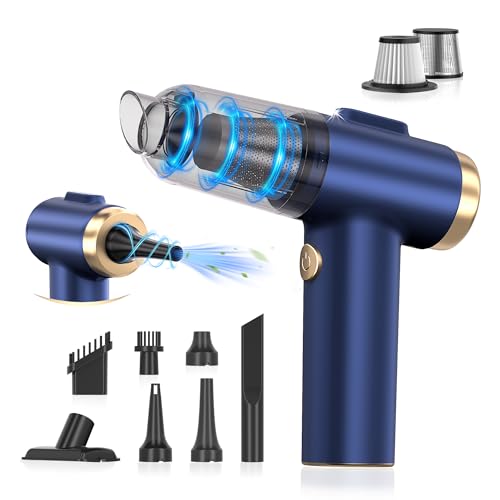
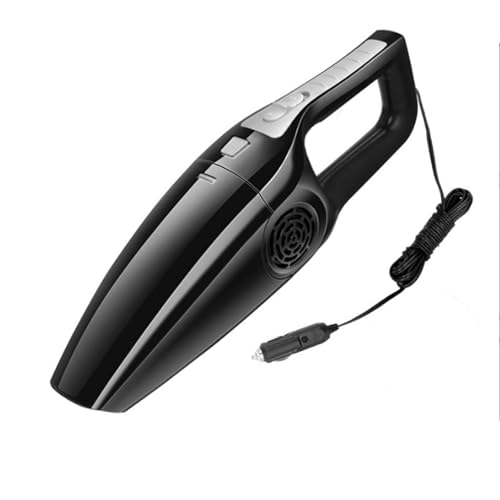
Budget car vacuums in the $25-75 range include 12V models powered through your vehicle's accessory outlet and basic cordless handhelds with smaller batteries and simpler construction. These vacuums use less expensive motors, lighter-duty materials, and simpler engineering approaches that keep costs accessible. Popular examples include ThisWorx, HOTOR, VacLife, and similar brands that have established market presence by delivering adequate basic capability at low prices.
Mid-range options spanning approximately $75-200 represent meaningful upgrades from budget tier without reaching premium pricing. This category includes quality handhelds from established brands, vacuums with better battery technology and motor capability, and products backed by brand reputations built on reliable performance. Examples include BLACK+DECKER higher-tier models, Bissell offerings, basic Shark products, and similar quality-focused options that balance capability against reasonable pricing.
Premium vacuums from $200 to $700+ incorporate top-tier cordless technology, powerful motors capable of matching or exceeding corded vacuum performance, extended runtime from advanced battery systems, and premium build quality designed for long service life. Major premium brands include Dyson, high-end Shark models, Tineco, and similar manufacturers who compete on performance and quality rather than price.
These categories represent general patterns rather than absolute rules. Some mid-range vacuums outperform some premium models in specific aspects. Some budget options punch above their price class. However, the general relationship between price and capability holds—you typically get what you pay for, though not always in linear proportion.
Suction Power: Where Price Difference Shows Most
Suction power represents the most significant and measurable difference between price tiers, directly affecting cleaning effectiveness in ways that determine whether a vacuum meets your needs or frustrates you with inadequate performance.
Budget vacuum suction typically ranges from 10-30 AW (air watts), though specifications across brands lack standardization that would enable precise comparison. This suction level proves adequate for loose surface debris, dust accumulation, crumbs, and light dirt—the material that regular maintenance cleaning primarily addresses. Budget vacuums work effectively for well-maintained vehicles cleaned frequently before significant contamination accumulates.
Where budget suction struggles involves embedded debris that has worked into carpet fibers or fabric upholstery, heavy contamination from neglected cleaning, pet hair that static electricity bonds to fabric, sand and grit that settles deep in carpet pile, and similar challenging situations requiring more powerful extraction. Users facing these cleaning challenges often find budget vacuums require multiple passes, extended cleaning time, or simply cannot achieve satisfactory results regardless of effort.
Premium vacuum suction can reach 150-230 AW in top models—dramatically more powerful than budget alternatives. This power difference translates directly to cleaning capability: embedded debris extracts more effectively, pet hair releases from fabric more readily, heavy contamination yields to single passes rather than repeated attempts, and overall cleaning time decreases while results improve.
Mid-range vacuums typically produce 30-75 AW, falling between budget and premium capabilities. This intermediate suction level handles more challenging situations than budget vacuums while costing substantially less than premium alternatives. For many users, mid-range suction provides the capability improvement that makes meaningful difference without the premium investment that maximum capability requires.
The practical question isn't which tier produces maximum suction but whether available suction meets your specific cleaning needs. Users who clean frequently before contamination becomes significant often find budget suction adequate. Users facing heavier cleaning challenges or wanting thorough results with minimal effort typically find the additional capability of mid-range or premium options worthwhile.
Runtime: Cordless Freedom Has Limits
Battery runtime significantly affects cordless vacuum practicality, and price tier directly influences available runtime in ways that affect real-world usability.
Budget cordless vacuums typically provide 10-20 minutes of runtime, which may feel limiting for thorough vehicle cleaning but often suffices for quick maintenance sessions. The smaller batteries that keep budget vacuum costs down inherently constrain maximum runtime. Users who need extended cleaning capability from budget options may prefer 12V corded models that eliminate runtime constraints entirely, though at the cost of cord management inconvenience.
Premium cordless vacuums may provide 40-60+ minutes of runtime from larger, more advanced batteries. This extended runtime accommodates thorough cleaning of large vehicles, multiple vehicles on single charges, or combined home and car cleaning without recharging interruptions. The capability to complete any reasonable cleaning task without concern about battery depletion represents genuine practical value.
Mid-range options typically fall between these extremes, offering 20-40 minutes of runtime that exceeds budget limitations while accepting some constraint compared to premium alternatives. For many users, this intermediate runtime proves adequate for typical cleaning needs without premium battery investment.
Power mode selection affects runtime dramatically across all price tiers. Vacuums with multiple power modes typically specify runtime at lower power settings; maximum power modes reduce runtime by half or more. Budget vacuums with limited runtime on maximum power may provide adequate runtime at lower power settings appropriate for lighter cleaning tasks.
Battery longevity over years of use differs between price tiers as well. Premium batteries often maintain capacity longer through higher-quality cells and better charge management. Budget batteries may degrade more quickly, reducing practical runtime within a few years. This long-term perspective affects total cost of ownership beyond initial purchase price.
Build Quality and Durability Differences
The materials, construction, and engineering that determine long-term durability vary considerably across price tiers, affecting how long your vacuum remains functional and effective.
Budget vacuums typically use lighter-weight plastics, smaller motors with shorter expected lifespans, simpler filtration systems, and generally less refined construction. These cost-saving choices enable low prices but may result in earlier failure, declining performance over time, or breakage from normal use stress that more robust construction would survive. Some budget vacuums provide surprisingly good durability; others fail relatively quickly.
Premium vacuums invest in higher-quality materials, more durable motor designs, better sealing and filtration, and overall more robust construction. The engineering sophistication that produces superior suction power also typically produces equipment designed for extended service life. Premium vacuums often continue performing well after years of regular use when budget alternatives would have required replacement.
Warranty differences between price tiers reflect manufacturer confidence in durability. Budget vacuums commonly carry 1-year warranties; premium vacuums often provide 2-5 year coverage. The warranty itself has value, but it also signals manufacturer expectations about how long the product should last with normal use.
Repair versus replacement economics differ between tiers. Budget vacuums that fail typically cost less to replace than to repair, making them essentially disposable. Premium vacuums may justify repair costs that would exceed budget vacuum replacement prices, and manufacturers often provide replacement parts and service support that extends product lifespan beyond what disposable products can achieve.
The long-term cost calculation sometimes favors premium investment even when initial prices seem high. A premium vacuum lasting 8-10 years may cost less per year of service than budget vacuums replaced every 2-3 years. However, this calculation assumes the premium vacuum survives to reach its potential lifespan—something only time and use actually demonstrate.
Filtration and Air Quality Considerations
Filtration technology affects both cleaning effectiveness and air quality during use, with meaningful differences between price tiers that matter particularly for allergy sufferers and health-conscious users.
Budget vacuums typically use basic filtration that captures visible debris but may allow fine dust and allergens to pass through and recirculate into the air during vacuuming. This limitation affects indoor air quality during use and may leave fine particles in the vehicle interior rather than truly removing them. For users without particular sensitivity to air quality, basic filtration provides adequate practical performance.
Premium vacuums often incorporate HEPA (High-Efficiency Particulate Air) filtration certified to capture 99.97% of particles 0.3 microns and larger. This level of filtration captures the fine dust, pollen, pet dander, and allergens that basic filtration misses. For allergy sufferers, asthma patients, or anyone concerned about air quality, HEPA filtration provides meaningful health benefits that may justify premium investment independently of other capability differences.
Sealed system design affects filtration effectiveness regardless of filter specification. Premium vacuums typically seal better, ensuring all air actually passes through the filtration system rather than leaking around it. Budget vacuums with nominal HEPA filters may leak air around poorly sealed connections, reducing actual filtration effectiveness below what specifications suggest.
Filter maintenance requirements vary between tiers. Washable filters reduce ongoing costs but require regular cleaning to maintain effectiveness. Premium vacuums sometimes use disposable filters that maintain consistent performance but create ongoing replacement costs. Understanding the maintenance approach and associated costs helps evaluate total ownership cost beyond purchase price.
Features and Technology Differences
Beyond core performance metrics, premium vacuums often include features and technology that budget options lack. Evaluating whether these additions provide value for your specific use helps determine whether premium features justify their cost.
Anti-tangle brush technology, found in many premium vacuums, prevents hair from wrapping around brush rolls and degrading performance. For pet owners or anyone who regularly vacuums hair, this feature provides genuine practical benefit by reducing maintenance and maintaining consistent brush effectiveness. Budget vacuums typically require manual hair removal from brush rolls after use.
Multiple power modes in premium vacuums allow matching suction to cleaning requirements, preserving runtime for lighter tasks while providing maximum power when needed. Budget vacuums often have single power settings that may be inadequate for heavy cleaning or drain batteries quickly during light maintenance.
LED illumination reveals debris in dark areas during cleaning, helping identify overlooked contamination and confirming when cleaning has achieved thorough results. While seemingly minor, this feature proves genuinely useful in automotive cleaning where shadows under seats and in footwells hide debris from view.
Smart features in top-tier premiums may include dust detection that reveals particles invisible to the eye, automatic power adjustment based on debris level, or connectivity features that track maintenance needs. These advanced capabilities provide value for some users while representing unnecessary complexity for others.
The feature evaluation question isn't whether premium features are impressive but whether they address your actual needs. Anti-tangle technology matters if you vacuum pet hair frequently; it provides no value if you don't. Multiple power modes matter if you want to optimize runtime for different tasks; they matter less if you always use maximum power anyway.
Value Analysis: What Makes Sense for Different Users
Rather than declaring one price tier universally superior, matching vacuum investment to actual user needs and circumstances produces better outcomes than either automatically buying premium or defaulting to budget.
Budget vacuums make sense for users who clean vehicles regularly before significant contamination accumulates, face primarily light debris like dust, crumbs, and surface dirt, don't need extended runtime for large vehicles or multiple cars, aren't particularly concerned about air quality or allergies, want minimal financial investment in car cleaning equipment, and accept that the vacuum may need replacement in a few years.
Mid-range vacuums suit users who want meaningful capability improvement over budget options, face moderate cleaning challenges including some embedded debris, need reasonable but not maximum runtime for typical cleaning, appreciate better build quality and longer expected service life, and want value that balances capability against cost without either extreme.
Premium vacuums justify their investment for users who face demanding cleaning challenges including heavy debris, embedded dirt, or significant pet hair, need extended runtime for large vehicles, multiple vehicles, or combined home and car use, have family members with allergies or respiratory sensitivities benefiting from superior filtration, expect long service life that amortizes premium cost over many years, and value having the best available tool regardless of whether maximum capability is always needed.
Usage frequency significantly affects value calculations. Premium vacuum investment makes more sense for daily or weekly use than monthly cleaning. The per-use cost of a $500 vacuum used weekly over five years differs dramatically from the same vacuum used monthly. Conversely, budget vacuum limitations matter less with occasional use than frequent use that repeatedly encounters those limitations.
The Mid-Range Sweet Spot
For many car owners, mid-range vacuums in the $100-200 range provide the best balance of capability and value. Understanding why this price range often represents optimal investment helps evaluate whether it matches your situation.
Mid-range vacuums typically incorporate meaningful technology improvements over budget options—better motors, quality batteries, improved filtration, and construction that suggests reasonable durability—without the premium pricing that maximum capability commands. The capability improvement from budget to mid-range often exceeds the incremental improvement from mid-range to premium, making mid-range investment particularly efficient.
Brand options in mid-range include established manufacturers with track records for reliability. BLACK+DECKER, Bissell, and basic Shark models occupy this space, providing the assurance of company reputation and support infrastructure that budget brands may lack. This brand backing provides confidence that proved products and available support will address any issues.
The practical reality for most car owners involves cleaning situations that exceed budget vacuum optimal capability but don't require premium maximum performance. Moderate debris loads, occasional embedded dirt, reasonable pet hair levels, and typical cleaning frequency all fall within mid-range vacuum capability while straining budget options and not requiring premium investment.
For users unsure which tier fits their needs, mid-range represents a relatively safe choice that's unlikely to disappoint in either direction. It provides enough capability to handle most situations while limiting financial risk if car vacuum investment turns out to be less important to you than anticipated.
Making Your Decision
Evaluating premium versus budget car vacuums ultimately requires honest assessment of your specific situation rather than general advice that applies universally. These considerations help frame your decision appropriately.
Consider your typical cleaning needs realistically rather than worst-case scenarios that might happen occasionally. If your car stays reasonably clean with regular maintenance, budget vacuum capability may suffice despite theoretical limitations. If you regularly face significant cleaning challenges, investing in capability that addresses those challenges directly makes sense.
Factor in how long you expect to use the vacuum and how frequently. Premium vacuum investment makes more sense with high usage frequency over many years; budget options make more sense for occasional use or uncertain long-term needs.
Account for any special requirements like allergy concerns, pet hair challenges, or large vehicle size that might push you toward specific capability tiers. General advice can't address your particular circumstances as well as you can when you understand what different tiers provide.
Consider whether you might use the same vacuum for home cleaning, in which case premium or mid-range investment serves double duty that improves the value calculation compared to car-only use.
Remember that buying premium doesn't guarantee satisfaction any more than buying budget guarantees disappointment. The right choice matches your needs to available capability at appropriate cost—a balance that differs for every buyer based on circumstances that only you can fully assess.
Related Articles
Explore more car vacuum guides and reviews:
- Car Vacuum Cleaner Attachments Guide
- Corded vs Cordless Car Vacuums: Which Type is Right for You?
- ThisWorx Car Vacuum Review
- How to Vacuum Car Seats Properly
Frequently Asked Questions
Is a Dyson really worth five times the price of a budget vacuum?
For appropriate users, yes—Dyson vacuums deliver substantially more suction power, longer runtime, better filtration, and durable construction that may provide many years of excellent service. For users whose needs budget vacuums adequately address, the premium investment may exceed practical requirements. The worth depends entirely on matching capability to needs; there's no universal answer.
Will a budget vacuum damage my car interior?
Budget vacuums don't inherently damage car interiors when used appropriately. The primary limitation involves cleaning effectiveness rather than safety—budget vacuums may not clean as thoroughly or efficiently as premium options, but they won't harm your vehicle when used normally. Using any vacuum aggressively on delicate surfaces could cause damage regardless of price tier.
How long should I expect each tier to last?
Budget vacuums may last 1-3 years depending on build quality, usage frequency, and maintenance attention. Mid-range options typically survive 3-5 years with reasonable care. Premium vacuums often remain effective for 5-10+ years when maintained properly. These ranges represent general patterns; individual vacuum lifespan varies with specific circumstances.
Should I spend more to get HEPA filtration?
If you or family members have allergies, asthma, or respiratory sensitivities, HEPA filtration provides meaningful health benefits worth prioritizing. For users without particular air quality concerns, HEPA filtration provides nice-to-have improvement rather than essential capability. The value depends on your specific health situation.
Is mid-range actually better value than budget?
For most users, yes—mid-range vacuums typically provide substantial capability improvement over budget options at modest additional cost, while the incremental improvement from mid-range to premium costs more per unit of capability gained. However, if budget capability genuinely meets your needs, the additional mid-range investment provides capability you won't actually use.
Can budget vacuums handle pet hair effectively?
Budget vacuums typically struggle with embedded pet hair due to limited suction power. They can remove loose surface hair adequately but may leave embedded hair that requires more powerful extraction. For significant pet hair challenges, mid-range or premium options with stronger suction and potentially specialized pet hair features provide meaningfully better results.
Why are brand name vacuums more expensive?
Brand pricing reflects several factors: genuine investment in engineering and quality, marketing and distribution costs, customer service and warranty support infrastructure, and brand value that consumers willingly pay for. Whether the brand premium provides proportional practical value depends on whether you use the capabilities and support that justify the cost difference.
Should I buy the best I can afford or only what I need?
Buying what you need rather than maximum affordable investment usually produces better outcomes. Excess capability you don't use wastes money; inadequate capability creates frustration. Honest assessment of your actual needs, even if modest, leads to satisfaction more reliably than assuming more expensive automatically means better suited to your situation.
Do premium vacuums require more maintenance?
Not necessarily—premium vacuums often require similar maintenance to budget options (filter cleaning, dust container emptying) while being better engineered to remain effective with that maintenance. Some premium features like self-cleaning brush rolls actually reduce maintenance compared to budget vacuums lacking such features.
What if I'm not sure which tier I need?
Mid-range represents a relatively safe choice when uncertain. It provides enough capability to handle most situations while limiting financial risk. Alternatively, starting with budget and upgrading if you encounter limitations provides hands-on experience with what you actually need, though it may cost more total than choosing appropriately initially.