When shopping for a cordless vacuum to clean your car, you'll encounter two fundamentally different designs that each approach the task differently: compact handheld units prioritizing portability and maneuverability, and longer stick vacuums typically offering more power and capacity. Understanding how these formats actually perform in automotive cleaning situations—rather than just comparing specifications—helps you select equipment that matches your specific vehicle, cleaning habits, and practical constraints like storage space and budget.

The handheld versus stick vacuum debate doesn't have a universal winner because each format genuinely excels in different circumstances. Handheld vacuums navigate tight automotive spaces more easily, store conveniently in the vehicle itself, and cost less than comparable stick models. Stick vacuums typically provide stronger suction, longer runtime, and larger dust capacity that proves valuable for thorough cleaning sessions. Your specific situation—vehicle size, cleaning frequency, available storage, and how much debris you typically encounter—determines which trade-offs serve you better.

This comprehensive comparison examines both vacuum formats specifically for car cleaning applications, covering the practical differences that affect real-world cleaning results. Beyond the obvious form factor distinction, understanding how power, runtime, attachments, ergonomics, and value compare between formats helps you make an informed choice that you'll appreciate through years of use.
Key Takeaways
- Handheld excels in tight spaces: Superior maneuverability between seats, under dashboards, and in confined areas
- Stick vacuums typically offer more power: Larger motors and batteries enable stronger suction performance
- Vehicle size affects optimal choice: SUVs and trucks may benefit from stick vacuum reach and capacity
- Storage constraints matter: Handhelds store in vehicles; stick vacuums typically need garage space
- Hybrid designs exist: Some stick vacuums include detachable handheld units providing both capabilities
Table of Contents
- Understanding What Defines Each Format
- Power and Suction Performance Compared
- Runtime and Battery Considerations
- Maneuverability in Automotive Spaces
- Dust Capacity and Maintenance
- Attachments and Accessory Options
- Storage and Portability Considerations
- Price and Value Comparison
- Hybrid Options: Best of Both Worlds?
- Making the Right Choice for Your Situation
- Related Articles
- Frequently Asked Questions
Understanding What Defines Each Format
Before comparing performance characteristics, understanding the fundamental design differences between handheld and stick vacuums explains why each format behaves differently in car cleaning situations.
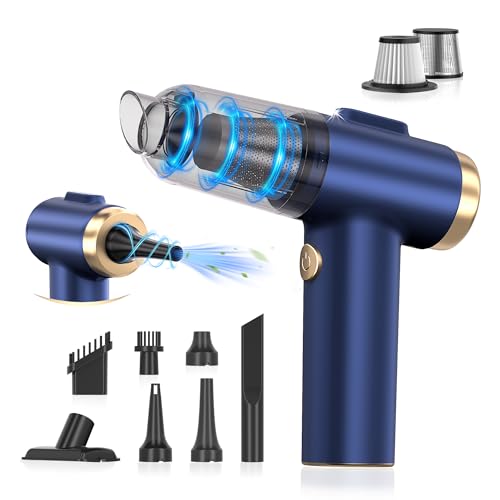
Handheld vacuums integrate all components—motor, dust container, filter, and battery—into a single compact unit that you hold entirely in one hand during operation. This consolidation creates a lightweight, maneuverable tool typically weighing under five pounds that can navigate tight spaces easily. The compact form factor limits component sizes, which affects power output and dust capacity, but enables the portability that makes handhelds so convenient for car cleaning.
Stick vacuums distribute components along an extended wand, with the motor typically located at either the handle or the cleaning head depending on the specific design. This distribution allows larger motors and batteries than compact handhelds can accommodate, translating to more power and longer runtime. The extended format provides reach advantages for floor cleaning but can feel awkward in tight automotive spaces where the length becomes a liability rather than an asset.
Hybrid designs attempt to capture both formats' advantages by creating stick vacuums with detachable handheld units. The handheld component removes from the wand for tight-space cleaning while the complete assembly handles situations where reach and power matter more. This versatility comes at higher cost and sometimes compromises—the handheld portion may be larger than dedicated handhelds, and the stick configuration may feel less refined than purpose-built stick vacuums.
The motor location in stick vacuums affects their car cleaning suitability. Handle-mounted motors place weight in your hand during use, which some users find tiring during extended sessions. Floor-mounted motors concentrate weight at the cleaning head, which works well for floor cleaning but can feel awkward when using attachments for car interior cleaning where you're reaching into the vehicle from outside.
Power and Suction Performance Compared
Suction power significantly affects cleaning effectiveness, and the format differences between handheld and stick vacuums produce meaningful performance variations that matter for car cleaning results.
Stick vacuums typically generate stronger suction than handhelds because their larger form factor accommodates more powerful motors and bigger batteries to drive them. This power advantage translates to better extraction of embedded debris, more effective pet hair removal, and generally more thorough cleaning results. When facing significant contamination or embedded dirt, stick vacuum power provides capability that most handhelds cannot match.
Handheld vacuum suction, while generally lower than stick vacuums, proves adequate for routine maintenance cleaning of reasonably maintained vehicles. The key distinction involves cleaning intensity: handhelds handle surface debris, dust, crumbs, and light accumulation effectively, but may struggle with deeply embedded contamination that stick vacuum power addresses more successfully.
Power specifications across brands lack standardization that would enable direct comparison. Different manufacturers measure and report power using different methodologies, making cross-brand comparison based on specifications unreliable. User reviews describing actual cleaning performance provide more useful comparison information than power ratings that may not reflect real-world capability accurately.
Motor technology affects power delivery characteristics. Brushless motors—increasingly common in both formats—provide more efficient power conversion, longer motor lifespan, and often quieter operation than traditional brushed motors. Premium models in both handheld and stick formats typically use brushless motors, while budget options more commonly use brushed motors that may not last as long.
The practical power question for car cleaning isn't which format produces maximum suction, but whether available suction meets your specific cleaning needs. For well-maintained vehicles cleaned regularly before significant contamination accumulates, handheld power typically suffices. For neglected vehicles, heavy debris loads, or challenging contamination like embedded pet hair, stick vacuum power provides meaningful advantages.
Runtime and Battery Considerations
Cordless operation depends entirely on battery capacity, making runtime a critical consideration that differs substantially between handheld and stick formats. Understanding realistic runtime expectations helps ensure your chosen vacuum can complete your typical cleaning sessions.
Budget handheld vacuums typically provide 10-15 minutes of runtime, which may feel limiting for thorough vehicle cleaning but often suffices for quick maintenance sessions. Premium handhelds extend runtime to 20-30 minutes through larger or more efficient batteries, providing comfortable margin for complete single-vehicle cleaning. The compact form factor inherently limits battery size, constraining maximum runtime regardless of price point.
Stick vacuums accommodate larger batteries that enable substantially longer runtimes. Budget stick vacuums typically run 20-30 minutes—comparable to premium handhelds—while premium stick vacuums may provide 40-60+ minutes of operation. This extended runtime proves valuable for thorough cleaning of larger vehicles, multi-vehicle sessions, or combined home and car cleaning on a single charge.
Power mode selection significantly affects runtime in both formats. Vacuums offering multiple suction levels typically specify runtime at lower power settings; using maximum power modes reduces runtime substantially—often by half or more. For car cleaning where maximum suction isn't always necessary, using lower power modes for light debris extends runtime for more important work requiring full power.
Charging time varies considerably across models, from around one hour for fast-charging designs to five or more hours for standard charging. If you anticipate cleaning multiple vehicles or needing the vacuum again soon after use, faster charging capability provides practical value. Longer charging times matter less for overnight charging routines but can frustrate users who need the vacuum ready quickly.
Battery degradation over time affects all rechargeable vacuums regardless of format. Lithium-ion batteries—now standard in quality cordless vacuums—maintain capacity better than older battery technologies but still lose runtime capacity over years of use. Replaceable batteries provide longer product lifespan by allowing battery replacement when capacity degrades significantly.
Maneuverability in Automotive Spaces
Car interiors present unique maneuverability challenges that affect handheld and stick vacuums very differently. The tight spaces, awkward angles, and confined areas characteristic of vehicle interiors generally favor compact handheld designs.
Handheld vacuums excel in tight automotive spaces because their compact form navigates between seats, under dashboards, into door pockets, and around console components without the length that makes stick vacuums awkward in these areas. The single-hand operation allows your other hand to move obstacles, hold attachments, or stabilize yourself while cleaning from outside the vehicle.
Between-seat cleaning—where debris accumulates but access is restricted—illustrates the handheld advantage clearly. The compact form factor fits into narrow gaps that stick vacuum wands cannot enter, enabling direct cleaning rather than relying on narrow attachments that may lack adequate suction at the cleaning point.
Under-seat cleaning presents similar advantages for handhelds. Reaching under front seats from rear seating positions or cleaning beneath rear seats requires maneuvering in confined spaces where stick vacuum length creates genuine problems. Handhelds reach these areas with natural movements that feel intuitive rather than fighting the equipment's form factor.
Stick vacuums work better in automotive situations that benefit from their reach and power. Floor mats removed from the vehicle for cleaning work well with stick vacuum floor cleaning heads. SUV and truck cargo areas with open space accommodate stick vacuum operation comfortably. Some users prefer stick vacuum reach for cleaning floor areas from outside the vehicle rather than kneeling inside.
Ergonomics during extended cleaning sessions differ significantly between formats. Handheld vacuums concentrate weight in your hand, which can cause fatigue during prolonged use. Stick vacuums distribute weight differently—handle-mounted motors create similar hand fatigue while floor-mounted motors reduce hand strain but may feel awkward during car cleaning. Neither format is universally superior for ergonomics; individual preference and specific usage patterns determine which feels more comfortable.
Dust Capacity and Maintenance
Dust container capacity affects how frequently you must interrupt cleaning to empty collected debris, and the format differences between handhelds and stick vacuums produce meaningful variations in this practical consideration.
Handheld vacuum dust containers are inherently smaller due to the compact form factor, typically holding enough debris for one vehicle cleaning session with possibly one emptying interruption for heavily soiled vehicles. The limited capacity proves adequate for routine maintenance cleaning but may frustrate users facing significant debris loads that fill the container repeatedly during a single session.
Stick vacuum dust containers generally provide larger capacity, reducing emptying frequency during extended cleaning sessions. For users cleaning multiple vehicles, tackling heavily soiled interiors, or combining car cleaning with other vacuuming tasks, the larger capacity reduces interruptions that break cleaning momentum.
Emptying mechanism design affects convenience more than capacity figures might suggest. Some vacuums empty cleanly with simple release mechanisms; others create mess when emptying or leave debris clinging to container walls. User reviews describing actual emptying experience provide better guidance than capacity specifications alone.
Filter maintenance requirements are similar between formats since both use comparable filtration approaches. Washable filters reduce ongoing costs but require regular cleaning to maintain suction performance. HEPA filtration—available in both formats—captures fine particles that standard filtration misses, benefiting users with allergies or air quality concerns.
The smaller dust containers in handhelds may require more frequent filter cleaning because the filter handles the same debris volume in less space. Compressed debris and dust can clog filters more quickly when container capacity constrains how debris settles. This represents a practical maintenance difference that format choice creates.
Attachments and Accessory Options
Attachments extend vacuum capability beyond what the main cleaning head provides, and both handheld and stick vacuums typically include or offer accessories that improve car cleaning effectiveness.
Common attachments beneficial for car cleaning include crevice tools for tight spaces and seams, brush attachments for upholstery and delicate surfaces, and extension hoses that add reach flexibility. Both formats typically include basic attachment sets, with premium models often providing more extensive accessory selections.
Stick vacuums often include more attachments because their higher price points justify more comprehensive accessory packages. The larger format also accommodates accessories designed for the stick configuration that wouldn't work with compact handhelds. However, attachment usefulness matters more than attachment quantity—a few well-designed tools outperform extensive collections of marginally useful accessories.
Motorized attachments provide powered brush agitation that improves cleaning of fabric surfaces, particularly for pet hair removal. Both handheld and stick vacuums may include motorized attachments, though they're more common in stick vacuum accessory packages. For car owners with pets, motorized brush attachments substantially improve cleaning results on seats and carpeted areas.
Attachment compatibility across vacuum models varies by manufacturer. Some manufacturers use standardized attachment connections across their product lines, allowing accessories from one vacuum to work with others. This compatibility provides value for households with multiple vacuums or users who want additional attachments beyond included selections.
Storage and Portability Considerations
Where and how you'll store your vacuum affects practical usability in ways that the handheld versus stick format decision directly influences.
Handheld vacuums offer the unique advantage of vehicle storage—their compact size allows keeping the vacuum in the car itself for convenient access whenever cleaning opportunity arises. A handheld stored in the trunk or under a seat enables immediate response to spills, quick cleanup after transporting messy items, or opportunistic cleaning while waiting. This convenience encourages more frequent cleaning that maintains vehicle appearance better than scheduled sessions alone.
Temperature extremes during vehicle storage can affect handheld vacuums, particularly battery health. Very hot summer conditions or freezing winter temperatures stress batteries and can accelerate degradation. Climate-controlled storage is preferable for battery longevity, though occasional vehicle storage doesn't immediately damage quality batteries.
Stick vacuums require dedicated storage space outside the vehicle due to their size. Wall-mounted charging docks—commonly included with stick vacuums—provide organized storage that also keeps the vacuum charged and ready. Garage storage works well for car-focused use, enabling easy access when cleaning while keeping the vacuum protected from temperature extremes.
Households using the same vacuum for both home and car cleaning may prefer stick vacuums that serve both purposes well. The home-based storage typical of stick vacuums works naturally for dual-use scenarios, though it does mean intentionally retrieving the vacuum for car cleaning rather than having it conveniently stored in the vehicle.
Price and Value Comparison
Budget considerations often influence format selection, and the price differences between handheld and stick vacuums reflect their different capabilities and manufacturing costs.
Handheld vacuums span a wide price range from budget models under $50 to premium options around $150-200. Even budget handhelds provide basic car cleaning capability, while premium handhelds offer stronger suction, longer runtime, and better build quality. The format's inherent simplicity keeps costs reasonable across the category.
Stick vacuums typically start at higher price points, with quality car-capable models generally ranging from $150-400 and premium options from major brands like Dyson exceeding $500. The larger components, more powerful motors, bigger batteries, and often more extensive accessory packages justify higher pricing while delivering capability that matches the investment.
Value assessment depends on usage patterns more than absolute price. A $50 handheld used weekly for quick car cleaning may provide better value than a $300 stick vacuum used monthly. Conversely, a household needing one vacuum for both home and car use might find the stick vacuum's versatility justifies its higher cost compared to buying separate tools.
Long-term cost considerations include replacement part availability, battery replacement pricing, and overall durability. Premium vacuums from established brands typically offer better parts availability and longer service life that may offset higher initial costs. Budget vacuums may require earlier replacement, potentially costing more over time despite lower purchase prices.
Hybrid Options: Best of Both Worlds?
Several manufacturers offer stick vacuums with detachable handheld components that attempt to provide both formats' advantages in a single product. Understanding what these hybrid designs actually deliver helps evaluate whether they represent good solutions for car cleaning needs.
The handheld component in hybrid designs typically detaches from the stick wand, creating a compact unit for tight-space cleaning while the complete assembly handles situations benefiting from stick vacuum reach and power. This flexibility genuinely addresses the format trade-offs that separate dedicated handhelds from dedicated stick vacuums.
Compromises exist in hybrid designs that purely dedicated tools avoid. The handheld component may be larger or heavier than dedicated handhelds because it must integrate with the stick system. The stick configuration may feel less refined than purpose-built stick vacuums optimized for that single form factor. These compromises may or may not matter depending on your priorities.
Popular hybrid options include models from Dyson, Shark, and other major manufacturers who have recognized the appeal of format versatility. These products typically carry premium pricing that reflects the engineering required to create effective dual-format capability.
For users who genuinely need both handheld maneuverability for car interior cleaning and stick vacuum power for other tasks, hybrid designs provide practical value despite their compromises. Users focused primarily on car cleaning may find dedicated handhelds serve their needs better at lower cost without the compromise inherent in dual-purpose designs.
Making the Right Choice for Your Situation
Selecting between handheld and stick vacuums for car cleaning depends on matching format strengths to your specific circumstances rather than identifying a universally superior option.
Handheld vacuums typically serve car cleaning better for users who clean regularly to prevent heavy accumulation, own compact or mid-size vehicles without extensive interior space, want to store the vacuum in the vehicle for convenient access, prioritize maneuverability in tight spaces over maximum power, and want to minimize cost while still achieving effective cleaning.
Stick vacuums better serve users who face significant debris loads or embedded contamination, own SUVs, trucks, or other large vehicles with extensive interior space, combine car cleaning with home vacuuming needs using one tool, prioritize power and thoroughness over compact convenience, and have appropriate storage space outside the vehicle.
Hybrid designs suit users who genuinely need both formats' capabilities, can justify the premium pricing these designs typically carry, accept the compromises inherent in dual-purpose tools, and want one tool to handle varied cleaning situations across home and vehicle.
Test driving options when possible provides valuable insight that specifications and reviews cannot fully convey. Handling different formats reveals which feels more comfortable, which seems better suited to your vehicle's specific layout, and which matches your cleaning style preferences.
Related Articles
Explore more car vacuum guides and reviews:
- Car Vacuum Cleaner Attachments Guide
- Corded vs Cordless Car Vacuums: Which Type is Right for You?
- ThisWorx Car Vacuum Review
- How to Vacuum Car Seats Properly
Frequently Asked Questions
Can a handheld vacuum really clean a car thoroughly?
Yes, handheld vacuums can clean cars thoroughly when they provide adequate suction and appropriate attachments, and when you maintain realistic expectations about their capabilities. For vehicles cleaned regularly before heavy contamination accumulates, quality handhelds deliver effective results. The limitation involves heavily soiled vehicles with deeply embedded debris where stick vacuum power would provide noticeably better extraction. Regular maintenance cleaning with a capable handheld keeps vehicles consistently clean.
Is a stick vacuum too awkward for car cleaning?
Stick vacuums can feel awkward in tight automotive spaces where their length becomes a liability rather than an asset. However, using attachments rather than the main cleaning head mitigates this issue significantly. For floor cleaning, cargo areas, and larger vehicle interiors, stick vacuums work well. Models with detachable handheld components provide the best of both approaches. The awkwardness factor depends partly on your specific vehicle's interior layout and your cleaning technique.
How much runtime do I actually need for car cleaning?
Most single-vehicle cleaning sessions require 15-25 minutes for thorough results. Quick maintenance cleaning takes 5-10 minutes. Budget handhelds with 10-15 minutes runtime may feel limiting for thorough cleaning but work for maintenance sessions. Premium handhelds with 20-30 minutes or stick vacuums with longer runtime provide comfortable margin. Consider your typical cleaning thoroughness and whether you'll clean multiple vehicles on one charge when evaluating runtime requirements.
Should I get a vacuum specifically for my car or use my home vacuum?
This depends on your home vacuum's suitability for car cleaning. Corded home vacuums require outlet access and extension cords for car cleaning, which may be impractical. Cordless stick vacuums designed for home use often work well for cars too, particularly models with detachable handhelds. Dedicated car vacuums offer convenience of vehicle storage and car-specific design. Many households benefit from a dedicated handheld for car convenience plus a stick vacuum for home use.
Do stick vacuum attachments work well in cars?
Quality stick vacuum attachments work effectively in cars when they're designed appropriately. Crevice tools reach tight spaces regardless of the vacuum they attach to. Upholstery brushes clean seats effectively. The key factor is attachment quality and design, not the vacuum format they connect to. Some stick vacuums include car-specific attachment kits that optimize the vacuum for automotive use.
What about wet/dry capability—which format offers it?
Wet/dry capability exists in some models of both formats, though it's more common in handheld vacuums where dedicated wet/dry handhelds target car cleaning specifically. Stick vacuums with wet/dry capability are less common and typically more expensive. If you anticipate needing wet cleanup capability for spills, a dedicated wet/dry handheld may complement either a standard handheld or stick vacuum for dry cleaning.
Will a budget handheld actually work or should I spend more?
Budget handhelds can work adequately for light maintenance cleaning of reasonably maintained vehicles. They typically struggle with heavy debris loads, embedded dirt, or demanding cleaning situations. For regular quick cleaning before significant contamination accumulates, budget options provide functional capability. For thorough cleaning or challenging situations, investing in more capable equipment produces meaningfully better results that justify higher cost.
How important is suction power versus maneuverability for car cleaning?
Both matter, but their relative importance depends on your specific cleaning challenges. For tight spaces, seams, and areas where access is limited, maneuverability determines whether you can reach debris at all—suction power becomes irrelevant if the vacuum can't access the contamination. For accessible surfaces with embedded debris, suction power determines extraction effectiveness. Most car cleaning involves both situations, which is why format choice involves trade-offs rather than clear superiority.
Can I use a stick vacuum's handheld component as my primary car vacuum?
Yes, many users do exactly this with hybrid stick vacuum designs. The handheld component provides the maneuverability needed for car interior cleaning while the complete assembly handles home floors. The handheld portion may be larger than dedicated handhelds and may not store as conveniently in the vehicle, but it provides functional capability for car cleaning while allowing the stick configuration for other uses.
What's the best option for cleaning multiple vehicles?
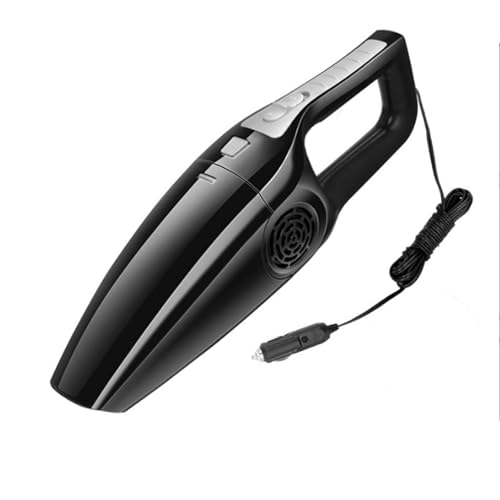
For multiple vehicles, runtime becomes the critical factor. Stick vacuums with longer runtime can clean multiple vehicles on a single charge, while handhelds may require mid-session recharging. Corded 12V vacuums that plug into vehicle outlets provide unlimited runtime that handles any number of vehicles sequentially. If cleaning multiple vehicles regularly, consider either extended-runtime cordless options or corded alternatives that eliminate battery limitations.