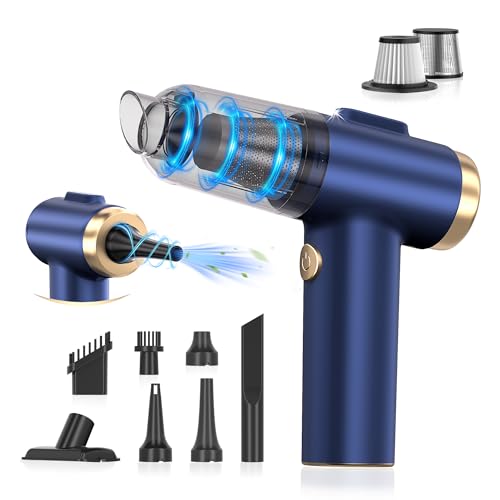
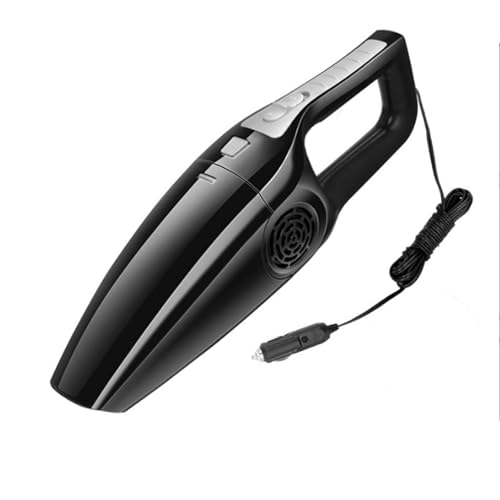
Cordless vacuums come in two primary styles: compact handheld units and longer stick vacuums. Both can clean cars effectively, but they approach the task differently. This comparison helps you understand which style fits your needs better.

Table of Contents
Design Philosophy Differences
Handheld Vacuums: Compact, self-contained units designed specifically for portable cleaning. The motor, dust container, and filtration all fit in a single hand-held body.

Stick Vacuums: Longer format designed primarily for floor cleaning with handheld capability as secondary function. Many convert between modes by removing wand attachments.
These different design priorities affect how each type performs for car cleaning specifically.
Handheld Vacuum Characteristics
Advantages for Car Cleaning
Purpose-Built Portability: Handhelds are designed for the kind of maneuvering car cleaning requires. They fit naturally into vehicle spaces without awkward positioning.
Compact Storage: The small form factor stores easily in vehicles, garages, or closets. Some can even fit in glove compartments or console storage.
Balanced Handling: Weight distribution designed for single-hand use feels natural during car cleaning movements.
Lower Cost: Dedicated handheld vacuums typically cost less than comparable stick vacuums.
For more information, check out our guide on Stick Vacuums vs Handheld for Car Cleaning.
Limitations for Car Cleaning
Limited Reach: The compact size that aids maneuverability can limit reach for back seats or trunk areas.
Smaller Capacity: Compact dust containers fill faster, requiring more frequent emptying during thorough cleaning.
Generally Less Powerful: Size constraints limit motor size and battery capacity, typically resulting in less suction than stick alternatives.
Stick Vacuum Characteristics
Advantages for Car Cleaning
Extended Reach: The longer format reaches back seats, trunks, and floor areas without uncomfortable stretching.
More Power: Larger bodies accommodate bigger motors and batteries, often providing stronger suction.
Versatility: Most stick vacuums handle both home and car cleaning, providing multi-purpose value.
Better Filtration: More space allows for more elaborate filtration systems, beneficial for allergy sufferers.
Limitations for Car Cleaning
Awkward in Tight Spaces: The length that provides reach becomes hindrance in confined car interiors.
You might also find helpful: Handheld vs Stick Vacuums for Cars: Which Works Better?.
Weight Distribution: Motor weight at handle creates fatigue during extended handheld use.
Conversion Required: Switching between stick and handheld modes takes time and attachment management.
Larger Storage: Stick vacuums require more storage space than dedicated handhelds.
Performance Comparison
Front Seat Cleaning
Handheld: Excellent. Natural movement through seat areas with easy maneuvering around console, pedals, and door pockets.
Stick (Handheld Mode): Good. Slightly awkward but manageable with practice. Extra weight causes faster fatigue.
Back Seat Cleaning
Handheld: Adequate. Reaching from front requires stretching. Entering from rear doors works better.
Stick: Good. Extended reach cleans back seats from front positions more easily.
Trunk/Cargo Area
Handheld: Challenging for large cargo areas. Limited reach requires repositioning frequently.
Related reading: 12V vs 120V Car Vacuums: Power Source Comparison Guide.
Stick: Excellent. Long reach covers large cargo areas efficiently.
Crevice and Detail Cleaning
Handheld: Excellent with appropriate attachments. Easy maneuvering into tight spots.
Stick (Handheld Mode): Good. Works but feels less nimble than dedicated handheld.
Floor Mat Cleaning
Handheld: Good for small mats. Larger mats require multiple repositioning.
Stick: Excellent. Wider cleaning heads cover mat surface area efficiently.
Runtime and Battery Considerations
Handhelds: Typically 10-30 minutes depending on model. May complete small car cleaning in single charge, but larger vehicles or thorough cleaning may exceed capacity.
Sticks: Typically 20-60 minutes. More likely to complete full vehicle cleaning without recharging. Some offer removable batteries for extended runtime.
For those cleaning multiple vehicles or preferring thorough single-session cleaning, stick vacuums' longer runtime provides advantage.
See also: Mini Car Vacuums vs Full-Size Handhelds: Size Comparison.
Cost Analysis
Budget Tier:
- Handheld: $20-50 provides functional cleaning
- Stick: $50-100 for entry-level convertible models
Mid-Range:
- Handheld: $50-100 delivers solid performance
- Stick: $100-200 for capable convertible vacuums
Premium:
- Handheld: $100-200 for specialized units
- Stick: $200-500+ for premium brands like Dyson
Handhelds offer better value for dedicated car cleaning. Sticks provide value when their home cleaning capability is also used.
Which Style for Which User
Choose Handheld If:
- Car cleaning is primary or only purpose
- You want to keep a vacuum in your vehicle
- Budget is a primary consideration
- You prefer nimble, quick-to-grab cleaning
- Storage space is limited
- Your vehicle is compact (sedan, small SUV)
Choose Stick Vacuum If:
- You want one vacuum for home and car
- Extended reach matters for your vehicle size
- Longer runtime is needed
- Maximum suction power is priority
- You have adequate storage space
- Your vehicle is large (full-size SUV, van, truck)
The Convertible Solution
Many stick vacuums convert to handheld mode by removing the wand, attempting to offer both formats. However, converted stick-to-handheld units typically:
- Feel heavier than dedicated handhelds
- Have awkward balance with weight toward handle
- Require keeping track of wand attachments
Convertibles work for occasional car cleaning but feel compromised compared to dedicated formats. Those who clean cars frequently may prefer purpose-built handhelds despite owning convertible sticks.
Our Recommendation Approach
For dedicated car cleaning: A quality handheld vacuum provides the best user experience. The purpose-built design, appropriate size, and good value make handhelds the natural choice.
For multi-purpose home/car use: A stick vacuum with handheld conversion capability provides versatility. Accept some compromise in car cleaning ergonomics for the benefit of single-purchase home coverage.
For maximum capability: Own both. A stick vacuum handles home cleaning and large vehicle areas, while a dedicated handheld lives in your car for quick maintenance cleaning.
Conclusion
Neither handheld nor stick vacuums are universally better for car cleaning. Each excels in different scenarios and for different users.
Handhelds win on portability, maneuverability, value, and purpose-built car cleaning design. Sticks win on power, runtime, reach, and multi-purpose capability.
Consider how you actually use a vacuum, where you'll store it, what vehicles you own, and whether home cleaning matters for your decision. The right choice matches your specific situation rather than following abstract superiority claims.