Car vacuums come in two main corded varieties: 12V models that plug into your car's outlet and 120V models that use standard household power. Each has distinct advantages and limitations. This guide helps you choose the right power source for your needs.

Table of Contents
Understanding the Voltage Difference
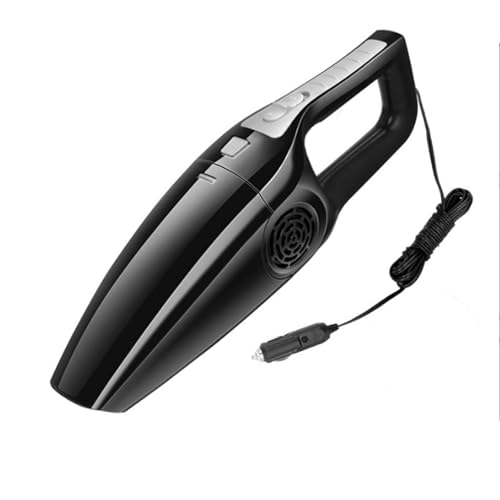
12V DC (Car Power): Direct current at 12 volts, the standard for vehicle electrical systems. Available through cigarette lighter/accessory outlets in all vehicles.

120V AC (Household Power): Alternating current at 120 volts, standard North American household power. Requires access to wall outlets or extension cords.
The voltage difference directly affects available power. Power (watts) = Voltage × Current. With limited current available from car outlets, 12V vacuums are inherently power-limited.
12V Vacuum Characteristics
Advantages
Convenience: Power source is always available where your car is. No need for outlet access or extension cords.
Portability: Clean at any location - parking lots, driveways, anywhere you can park.
Lower Cost: Generally less expensive than comparable 120V options.
For more information, check out our guide on Car Vacuum Suction Power Comparison: Budget vs Premium Models.
No Battery Concerns: Continuous power without worrying about runtime limits.
Limitations
Power Ceiling: Most car outlets are fused at 10-15 amps. At 12V, this limits power to approximately 120-180 watts maximum.
Suction Limits: Lower power means less suction than powerful 120V options.
Battery Drain: Extended use with engine off can drain your car battery.
Outlet Dependency: Some vehicles have inconveniently located outlets or outlets that don't work with engine off.
120V Vacuum Characteristics
Advantages
More Power: 120V outlets support much higher current, enabling powerful motors with strong suction.
Consistent Performance: No battery drain concerns; power remains constant.
You might also find helpful: Handheld vs Stick Vacuums for Car Cleaning: Complete Comparison.
Versatility: Many 120V vacuums work for both car and household cleaning.
Duration: Clean as long as needed without power source concerns.
Limitations
Outlet Required: Must have access to household power through outlet or extension cord.
Less Portable: Can't clean in locations without power access.
Cord Management: Long extension cords add hassle and potential trip hazards.
Higher Cost: More powerful motors typically cost more.
Suction Comparison
The power difference translates directly to suction capability:
Related reading: Mini Car Vacuums vs Full-Size Handhelds: Size Comparison.
Budget 12V Vacuums: Typically 80-120 watts. Adequate for light debris and maintenance cleaning.
Premium 12V Vacuums: Up to 180 watts at the upper limit. Better performance but still power-constrained.
120V Portable Vacuums: Often 500-1200+ watts. Significantly more suction for challenging debris.
For heavy-duty cleaning with ground-in dirt, pet hair, and serious soiling, 120V power provides meaningful advantage. For regular maintenance of reasonably clean vehicles, 12V power suffices.
Real-World Performance Differences
Numbers only tell part of the story. Here is how the power difference affects actual cleaning:
Light Debris (Crumbs, Dust, Surface Dirt)
Both 12V and 120V vacuums handle light surface debris without issue. You won't notice a meaningful difference when picking up cookie crumbs or loose dust. Either power source works fine for this level of cleaning.
Sand and Heavy Particles
Sand after beach trips reveals the power gap. While quality 12V vacuums pick up loose sand adequately, the heavier particles embedded in carpet fibers require the extra suction that 120V provides. Multiple slow passes with 12V versus quick single passes with 120V.
Pet Hair
Embedded pet hair tests suction limits. Strong 120V vacuums pull pet hair from fabric weaves more completely. Budget 12V options may leave significant hair behind, though premium 12V models perform adequately with more effort.
Ground-In Dirt
Heavily soiled carpets and floor mats favor 120V power significantly. The extra suction extracts dirt that lower-powered vacuums simply cannot reach, no matter how many passes you make.
Use Case Analysis
Choose 12V When:
- You primarily clean in locations without outlet access
- Maintenance cleaning of relatively clean vehicles
- Budget is primary concern
- You want convenient grab-and-go capability
- Portability matters more than maximum power
Choose 120V When:
- You have consistent garage outlet access
- Vehicles get heavily soiled regularly
- Pet hair is a significant challenge
- Maximum cleaning power is priority
- You want one vacuum for car and home
Hybrid Approaches
Some users benefit from having both options:
12V for Quick Cleanups: Keep in vehicle for immediate mess response anywhere.
120V for Deep Cleaning: Use at home for periodic thorough cleaning sessions.
See also: Best Cordless Car Vacuums Under $50: Budget Picks That Actually Work.
This approach costs more but provides optimal tools for different situations.
Power Inverter Option
A power inverter converts 12V car power to 120V AC, theoretically allowing 120V vacuums in your car:
Considerations:
- Inverter must handle vacuum's wattage
- Significant current draw from car electrical system
- Efficiency loss in conversion
- May require engine running
- Adds cost and complexity
This approach works but isn't practical for most users. Dedicated 12V vacuums or cordless options are simpler.
Extension Cord Considerations for 120V
If you choose a 120V vacuum for car cleaning, you'll likely need an extension cord. Here are important factors:
Cord Gauge
Vacuum motors draw significant current. Use appropriately rated extension cords to avoid voltage drop and overheating. For vacuums up to 10 amps, a 16-gauge cord works for runs under 50 feet. Higher amp draws or longer runs need 14 or 12-gauge cords.
Cord Length
Measure the distance from your nearest outdoor outlet to where you park. Add extra length for routing around obstacles. Most car cleaning scenarios need 25-50 foot cords.
Outdoor Rating
Use extension cords rated for outdoor use if cleaning in a driveway. Indoor-only cords can be damaged by moisture and temperature extremes.
Cordless Alternative
Cordless vacuums offer a third option that bypasses the voltage question:
- Clean anywhere without power concerns
- Premium cordless models match or exceed 12V suction
- Battery runtime limits cleaning duration
- Higher cost for quality performance
For many users, quality cordless vacuums provide the best combination of convenience and capability.
Cost Comparison
Understanding the full cost picture helps with decision-making:
12V Vacuums: $20-60 for most quality options. Lower upfront cost, no accessories needed.
120V Portable Vacuums: $40-150 for car-suitable models. May need to add extension cord cost ($15-40).
Cordless: $50-300 depending on quality. Batteries may need replacement after 2-4 years ($20-80).
The lowest upfront cost is 12V. The lowest long-term cost depends on usage patterns and how long each option lasts.
Recommendation Summary
For most car owners: A quality 12V vacuum or cordless handheld handles routine cleaning well. The convenience justifies any suction limitations.
For heavy-duty needs: 120V vacuums provide necessary power for challenging cleaning tasks. Accept the outlet requirement for better capability.
For maximum flexibility: A cordless vacuum provides excellent balance of power and portability without voltage concerns.
Consider your specific cleaning scenarios, available power access, and budget when choosing. All approaches can work; the best choice depends on your individual situation.