Car vacuum use involves safety considerations that users should understand to prevent injuries, equipment damage, and property hazards. While vacuuming is generally a safe activity, certain practices and situations can create risks that are easily avoided with awareness and proper technique. Understanding potential hazards helps users clean effectively while protecting themselves, their equipment, and their vehicles.

Most vacuum-related accidents result from electrical hazards, improper use of equipment, or attempting to vacuum inappropriate materials. Simple awareness of these risks and adherence to basic safety practices prevents the majority of problems. This knowledge becomes especially important when children help with cleaning or when vacuuming in unusual circumstances.
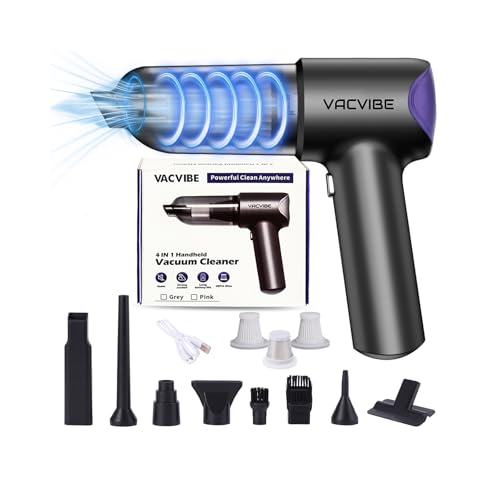
This guide covers safety considerations for car vacuum use, identifying common hazards and providing guidance for safe cleaning practices.
Key Takeaways
- Electrical safety matters with corded vacuums: Proper cord handling prevents shocks and fires
- Never vacuum liquids with dry-only vacuums: Water damage ruins equipment and creates hazards
- Some materials should not be vacuumed: Hot items, sharp objects, and hazardous materials require alternative handling
- Proper body mechanics prevent strain: Cleaning posture affects physical safety
- Child supervision needed during cleaning involvement: Appropriate oversight for young helpers
Table of Contents
Electrical Safety
Protecting against electrical hazards with corded vacuums.
Inspect cords before each use for damage, fraying, or exposed wire. Damaged cords create shock and fire risk.
Never use corded vacuum near water or in wet conditions. Water and electricity create dangerous combination.
Unplug from outlet, not by pulling cord. Pulling cord can damage connections and create hazards.
Don't run cords under rugs or through doors that might crush them. Cord damage happens gradually from pinching.
Use appropriate extension cords rated for vacuum power requirements. Undersized cords can overheat.
Water and Liquid Hazards
Understanding wet cleaning limitations.
Standard dry vacuums must never be used on liquids. Motor and electrical damage results from water exposure.
Wet-dry vacuums require proper mode configuration for liquid use. Wrong mode settings damage filters and equipment.
Let wet filters dry completely before dry vacuuming. Damp filters can develop mold and damage motor.
Large liquid spills may exceed vacuum capacity. Know your equipment's liquid handling limits.
Electrical short circuit risk exists when vacuuming liquids improperly.
Materials Not to Vacuum
Items that should not go in car vacuums.
Hot materials like cigarette ashes or recently extinguished items can ignite debris in container or damage components.
Sharp objects like broken glass or needles can damage vacuum and pose injury risk during emptying.
Large debris that could block hose or damage motor. Remove manually before vacuuming.
Flammable liquids and their residues create fire hazard. Never vacuum gasoline, solvents, or similar materials.
Fine powders like toner or drywall dust can pass through filters and damage motors.
Battery Safety for Cordless
Safe handling of vacuum batteries.
Use only manufacturer-specified chargers. Wrong chargers can damage batteries or create fire risk.
Don't charge damaged batteries. Swollen, leaking, or physically damaged batteries should be replaced.
Avoid extreme temperature exposure during charging and storage. Heat especially risks battery damage.
Don't leave charging unattended for extended periods. Discontinue charging when complete.
Dispose of old batteries properly according to local regulations. Batteries should not go in regular trash.
Physical Safety During Cleaning
Protecting yourself during vacuum use.
Use proper lifting technique when moving vacuum and supplies. Protect your back from strain.
Avoid awkward postures that strain joints. Take breaks during extended cleaning sessions.
Wear hearing protection if using loud vacuum for extended periods. Hearing damage is cumulative.
Eye protection when emptying dusty containers. Debris can become airborne during emptying.
Ventilate area if vacuuming produces significant dust exhaust.
Vehicle Safety
Protecting your car during cleaning.
Ensure vehicle is in park with engine off during interior cleaning. Prevent accidental movement.
Be careful with hard vacuum attachments near delicate surfaces. Scratching and damage from careless tool contact.
Don't vacuum near hot surfaces after vehicle operation. Burns from exhaust components if working near exterior.
Secure vehicle when cleaning with doors open. Prevent rolling if on incline.
Be aware of surroundings when focused on cleaning. Parking lot safety still matters during cleaning.
Child Safety
Supervision and safety when children help clean.
Supervise children using vacuum equipment until safe competence is demonstrated.
Teach cord safety and electrical awareness. Children may not understand electrical hazards.
Age-appropriate tasks only. Young children should not operate powerful equipment.
Keep fingers away from moving parts and suction points. Pinch and suction injuries possible.
Model safe behavior during cleaning. Children learn from observation.
Filter and Container Handling
Safe debris management.
Empty containers outdoors or over trash to avoid spreading debris indoors. Dust disperses during emptying.
Wear dust mask when cleaning extremely dirty filters. Fine dust can irritate respiratory system.
Wash hands after handling debris and filters. Allergens and contaminants transfer by contact.
Allow wet-cleaned filters to dry completely before reinstalling. Damp filters create mold risk.
Dispose of collected debris appropriately. Some materials may have special disposal requirements.
Operating Environment
Safe conditions for vacuum use.
Adequate ventilation when using vacuum in enclosed spaces. Exhaust disperses particles into air.
Appropriate temperature for battery operation. Extreme cold or heat affects battery performance and safety.
Stable footing when cleaning. Tripping over cords or equipment causes injuries.
Adequate lighting to see what you're vacuuming. Poor visibility leads to missed hazards.
Clear area of obstacles before beginning cleaning.
Storage Safety
Safe vacuum storage practices.
Store away from moisture to prevent electrical damage and mold. Dry location for all components.
Keep out of reach of young children who might play with equipment.
Cord wrapped loosely to prevent damage. Tight wrapping stresses cord.
Store attachments securely to prevent loss and damage. Falling attachments can cause injury.
Empty container before storage to prevent odors and pest attraction.
Related Articles
Explore more car vacuum guides and reviews:
- Car Vacuum Cleaner Attachments Guide
- Best Cordless Car Vacuums Under $100
- Corded vs Cordless Car Vacuums: Which Type is Right for You?
- How to Vacuum Car Seats Properly
Frequently Asked Questions
Can car vacuum cause electrical shock?
Corded vacuums with damaged cords or used near water can cause shock. Inspect cords regularly, keep away from moisture, and unplug safely. Properly maintained equipment used correctly poses minimal shock risk.
Is it safe to vacuum car while parked in garage?
Yes, with adequate ventilation. Exhaust from both vacuum and vehicle can accumulate in enclosed spaces. Open garage door or ensure ventilation. Never run vehicle engine in enclosed garage.
Can I vacuum glass from car interior?
Not recommended. Sharp glass can damage vacuum and poses injury risk during emptying. Pick up large pieces carefully, then vacuum fine particles with caution. Consider shop vacuum for glass cleanup.
What if vacuum gets wet accidentally?
Stop immediately and unplug. Do not attempt to operate. Allow to dry completely. Have inspected before using again if significant water exposure. Electrical damage may not be visible.
Is vacuum exhaust harmful to breathe?
Exhaust can contain allergens and particles. HEPA filtration reduces but doesn't eliminate exhaust particles. Ventilate cleaning area. Those with respiratory sensitivities should take extra precautions.
Can vacuum batteries catch fire?
Damaged or improperly charged batteries can present fire risk. Use proper chargers, don't charge damaged batteries, avoid extreme temperatures, and replace swollen batteries. Proper handling minimizes risk.
How do I safely vacuum hot car interior?
Wait for interior to cool before extended vacuuming. Hot surfaces can damage equipment and cause burns. Open doors to ventilate and cool before cleaning.
Can children safely use car vacuums?
With appropriate supervision and age-appropriate equipment. Teach electrical safety and proper technique. Supervise until competence is demonstrated. Young children should only assist, not operate independently.
What should I do if vacuum catches fire?
Unplug if safe to do so. Evacuate area. Call emergency services if fire cannot be safely extinguished. Do not use water on electrical fire. Have fire extinguisher accessible.
Is it safe to vacuum while car is running?
Generally not recommended. Running engine produces exhaust; cleaning with engine off is safer. If must have power for 12V vacuum, ensure adequate ventilation and never in enclosed space.


