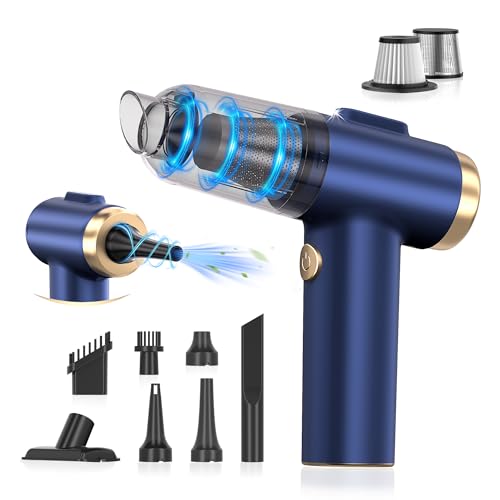
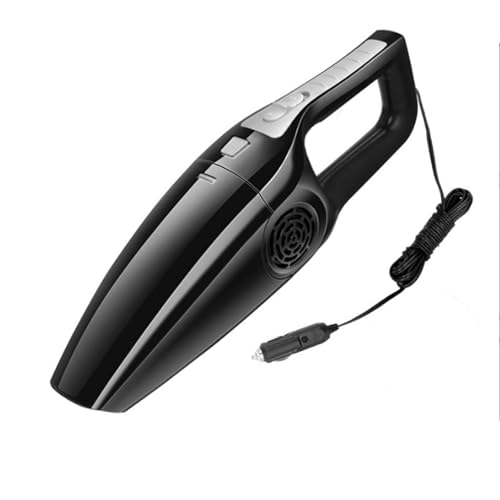
Cleaning an SUV, truck, minivan, or other large vehicle presents challenges that compact car owners simply never encounter. The extended cargo areas, third-row seating, multiple floor levels, and sheer square footage of large vehicle interiors mean your vacuum needs substantially more power, longer runtime, and better reach than typical car vacuums provide. Equipment that works perfectly for cleaning a sedan may leave you frustrated halfway through your Suburban, exhausted trying to reach the back of your Expedition, or standing with a dead battery before completing your Transit van. Understanding the specific demands that large vehicle interiors place on cleaning equipment helps you choose a vacuum that actually completes the job efficiently.

The consequences of choosing inadequately for large vehicle cleaning become apparent quickly: battery-depleted cordless vacuums leaving work incomplete, short cords that don't reach cargo areas, underpowered motors that make thorough cleaning unreasonably time-consuming. These frustrations can make large vehicle owners dread cleaning sessions that smaller vehicle owners handle easily. Selecting equipment matched to large vehicle requirements transforms a potentially frustrating chore into a manageable task with satisfying results.
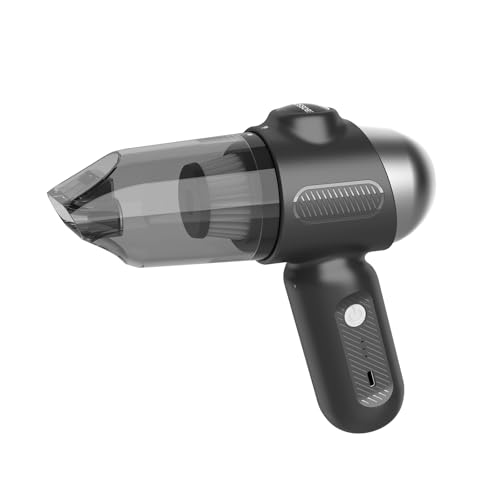
This guide examines vacuum options specifically suited for SUVs, trucks, and large vehicles, focusing on the runtime, reach, and power characteristics that matter most for these demanding cleaning situations. Whether you drive a three-row SUV, a full-size pickup, a commercial van, or any other large vehicle, these recommendations address the specific challenges your interior presents.
Key Takeaways
- Runtime is critical: Large interiors typically need 30+ minutes of battery life for complete cleaning
- Reach determines access: Extension tools and long cords enable cleaning cargo areas and third rows
- Power prevents frustration: Larger surface area requires efficient cleaning to avoid exhausting sessions
- Consider hybrid designs: Stick vacuums with detachable handhelds offer flexibility for different zones
- Cord length matters for 12V: Full-size SUVs need 15+ foot cords to reach all areas
Table of Contents
- Understanding Why Large Vehicles Demand More
- Runtime Requirements for Large Vehicle Cleaning
- Reach and Access Solutions
- Power Considerations for Efficient Cleaning
- Premium Cordless Options for Large Vehicles
- 12V Corded Options for Unlimited Runtime
- Hybrid Stick/Handheld Solutions
- Accessory Considerations for Large Vehicles
- Selecting the Right Vacuum for Your Large Vehicle
- Related Articles
- Frequently Asked Questions
Understanding Why Large Vehicles Demand More
Large vehicle interiors present fundamentally different cleaning challenges than compact cars, and understanding these differences explains why vacuum selection matters more for SUV and truck owners than it does for sedan drivers.
The floor space in a full-size SUV may exceed two to three times the area of a compact sedan. Third-row SUVs add another zone entirely. Extended cab pickups include rear seating areas that short-bed single cabs lack. This additional area directly translates to more cleaning time, more debris to remove, and more battery drain or more cord management compared to smaller vehicles.
Multiple seating rows mean multiple zones that each need attention. First-row cleaning mirrors typical car cleaning, but accessing second and third rows—particularly floor areas beneath and between seats—requires reach that standard car vacuums may not provide. Third-row floor areas in particular can be awkward to access while standing outside the vehicle, where most cleaning occurs.
Cargo areas in SUVs and trucks accumulate debris that passenger areas don't typically see. Outdoor equipment, sports gear, construction materials, landscaping supplies, pet transport, and general hauling all leave residue that requires cleaning capability beyond what light interior dust demands. The cargo area in an SUV or truck bed in a pickup may need more cleaning attention than the entire passenger compartment of a compact car.
Family use of large vehicles typically produces more debris than single-occupant commuter cars. Children in second and third rows generate snack crumbs, dropped items, and general mess. More passengers means more tracked-in dirt. The higher-frequency, higher-intensity debris accumulation in family-used large vehicles demands cleaning equipment capable of handling larger volumes efficiently.
Larger floor mats hold more dirt and require more thorough cleaning. Heavy rubber cargo mats especially accumulate sand, dirt, and debris that light-duty vacuums struggle to remove effectively. The cleaning capability that handles small mats adequately may prove frustrating when applied to substantial cargo-area mats.
Runtime Requirements for Large Vehicle Cleaning
Battery runtime represents perhaps the most critical specification for cordless vacuum selection when cleaning large vehicles. Running out of battery mid-cleaning creates frustration that adequately specced equipment completely avoids.
Thorough cleaning of a compact car typically requires 10-15 minutes. The same level of attention applied to a full-size SUV may require 30-45 minutes or more, depending on vehicle size, contamination level, and cleaning thoroughness. Third-row SUVs and extended vehicles push toward the higher end of this range; heavily used family vehicles or work trucks may exceed it.
Budget cordless vacuums with 10-15 minute runtimes simply cannot complete thorough large vehicle cleaning on a single charge. Mid-cleaning battery depletion forces choices between partial cleaning, extended breaks for recharging, or accepting incomplete results. None of these outcomes satisfies users who purchased cordless vacuums specifically for their convenience.
Effective large vehicle cleaning generally requires vacuums providing 30+ minutes of runtime to ensure comfortable completion without battery anxiety. Premium cordless vacuums offering 40-60+ minutes provide substantial margin that accommodates thorough cleaning with capacity to spare. This extended runtime represents one of the most compelling reasons large vehicle owners might consider premium vacuum investment.
Power mode selection affects runtime dramatically. Maximum power modes may provide only 10-15 minutes even in vacuums with 40+ minute stated runtimes. Large vehicle cleaning benefits from strategic power mode use: lower power for light debris and dust, maximum power reserved for heavy contamination and embedded dirt. This approach extends effective runtime while maintaining cleaning quality where it matters.
For users unwilling to invest in extended-runtime cordless vacuums, 12V corded vacuums eliminate runtime concerns entirely by drawing power from the vehicle. The trade-off involves cord management, but the unlimited runtime these vacuums provide makes them practical choices for large vehicle cleaning regardless of cleaning session length.
Reach and Access Solutions
Reaching all areas of large vehicle interiors requires equipment designed for extended access. Standard car vacuum configurations may not extend far enough to clean third rows from outside the vehicle or reach deep cargo areas without climbing inside.
Stick vacuum designs provide inherent reach advantages over compact handhelds. The extended wand format naturally reaches further into vehicle interiors, accessing third-row floor areas and deep cargo zones that compact handhelds would require you to climb inside to reach. For large vehicle owners, the stick format's reach advantage may outweigh maneuverability disadvantages in tight spaces.
Extension hose attachments add reach to vacuums of any format. Many vacuums include flexible extension hoses that enable cleaning beyond the main unit's normal reach. For large vehicle use, checking whether included accessories provide adequate extension—or whether aftermarket extension accessories are available—affects the vacuum's practical suitability.
12V vacuum cord length directly determines how much of large vehicle interiors the vacuum can reach from a single power connection point. Short cords may not extend from the front accessory outlet to the third row or cargo area, requiring repositioning the power connection or accepting incomplete access. For full-size SUVs and trucks, 15+ foot cords represent minimum adequate length; 18-20 foot cords provide more comfortable margin.
Detachable handheld components in hybrid stick/handheld vacuums provide flexibility for different cleaning zones. Use the stick configuration for open floor areas where reach matters, then detach the handheld for tight spaces between seats where compact maneuverability matters more. This flexibility particularly suits large vehicle cleaning where both extended reach and tight-space access are needed within the same cleaning session.
Power Considerations for Efficient Cleaning
Suction power affects how efficiently you can clean large vehicle interiors. Underpowered vacuums require more passes and more time to achieve satisfactory results—time that adds up significantly across the larger surface areas of SUVs and trucks.
The relationship between power and cleaning efficiency matters more in large vehicles simply because there's more area to clean. A vacuum that requires three passes over carpet instead of one requires three times as much time over that carpet. Applied across an SUV's expanded floor area, this inefficiency compounds into substantially longer cleaning sessions than powerful vacuums require for equivalent results.
Heavy debris common in cargo areas—sand, gravel, dirt from outdoor equipment, construction dust—requires more suction power for effective removal than interior passenger area debris typically needs. Vacuums adequate for light interior cleaning may struggle in cargo areas where debris volume and weight exceed their capability.
Pet hair removal in large vehicles, particularly SUVs frequently used for pet transport, benefits from the strong suction and often motorized brush attachments that more powerful vacuums provide. The larger cargo areas that accommodate pet transport also mean larger areas where pet hair accumulates, amplifying the importance of effective pet hair removal capability.
Floor mat cleaning illustrates power requirements clearly. Heavy rubber cargo mats collect debris that light vacuums struggle to extract. The suction needed to pull debris from deep mat textures, particularly when mats have accumulated sand and dirt over time, often exceeds budget vacuum capability. Users who frequently clean substantial cargo mats benefit from vacuums with power to match that task.
Premium Cordless Options for Large Vehicles
Premium cordless vacuums provide the extended runtime, powerful suction, and accessory versatility that large vehicle cleaning demands. The higher investment these vacuums require may prove worthwhile for users who clean large vehicles regularly.
Dyson V15 Detect represents the premium cordless benchmark, offering up to 60 minutes of runtime, 230 AW of suction power, and comprehensive accessory selection. The extended runtime accommodates even the largest vehicle interiors with capacity to spare. The powerful suction handles challenging cargo area debris efficiently. The mini motorized tool addresses seats and fabric surfaces effectively. At approximately $700-750, the investment is substantial, but users who clean large vehicles frequently often find the capability justifies the cost.
Shark Cordless Pet Plus offers 40+ minutes of runtime with self-cleaning brushroll technology at a more accessible price point than Dyson. The runtime suffices for most large vehicle cleaning sessions, though the largest or most heavily soiled interiors may push against this limit. The self-cleaning brushroll reduces maintenance burden from pet hair accumulation common in large vehicle cargo areas used for pet transport. Pricing around $300-400 represents mid-premium investment that provides meaningful capability improvement over budget options.
Tineco Pure One S15 provides up to 40 minutes of runtime with smart features including automatic suction adjustment based on debris detection. The intelligent power management helps maximize runtime by reducing suction when light cleaning suffices and increasing it when heavy debris requires more power. Pricing competitive with Shark makes this an alternative worth considering for technology-focused buyers.
These premium options share characteristics that suit large vehicle cleaning: extended runtime that ensures completion, powerful suction that works efficiently, and accessory selections that address the varied cleaning situations large vehicle interiors present.
12V Corded Options for Unlimited Runtime
12V vacuums powered through the vehicle's accessory outlet eliminate runtime concerns entirely, making them practical choices for large vehicle cleaning where battery capacity might otherwise limit cordless options.
The unlimited runtime these vacuums provide means cleaning sessions can continue until complete regardless of vehicle size or contamination level. This certainty has value for users who find battery management frustrating or who clean vehicles heavily contaminated enough that extended cleaning sessions are routine.
Cord length becomes the critical specification for 12V vacuums in large vehicles. Short cords that don't extend to third rows or cargo areas negate the runtime advantage by limiting access. For full-size SUVs and trucks, prioritize vacuums with 16+ foot cords; 18-20 foot cords provide comfortable margin for the largest vehicles.
ThisWorx and similar budget 12V vacuums provide adequate suction for maintenance cleaning with generous cord lengths (typically 16 feet) at accessible prices around $30-40. While lacking the power of premium cordless options, these vacuums handle regular maintenance cleaning effectively and their unlimited runtime accommodates any vehicle size.
BLACK+DECKER and similar mid-tier 12V options provide more power than budget alternatives while maintaining the unlimited runtime advantage. Higher prices around $50-80 buy more capable motors that clean more efficiently, reducing total cleaning time despite the higher investment.
The trade-off with 12V corded vacuums involves cord management during cleaning, which can be more cumbersome than cordless operation. For users who prioritize runtime certainty and don't mind managing a cord, this trade-off often proves acceptable. For users who value cordless freedom, adequate battery capacity becomes essential even at higher cost.
Hybrid Stick/Handheld Solutions
Hybrid vacuums featuring stick configurations with detachable handheld components provide flexibility that particularly suits large vehicle cleaning with its varied access requirements.
The stick configuration with its extended reach handles open floor areas, cargo zones, and third-row access efficiently. The detachable handheld component then addresses tight spaces between seats, around console components, and in areas where stick format length becomes awkward. This flexibility within a single product addresses the varied cleaning situations large vehicle interiors present.
Dyson, Shark, and other manufacturers offer hybrid designs at various price points. Higher-priced options typically provide longer runtime and more powerful suction that matter for large vehicle cleaning. Lower-priced hybrids may compromise on runtime or power in ways that affect large vehicle suitability.
When evaluating hybrid options for large vehicle use, assess both the stick and handheld configurations independently. The stick configuration should provide adequate reach for your vehicle's cargo area and third row. The handheld component should have enough battery capacity (when separate from the stick battery) to handle detail cleaning without reattaching. Runtime figures may apply to only one configuration depending on battery placement in the design.
Accessory Considerations for Large Vehicles
Accessory selection affects how effectively a vacuum addresses the varied cleaning situations large vehicle interiors present. Standard accessory packages may or may not include the specific tools most useful for large vehicle cleaning.
Crevice tools with extended length reach deeper into seat gaps and between cargo area components than standard-length crevice tools. For large vehicles with substantial distances between cleaning surfaces, extended crevice tools provide genuine advantage.
Flexible extension hoses add reach beyond the vacuum's standard configuration, enabling access to areas that would otherwise require climbing into the vehicle. For third-row access and deep cargo area cleaning, extension hoses often prove essential rather than merely convenient.
Motorized brush attachments improve cleaning effectiveness on fabric seats and carpet—surfaces that large vehicles have more of than compact cars. For upholstery and carpet cleaning across expanded floor areas, motorized brushes clean more efficiently than passive attachments.
Wide floor nozzles clean large floor areas more efficiently than narrow nozzles that require more passes. For cargo area floor cleaning in particular, wide nozzles reduce cleaning time compared to narrow attachments that cover less area per pass.
If standard accessory packages don't include tools you need, check whether the manufacturer offers appropriate accessories separately, or whether universal accessories fit the vacuum. Large vehicle cleaning needs sometimes require accessories beyond basic packages.
Selecting the Right Vacuum for Your Large Vehicle
Matching vacuum selection to your specific large vehicle and cleaning habits produces better outcomes than assuming one recommendation fits all situations.
Vehicle size affects minimum requirements. A mid-size SUV may clean adequately with 30-minute runtime; a Suburban or Expedition may need 45+ minutes. Assess your specific vehicle's interior space when evaluating whether runtime specifications meet your needs.
Cleaning frequency influences whether premium investment makes sense. Weekly cleaning of a large family vehicle may justify premium vacuum investment; monthly cleaning of a lightly used SUV may not require the same capability level.
Typical contamination levels affect power requirements. Vehicles used primarily for commuting accumulate less debris than vehicles used for family activities, outdoor adventures, construction work, or pet transport. Higher contamination levels benefit from more powerful vacuums that clean efficiently.
Budget constraints sometimes require accepting trade-offs. If premium cordless vacuums exceed your budget, 12V corded vacuums provide unlimited runtime at accessible prices despite cord management inconvenience. Mid-range cordless options may provide adequate runtime for your specific vehicle if not the largest SUVs.
Test driving vacuum options when possible reveals practical suitability that specifications don't fully convey. How a vacuum handles your specific vehicle's interior, how its weight and balance feel during extended cleaning, and whether its reach accesses all areas you need to clean—these factors become apparent only through actual use.
Related Articles
Explore more car vacuum guides and reviews:
- Car Vacuum Cleaner Attachments Guide
- Corded vs Cordless Car Vacuums: Which Type is Right for You?
- ThisWorx Car Vacuum Review
- How to Vacuum Car Seats Properly
Frequently Asked Questions
What's the minimum runtime needed for cleaning a large SUV?
Plan for at least 30 minutes for thorough cleaning of three-row SUVs like Suburban, Tahoe, or Expedition. Mid-size SUVs like Explorer or Highlander may complete in 20-25 minutes. These estimates assume reasonably maintained vehicles; heavily soiled interiors require more time. Building in margin beyond minimum estimates prevents frustrating battery depletion near completion.
Can budget vacuums handle large vehicle cleaning?
Budget cordless vacuums typically lack the runtime for thorough large vehicle cleaning. Budget 12V corded vacuums eliminate runtime concerns and can handle large vehicles adequately for maintenance cleaning, though their lower power may require more cleaning time than powerful alternatives. If using cordless, budget options may work for quick touch-up cleaning but likely won't support thorough cleaning sessions.
Should I get a stick vacuum or handheld for my SUV?
Stick vacuums provide reach advantages important for third-row and cargo area access in large vehicles. Handhelds offer maneuverability in tight spaces between seats. Hybrid designs with detachable handhelds provide both capabilities. For large vehicle cleaning, stick or hybrid designs typically suit the extended reach requirements better than compact handhelds alone.
How long should a 12V cord be for a full-size SUV?
Full-size SUVs require at least 15 feet of cord to reach cargo areas from the front accessory outlet; 18-20 feet provides comfortable margin. For extended-length vehicles or trucks with crew cabs, even longer cords may prove necessary. Check specific cord length before purchasing 12V vacuums intended for large vehicle use.
Is it worth investing in a premium vacuum for large vehicle cleaning?
Premium vacuums provide the extended runtime and powerful suction that make large vehicle cleaning efficient rather than frustrating. For users who clean large vehicles frequently—weekly family vehicle cleaning, for instance—premium investment often proves worthwhile through time savings and better results. For occasional cleaning of lightly used vehicles, mid-range or even budget options may suffice.
Can I clean my truck bed with a car vacuum?
Yes, though truck bed cleaning often involves heavier debris than interior cleaning. Powerful vacuums handle truck bed debris more effectively than light-duty options. For work trucks with substantial debris accumulation, shop vacuum power may actually prove more appropriate than car vacuums designed for lighter interior debris.
What about cleaning third-row seats specifically?
Third-row access challenges require either extended reach tools or climbing into the vehicle to clean. Stick vacuums with long wand reach often access third-row floors from the cargo opening. Extension hoses add reach to vacuums that wouldn't otherwise extend far enough. The specific approach depends on your vehicle's third-row configuration and the vacuum's reach characteristics.
How do I handle heavy cargo area debris?
Remove large debris by hand first—vacuums aren't designed for rocks, gravel, or substantial objects that could damage them. For remaining sand, dirt, and fine debris, use maximum suction power and appropriate attachments. Heavy cargo mats may benefit from removal for separate cleaning rather than in-place vacuuming. Powerful vacuums handle cargo debris more efficiently than light-duty options.
Are detachable handheld components useful for large vehicles?
Yes, the flexibility of hybrid designs particularly suits large vehicle cleaning. Use the full stick configuration for floor areas and cargo zones where reach matters, then detach the handheld for detail work around seats, consoles, and tight spaces. This flexibility addresses the varied access requirements large vehicle interiors present.
What if my vehicle has leather seats instead of fabric?
Leather seats change cleaning requirements somewhat—debris sits on the surface rather than embedding, making extraction easier but requiring gentler techniques to avoid scratching. The reach and runtime requirements for large vehicles apply regardless of seat material. Leather-specific cleaning with appropriate attachments (soft brushes rather than aggressive motorized tools) works well with the same vacuums recommended for large vehicles generally.