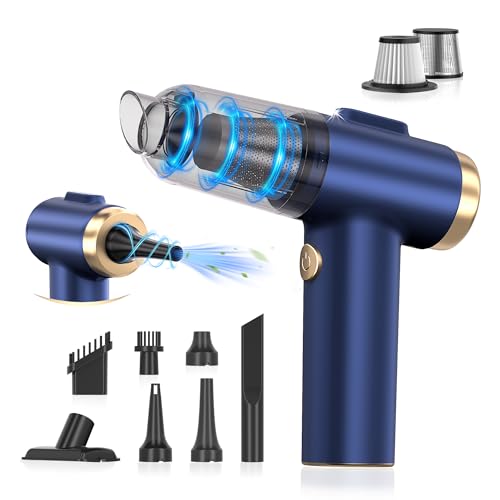
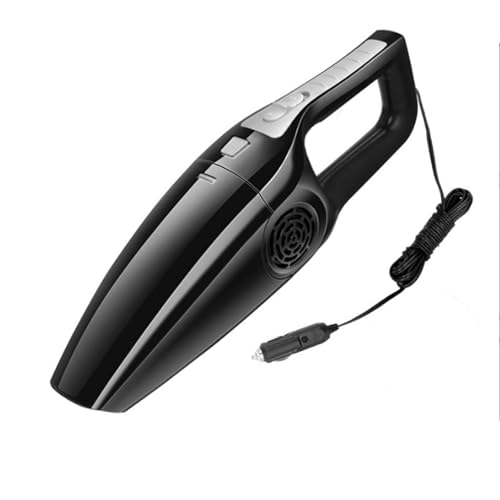
Sand presents unique challenges for car vacuums. Unlike typical debris, sand particles are heavy, abrasive, and tend to work deep into carpet fibers and crevices where they resist extraction. Beach trips, sports activities, and outdoor adventures can leave cars filled with sand that seems to multiply rather than diminish despite repeated vacuuming attempts. Understanding what makes sand difficult and choosing appropriate equipment helps achieve effective cleanup.

Not all vacuums handle sand equally well. The combination of particle weight, abrasiveness, and tendency to collect in hidden areas requires specific capabilities. Strong suction is necessary to lift heavy particles, good filtration prevents sand from damaging the motor, and the right attachments access where sand hides. Knowing what to look for in a vacuum helps beach-goers and outdoor enthusiasts keep sand under control.

This guide explains what makes vacuums effective for sand removal and how to clean sand from cars successfully.
Key Takeaways
- Strong suction essential for heavy sand particles: Weak vacuums cannot lift sand effectively
- Good filtration protects motor from abrasive particles: Sand damages internal components
- Crevice tools reach where sand hides: Much sand collects in gaps and seams
- Multiple passes often necessary: Deep sand requires persistent effort
- Prevention reduces cleaning burden: Shake off sand before entering vehicle
Table of Contents
Why Sand Is Challenging
Understanding the unique difficulty of sand cleanup.
Sand particles are heavier than typical dust and debris. Requires stronger suction to lift.
Sand works deep into carpet fibers and fabric weave. Embeds rather than sitting on surface.
Finds its way into every crevice and gap. Migrates throughout vehicle interior.
Abrasive nature can damage vacuum if not filtered properly. Wears internal components.
These factors make sand more difficult than routine debris.
Suction Power Requirements
Why strong suction matters for sand.
Heavy particles require more suction to lift from carpet. Weak vacuums leave sand behind.
Look for vacuums with strong airflow, not just strong motor. Airflow moves particles into collection.
Corded vacuums often provide sustained strong suction. Consistent power throughout cleaning.
Cordless vacuums need sufficient power in high mode. Battery drain reduces suction over time.
Prioritize suction capability for sand cleaning.
Filtration Importance
Protecting vacuum from abrasive particles.
Sand scratches and wears internal vacuum components. Can damage motor and fan.
Good filter system captures sand before reaching motor. Essential protection for vacuum longevity.
HEPA filtration keeps fine sand particles contained. Prevents dust cloud during emptying.
Clean filter frequently when vacuuming sand. Sand clogs filters faster than normal debris.
Filtration quality affects both results and vacuum lifespan.
Effective Attachment Selection
Tools that work best for sand removal.
Crevice tool reaches sand in seams and gaps. Essential for thorough sand cleanup.
Stiff brush attachment agitates carpet to release embedded sand. Helps bring sand to surface for suction.
Wide floor nozzle covers carpet area efficiently. Good for initial passes over floor areas.
Rubber attachments don't clog as easily with sand. Some users prefer these for sandy conditions.
Right attachment selection improves sand removal effectiveness.
Sand Removal Technique
How to vacuum sand effectively.
Remove loose sand first by shaking mats outside. Reduces amount vacuum needs to handle.
Vacuum in multiple directions to access embedded particles. Different angles reach sand trapped various ways.
Use crevice tool extensively in all seams and crevices. Where most sand collects and hides.
Multiple passes over same area often necessary. First pass lifts surface sand; subsequent passes reach deeper.
Thorough technique extracts more sand than quick pass.
Floor Mat Sand Removal
Cleaning sand from mats specifically.
Remove mats and take outside for initial cleaning. Shake vigorously to dislodge loose sand.
Beat mats against solid surface. Physical impact releases embedded sand.
Vacuum mats thoroughly after shaking. Removes remaining sand shaking didn't dislodge.
Rubber mats release sand easier than carpet mats. Consider all-weather mats for frequent beach use.
Mat cleaning is essential part of sand removal.
Carpet Sand Removal
Getting sand out of vehicle carpet.
Vacuum with carpet attachment in multiple directions. Agitates fibers to release sand.
Focus on entry points where feet bring sand in. Highest concentration zones.
Under seats collects sand that migrates from foot areas. Don't overlook hidden areas.
Stubborn embedded sand may need deep cleaning beyond vacuuming. Extraction or shampooing for severe cases.
Carpet cleaning requires patience and persistence with sand.
Seat Sand Removal
Cleaning sand from upholstery.
Sand accumulates in seat seams and between cushions. Use crevice tool extensively.
Fabric seats hold sand in weave. Multiple direction vacuuming helps.
Leather seats allow sand to sit on surface but catch in texture and perforations.
Brush attachment helps lift sand from fabric seats. Agitation before suction.
Seat cleaning follows similar principles as carpet.
Prevention Strategies
Reducing sand introduction to vehicle.
Shake off sand before getting in vehicle. Simple habit significantly reduces interior sand.
Keep towel or brush in vehicle for sand removal. Quick cleanup at beach before driving.
Use rubber floor mats that release sand easily. Contain and simplify cleanup.
Consider seat covers for frequent beach use. Protects upholstery and contains sand.
Prevention is easier than removal.
Wet Sand Considerations
Handling damp sand differently.
Wet sand clogs vacuums and filters. Allow to dry before vacuuming if possible.
Wet-dry vacuum can handle damp sand. Regular dry vacuum cannot.
Wet sand sticks to surfaces making removal harder. Drying improves vacuum effectiveness.
Clean up wet sand as soon as practical. Easier before it dries into carpet fibers.
Moisture changes sand behavior significantly.
Related Articles
Explore more car vacuum guides and reviews:
- Car Vacuum Cleaner Attachments Guide
- Corded vs Cordless Car Vacuums: Which Type is Right for You?
- ThisWorx Car Vacuum Review
- How to Vacuum Car Seats Properly
Frequently Asked Questions
Why does sand keep appearing after vacuuming?
Sand embedded deep in carpet fibers works to surface during use. Vibration and foot pressure dislodge buried particles. Multiple cleaning sessions over time gradually remove deeply embedded sand. This is normal for severe sand accumulation.
Can regular car vacuum handle sand?
Depends on suction power. Weak 12V vacuums struggle with sand. Strong handheld or shop vac handles sand better. Match vacuum capability to sand cleaning demands. Occasional beach trips may be manageable; frequent beach use needs capable vacuum.
Will sand damage my vacuum?
Sand can damage vacuums with poor filtration. Abrasive particles wear motor and fan components. Good filter protects motor from sand. Clean filter frequently when vacuuming sand. Quality vacuum with good filtration handles sand safely.
Is shop vac better for sand than car vacuum?
Generally yes. Shop vacs offer stronger suction and larger capacity for heavy debris like sand. More effective for major sand cleanup. Car vacuum fine for maintenance; shop vac better for heavy-duty sand removal after beach trips.
How do I get sand out of crevices?
Crevice tool with strong suction is primary solution. Work tool along every seam and gap systematically. Compressed air can blow sand out of tight spaces for vacuum to capture. Patience and thoroughness required.
Should I get my car detailed after beach trip?
Professional detailing effectively removes sand if DIY efforts are insufficient. Professionals have equipment and expertise for thorough extraction. Worth considering for severe sand contamination or when DIY results are unsatisfactory.
How do I prevent sand from embedding in carpet?
Clean up sand as soon as possible before it works into fibers. Use rubber mats that don't trap sand. Shake off sand before entering vehicle. Quick action prevents deep embedding that is hard to reverse.
Can I use compressed air to remove sand?
Compressed air dislodges sand from crevices effectively. Use in combination with vacuum since air just moves sand. Blow sand into area where vacuum can capture it. Effective complementary technique for stubborn sand.
What about vacuuming sand from between seats?
Crevice tool is essential for between-seat gaps. These areas collect sand that falls during entry and exit. Work crevice tool along entire length of gap. May need to adjust seat positions for better access.
How long does it take to remove all sand?
Depends on amount and how embedded. Surface sand removes quickly with capable vacuum. Deeply embedded sand may require multiple sessions over time. Severely sandy car may never be completely sand-free without professional deep cleaning.