Pet hair presents unique challenges that not all car vacuums handle equally well. Unlike crumbs and dirt that sit loosely on surfaces, pet hair weaves into fabric fibers and clings through static, requiring specific capabilities to extract effectively. Many car owners with pets find their vacuum struggles to remove hair that seems permanently embedded in seats and carpet, leading to frustration and eventually acceptance of a perpetually furry interior.

The vacuums that excel at pet hair removal share certain characteristics: strong suction to lift hair, motorized brushes to agitate and loosen embedded hair, and designs that prevent hair from wrapping around components and clogging the system. Understanding what makes vacuums effective for pet hair helps owners choose equipment that actually solves the problem rather than just pushing hair around.

This guide identifies car vacuum features and models that effectively address pet hair removal challenges.
Key Takeaways
- Motorized brush attachments are most effective: Powered agitation extracts embedded hair
- Strong sustained suction matters: Lifting power throughout cleaning session
- Anti-tangle design prevents clogs: Hair wrapping reduces effectiveness
- Rubber components help with static-charged hair: Static attracts hair to rubber
- Regular cleaning prevents severe buildup: Easier to maintain than restore
Table of Contents
- Why Pet Hair Is Difficult
- Motorized Brush Effectiveness
- Suction Requirements
- Anti-Tangle Design Features
- Rubber and Silicone Components
- Filtration Considerations
- Cleaning Frequency Importance
- Pre-Vacuuming Preparation
- Attachment Selection
- Maintenance for Pet Hair Use
- Related Articles
- Frequently Asked Questions
Why Pet Hair Is Difficult
Understanding the challenge.
Hair weaves into fabric weave and carpet fibers. Not just sitting on surface like other debris.
Static charge causes hair to cling to surfaces. Attracted to fabric through electrical charge.
Hair wraps around vacuum components and clogs systems. Can disable vacuum during cleaning.
Fine hair is lighter than typical debris. Suction must overcome surface adhesion, not just weight.
These factors require specific vacuum capabilities to address.
Motorized Brush Effectiveness
Why powered brushes matter most.
Spinning bristles physically pull hair from fabric weave. Mechanical action supplements suction.
Agitation loosens embedded hair for suction to capture. Vacuum alone cannot dislodge deep hair.
Motorized brush is most effective single feature for pet hair. Worth prioritizing when selecting vacuum.
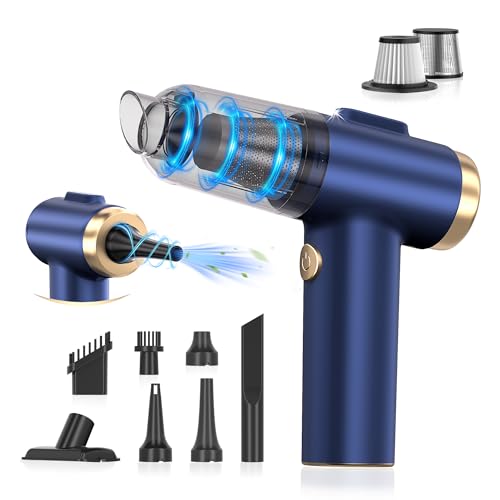
Some handheld vacuums include mini motorized brush. Essential attachment for pet owners.
Manual brushing before vacuuming helps but motorized is more effective.
Suction Requirements
Power needs for pet hair removal.
Strong suction lifts loosened hair into collection. Weak suction leaves dislodged hair behind.
Sustained suction throughout cleaning session matters. Fading power reduces effectiveness.
Filter condition affects suction critically. Pet hair clogs filters faster than other debris.
High power mode often needed for pet hair. Budget models may lack sufficient suction.
Balance suction power against battery life for cordless models.
Anti-Tangle Design Features
Preventing hair from disabling vacuum.
Hair wraps around brush rollers and bristles. Can stop rotation and reduce effectiveness.
Anti-tangle brush designs minimize hair wrapping. Specialized bristle patterns and guards.
Easy brush removal allows clearing wrapped hair. Maintenance access important for pet use.
Some vacuums have tangle-free marketing claims. Real-world performance varies.
Any vacuum used for pet hair needs regular brush cleaning.
Rubber and Silicone Components
How material choice helps with pet hair.
Rubber squeegee blades attract hair through static. Pull hair from fabric surfaces.
Rubber brush elements don't tangle like bristles. Hair releases rather than wraps.
Some pet-specific attachments use rubber fins. Designed specifically for hair extraction.
Rubber components require less maintenance for pet hair. Don't clog as easily.
Material choice affects both effectiveness and maintenance burden.
Filtration Considerations
Managing fine hair and dander.
Fine pet hair and dander requires good filtration. Prevents particles from escaping back into air.
HEPA filtration captures allergens effectively. Important for allergy-sensitive households.
Pet hair clogs filters faster than normal debris. Frequent filter cleaning essential.
Washable filters reduce ongoing cost. Important for frequent pet hair cleaning.
Good filtration matters for both effectiveness and health.
Cleaning Frequency Importance
Why regular attention matters.
Fresh pet hair removes easier than embedded hair. Regular cleaning prevents deep accumulation.
Weekly vacuuming maintains manageable levels. Letting hair accumulate makes cleaning harder.
Heavy shedding periods need more frequent attention. Spring and fall for many breeds.
Quick touch-up between full cleanings helps. Prevents buildup between thorough sessions.
Prevention through frequency beats restoration of neglected interiors.
Pre-Vacuuming Preparation
Steps before vacuuming pet hair.
Rubber brush or squeegee loosens embedded hair. Manual pre-treatment improves vacuum effectiveness.
Damp rubber glove wiped across fabric collects hair. Static attraction to rubber.
Lint roller for surface hair removal. Reduces volume vacuum must handle.
Preparation reduces burden on vacuum and improves results.
Combined approach often more effective than vacuum alone.
Attachment Selection
Tools most useful for pet hair.
Motorized brush attachment is primary tool. Essential for embedded hair extraction.
Rubber pet tool if available. Designed specifically for hair removal.
Upholstery tool for seat surfaces. Broad coverage of fabric areas.
Crevice tool for hair in seams and gaps. Hair accumulates in crevices.
Right attachment selection improves pet hair results significantly.
Maintenance for Pet Hair Use
Keeping vacuum effective for pet cleaning.
Clean filter after every pet hair session. Hair clogs filters quickly.
Remove wrapped hair from brush roller regularly. Prevents motor strain and maintains effectiveness.
Empty dust container frequently. Hair fills container faster than other debris.
Check for clogs in hose and attachments. Hair can block airflow anywhere in system.
Regular maintenance essential for ongoing pet hair effectiveness.
Related Articles
Explore more car vacuum guides and reviews:
- Car Vacuum Cleaner Attachments Guide
- Corded vs Cordless Car Vacuums: Which Type is Right for You?
- ThisWorx Car Vacuum Review
- How to Vacuum Car Seats Properly
Frequently Asked Questions
What is the most important feature for pet hair removal?
Motorized brush attachment is most important single feature. Powered agitation physically pulls embedded hair from fabric that suction alone cannot remove. Without motorized brush, pet hair removal is significantly more difficult.
Why does my vacuum not pick up pet hair well?
Most likely lacking motorized brush attachment, insufficient suction, or clogged filter. Pet hair requires mechanical agitation plus strong suction. Check filter condition and consider vacuum with better pet hair capabilities.
How often should I vacuum car with pets?
Weekly minimum for regular shedders. More frequent during heavy shedding seasons. Regular maintenance prevents deep accumulation that becomes very difficult to remove. Easier to maintain than restore neglected interior.
Do rubber pet tools really work?
Yes, rubber attracts pet hair through static charge. Rubber squeegee or brush can pull hair from fabric before vacuuming. Effective as preparation step or supplement to vacuuming.
Will any cordless vacuum handle pet hair?
Not equally. Need strong suction and preferably motorized brush capability. Budget cordless vacuums often lack power for effective pet hair removal. Check reviews specifically mentioning pet hair performance.
How do I prevent pet hair from wrapping around brush?
Choose vacuum with anti-tangle design. Remove wrapped hair regularly before it accumulates. Some brush designs minimize tangling. Hair wrapping is unavoidable to some degree; regular maintenance is solution.
Is HEPA filter necessary for pet hair?
HEPA captures fine dander and allergens, important for allergy sufferers. For just hair removal, less critical. For comprehensive pet debris and allergen management, HEPA filtration adds value.
Can I use household vacuum for car pet hair?
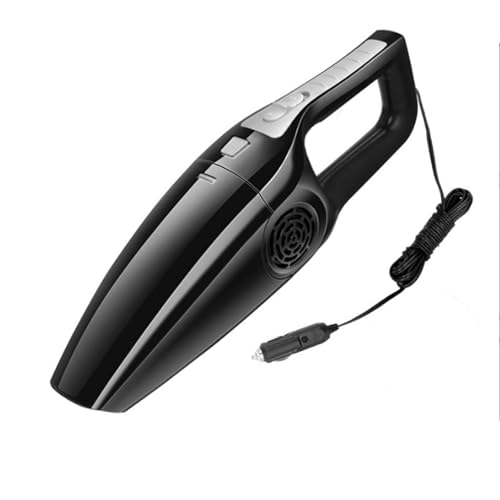
If it reaches vehicle interior, household vacuum often has more power than handheld car vacuum. Motorized brush attachment from household vacuum can be very effective. Reach is main limitation.
Why does hair keep appearing after vacuuming?
Deeply embedded hair works to surface with use and vibration. Multiple cleaning sessions over time gradually remove deep accumulation. Severely embedded hair may require professional extraction cleaning.
Should I wet clean or dry vacuum for pet hair?
Vacuum first to remove dry hair. Wet cleaning can mat hair into fabric making removal harder. Extraction cleaning after vacuuming can help with stubborn remaining hair. Dry vacuuming is primary approach.