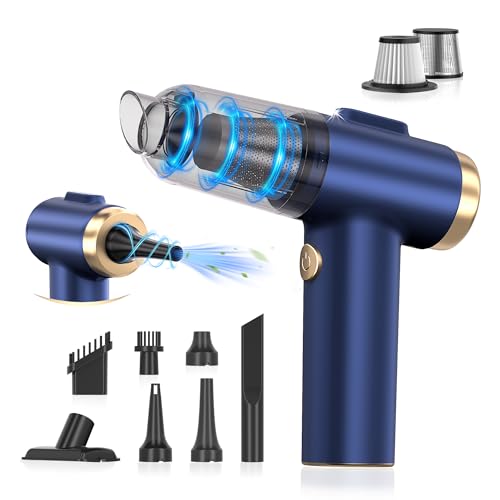
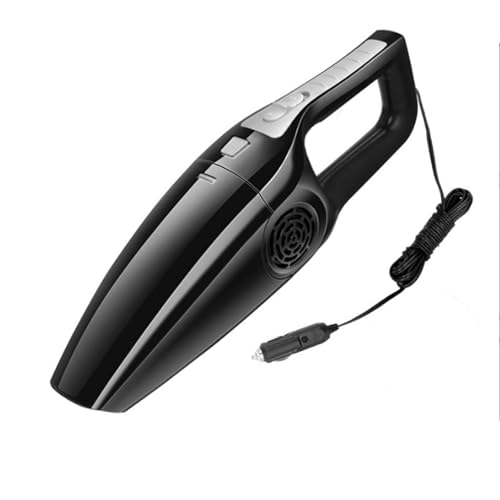
Pet hair in vehicles presents cleaning challenges that standard vacuums simply weren't designed to handle. The combination of static electricity that makes hair cling stubbornly to fabric, the tendency of fine pet hair to work deep into carpet fibers and upholstery weaves, and the tight spaces characteristic of automotive interiors creates conditions where ordinary vacuuming produces frustrating results. Whether you regularly transport dogs to the park, travel with cats to veterinary appointments, or share your vehicle with any furry companion, choosing a vacuum specifically capable of addressing pet hair makes the difference between genuinely clean results and the surface-level improvement that leaves embedded hair behind.

The pet hair vacuum market has evolved significantly as manufacturers recognized this distinct need and developed specialized features to address it. Motorized brush heads agitate fabric to release embedded hair. Anti-tangle technology prevents the hair wrap that degrades brush performance. Stronger suction motors power through the static bond that holds hair to surfaces. HEPA filtration captures the fine dander and allergens that accompany pet hair. Understanding which features matter most and which vacuums deliver them effectively helps pet owners select equipment that will actually solve their cleaning challenges.
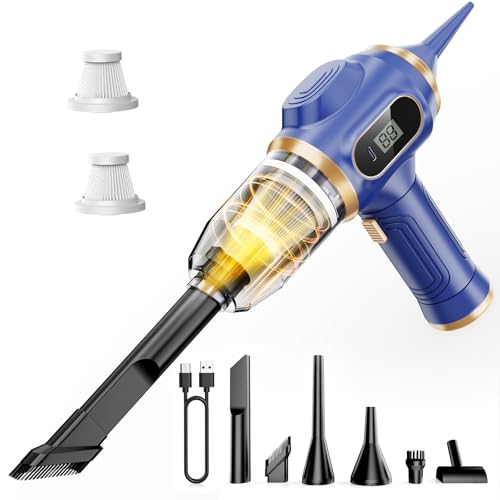
This comprehensive comparison examines seven vacuum options across different price points and capability levels, analyzing their specific effectiveness for pet hair removal in automotive environments. Each recommendation addresses real-world performance rather than just specifications, helping you match your specific pet situation—from occasional transport of a low-shedding breed to daily use with multiple heavy shedders—to the appropriate equipment investment.
Key Takeaways
- Motorized or rubber attachments work best: Standard smooth nozzles push pet hair around rather than extracting it
- Suction power matters more than usual: Embedded pet hair requires strong vacuum force to extract
- Regular cleaning prevents buildup: Frequent light cleaning proves easier than occasional deep cleaning
- Filter quality affects allergy sufferers: HEPA filtration captures dander and allergens alongside visible hair
- Technique enhances results: Working from multiple angles and directions improves extraction effectiveness
Table of Contents
- Understanding Why Pet Hair Challenges Standard Vacuums
- Dyson V15 Detect: Premium Performance for Serious Pet Challenges
- Shark Pet Pro Cordless: Mid-Range Excellence
- BLACK+DECKER Dustbuster AdvancedClean+ Pet: Budget Pet-Specific Option
- Bissell Pet Hair Eraser Lithium Ion: Dedicated Pet Hair Engineering
- ThisWorx Pet Hair Vacuum: Budget-Conscious 12V Option
- Shark UltraCyclone Pet Pro: Handheld Power
- Eureka RapidClean Pro: Value Cordless Alternative
- Selecting the Right Option for Your Pet Situation
- Maximizing Pet Hair Removal Effectiveness
- Related Articles
- Frequently Asked Questions
Understanding Why Pet Hair Challenges Standard Vacuums
Pet hair presents fundamentally different challenges than ordinary debris, and understanding these differences explains why dedicated pet hair solutions exist and why they perform so much better than general-purpose vacuums at this specific task.
Static electricity represents the primary obstacle to effective pet hair removal. Hair—particularly fine pet hair—develops and maintains electrical charges that cause it to cling stubbornly to fabric surfaces. This isn't surface dirt that suction alone can lift; the static bond actually resists removal. Breaking this bond requires either mechanical agitation that disrupts the electrical attraction or suction force strong enough to overcome it. Standard vacuums often lack sufficient power for the latter approach, leaving embedded hair in place despite appearing to clean the surface.
The fine diameter of pet hair, especially undercoat hair, allows it to work deep into fabric weaves rather than sitting on top of surfaces where removal would be straightforward. Once embedded in carpet fibers or upholstery fabric, hair becomes mechanically entangled with the material it occupies. Extraction requires agitation that loosens this entanglement combined with suction that captures the freed hair before it resettles. Vacuums without motorized brush heads rarely achieve effective extraction of embedded hair.
Different pets produce different hair types with varying removal challenges. Long-haired breeds shed hair that's easier to see but often tangles during vacuuming, potentially wrapping around brush mechanisms. Short-haired breeds may shed less visibly but produce hair that embeds more persistently. Double-coated breeds shed fine undercoat hair in large volumes that challenges filtration systems while coarser guard hairs require different mechanical extraction. Understanding your pet's hair characteristics helps match appropriate equipment capabilities.
Automotive interiors compound pet hair challenges with tight spaces, textured surfaces, and seams that trap debris. The fabric seats common in most vehicles hold hair more tenaciously than the leather found in some models. Floor carpet with dense fibers captures and holds hair effectively. Crevices between seats and consoles accumulate hair that's difficult to access for removal. These automotive-specific factors make vehicle pet hair removal more challenging than home furniture cleaning with the same hair volume.
Dyson V15 Detect: Premium Performance for Serious Pet Challenges
The Dyson V15 Detect represents the premium tier of cordless vacuum technology, bringing capabilities that justify its substantial price for pet owners facing significant hair challenges. The combination of exceptional suction power, anti-tangle engineering, and innovative features like laser dust detection creates a vacuum that handles even severe pet hair situations effectively.
At 230 AW of suction power, the V15 Detect generates force that overcomes the static bond holding embedded pet hair in fabric. This level of suction, combined with the motorized cleaning head that agitates fibers to release hair, achieves extraction results that less powerful vacuums simply cannot match. Users consistently report that the V15 pulls hair their previous vacuums left behind, revealing how much embedded hair went unaddressed before.
The anti-tangle technology in the V15's brush bar addresses one of the most frustrating aspects of vacuuming pet hair with motorized brushes. Traditional brush rolls accumulate wrapped hair that degrades performance and requires manual cleaning after each use. Dyson's anti-tangle design directs hair into the dustbin rather than allowing it to wrap, dramatically reducing maintenance while maintaining consistent performance throughout cleaning sessions.
The laser dust detection feature illuminates particles and debris during cleaning, revealing hair accumulation that might otherwise go unnoticed. While initially seeming like a gimmick, users find this genuinely useful for identifying overlooked areas and confirming when cleaning has achieved thorough results. For pet owners who want verification that embedded hair has actually been removed, the visual confirmation proves valuable.
HEPA filtration throughout the vacuum system captures the fine dander and allergens that accompany pet hair—particles that simpler filtration systems miss and recirculate into the air. For allergy sufferers who react to pet dander, not just visible hair, this filtration quality matters significantly for maintaining air quality during and after cleaning.
The mini motorized tool included with the V15 adapts perfectly for car interior use, providing motorized agitation in a compact form factor that navigates automotive spaces effectively. This attachment represents why the V15 works well for car cleaning despite being designed primarily as a home vacuum—the included accessories address multiple use cases.
The approximately $700-750 price places the V15 Detect firmly in premium territory where value requires justification. For households with multiple pets, severe shedding problems, or family members with pet allergies, the performance level may justify the investment. For occasional pet transport with manageable hair volumes, the premium pricing likely exceeds practical needs.
Shark Pet Pro Cordless: Mid-Range Excellence
The Shark Pet Pro Cordless occupies the valuable mid-ground between budget options that struggle with pet hair and premium models that may exceed practical requirements. The vacuum delivers genuinely effective pet hair removal at pricing that represents reasonable value for the capability provided.
The self-cleaning brushroll technology addresses pet hair maintenance differently than Dyson's anti-tangle approach but achieves similar practical results. Hair that would wrap around traditional brush rolls gets actively removed by the cleaning mechanism, maintaining consistent brush performance without requiring the manual cleaning that other vacuums demand. Users report significantly less maintenance burden compared to standard motorized brush vacuums.
PowerFins technology replaces traditional bristles with flexible fins that help extract debris including pet hair from surfaces. The design represents Shark's engineering response to the pet hair challenge, providing mechanical agitation that releases embedded hair while the cleaning mechanism prevents wrap accumulation. Real-world performance with pet hair earns consistently positive feedback from users with various pet types.
The 40+ minute runtime exceeds what most car cleaning sessions require, providing comfortable margin for thorough cleaning without battery anxiety. The actual runtime depends on power mode selection—higher suction modes drain the battery faster but provide better pet hair extraction. For most vehicle cleaning, the available runtime proves more than adequate.
The included pet multi-tool attachment specifically targets pet hair removal from upholstery and tight spaces. This dedicated accessory demonstrates Shark's recognition that pet owners need specialized tools, not just powerful general-purpose vacuums. The attachment proves particularly useful for car seat cleaning where dedicated pet hair tools outperform general attachments.
Anti-allergen seal construction helps capture and contain fine particles rather than releasing them back into the air during cleaning. While not matching the full HEPA certification of some premium models, the filtration provides meaningful allergen reduction for users sensitive to pet dander.
At $300-400, the Shark Pet Pro represents significant investment that falls well below premium territory while substantially exceeding budget options. For pet owners who want genuinely effective pet hair removal without the premium-tier pricing of Dyson products, Shark provides compelling value that has earned substantial market success.
BLACK+DECKER Dustbuster AdvancedClean+ Pet: Budget Pet-Specific Option
The BLACK+DECKER Dustbuster AdvancedClean+ Pet brings dedicated pet hair features to the handheld vacuum segment at pricing accessible to budget-conscious pet owners. While it lacks the power and capability of larger cordless vacuums, it addresses pet hair effectively within its category.
The motorized pet brush attachment provides the agitation necessary for pet hair extraction in a compact, handheld-appropriate form factor. This dedicated attachment distinguishes the pet-specific model from standard Dustbuster variants, providing capability that general-purpose handhelds lack. The motorized brush loosens embedded hair while the vacuum's suction captures it—the combination that effective pet hair removal requires.
At approximately $80-100, the Dustbuster AdvancedClean+ Pet costs a fraction of full-size cordless vacuums while still incorporating pet-specific engineering. For pet owners on tight budgets or those who need a dedicated car vacuum supplementing their home cleaning equipment, this pricing makes pet hair capability accessible.
The compact handheld form factor navigates car interiors more easily than larger vacuums in some respects, fitting into tight spaces where full-size vacuum heads cannot reach. For detail cleaning around seats, in crevices, and in spaces where maneuverability matters more than raw power, the handheld design provides practical advantages.
Lithium-ion battery technology provides fade-free power throughout the discharge cycle, maintaining consistent suction until the battery requires recharging. Runtime limitations inherent to handheld vacuums remain—extended cleaning sessions may exceed available runtime—but the consistent power delivery during use improves cleaning effectiveness compared to older battery technologies.
The realistic expectation for this price tier involves capable handling of light to moderate pet hair in vehicles cleaned regularly, not heavy accumulation in neglected vehicles or severe shedding situations. Used appropriately for regular maintenance cleaning, the Dustbuster AdvancedClean+ Pet delivers value appropriate to its price point.
Bissell Pet Hair Eraser Lithium Ion: Dedicated Pet Hair Engineering
Bissell has built significant brand recognition specifically around pet products, and the Pet Hair Eraser Lithium Ion handheld vacuum reflects this specialization with design decisions explicitly targeting pet hair removal. The company's focus on pet products means features genuinely address pet owner needs rather than representing marketing additions to general-purpose designs.
The rubber contour nozzle represents Bissell's approach to pet hair extraction without relying on motorized brushes that can become wrapped with hair. Rubber attracts and collects pet hair through a combination of friction and static interactions that pull hair from surfaces effectively. This approach requires less maintenance than motorized brushes while still achieving good pet hair results.
Multiple specialized nozzles included with the vacuum address different cleaning situations pet owners commonly encounter. The upholstery tool works on car seats and similar fabric surfaces. The crevice tool reaches into tight automotive spaces where pet hair accumulates. This attachment variety demonstrates Bissell's understanding that pet hair collects in various locations requiring different tools.
Pricing typically around $80-120 positions the Pet Hair Eraser at accessible levels while the specialized design addresses pet hair more effectively than general-purpose alternatives at similar prices. The Bissell brand recognition in pet products provides confidence that comes from the company's established track record.
The lithium-ion battery provides the fade-free power characteristic of modern battery technology, though runtime limitations typical of handheld vacuums apply. For regular maintenance cleaning of vehicle interiors with moderate pet hair, the available runtime typically suffices. Heavy accumulation or extensive cleaning may challenge battery limits.
Bissell's pet product specialization extends to support and accessories, with replacement parts and additional attachments available specifically for pet cleaning needs. This product ecosystem provides value beyond the initial vacuum purchase for owners who may want additional attachments or replacement parts over time.
ThisWorx Pet Hair Vacuum: Budget-Conscious 12V Option
The ThisWorx brand has established market presence in the budget car vacuum segment, and their pet hair variant incorporates features targeting pet owners while maintaining the accessible pricing that made the brand successful. The 12V corded design provides unlimited runtime that cordless alternatives at this price point cannot match.
The included pet hair attachment adds capability beyond standard ThisWorx models, providing a tool designed specifically for extracting hair from fabric surfaces. This dedicated attachment distinguishes the pet variant from standard models and addresses pet hair more effectively than general-purpose nozzles alone.
12V power from the vehicle's accessory outlet provides unlimited runtime that allows thorough cleaning without battery limitations. For vehicles with significant pet hair accumulation that would exhaust handheld battery capacities, the corded approach ensures the cleaning session can continue until complete.
At approximately $35-45, the ThisWorx Pet Hair variant costs less than most cordless alternatives while providing functional pet hair capability through the dedicated attachment. The pricing makes pet-specific vacuum capability accessible to buyers who cannot justify higher-priced options.
Realistic expectations at this price point involve adequate handling of moderate pet hair in vehicles cleaned regularly. The suction power and attachment capability won't match premium options for severe pet hair situations, but for pet owners maintaining reasonably clean vehicles with regular attention, the ThisWorx Pet Hair provides appropriate value.
The 16-foot cord length provides practical reach throughout most vehicles without requiring repositioning of the power connection. This cord length exceeds many competing 12V vacuums and reduces cleaning interruptions during use.
Shark UltraCyclone Pet Pro: Handheld Power
The Shark UltraCyclone Pet Pro delivers more powerful performance than typical handheld vacuums while maintaining the compact, maneuverable form factor appropriate for car interior cleaning. The elevated suction capability addresses pet hair more effectively than budget handhelds typically can.
The self-cleaning brushroll technology from Shark's larger vacuums appears in this handheld, preventing the hair wrap that plagues motorized brush attachments and degrading their effectiveness. This feature proves particularly valuable for pet hair cleaning where hair wrap occurs rapidly with traditional brushes.
Cyclonic suction technology maintains consistent suction as the dustbin fills, avoiding the progressive suction loss that affects simpler filtration designs. For pet hair cleaning where large volumes of hair can fill dustbins quickly, maintaining suction throughout the cleaning session improves results.
At approximately $80-130 depending on specific variant and current pricing, the UltraCyclone Pet Pro occupies middle ground between budget handhelds and full-size cordless vacuums. The pricing reflects capability that exceeds typical handhelds while the handheld form factor provides car-appropriate maneuverability.
The compact design fits automotive spaces where larger vacuums would be awkward, while the elevated power level addresses pet hair more effectively than typical compact vacuums. This combination of maneuverability and capability makes the UltraCyclone Pet Pro well-suited specifically for vehicle cleaning with pet hair challenges.
Runtime limitations inherent to handheld designs apply—the UltraCyclone Pet Pro won't match the runtime of larger cordless vacuums. For typical single-vehicle cleaning with moderate pet hair, runtime typically suffices, but multi-vehicle cleaning or severely contaminated interiors may require interim recharging.
Eureka RapidClean Pro: Value Cordless Alternative
The Eureka RapidClean Pro provides cordless convenience with pet hair capability at pricing that undercuts major brand competitors. For budget-conscious buyers who want cordless operation rather than 12V corded vacuums, Eureka offers an accessible entry point.
The LED headlights illuminate cleaning areas, revealing pet hair accumulation in shadowed spaces under seats and in dark corners where debris often goes unnoticed. This practical feature helps identify areas needing attention and confirms when cleaning has achieved thorough results.
At approximately $100-150, the RapidClean Pro provides cordless operation at significantly lower cost than premium brands like Dyson and Shark. The value proposition targets buyers who want cordless convenience and adequate pet hair capability without premium pricing.
Build quality and long-term durability may not match premium alternatives, but for buyers prioritizing immediate purchase cost over multi-year service expectations, the Eureka provides functional capability at accessible pricing.
The included accessories address various cleaning situations including pet hair on upholstery, though attachment quality and specialized pet features may not match dedicated pet product lines like Bissell or premium manufacturers like Dyson.
Selecting the Right Option for Your Pet Situation
Matching vacuum capability to your actual pet hair challenges ensures appropriate investment without overspending on capability you don't need or underspending on equipment that won't address your situation effectively.
For households with multiple pets, heavy shedding breeds, or family members with pet allergies, premium options like the Dyson V15 Detect or Shark Pet Pro Cordless provide capability that justifies their higher prices. The performance difference compared to budget alternatives proves meaningful when facing significant pet hair challenges regularly.
For single-pet households with moderate shedding and regular cleaning habits, mid-range options like the Shark UltraCyclone Pet Pro or Bissell Pet Hair Eraser provide effective pet hair removal without premium investment. These options handle typical pet situations well while keeping costs reasonable.
For occasional pet transport, low-shedding breeds, or supplementary use alongside other cleaning equipment, budget options like the ThisWorx Pet Hair or BLACK+DECKER Dustbuster handle light to moderate pet hair adequately at accessible prices. These represent appropriate starting points for determining whether more capable equipment proves necessary.
Cleaning frequency significantly affects equipment requirements. Pet owners who clean vehicles weekly face lighter hair accumulation than those cleaning monthly. Regular cleaning keeps challenges within budget equipment capabilities, while infrequent cleaning allows accumulation that may require more powerful equipment to address.
Maximizing Pet Hair Removal Effectiveness
Regardless of which vacuum you select, technique and approach significantly affect results. These practices help any vacuum perform closer to its maximum capability for pet hair removal.
Work from multiple directions rather than single-pass vacuuming. Pet hair embeds with varied orientations, and approaching from only one direction leaves hair that different angles would capture. Overlapping passes from multiple directions improves extraction compared to efficient single-direction cleaning.
Use motorized attachments on fabric surfaces where available. The mechanical agitation that motorized brushes provide makes substantial difference for embedded pet hair extraction. Standard nozzles without agitation push hair around more than they remove it.
Pre-treat heavily contaminated areas with rubber pet hair tools before vacuuming. Rubber blocks, gloves, or squeegees can loosen and collect hair, reducing what the vacuum must handle and improving overall results. This preparation step proves particularly valuable for severe accumulation.
Clean frequently rather than waiting for heavy accumulation. Fresh pet hair that hasn't had time to embed deeply removes more easily than accumulated hair that has worked into fabric over weeks or months. Weekly maintenance cleaning produces better results than monthly intensive cleaning attempts.
Empty the dustbin before it becomes overfull to maintain suction performance. Pet hair fills dustbins quickly, and continued vacuuming with full containers reduces effectiveness. Brief interruptions for emptying improve overall results compared to pushing through with declining suction.
Related Articles
Explore more car vacuum guides and reviews:
- Car Vacuum Cleaner Attachments Guide
- Corded vs Cordless Car Vacuums: Which Type is Right for You?
- ThisWorx Car Vacuum Review
- How to Vacuum Car Seats Properly
Frequently Asked Questions
Why doesn't my regular vacuum work well on pet hair?
Standard vacuums typically lack the combination of strong suction and mechanical agitation that pet hair removal requires. Pet hair bonds to fabric through static electricity and embeds in fibers through mechanical entanglement. Overcoming these forces requires either motorized brush heads that agitate fibers to release hair, or suction power sufficient to overcome the static bond directly. Most general-purpose vacuums, particularly budget models, lack adequate capability for either approach.
Do I need a motorized brush attachment for pet hair?
Motorized brush attachments significantly improve pet hair removal from fabric surfaces by agitating fibers to release embedded hair. While not absolutely required, motorized brushes typically produce noticeably better results than standard attachments. Rubber attachments offer an alternative approach that doesn't require motorization, using friction and static interactions to collect hair. For serious pet hair situations, motorized or rubber attachments substantially outperform smooth standard nozzles.
How often should I vacuum my car with pets?
Weekly vacuuming prevents pet hair accumulation from reaching levels that become difficult to address. Fresh hair that hasn't had time to embed deeply removes much more easily than accumulated hair that has worked into fabric over weeks. More frequent cleaning—after every pet transport, for instance—reduces each session's difficulty while keeping your vehicle consistently clean rather than cycling between dirty and clean states.
Will pet hair damage my vacuum?
Pet hair primarily causes problems through brush wrap and filter clogging rather than actual damage. Hair wrapping around brush rolls degrades their effectiveness and eventually requires cleaning or replacement. Hair and dander accumulating in filters reduces suction. Both issues represent maintenance concerns rather than damage, and vacuums designed for pet hair typically include features that minimize these problems. Regular maintenance addressing wrapped hair and filter cleaning prevents most pet-hair-related issues.
Is HEPA filtration important for pet owners?
HEPA filtration matters most for household members with pet allergies or respiratory sensitivities. Pet dander—microscopic skin particles that trigger allergic reactions—passes through standard filtration and gets recirculated into the air during vacuuming. HEPA filters capture these fine particles, improving air quality during and after cleaning. For households without allergy concerns, adequate standard filtration suffices; for allergy sufferers, HEPA filtration provides meaningful benefit.
Can I use a shop vacuum for pet hair in my car?
Shop vacuums can work for pet hair removal, though they're typically bulkier and less maneuverable than dedicated car vacuums. The strong suction many shop vacuums produce helps overcome static bonds holding pet hair. However, shop vacuums often lack the specialized attachments that improve pet hair collection, and their bulk makes navigating tight automotive spaces more difficult. For occasional use when a shop vacuum is already available, it can address pet hair adequately; for regular pet hair cleaning, dedicated equipment typically proves more practical.
Why does pet hair seem to come back after vacuuming?
Several factors create this perception. Incomplete extraction during vacuuming leaves embedded hair that later works its way to the surface and becomes visible. Hair in locations that weren't thoroughly addressed—seams, crevices, under seats—migrates to visible surfaces through use. Ongoing shedding from pets during subsequent transport adds new hair. Improving extraction thoroughness, addressing all accumulation areas, and cleaning more frequently reduces the "returning hair" experience.
Should I get a corded or cordless vacuum for pet hair?
Both approaches work for pet hair when the vacuum provides adequate suction and appropriate attachments. Cordless vacuums offer convenience and maneuverability but face runtime limitations during extended cleaning. Corded 12V vacuums provide unlimited runtime but require vehicle proximity and cord management. For severe pet hair situations requiring extended cleaning time, corded options avoid battery limitations. For maintenance cleaning of reasonably maintained vehicles, cordless convenience may prove more practical.
Do rubber pet hair tools work better than vacuum brushes?
Rubber tools and vacuum brushes work through different mechanisms that complement each other rather than compete. Rubber tools collect hair through friction and static interactions, working well for surface hair and preparation before vacuuming. Vacuum brushes combine agitation with suction to extract and capture hair. Using rubber tools to loosen hair before vacuuming often produces better results than either approach alone. For embedded hair, motorized vacuum brushes typically outperform rubber tools.
How do I remove pet hair from leather car seats?
Pet hair on leather presents different challenges than fabric since hair sits on the surface rather than embedding into fibers. Gentle suction with soft attachments removes surface hair effectively without risking leather damage. Avoid stiff brush attachments that could scratch leather surfaces. Rubber tools work particularly well on leather, collecting hair without surface contact that could cause marks. Regular conditioning of leather seats helps prevent static buildup that attracts and holds pet hair.