Pet owners face unique car cleaning challenges that standard vacuums may not adequately address. Pet hair weaves into fabric and resists extraction; dander accumulates invisibly; odors persist despite cleaning; and the volume of debris from pets exceeds what occasional human occupancy produces. Vacuums marketed as pet-friendly claim to address these specific challenges, but understanding what actually constitutes pet-appropriate design helps distinguish meaningful features from marketing terminology applied to ordinary vacuums.
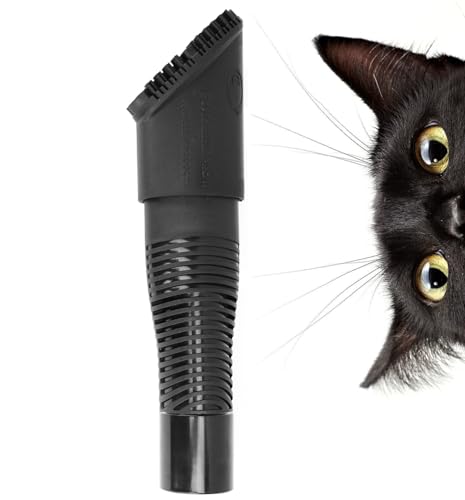
The pet-friendly designation encompasses multiple characteristics: effective hair removal capability, dander-appropriate filtration, sufficient suction for embedded debris, and design features that facilitate cleaning pet-specific contamination. Not every vacuum claiming pet suitability delivers on all fronts. Evaluating specific features rather than accepting marketing claims enables selection of equipment that genuinely addresses the challenges pet owners face when cleaning vehicle interiors.

This guide examines what makes vacuums genuinely effective for pet-related car cleaning, covering the features that matter and how to evaluate whether specific vacuums will meet pet owner needs.
Key Takeaways
- Motorized brush attachments help release pet hair: Agitation dislodges embedded hair that suction alone misses
- Strong suction matters for embedded hair: Weak suction leaves hair behind despite good technique
- HEPA filtration captures dander effectively: Standard filters may pass fine allergenic particles
- Tangle-resistant design reduces maintenance: Hair wrapping around brush rolls requires frequent cleaning
- Capacity matters for pet debris volume: Small containers fill quickly with pet hair
Table of Contents
Pet Hair Removal Capability
Effective pet hair removal requires specific characteristics that general vacuum design may not prioritize.
Pet hair embeds in fabric through static attraction and physical weaving into material structure. Simply passing suction over hair-contaminated surfaces often proves insufficient for extraction.
Motorized brush attachments agitate fabric to release embedded hair. Spinning bristles physically dislodge hair that static suction cannot lift, bringing it within capture range.
Strong suction complements agitation by capturing released hair. Weak suction may release hair from fabric only to miss capturing it, requiring repeated passes.
Rubber or silicone components create friction that helps release hair. Some pet-specific tools use rubber fins or edges that grip and pull hair from fabric.
Multiple attachment types enable addressing various surfaces where pet hair accumulates. Different upholstery surfaces, carpets, and hard-to-reach areas may need different approaches.
Filtration for Pet Dander
Pet dander presents different challenges than visible hair, requiring appropriate filtration.
Dander particles are microscopic, easily becoming airborne and passing through standard vacuum filters. Vacuuming with inadequate filtration may redistribute rather than remove dander.
HEPA filtration captures dander-sized particles that standard filters miss. For pet allergy sufferers, HEPA capability is essential rather than optional.
Sealed vacuum systems prevent dander bypass around filters. Even HEPA filters fail if air can flow around rather than through the filtration media.
Post-motor filters clean exhaust air of any particles that pre-motor filtration missed. Multi-stage filtration provides better allergen control than single-filter designs.
Filter maintenance frequency increases with pet debris. Dander loads filters faster than non-pet households experience, requiring more frequent attention.
Suction Power Requirements
Pet debris demands adequate suction that marginal vacuums cannot provide.
Embedded hair requires stronger suction than loose surface debris. The grip of hair woven into fabric demands sufficient extraction force.
Pet hair volume can quickly fill containers and load filters, reducing suction over cleaning sessions. Starting suction should exceed minimum acceptable levels.
Cordless vacuums may lose suction as batteries discharge. For pet cleaning requiring sustained power, consider whether battery capacity supports complete cleaning sessions.
Suction specifications help compare vacuum capability. Higher Pa or AW ratings indicate more extraction force, though real-world performance depends on overall design.
Testing with actual pet hair contamination reveals true capability better than specifications alone. User reviews from pet owners provide relevant performance information.
Brush Roll Design for Pet Hair
How brush rolls handle pet hair significantly affects maintenance burden and cleaning effectiveness.
Standard brush rolls wrap hair that must be cut and removed manually. Hair winds around brush shafts, eventually binding rotation if not addressed.
Tangle-free or anti-wrap designs reduce hair binding tendency. These designs may use rubber fins, specific bristle patterns, or other features to reduce wrapping.
Removable brush rolls facilitate cleaning when hair does accumulate. Easy access for brush maintenance encourages regular attention that maintains performance.
Self-cleaning brush technology exists in some designs, actively clearing wrapped hair during operation. Effectiveness varies; evaluate claims against user experiences.
Brush roll maintenance remains necessary even with anti-tangle features. No design completely eliminates hair accumulation; better designs reduce frequency and difficulty of cleaning.
Capacity and Convenience
Pet debris volume exceeds typical household cleaning, affecting practical convenience.
Larger containers reduce emptying frequency during extended cleaning. Small containers may require multiple emptying cycles for thorough pet hair removal.
Emptying mechanism design affects whether emptying releases debris back into air. For pet allergy sufferers, hygienic emptying matters.
Cord length or battery runtime should support complete cleaning sessions. Running out of power or reach mid-cleaning frustrates effective pet hair removal.
Weight and ergonomics matter for extended pet hair sessions. Heavy vacuums become tiring during thorough cleaning that pet contamination requires.
Attachment storage keeps pet-specific tools accessible. Ready access encourages regular cleaning that prevents accumulation.
Odor Control Features
Pet odors in vehicles benefit from specific vacuum features beyond debris removal.
Activated carbon filters absorb odors rather than just capturing particles. These filters address gaseous odor compounds that particle filters ignore.
Odor-neutralizing treatments in some filters claim to deactivate odor-causing compounds. Effectiveness varies; consider as supplementary benefit rather than primary capability.
HEPA filtration prevents exhaust of odor-carrying particles. Odors associated with dander and debris stay in the vacuum rather than being redistributed.
Vacuum hygiene prevents the vacuum itself from developing odors. Regular container and filter cleaning maintains fresh vacuum operation.
Odor control is ultimately limited by vacuum capability. Embedded odors may require additional treatment beyond vacuuming regardless of vacuum features.
Evaluating Pet-Friendly Claims
Not every vacuum labeled pet-friendly delivers meaningful pet-specific benefit.
Examine specific features rather than accepting marketing designation. What brush design, filtration, suction, and attachments actually provide pet-relevant capability?
Compare to standard models in same product line. Sometimes pet designation means color change or included attachment rather than meaningful design difference.
User reviews from pet owners reveal real-world effectiveness. Pet owner experiences testing claims against actual pet contamination provide valuable evaluation.
Consider your specific pets and their debris. Long-haired pets create different challenges than short-haired; multiple pets increase volume; specific allergies may require specific filtration.
Balance pet features against overall vacuum quality. A mediocre vacuum with pet marketing may underperform quality general vacuum with appropriate attachments.
Supplementary Pet Cleaning Tools
Effective pet hair removal often benefits from tools beyond the vacuum itself.
Rubber pet hair removal tools used before vacuuming can loosen embedded hair for easier extraction. Pre-loosening reduces the work vacuum must do.
Lint rollers address residual hair that vacuuming misses. Combined approach may achieve better results than vacuuming alone.
Fabric-specific tools match material characteristics. Different upholstery types may respond better to specific pre-treatment approaches.
Regular cleaning prevents accumulation that intensive sessions struggle to address. Frequent light cleaning outperforms infrequent heavy cleaning for pet contamination.
Interior protection like seat covers may reduce permanent contamination that cleaning addresses. Prevention complements cleaning in pet hair management.
Related Articles
Explore more car vacuum guides and reviews:
- Car Vacuum Cleaner Attachments Guide
- Best Car Vacuums for Pet Hair Removal
- Corded vs Cordless Car Vacuums: Which Type is Right for You?
- How to Vacuum Car Seats Properly
Frequently Asked Questions
What features make a vacuum good for pet hair?
Motorized brush attachments that agitate fabric, strong suction to capture released hair, HEPA filtration for dander, anti-tangle brush designs, and sufficient capacity for pet debris volume. These features together address the specific challenges pet hair presents.
Do I need HEPA filtration for pet cleaning?
For pet allergy sufferers, HEPA filtration is important to capture dander that standard filters may pass. For those without pet allergies, HEPA provides better air quality but may not be essential. The benefit depends on your sensitivity to pet allergens.
Why does pet hair wrap around my vacuum brush roll?
Hair naturally winds around rotating brush rolls during normal operation. Anti-tangle designs reduce this tendency, but all brush rolls collect some hair. Regular brush maintenance prevents accumulation from affecting performance.
Is a pet-specific vacuum worth the extra cost?
If pet-specific features address your actual needs, the investment may be worthwhile. Evaluate whether meaningful design differences exist beyond marketing. Sometimes quality general vacuum with appropriate attachments performs as well at lower cost.
How often should I vacuum my car if I have pets?
Weekly or more frequently depending on pet presence in vehicle. Regular light cleaning prevents accumulation that requires intensive sessions. Frequency should match how quickly your pets contaminate the interior.
Can any vacuum handle pet hair effectively?
Quality vacuums with adequate suction and appropriate attachments can handle pet hair even without pet-specific designation. Pet marketing indicates intended use but doesn't guarantee effectiveness. Evaluate actual capability rather than labels.
What's the best attachment for pet hair in car seats?
Motorized upholstery attachments that agitate fabric while vacuuming work well for embedded hair. Rubber-edged tools help with stubborn hair. Multiple attachment types may be needed for different surfaces and contamination levels.
Do rubber brush rolls work better for pet hair?
Rubber components can help release hair from fabric through friction and are less prone to hair wrapping than traditional bristles. Many pet-focused vacuums incorporate rubber elements in brush designs for these reasons.
How do I reduce pet hair buildup in my car?
Seat covers that can be removed and washed, regular grooming to reduce shedding, and frequent light vacuuming prevent the accumulation that intensive cleaning struggles to address. Prevention complements cleaning for managing pet contamination.
Will vacuuming remove pet odors from my car?
Vacuuming removes odor-carrying particles but may not eliminate embedded odors. Activated carbon filters help with airborne odors. Deep-set odors may require additional treatment like enzymatic cleaners or professional detailing beyond vacuuming capability.


