Pet hair presents one of the most challenging vacuuming tasks car owners face, clinging to upholstery with a stubbornness that defies standard cleaning techniques. The structure of animal hair—the barbed shafts, the static charge, the way it weaves into fabric fibers—creates adhesion that simple suction cannot overcome. Pet owners who attempt standard vacuuming often find their efforts produce minimal visible improvement despite considerable time investment, leaving them frustrated with tools that work well for other debris but fail spectacularly against pet hair.
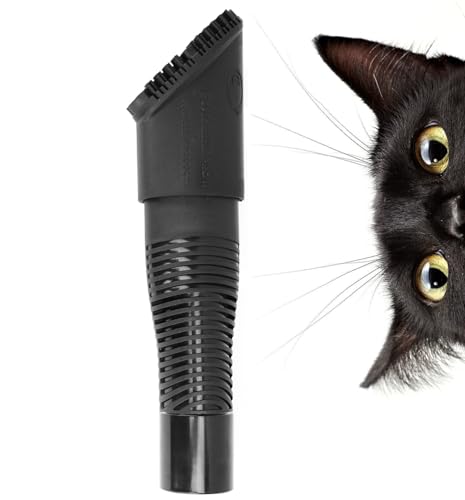
Effective pet hair removal requires understanding why hair behaves differently and applying techniques specifically designed to address hair's unique characteristics. The combination of mechanical loosening before vacuuming, appropriate attachment selection, and systematic technique produces results that standard approaches cannot achieve. This isn't about working harder with the wrong approach but working smarter with methods matched to the challenge.

This guide provides comprehensive techniques for removing pet hair from car upholstery using vacuum-based methods supplemented by appropriate pre-treatment. Following these approaches transforms the frustrating task of pet hair removal into a manageable process that produces genuinely clean upholstery.
Key Takeaways
- Pre-loosening is essential: Mechanical loosening before vacuuming dramatically improves results
- Standard attachments often disappoint: Pet-specific or rubber-based tools work significantly better
- Multiple passes required: Single passes miss hair that subsequent passes extract
- Technique matters more than power: Proper method beats stronger suction for hair removal
- Prevention reduces cleaning burden: Seat covers and regular maintenance minimize embedded hair
Table of Contents
- Understanding Pet Hair Adhesion
- Pre-Vacuum Loosening Techniques
- Specialized Pet Hair Attachments
- Systematic Vacuuming Technique
- Area-Specific Approaches
- Addressing Different Upholstery Types
- Managing Hair Between Deep Cleanings
- Preventing Reattachment
- Establishing Pet Hair Maintenance Routine
- Related Articles
- Frequently Asked Questions
Understanding Pet Hair Adhesion
Understanding why pet hair clings so tenaciously to upholstery explains why standard vacuuming fails and guides effective technique selection.
Hair structure includes microscopic barbs along the shaft that catch in fabric weave. These barbs anchor hair against the pull of suction, requiring mechanical action to release the grip before extraction becomes possible. Smooth surfaces don't provide anchor points; fabric weave provides countless attachment opportunities.
Static charge contributes to hair adhesion. Hair readily accumulates static electricity, which attracts it to fabric and holds it against surfaces. The charge can rebuild during cleaning, causing released hair to reattach. Managing static improves removal and prevents reattachment.
Hair works progressively deeper into upholstery with use. Sitting on seats with pet hair pushes hair deeper into fabric construction; movement works hair into the weave. Surface hair is easiest to remove; embedded hair requires more aggressive treatment.
Different hair types present different challenges. Fine, soft undercoat hair tends to float and redistribute; coarse guard hairs anchor more firmly but release more readily once loosened. Some pets shed hair types that are particularly problematic for the specific upholstery in your vehicle.
Pre-Vacuum Loosening Techniques
Effective pet hair vacuuming requires mechanical loosening before suction extraction. These pre-treatment techniques dramatically improve subsequent vacuuming results.
Rubber gloves or rubber-surface tools grab and lift hair through friction. Rubbing gloved hands across upholstery balls up loose hair for easy collection. This simple technique removes surprising amounts of hair that vacuum suction alone leaves behind.
Squeegees and rubber scrapers work similarly, dragging hair from fabric through rubber friction. These tools cover more area than gloves and often prove more effective for heavy accumulation. Work in one direction to concentrate loosened hair for collection.
Lint brushes and fabric shavers can help with certain hair types, particularly fine undercoat that forms mats on fabric surfaces. These tools break up matting that vacuum suction cannot penetrate.
Slightly dampened rubber surfaces may improve friction grip on hair. Light moisture increases the rubber-to-hair friction that drives loosening. Don't over-wet; damp rather than wet provides optimal friction.
Pumice stones designed for pet hair removal work on some upholstery types. The porous stone surface catches hair; dragging across fabric lifts accumulated hair. Test on inconspicuous areas first—pumice may damage delicate fabrics.
Specialized Pet Hair Attachments
Vacuum attachments designed specifically for pet hair incorporate features that address hair's unique characteristics.
Rubber-surfaced attachments use friction rather than relying solely on suction. The rubber grabs hair as it passes, pulling it from fabric grip. This grabbing action extracts hair that standard smooth-surface attachments slide over.
Motorized brush attachments agitate fabric while vacuuming, mechanically dislodging embedded hair. The spinning brush disturbs hair anchoring while suction captures released material. Self-cleaning mechanisms prevent hair from wrapping around the brush.
Upholstery tools with stiff bristles provide more aggressive agitation than soft dusting brushes. The stiffer action disturbs embedded hair more effectively. Choose bristle stiffness appropriate for your upholstery—too stiff may damage delicate fabrics.
Silicone or rubber finger attachments provide focused friction action. These grip attachments work on detailed areas where larger tools cannot reach, useful for seams and crevices where hair accumulates.
Pet-specific vacuum models feature enhanced filtration and attachment selections optimized for pet hair. If pet hair is an ongoing challenge, dedicated pet vacuum investment may prove worthwhile compared to struggling with general-purpose equipment.
Systematic Vacuuming Technique
Even with proper pre-treatment and appropriate attachments, technique significantly affects pet hair removal results.
Work in one direction initially to concentrate loosened hair. Consistent direction creates hair accumulation lines that subsequent passes can address. Random direction disperses hair rather than concentrating it for removal.
Make slow, deliberate passes rather than rapid movement. Hair needs time to release from fabric and enter airflow; rushing past hair before it releases leaves it embedded. Slower passes produce dramatically better results than quick coverage.
Apply consistent suction contact with fabric. Too far from surface reduces extraction effectiveness; too close may restrict airflow. Find the distance that maintains suction engagement with fabric without excessive pressure.
Make multiple complete passes over each area. First passes remove loosely attached hair; subsequent passes extract hair loosened by initial disturbance but not captured. Four or five passes may prove necessary for heavily contaminated areas.
Vary direction in later passes. After initial same-direction passes, perpendicular and diagonal directions address hair oriented at various angles. Direction variation improves total extraction compared to same-direction-only passes.
Area-Specific Approaches
Different seating areas accumulate pet hair differently and benefit from adapted approaches.
Seat cushions where pets typically sit contain the heaviest accumulation. Focus pre-treatment effort on primary pet areas; apply most aggressive loosening techniques here. These high-accumulation zones need proportional attention.
Seat backs receive transferred hair from pets leaning or resting. The vertical orientation may affect hair distribution—hair may migrate downward. Work from top to bottom on seat backs.
Seat crevices between cushion and back trap falling hair. These linear accumulation zones need crevice tool attention; pet hair collects here even if pets don't directly contact the crevice.
Headrests accumulate hair from pets resting heads or looking out windows. These elevated positions may receive less direct contact but still collect transferred hair. Include headrests in pet hair cleaning routines.
Rear seat areas often serve as primary pet zones. If pets ride in back seats regularly, these areas need the most intensive treatment. Protecting rear seats with covers significantly reduces cleaning burden.
Addressing Different Upholstery Types
Upholstery material affects both hair accumulation and removal difficulty. Adapting approach to material type improves results.
Fabric upholstery traps hair most effectively and releases it most reluctantly. The woven structure provides countless anchor points for hair barbs. Fabric seats need the most intensive pre-treatment and aggressive vacuuming technique.
Leather and vinyl surfaces don't trap hair in weave but may develop static attraction. Hair sits on these surfaces rather than embedding, but static can hold it firmly. Anti-static treatment before vacuuming reduces static adhesion.
Perforated leather presents unique challenges. Hair can lodge in perforation holes, difficult to extract with suction alone. Compressed air or fine tools may be needed to dislodge hair trapped in perforations.
Suede and Alcantara surfaces accumulate hair readily and require gentle treatment that protects the material. Aggressive techniques appropriate for durable fabric may damage these materials. Use gentler approaches with appropriate frequency.
Managing Hair Between Deep Cleanings
Regular maintenance reduces hair accumulation between thorough cleaning sessions.
Quick vacuum passes after pet transport prevent accumulation establishment. Brief attention when hair is fresh and loosely attached removes it before it works into fabric. This maintenance takes minutes but prevents hours of difficult removal later.
Lint roller touch-ups between vacuuming address visible hair quickly. Keep a lint roller accessible for quick passes after pet trips. This immediate attention prevents accumulation that becomes progressively harder to remove.
Seat covers and blankets protect upholstery from direct pet contact. Washing covers removes hair without requiring upholstery cleaning. For vehicles frequently transporting pets, covers represent significant maintenance reduction.
Pet grooming reduces shedding that reaches vehicle upholstery. Regular brushing removes loose hair before it sheds in the vehicle. Addressing the source reduces the amount reaching car seats.
Preventing Reattachment
Hair loosened during cleaning can reattach to upholstery if not managed properly.
Collect loosened hair immediately. Hair balled up during pre-treatment should be removed from the vehicle before vacuuming; otherwise vacuum exhaust may redistribute it. Remove visible accumulations as they form.
Check vacuum exhaust direction. Exhaust blowing toward cleaned areas redistributes fine hair. Position vacuum so exhaust directs away from cleaning areas or out of the vehicle entirely.
Verify filter condition before pet hair cleaning. Hair passing through inadequate filters may exit exhaust and redeposit. Clean or replace filters before intensive pet hair sessions.
Anti-static treatment after cleaning reduces reattachment of airborne hair. Products that reduce static charge on upholstery help freshly cleaned surfaces resist hair settlement from cabin air.
Establishing Pet Hair Maintenance Routine
Consistent maintenance prevents the severe accumulation that requires intensive removal effort.
After every pet transport, brief attention removes fresh, loosely attached hair. This minimal investment—two or three minutes—prevents accumulation that hours of later effort struggles to remove.
Weekly thorough treatment maintains manageable levels for vehicles frequently transporting pets. The complete process—pre-treatment, multiple vacuum passes, seam attention—keeps hair from establishing deep embedding.
Monthly deep cleaning addresses accumulation that routine maintenance doesn't fully capture. More aggressive treatment, longer sessions, and attention to all potential accumulation areas maintains pet-transport-ready condition.
Seasonal cleaning may involve seat cover washing, deep extraction, or professional treatment for heavily used pet vehicles. Periodic intensive attention addresses accumulation beyond routine maintenance capability.
Related Articles
Explore more car vacuum guides and reviews:
- Best Car Vacuums for Pet Hair Removal
- Corded vs Cordless Car Vacuums: Which Type is Right for You?
- ThisWorx Car Vacuum Review
- How to Vacuum Car Seats Properly
Frequently Asked Questions
Why doesn't my vacuum pick up pet hair effectively?
Pet hair's barbed structure and static charge create adhesion that suction alone cannot overcome. The hair is anchored in fabric weave, not sitting loose on the surface. Pre-loosening with rubber tools or gloves, followed by appropriate pet-specific attachments, dramatically improves results.
What's the best vacuum attachment for pet hair?
Rubber-surfaced attachments or motorized brush tools designed for pet hair typically outperform standard attachments. The rubber friction or mechanical agitation addresses hair's anchoring that suction alone cannot overcome.
Do I need a special vacuum for pet hair?
Dedicated pet vacuums optimize for hair removal, but proper technique with standard vacuums plus appropriate attachments produces good results. If pet hair is a major ongoing challenge, pet-specific equipment may justify the investment.
How do rubber gloves help with pet hair removal?
Rubber's friction grabs hair as you rub across fabric, pulling it from weave grip. The mechanical action releases hair that vacuum suction cannot extract. Rubber glove treatment before vacuuming significantly increases subsequent vacuum effectiveness.
How often should I vacuum pet hair from my car?
Frequency depends on shedding and transport frequency. Quick attention after each pet trip prevents establishment; weekly thorough treatment maintains manageable levels for frequent pet transport. Less frequent trips may need only periodic thorough cleaning.
Will vacuuming damage my car seats?
Gentle technique with appropriate attachments doesn't damage properly maintained upholstery. Match bristle stiffness and treatment aggressiveness to your fabric type; delicate materials need gentler approaches than durable fabrics.
How do I get pet hair out of leather seats?
Leather doesn't embed hair like fabric, but static can hold hair firmly. Anti-static treatment reduces adhesion; soft brush attachment or rubber tools remove hair from leather surfaces. Perforated leather may need compressed air for hair lodged in perforations.
Why does pet hair seem to come back after cleaning?
Hair remaining in crevices, on adjacent surfaces, or released from pets in subsequent trips settles on cleaned upholstery. Complete cleaning including seams and surrounds, plus covers to protect from new deposit, maintains cleanliness longer.
Should I vacuum wet or dry pet hair?
Dry hair removes more easily than wet. If pets enter the vehicle wet, allow drying before vacuuming. Wet hair mats and clings more tenaciously; dry hair releases more readily to proper technique.
How can I prevent pet hair from accumulating in my car?
Seat covers or blankets protect upholstery from direct contact. Regular pet grooming reduces shedding. Quick cleaning after transport prevents accumulation establishment. Prevention significantly reduces removal effort needed.


