Car vacuums experience performance issues that are often easily resolved through basic troubleshooting before considering repair or replacement. Reduced suction, unusual noises, power problems, and other symptoms typically have straightforward causes that owners can address themselves. Understanding common problems and their solutions extends vacuum life and maintains cleaning effectiveness without unnecessary expense.

Most vacuum problems trace to a few common causes: clogged filters, blocked airways, full debris containers, and battery issues in cordless models. Systematic troubleshooting addressing these common causes resolves most issues. More serious problems may exist, but checking simple causes first avoids unnecessary repair costs or premature replacement of vacuums that could be easily restored to function.
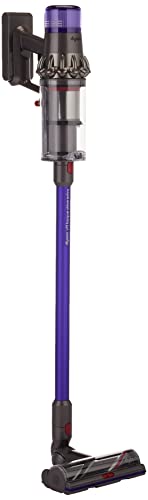
This guide covers common car vacuum problems, their typical causes, and troubleshooting steps to identify and resolve issues effectively.
Key Takeaways
- Reduced suction usually indicates filter or blockage issues: Check these first before assuming motor problems
- Most problems have simple solutions: Basic troubleshooting resolves majority of issues
- Regular maintenance prevents many problems: Proactive care avoids troubleshooting needs
- Battery issues are common in cordless vacuums: Runtime decline is often battery degradation
- Know when to seek professional repair: Some problems require expertise beyond DIY
Table of Contents
Reduced Suction Power
The most common vacuum performance complaint.
Check filter first. Clogged filters are the leading cause of suction loss. Clean or replace filter and retest.
Inspect hose for blockages. Debris stuck in hose restricts airflow significantly. Clear any obstructions.
Check debris container. Full or overfull containers reduce suction. Empty container completely.
Examine attachments for clogs. Narrow attachments can block with debris. Clear all attachment passages.
If all above are clear, motor problems may be cause. Professional evaluation may be needed.
Vacuum Won't Turn On
Addressing complete power failure.
For corded vacuums, check outlet and cord. Test outlet with other device; inspect cord for damage.
For cordless, check battery charge. Depleted battery prevents operation. Charge and retry.
Check power switch and connections. Loose connections can prevent power flow.
Thermal protection may have activated. Let vacuum cool if it was running hot, then retry.
Internal electrical problems require professional repair if basic checks don't resolve issue.
Unusual Noises
Identifying problems through sound.
Whistling or high-pitched noise often indicates airflow restriction. Check for blockages causing air to force through small openings.
Rattling suggests loose component or debris in motor housing. Inspect for loose parts or trapped debris.
Grinding noise may indicate motor bearing issues. Professional evaluation warranted for mechanical grinding sounds.
Clicking can indicate debris hitting rotating parts. Check brush roll and motor area for trapped items.
New or changing sounds warrant investigation before continued use.
Vacuum Overheating
When vacuum gets excessively hot or shuts off.
Clogged filter restricts airflow that cools motor. Overheating often accompanies filter problems.
Blockages force motor to work harder generating heat. Clear all airways and passages.
Extended continuous use can trigger thermal protection. Allow cooling periods during long cleaning sessions.
Running without filter or with damaged filter may cause overheating. Ensure proper filter installation.
Persistent overheating despite clear airways may indicate motor problems.
Battery and Charging Issues
Cordless vacuum power problems.
Reduced runtime is often battery degradation. All batteries lose capacity over time.
Vacuum not charging may be charger, battery, or connection issue. Test with known good charger if available.
Quick discharge can indicate worn battery or high-resistance connection. Clean battery contacts.
Battery not holding charge may need replacement. Replacement batteries available for most models.
Charging in extreme temperatures can prevent proper charging. Charge at room temperature.
Debris Escaping
When vacuum exhausts dust rather than containing it.
Filter not properly seated allows air to bypass filtration. Reinstall filter ensuring proper seal.
Damaged filter has holes allowing passage. Replace torn or damaged filters.
Container not properly sealed leaks debris. Check container closure and gaskets.
Wrong filter type installed may not fit properly. Ensure correct filter for your model.
Debris escaping indicates filtration system problem requiring correction.
Weak or No Brush Roll Rotation
Motorized brush attachment problems.
Hair and fiber wrapped around brush prevents rotation. Remove wrapping from brush roll.
Belt may be broken or stretched in belt-driven models. Replace worn or broken belt.
Brush roll may be stuck with debris. Clean brush roll and housing thoroughly.
Motor connection issue can prevent power to brush. Check connections and wiring.
Brush motor failure requires replacement of motorized attachment.
Intermittent Operation
When vacuum works sometimes but not consistently.
Loose electrical connections cause intermittent power. Check all accessible connections.
Damaged cord in corded vacuums may have intermittent break. Flex cord while running to identify problem area.
Thermal protection activating and resetting causes stop-start operation. Address underlying overheating cause.
Battery connection issues in cordless cause intermittent operation. Clean and secure battery contacts.
Intermittent problems can be difficult to diagnose; pattern observation helps identify cause.
Odors from Vacuum
When vacuum smells bad during operation.
Debris in container or filter decomposing causes odor. Empty and clean container; replace filter if needed.
Trapped moist debris develops mold. Ensure complete drying after any wet debris exposure.
Motor overheating can produce burning smell. Address airflow restrictions immediately.
Belt slippage in belt-driven models produces burning rubber smell. Check belt condition and tension.
Address odor source rather than masking with fragrance.
When to Seek Professional Help
Problems requiring expert repair.
Motor problems beyond filter and airflow issues need professional diagnosis. Unusual sounds or complete failure after basic troubleshooting.
Electrical issues involving internal wiring require qualified repair. Safety concern with electrical work.
Warranty repairs should be performed by authorized service. DIY repair may void warranty.
When troubleshooting doesn't resolve problem and vacuum is worth repairing. Compare repair cost to replacement.
Some vacuums aren't worth repair cost; replacement may be more practical.
Related Articles
Explore more car vacuum guides and reviews:
- Car Vacuum Cleaner Attachments Guide
- Best Cordless Car Vacuums Under $100
- Corded vs Cordless Car Vacuums: Which Type is Right for You?
- How to Vacuum Car Seats Properly
Frequently Asked Questions
Why has my vacuum lost suction?
Most commonly caused by clogged filter, blocked hose or attachment, or full debris container. Check and address each of these. If suction doesn't improve after clearing all blockages, motor problems may be the cause.
How do I fix a vacuum that won't turn on?
For corded, check power outlet and inspect cord for damage. For cordless, ensure battery is charged. Check power switch and connections. If basic checks don't resolve, electrical problem may require professional repair.
Why does my vacuum smell?
Usually debris in container or filter. Empty and clean container, clean or replace filter. Moist debris develops mold requiring thorough cleaning. Burning smell may indicate overheating or belt problems requiring immediate attention.
How long should cordless vacuum battery last?
New batteries should provide manufacturer-specified runtime. All batteries lose capacity over time. Significant runtime reduction after a year or two is normal; replacement restores performance.
Why does my vacuum keep shutting off?
Thermal protection activating due to overheating. Usually caused by clogged filter or blocked airway. Clear obstructions and allow vacuum to cool before continuing. Persistent problem may indicate motor issues.
What causes vacuum to make loud noise?
Blockages can cause whistling. Loose components cause rattling. Debris in motor area causes various sounds. Motor bearing failure causes grinding. Identify sound type to narrow cause.
How do I fix weak brush roll?
Remove wrapped hair and debris from brush. Check belt condition in belt-driven models. Ensure brush roll spins freely when cleaned. Motor failure in motorized attachments requires replacement.
When should I replace versus repair vacuum?
Compare repair cost to replacement cost. Simple fixes like filters and batteries are worth addressing. Major repairs on inexpensive vacuums may not be economical. Quality vacuums may warrant repair investment.
Why is dust coming out of my vacuum?
Filter not properly installed, damaged filter, or container not sealed properly. Check filter installation and condition. Ensure container is correctly closed. Replace damaged filters.
How do I prevent vacuum problems?
Regular maintenance prevents most issues. Clean filters monthly, empty container after each use, check for blockages regularly. Proactive care avoids troubleshooting needs and extends vacuum life.


