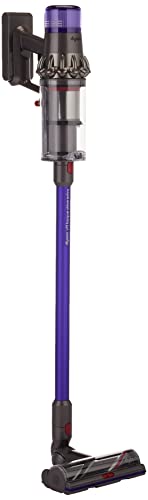
Heavy vacuuming sessions that address significant contamination leave vacuums themselves in need of attention. The debris removed from vehicle interiors ends up in vacuum filters, containers, and pathways where it can affect future performance and create hygiene concerns. Neglecting post-use cleaning leads to progressive performance decline, odor development, and potentially shortened equipment lifespan. Proper cleaning after intensive use maintains equipment capability and prevents the accumulation that undermines vacuum effectiveness over time.

Heavy use creates conditions more demanding than routine light cleaning. Sand, pet hair, food debris, moisture, and large debris volumes all challenge vacuum systems differently than occasional light dust collection. Each use scenario may require specific attention beyond general maintenance. Understanding what heavy use deposits in vacuum systems guides appropriate cleaning response that addresses actual conditions rather than following generic procedures.

This guide covers comprehensive vacuum cleaning after heavy use, explaining what to address, how to clean each component, and how to maintain equipment ready for the next intensive session.
Key Takeaways
- Filters need immediate attention after heavy use: Clogged filters dramatically reduce future performance
- Container cleaning prevents odor development: Debris residue creates smells if left uncleaned
- Airflow path inspection catches blockages: Heavy debris may lodge in unexpected locations
- Complete drying before storage prevents mold: Moisture from cleaning must evaporate before enclosure
- Regular heavy-use cleaning extends equipment life: Maintenance prevents wear from accumulated stress
Table of Contents
Filter Cleaning and Maintenance
Filters experience maximum stress during heavy use and require thorough attention after intensive sessions.
Visual inspection reveals surface debris accumulation but underestimates total filter loading. Fine particles clog filter pores without visible surface accumulation. Assume filters need cleaning after heavy use regardless of visual appearance.
Tap filters over trash container to release loose debris before washing or replacement. This removes bulk material that washing alone may not address efficiently.
Washable filters should be rinsed under running water with gentle manipulation to release embedded debris. Avoid harsh scrubbing that can damage filter media. Use water pressure to flow through filter in reverse direction from normal airflow.
Allow complete drying before reinstallation. Wet filters restrict airflow and can develop mold. Drying may require 24-48 hours depending on conditions; ensure complete dryness before use.
Disposable filters heavily loaded from heavy use should be replaced rather than attempting to extend service life. Heavy use consumes filter capacity rapidly; replacement maintains performance.
Container and Canister Cleaning
Debris containers harbor material that continues affecting vacuum condition after emptying.
Empty containers completely after heavy use. Fine dust coating container walls, debris in corners, and material caught in container features require attention beyond simply dumping large debris.
Wash containers with warm water and mild soap to remove residue. Food debris, sticky substances, and fine dust all require washing to fully remove.
Inspect container features for trapped debris. Baffles, intake ports, and geometric features can trap material that casual emptying misses.
Dry containers completely before reassembly. Enclosed damp containers promote mold and bacterial growth. Remove and leave open for thorough drying.
Odor treatment may be necessary if biological material was collected. Baking soda in dried container absorbs odors; commercial odor eliminators address persistent smells.
Hose and Attachment Cleaning
Hoses and attachments collect debris internally that affects performance and hygiene.
Inspect hose interior for visible blockages. Heavy use may lodge debris that creates partial blockage affecting suction. Remove any visible material.
Flex and manipulate hose while looking through it to dislodge debris stuck to walls. Some debris releases with manipulation that visual inspection doesn't reveal.
Rinse hoses with water if debris resists dry removal. Running water through hoses flushes residue that manipulation doesn't release. Ensure complete drying before storage.
Clean attachment surfaces that contacted debris. Brush bristles collect hair and fibers; nozzle edges accumulate residue; all contact surfaces benefit from cleaning after heavy use.
Disassemble attachments if design allows for thorough internal cleaning. Some attachments have removable components that enable access to otherwise enclosed areas.
Motor Housing and Intake Area
The transition from intake to motor area can accumulate debris that affects airflow and motor function.
Inspect intake area around container connection for debris accumulation. Fine dust and small particles can collect in the transition area between container and motor housing.
Use small brush or compressed air to clean areas that intake suction doesn't self-clean. Corners and edges may accumulate material over time.
Check pre-motor filters if present. Some vacuums have additional filtration between container and motor that requires attention separate from main filters.
Inspect exhaust vent area for debris that might restrict outflow. While most debris stays on intake side, some material may reach exhaust area and require removal.
Never spray water into motor housing areas. Motor components are not water-safe; use dry cleaning methods in areas near motor.
Brush Roll Maintenance
Motorized brush attachments collect wrapped material that heavy use accumulates rapidly.
Remove brush roll access covers according to your attachment design. Most brush attachments provide access for cleaning without complete disassembly.
Cut and remove wrapped hair, string, and fibers from brush roll and bearings. Heavy use wraps significant material; scissors or seam ripper enables efficient removal.
Clean brush bristles of accumulated debris. Material caught in bristles reduces brush effectiveness for future use.
Inspect brush bearings for smooth rotation. Debris in bearings causes binding; clean bearing areas thoroughly. Rotation should be free without grinding or catching.
Check belt condition in belt-driven brush rolls. Heavy use stresses belts; inspect for wear, stretching, or damage that may indicate replacement need.
Exterior Cleaning
Vacuum exterior accumulates debris and residue from contact with dirty surfaces during heavy use.
Wipe housing surfaces with damp cloth to remove dust and debris. Heavy use often coats exterior surfaces with fine dust that subsequent handling transfers to hands and other surfaces.
Clean control surfaces and handles. These contact points accumulate residue from hands during operation; regular cleaning maintains hygiene.
Inspect wheels or glides for wrapped material or accumulated debris. Movement components can collect hair and fibers that affect mobility.
Check cord storage area for debris in corded vacuums. Cord wrapping can trap debris that falls out during subsequent handling.
Clean battery contacts in cordless vacuums. Debris on charging contacts can affect charging performance and connection reliability.
Odor Prevention and Treatment
Heavy use collecting biological material or moisture can create odor problems requiring specific attention.
Biological material like food debris, pet waste, or organic matter requires thorough cleaning and sanitation. Surface cleaning may not address odor sources embedded in filter or container materials.
Baking soda absorbs odors when left in cleaned, dried containers. Sprinkle in container; leave overnight; dump before use.
Commercial vacuum deodorizers provide targeted odor control. Some products treat filters; others treat containers or entire vacuum systems.
Replacement may be necessary for filters or containers that retain odor despite cleaning efforts. Materials that have absorbed odor-causing substances may not release them through cleaning.
Prevention through prompt post-use cleaning is more effective than treating established odors. Don't let biological debris sit in vacuum between uses.
Storage Preparation
Proper storage after cleaning maintains vacuum condition until next use.
Ensure all components are completely dry before reassembly and storage. Storing with moisture promotes mold, corrosion, and odor development.
Reassemble vacuum with clean components properly seated. Verify filters, containers, and covers are correctly positioned to maintain sealing.
Store in clean, dry location. Environmental contamination during storage can undo cleaning efforts.
Position for air circulation if storing for extended period. Enclosed storage without airflow can promote moisture problems even with initially dry equipment.
Keep attachments organized and accessible. Proper attachment storage prevents damage and ensures components are available when needed.
Frequency Guidelines for Heavy Users
How often to perform thorough cleaning depends on use intensity and debris types.
After every heavy use session, empty containers completely and check filters. This minimum attention prevents problems from beginning to develop.
Weekly thorough cleaning suits regular heavy use. This frequency prevents accumulation while not requiring excessive maintenance time.
Immediate deep cleaning when collecting unusual debris. Wet material, strong-smelling debris, or unusually large volumes warrant immediate comprehensive attention rather than waiting for scheduled cleaning.
Pre-session inspection catches developing issues. Quick check before heavy use identifies problems that post-use cleaning didn't fully address.
Seasonal deep cleaning supplements regular maintenance. Even with good regular cleaning, periodic comprehensive attention addresses gradual accumulation in areas regular cleaning doesn't reach.
Related Articles
Explore more car vacuum guides and reviews:
- Car Vacuum Cleaner Attachments Guide
- Corded vs Cordless Car Vacuums: Which Type is Right for You?
- ThisWorx Car Vacuum Review
- How to Vacuum Car Seats Properly
Frequently Asked Questions
How do I clean my vacuum after vacuuming a very dirty car?
Empty container completely, tap and wash filters (allowing full drying), clean container with soap and water, inspect hoses and attachments for debris, and clean brush roll if equipped. Ensure everything is dry before reassembly. This comprehensive approach addresses all debris the heavy cleaning deposited in the vacuum.
Can I wash my vacuum filter after heavy use?
Washable filters can and should be washed after heavy use. Rinse under running water until water runs clear; allow complete drying before reinstallation. Non-washable filters should be replaced rather than washed. Check your vacuum specifications for filter type.
Why does my vacuum smell bad after cleaning my car?
Biological material collected during cleaning decomposes and creates odor. Food debris, pet waste, or moisture mixed with organic material are common causes. Thorough container and filter cleaning, complete drying, and possibly baking soda or commercial deodorizer address vacuum odors.
How long should I let my vacuum filter dry?
Allow 24-48 hours for complete drying in typical conditions. Humid conditions may require longer; dry, warm conditions may allow shorter drying. The filter must be completely dry throughout, not just surface dry. Using a wet filter damages motors and promotes mold.
Should I clean my vacuum after every use?
Light cleaning after every use prevents accumulation: empty container, quick filter check. Thorough cleaning after heavy use or weekly for regular users maintains performance. Match cleaning intensity to use intensity; heavy use demands more attention than light use.
How do I remove hair wrapped around my vacuum brush roll?
Access the brush roll through the cover or plate provided for this purpose. Cut through wrapped hair with scissors or seam ripper, being careful not to cut brush bristles. Pull cut material free; clean brush bearings and bristles after removing wrapped material.
Can debris in my vacuum hose affect suction?
Yes. Partial blockages from lodged debris reduce suction even when not completely blocking the hose. Inspect hoses after heavy use; flex and manipulate to dislodge stuck material; rinse if necessary and dry completely before storage.
My vacuum worked fine but now has weak suction after heavy use. Why?
Heavy use likely clogged filters, filled container airflow space, or lodged debris in pathways. Thorough post-use cleaning addressing all these areas should restore suction. Check each area systematically; the problem is usually debris accumulation from the heavy use session.
Is it safe to use compressed air to clean my vacuum?
Compressed air effectively cleans debris from many vacuum areas but should be used carefully. Blow debris out of pathways and attachments, not deeper into equipment. Avoid blowing directly into motor areas. Wear eye protection when using compressed air.
How do I prevent my vacuum from getting clogged during heavy cleaning?
Empty container during extended sessions rather than waiting until completely full. Check filters mid-session if using heavily. Pick up large debris manually rather than vacuuming items that might lodge in hoses. Prevention during use reduces post-use cleaning burden.