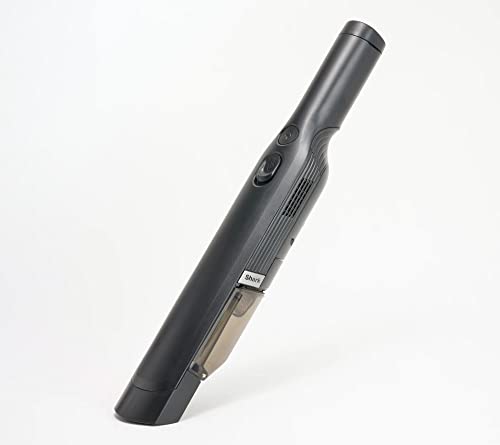
Professional detailers achieve results that often seem beyond what home cleaning can accomplish. The transformation of neglected interiors into showroom-quality spaces suggests expertise or equipment that amateurs lack. While professionals do have commercial equipment and extensive experience, many of their superior results come from techniques and approaches that home cleaners can apply. Understanding what professionals do differently enables adapting their methods to home car cleaning with available equipment.

Professional results don't require professional equipment. Technique, thoroughness, and attention to detail contribute more to quality results than equipment capability alone. Home cleaners using consumer equipment with professional methods can achieve results far superior to the same equipment used with casual approach. The secrets aren't really secrets; they're proven practices that anyone can learn and apply.

This guide shares professional detailing techniques applicable to home car vacuum cleaning, explaining methods that produce superior results with equipment you already own or can readily access.
Key Takeaways
- Preparation determines final results: Professionals prepare thoroughly before cleaning begins
- Systematic approach ensures completeness: Working methodically catches what random cleaning misses
- Details matter disproportionately: Addressing small areas creates overall impression of quality
- Multiple tool use maximizes results: Combining methods outperforms single-approach cleaning
- Patience produces professional results: Quality takes time that rushing cannot replace
Table of Contents
Thorough Preparation
Professionals never skip preparation that enables superior cleaning results.
Remove everything from the interior before cleaning begins. Floor mats, personal items, trash, and removable accessories all come out for unobstructed access.
Seats get adjusted to maximum positions in all directions during cleaning. Full seat travel reveals debris and access that normal positions hide.
Large debris is removed by hand before vacuuming. Professionals don't ask vacuums to handle debris that manual removal addresses more efficiently.
Inspect the entire interior before starting. Understanding what contamination exists guides approach and ensures nothing gets overlooked.
Professional preparation time often exceeds what amateurs spend on entire cleaning sessions. This investment pays back in superior results.
Systematic Cleaning Order
Professionals work methodically rather than randomly attacking visible debris.
Top to bottom ensures debris falls to areas not yet cleaned rather than contaminating already-cleaned surfaces.
Dry cleaning before wet cleaning removes loose debris before moisture makes it harder to extract.
Front to back or established pattern ensures complete coverage without missing areas or redundant attention.
Consistent order develops muscle memory that enables efficient, thorough cleaning without conscious decision-making at each step.
Each professional has their system; develop yours based on your vehicle and cleaning preferences.
Aggressive Agitation Before Extraction
Professionals understand that loosening precedes effective extraction.
Brushing carpets and upholstery before vacuuming brings embedded debris to surface where vacuum can capture it.
Compressed air dislodges debris from crevices and vents that vacuum suction cannot directly reach.
Manual brushing of seams and folds releases accumulated debris that direct vacuuming leaves behind.
Different brush stiffness for different surfaces prevents damage while maximizing agitation effectiveness.
The agitate-then-extract sequence produces dramatically better results than vacuuming alone.
Multiple Pass Technique
Professionals don't rely on single passes to capture all debris.
First pass removes loose surface debris. Subsequent passes address progressively embedded material.
Direction changes between passes catch debris oriented in different directions within carpet pile.
Slowing down for final passes captures remaining material that faster initial passes missed.
Assessment between pass sets reveals areas needing additional attention.
Three to five passes minimum on carpet is typical professional practice; more for heavily contaminated areas.
Detail Focus
Professionals give small details attention that creates overall quality impression.
Crevices, seams, and edges receive specific attention with appropriate tools. These details distinguish professional results from amateur cleaning.
Controls, buttons, and small features are cleaned individually. Accumulated debris in these areas is immediately noticeable.
Vents receive thorough cleaning that includes slats and internal surfaces visible through openings.
Seatbelt openings and hardware collect debris that dedicated attention addresses.
The sum of many small details creates the overall impression of thorough professional work.
Tool Selection and Use
Professionals use right tools for each task, switching frequently.
Multiple vacuum attachments get used during single sessions. Crevice tools, brush attachments, and upholstery tools each serve specific purposes.
Supplementary tools beyond vacuum complement suction cleaning. Brushes, compressed air, and extraction tools all play roles.
Tool selection matches surface and debris characteristics. Carpet receives different treatment than leather; sand needs different approach than pet hair.
Investment in good tools pays back in better results. Professionals maintain quality tool selection.
Learning to use tools effectively matters as much as having them. Practice develops proficiency.
Time Investment
Professional results require professional time investment.
Thorough interior vacuuming takes thirty minutes to an hour for most vehicles. Rushing produces amateur results regardless of skill.
Problem areas may need extended attention. Stopping when timer expires rather than when job is complete compromises results.
Quality requires whatever time the specific vehicle and contamination level demands. Predetermined time limits produce inconsistent results.
Professionals charge enough to spend time needed. Home cleaners have that time available without paying for it.
Accepting that quality takes time enables achieving results that rushing prevents.
Quality Assessment
Professionals check their work critically before considering it complete.
Inspection from multiple angles reveals debris that straight-on viewing misses. Angled light shows contamination that overhead light hides.
Touch inspection supplements visual assessment. Running hands over surfaces reveals debris that eyes miss.
Returning to address discovered deficiencies ensures complete results. Professionals don't call it done until it actually is.
Comparison to known clean reference helps calibrate quality standards. Know what clean looks like.
Self-critical assessment prevents accepting results that fall short of capability.
Ongoing Maintenance Mindset
Professionals understand that deep cleaning is easier when maintenance prevents heavy accumulation.
Regular light cleaning maintains results between intensive sessions. Prevention beats remediation.
Addressing contamination promptly prevents embedding that makes later removal harder.
Developing cleaning habits maintains professional-level results ongoing rather than only immediately after intensive sessions.
Understanding that maintenance takes less effort than restoration encourages consistent attention.
Professionals advise clients on maintenance; apply that advice to your own vehicle.
Related Articles
Explore more car vacuum guides and reviews:
- Car Vacuum Cleaner Attachments Guide
- Best Cordless Car Vacuums Under $100
- Corded vs Cordless Car Vacuums: Which Type is Right for You?
- How to Vacuum Car Seats Properly
Frequently Asked Questions
What's the biggest difference between professional and amateur car cleaning?
Thoroughness and attention to detail distinguish professional results more than equipment differences. Professionals prepare completely, work systematically, give details individual attention, and take time needed for quality results. These practices are available to anyone willing to apply them.
How long should thorough car vacuuming take?
Thirty minutes to an hour for comprehensive interior vacuuming is typical professional timeframe. Heavily contaminated vehicles may need more. If you're finishing in ten minutes, you're probably not achieving professional-level results.
Do professionals use special vacuums?
Professional equipment is often more powerful, but consumer vacuums can achieve excellent results with proper technique. Equipment matters less than thoroughness, preparation, and systematic approach. Quality consumer vacuum properly used outperforms professional equipment hastily used.
Why do professionals brush before vacuuming?
Brushing brings embedded debris to surface where vacuum suction can capture it. Vacuuming alone may pass over embedded material that brushing releases. This agitate-then-extract sequence is fundamental to professional results.
What details do professionals clean that amateurs miss?
Seat seams, vent slats, control knobs, seatbelt openings, under-seat areas, and crevices throughout the interior commonly get overlooked. Professional attention to these details creates overall quality impression that missed details undermine.
How do professionals get carpets so clean?
Multiple passes from varying directions, aggressive brush agitation before extraction, appropriate suction power, and sufficient time investment combine for professional carpet results. No single factor; the combination produces quality.
Can I achieve professional results at home?
Yes. Professional techniques applied with consumer equipment produce results far superior to casual cleaning. The main requirements are thoroughness, patience, and willingness to invest time that professional results demand.
What tools should I add to improve my cleaning?
Quality brush set for agitation, crevice tools in multiple sizes, compressed air for reaching tight spots, and good lighting for inspection improve results. These additions are relatively inexpensive and significantly increase capability.
Why should I vacuum in multiple directions?
Carpet pile traps debris at various angles. Single-direction passes address debris aligned with that direction but miss debris oriented differently. Multiple directions ensure capturing debris regardless of how it's embedded.
How do I maintain professional-level cleanliness?
Regular light maintenance prevents accumulation that requires intensive cleaning. Weekly brief attention maintains results between monthly or quarterly thorough sessions. Consistent maintenance is easier than periodic restoration.