Weather conditions directly influence both how quickly your car interior gets dirty and how effectively you can clean it. Rain tracks mud inside, dry conditions generate dust, winter brings salt and slush, and humidity affects how debris behaves and how quickly cleaned surfaces dry. Understanding these weather impacts helps car owners adjust their cleaning schedules and methods to maintain clean interiors regardless of environmental conditions.

Adapting cleaning routines to weather patterns is more effective than following a rigid schedule that ignores environmental factors. Some weather conditions demand more frequent cleaning attention, while others provide ideal cleaning opportunities. Recognizing how different conditions affect interior cleanliness and cleaning effectiveness enables smarter scheduling that maintains standards with appropriate effort throughout the year.
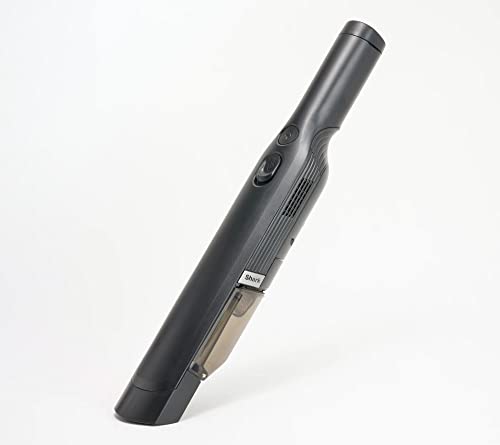
This guide explains how various weather conditions affect car interior cleaning needs and optimal cleaning timing.
Key Takeaways
- Wet weather increases tracking debris inside: More frequent cleaning needed during rainy periods
- Dry conditions produce fine dust: Different debris requires adjusted technique
- Humidity affects drying time: Consider conditions when doing wet cleaning
- Winter conditions create unique challenges: Salt and moisture require special attention
- Weather affects cleaning timing: Some conditions are better for cleaning than others
Table of Contents
Rain and Wet Weather Impact
How precipitation affects interior cleanliness.
Wet shoes track mud and debris inside. Rain increases foot-area contamination.
Mud is harder to vacuum when wet. Allow drying before vacuuming for better extraction.
Wet conditions mean more frequent cleaning needs. Higher contamination rate requires more attention.
Umbrellas and wet items introduce moisture. Interior dampness can cause secondary problems.
Rainy periods require adjusted cleaning expectations and frequency.
Dry Weather Conditions
How arid conditions affect cleaning.
Dry weather produces fine dust that spreads easily. Lightweight debris disperses throughout interior.
Dust settles on all surfaces including dashboard and seats. Horizontal surfaces collect ambient dust.
Dry debris vacuums more easily than wet. Optimal vacuuming conditions for efficiency.
Static electricity increases in dry conditions. Dust clings to surfaces through static attraction.
Dry periods change debris type and behavior.
Humidity Considerations
How moisture in air affects cleaning.
High humidity slows drying after wet cleaning. Extended dry time in humid conditions.
Moisture trapped in carpet can cause mold. Complete drying essential in humid environments.
Low humidity makes dry debris easier to vacuum. Dry air reduces debris adhesion.
Humidity affects whether wet or dry cleaning methods work best. Match technique to conditions.
Consider humidity when planning cleaning approach.
Winter Weather Challenges
Cold season cleaning complications.
Road salt tracks inside on shoes and floor mats. Salt is corrosive and damages carpet.
Snow and slush melt in car creating puddles. Water accumulation under mats.
Frozen debris may need warming before cleaning. Cold temperatures affect debris behavior.
Cleaning outside in cold weather is uncomfortable. Indoor or heated space preferred.
Winter requires more frequent attention to foot areas.
Summer Heat Effects
Warm weather cleaning factors.
Heat accelerates drying after wet cleaning. Fast drying in summer conditions.
Hot surfaces can be uncomfortable to clean. Interior heat during summer is intense.
Increased outdoor activities track more debris. Summer activities generate more contamination.
Food debris can spoil quickly in heat. Prompt cleaning prevents odor problems.
Summer offers fast drying but more debris.
Ideal Cleaning Weather
Optimal conditions for cleaning tasks.
Mild temperatures allow comfortable extended cleaning. Not too hot or cold.
Low humidity speeds drying after any wet cleaning. Optimal for shampooing and extraction.
Dry conditions make debris easier to vacuum. No moisture complicating debris removal.
Overcast can be ideal by avoiding direct sun heat. Comfortable working conditions.
Choose days with favorable conditions when possible.
Adapting Cleaning Frequency
Adjusting schedule to weather patterns.
More frequent cleaning during wet periods. Higher contamination rate needs more attention.
Standard frequency during mild, dry weather. Baseline schedule applies.
Focus on foot areas during winter salt season. Priority cleaning where contamination concentrates.
Quick cleaning after major weather events. Address unusual contamination promptly.
Flexible schedule responds to actual conditions.
Cleaning After Weather Events
Addressing specific weather-related contamination.
After muddy conditions, allow drying then vacuum. Dry mud vacuums easier than wet.
After beach trips, shake and vacuum sand immediately. Sand spreads if not addressed.
After snow exposure, remove salt before it damages carpet. Prompt attention prevents staining.
After flooding or water intrusion, address moisture urgently. Mold prevention is time-sensitive.
Prompt response to weather events prevents lasting problems.
Weather and Cleaning Location
Where to clean based on conditions.
Garage cleaning avoids weather interference. Protected space for any conditions.
Outdoor cleaning requires favorable weather. Rain interrupts; extreme temperatures are uncomfortable.
Covered carport provides partial protection. Shelter without full garage enclosure.
Indoor location for winter cleaning if possible. Avoid cleaning in freezing temperatures.
Choose location based on weather and cleaning needs.
Seasonal Cleaning Adjustments
How seasons change cleaning approach.
Spring: Major cleaning to address winter accumulation. Thorough attention as weather permits.
Summer: Maintain with regular frequency; address activity-related debris. Good conditions for deep cleaning.
Fall: Prepare for winter; leaf debris; final deep clean before harsh season.
Winter: Focus on salt and moisture management. More frequent mat attention.
Each season has characteristic cleaning needs.
Related Articles
Explore more car vacuum guides and reviews:
- Car Vacuum Cleaner Attachments Guide
- Best Cordless Car Vacuums Under $100
- Corded vs Cordless Car Vacuums: Which Type is Right for You?
- How to Vacuum Car Seats Properly
Frequently Asked Questions
Should I wait for dry weather to vacuum?
For best results with muddy debris, yes. Allow mud to dry for easier extraction. However, regular maintenance should continue regardless of weather. Adapt technique rather than skipping cleaning.
How often should I clean during rainy season?
Increase frequency during wet periods. Weekly or more frequent attention to floor areas. Rainy conditions track more debris requiring more cleaning. Mats may need attention after each drive.
Can I vacuum in humid conditions?
Yes, vacuuming works fine in humidity. Humidity mainly affects drying time after wet cleaning. Dry vacuuming is effective regardless of ambient humidity levels.
How do I deal with winter salt?
Remove salt regularly before it sets. Vacuum loose salt, then clean remaining residue with vinegar solution or salt stain remover. Rubber winter mats contain salt more effectively than carpet mats.
Is summer heat bad for car cleaning?
Heat makes cleaning uncomfortable but speeds drying. Clean during cooler parts of day or in shade. Summer offers good conditions for deep cleaning that involves water or shampooing.
What if I cannot control cleaning timing?
Clean when you can; don't skip because conditions aren't ideal. Imperfect conditions are better than no cleaning. Adapt technique to available circumstances.
Does pollen require different cleaning approach?
Pollen is fine, lightweight debris that responds well to vacuuming. May accumulate on surfaces like dashboard. Regular vacuuming and wiping addresses pollen accumulation effectively.
How do I prevent moisture problems in winter?
Remove snow from shoes before entering vehicle. Use rubber floor mats that contain moisture. Crack window when possible to allow interior moisture to escape. Remove wet mats to dry separately.
Should I clean more in dusty areas?
Yes, dusty environments generate more interior debris. Dust enters through ventilation and open windows. More frequent cleaning maintains standards in high-dust regions.
What about cleaning during allergy season?
More frequent cleaning reduces allergen accumulation in vehicle. Regular vacuuming removes pollen and other allergens. Clean cabin air filter to reduce continued allergen introduction.


