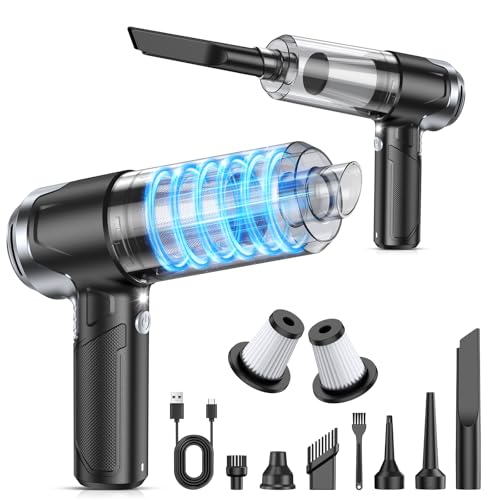
Makita's 18V LXT platform represents one of the most extensive cordless tool ecosystems available, with over 275 tools sharing the same battery system. When this engineering depth applies to handheld vacuums, the result reflects decades of power tool development expertise focused on a cleaning application. The LXT vacuum brings professional tool heritage to car cleaning in ways that differentiate it from consumer-market alternatives designed outside the tool industry.

The 18V battery platform provides substantially more power potential than the smaller batteries in dedicated handheld vacuums, enabling suction performance that exceeds typical consumer options. This capability comes with trade-offs in size and weight, but for users who prioritize cleaning effectiveness over absolute compactness, the power advantage provides meaningful practical benefit. Understanding how this platform translates to vacuum performance helps evaluate whether Makita's approach suits your priorities.

This comprehensive review examines the Makita 18V LXT vacuum's characteristics for car cleaning applications, evaluating where its professional tool heritage provides advantage and where consumer alternatives might serve equally well. The goal is helping you determine whether Makita's platform integration and construction quality justify investment for your specific car cleaning needs.
Key Takeaways
- 18V platform power: Larger batteries enable stronger suction than compact handheld designs
- Massive platform ecosystem: Compatible with 275+ tools sharing the same batteries
- Professional construction: Tool-grade build quality designed for demanding use
- Excellent value for existing users: Bare tool pricing leverages batteries you already own
- Larger form factor: More substantial than pocket handhelds, but power compensates
Table of Contents
- Makita's Tool Heritage Context
- Design and Construction Analysis
- Performance Evaluation
- Car Cleaning Application Assessment
- LXT Platform Value Analysis
- Comparison with Alternative Approaches
- Accessories and Attachment Options
- Maintenance Requirements
- Best Applications for This Vacuum
- Related Articles
- Frequently Asked Questions
Makita's Tool Heritage Context
Understanding Makita's market position helps contextualize how their vacuum approach differs from consumer-focused alternatives. Makita has manufactured professional power tools since 1958, building a reputation for durability and performance that contractors and tradespeople trust for demanding daily use.
The LXT 18V system launched in 2005 and has evolved into one of the most comprehensive cordless platforms available. The sheer number of compatible tools—drills, saws, grinders, and specialty tools across every trade category—creates ecosystem value that individual tool evaluation doesn't capture. Battery investment spreads across many tools rather than concentrating in single purchases.
Professional tool design philosophy prioritizes different characteristics than consumer product development. Durability under demanding conditions, reliability that professionals can depend on, and performance that handles challenging applications take precedence over lowest-possible pricing or feature marketing. This philosophy produces tools that feel different—more solid, more substantial, more confidently constructed.
The vacuum represents one application of this engineering approach, bringing power tool construction standards to cleaning equipment. Whether these standards matter for car cleaning depends on how you value durability, performance, and platform integration versus price and compact convenience.
Design and Construction Analysis
The Makita 18V vacuum's physical construction reveals how tool-industry engineering translates to vacuum design. Examining these details helps evaluate whether the construction quality justifies Makita's positioning.
The housing uses industrial-grade plastics—thicker, more rigid, and more impact-resistant than consumer handheld shells. This construction survives drops, impacts, and rough handling that might crack thinner materials. For car cleaning applications where vacuums endure trunk storage, occasional drops, and general rough treatment, this durability provides practical value.
The motor mounting and internal components reflect power tool construction standards. Robust mounting isolates motor vibration, solid electrical connections ensure reliable power delivery, and component selection prioritizes longevity over minimum cost. These details don't appear in specifications but affect performance and reliability over years of use.
The battery interface uses Makita's slide-type connection mechanism—the same interface across the entire LXT platform. This connection has proven itself across millions of professional tools, providing secure attachment that releases quickly when needed. The consistency with other Makita tools creates familiarity for existing platform users.
Ergonomic design reflects extended professional use patterns. The grip angle, weight distribution, and control placement suit sustained operation without excessive fatigue. Trigger controls respond crisply without requiring excessive pressure. These refinements matter during thorough cleaning sessions more than brief use reveals.
Performance Evaluation
The LXT vacuum's performance characteristics stem from its 18V platform capability and Makita's engineering optimization for vacuum applications. Understanding these characteristics helps set appropriate expectations.
Suction power benefits significantly from the 18V battery platform. Larger batteries deliver more power to larger motors, generating airflow that exceeds what compact handheld batteries can produce. This power advantage manifests in debris extraction effectiveness—pulling up debris that weaker vacuums leave behind, handling embedded material that requires substantial suction to dislodge.
The higher power consumption does reduce runtime compared to lower-power alternatives. Typical runtime with standard capacity batteries runs 15-25 minutes depending on battery size and debris loading. Higher-capacity batteries extend runtime but add weight. For car cleaning purposes, this runtime typically suffices for single-vehicle sessions with efficient technique.
Noise levels reflect the more powerful motor—louder than small handhelds but not unreasonably so. The sound matches the power being generated without excessive harshness. Extended use in enclosed spaces may warrant hearing consideration that brief cleaning sessions don't require.
Suction consistency throughout battery discharge maintains cleaning effectiveness until power runs low. Makita's motor control technology prevents the gradual weakening some vacuums exhibit as batteries drain, ensuring consistent performance throughout the useful charge.
Car Cleaning Application Assessment
Evaluating how the Makita vacuum specifically performs for car cleaning—rather than general contractor applications—determines its value for automotive use.
The form factor involves trade-offs for car cleaning. The vacuum is larger than compact handhelds designed specifically for automotive portability, requiring more storage space and presenting more bulk during use. However, the additional capability from the 18V platform compensates for size through more effective cleaning. Whether this trade-off favors Makita depends on whether you prioritize compact convenience or cleaning effectiveness.
Reaching into vehicle interiors works effectively despite larger size. The intake positioning and shape facilitate maneuvering around seats and into footwells. Tight spaces may require attachment use where compact vacuums might fit their main body directly, but the crevice tool addresses these situations adequately.
Surface debris collection happens efficiently with the wide intake opening that the larger body accommodates. More area coverage per pass reduces cleaning time for seats, floor mats, and cargo areas. The strong suction ensures debris actually enters the vacuum rather than being pushed around.
Embedded debris extraction demonstrates the 18V advantage most clearly. Pet hair worked into fabric, ground-in dirt in carpet, and accumulated contamination that weaker vacuums struggle with yield more readily to stronger suction. Users with demanding cleaning challenges appreciate this capability difference.
The dust container capacity exceeds compact handhelds, allowing more debris collection before emptying becomes necessary. This capacity suits thorough cleaning sessions where smaller vacuums require repeated interruptions for emptying.
LXT Platform Value Analysis
The value proposition for Makita's vacuum depends heavily on platform context—whether you already own LXT batteries and tools significantly affects the investment calculation.
For existing LXT users, the vacuum represents a bare-tool purchase at $50-80 typical pricing. Using batteries you already own eliminates the primary cost component, making the vacuum an inexpensive capability addition to your existing platform. This scenario produces excellent value—professional tool quality for modest investment.
For new users, the total investment including battery and charger reaches $150-200 or more depending on configuration. This price competes with premium dedicated car vacuums while requiring commitment to a tool platform you may not otherwise need. The value depends on whether other LXT tools fit your needs, amortizing platform investment across multiple tools.
The platform scale provides unique advantage. With 275+ compatible tools, virtually any power tool need can be addressed within the LXT ecosystem. This breadth means platform investment rarely goes unused—opportunities to leverage the batteries emerge across home improvement, maintenance, and project needs.
Battery sharing within the platform means the vacuum benefits from batteries purchased for other purposes. Higher-capacity batteries bought for power-hungry tools provide extended vacuum runtime without dedicated investment. This synergy improves value for users who actively use multiple platform tools.
Comparison with Alternative Approaches
Understanding how the Makita vacuum compares to other options helps evaluate whether its approach matches your priorities.
Versus consumer handhelds, Makita offers stronger suction, better construction quality, and platform integration at higher price point. The trade-offs involve larger size, more weight, and premium pricing that may not suit users wanting compact convenience at lowest cost. Users prioritizing effectiveness over portability find Makita's approach advantageous.
Versus other tool-platform vacuums (Milwaukee, DeWalt, Ryobi), Makita offers comparable capability with platform-specific differences. Selection often depends on existing platform ownership rather than significant vacuum-specific distinctions. Users already invested in one platform should generally choose their existing brand.
Versus premium dedicated vacuums like Dyson, Makita offers comparable or stronger suction at lower total cost (especially for existing users) but with tool-oriented rather than consumer-oriented design. Dyson offers refined consumer experience; Makita offers professional tool approach. Preference depends on which design philosophy appeals more.
Versus 12V plug-in vacuums, Makita provides stronger suction and cordless convenience while trading unlimited runtime for battery limitation. The choice depends on whether cordless freedom or unlimited runtime matters more for your usage pattern.
Accessories and Attachment Options
The Makita vacuum's accessory ecosystem affects versatility for different cleaning applications.
The included crevice tool addresses tight-space cleaning essential for car interiors. Between seats, in console crevices, and along door jambs require narrow reach that the main intake cannot provide. The crevice tool's construction matches the vacuum's build quality—solid rather than flimsy.
Extension accessories available separately increase reach for accessing distant areas. In larger vehicles or when cleaning from outside, extension capability helps reach all areas without repositioning repeatedly. Availability and pricing should factor into planning if extended reach matters for your needs.
The attachment connection system uses secure mounting that keeps accessories in place during operation while allowing tool-free changes. The connection quality reflects professional tool standards—no wobble, no unexpected detachment, confident operation.
Storage solutions for accessories require separate consideration since the vacuum itself focuses on cleaning rather than storage convenience. Users typically dedicate storage space for the vacuum and accessories together rather than relying on integrated accessory storage.
Maintenance Requirements
Proper maintenance maximizes the Makita vacuum's longevity, leveraging professional construction to achieve extended service life.
Filter maintenance follows standard vacuum best practices. Regular cleaning when visible debris accumulates, thorough drying before reinstallation, and replacement when filters no longer clean effectively maintain suction performance. Makita's filter design facilitates straightforward removal and cleaning.
Dust container management includes emptying before overfilling compromises suction and checking the container seal for debris that might prevent proper sealing. The container size allows reasonable accumulation before attention becomes necessary.
Motor protection comes partially from good filtration maintenance—clean filters prevent debris reaching the motor. Periodic inspection ensures nothing has bypassed filtration, though the sealed design minimizes this risk with proper filter maintenance.
Battery care follows standard lithium-ion best practices that apply across the LXT platform. Avoiding complete discharge, not leaving batteries on chargers indefinitely after completion, and appropriate storage conditions extend battery lifespan. Makita's battery management systems provide protection, but user practices affect longevity.
Best Applications for This Vacuum
The Makita LXT vacuum suits certain users and situations particularly well. Identifying ideal applications helps determine fit with your needs.
Existing LXT platform users represent the primary ideal case. The bare tool investment provides professional-grade capability using batteries already owned, creating exceptional value. If you have LXT batteries, the vacuum becomes an obvious platform addition.
Users with demanding cleaning challenges benefit from the suction advantage. Pet owners, families with children who generate messes, and anyone dealing with vehicles that accumulate significant debris find stronger suction provides meaningfully better results than weaker alternatives.
Users who value durability over disposability appreciate professional construction that can last many years with proper care. Rather than treating vacuums as periodic replacements, these users want tools that perform reliably for extended periods.
Users already committed to or planning cordless tool platform investment find adding the vacuum efficient. If you're building a cordless tool ecosystem, including the vacuum makes sense as part of platform development rather than as an isolated vacuum purchase.
Related Articles
Explore more car vacuum guides and reviews:
- Car Vacuum Cleaner Attachments Guide
- Best Cordless Car Vacuums Under $100
- Corded vs Cordless Car Vacuums: Which Type is Right for You?
- How to Vacuum Car Seats Properly
Frequently Asked Questions
Is the Makita 18V vacuum worth buying without existing batteries?
The value proposition weakens considerably without existing batteries—total investment including battery and charger approaches or exceeds premium dedicated vacuum prices. Consider whether other LXT tools interest you; if platform investment will serve multiple purposes, the vacuum becomes part of worthwhile platform development. If you only want a vacuum, consumer alternatives may provide better value.
How does Makita's suction compare to consumer handhelds?
The 18V platform provides meaningfully stronger suction than typical consumer handhelds with smaller batteries. This difference manifests most clearly when extracting embedded debris rather than surface material. For demanding cleaning situations, Makita's power advantage produces better results. For light maintenance cleaning, the difference may not matter significantly.
Is the Makita vacuum too big for car cleaning?
The vacuum is larger than compact car-specific handhelds but remains practical for automotive use. The size trade-off provides more capability through the 18V platform. Users who prioritize maximum portability may prefer smaller alternatives; users who prioritize cleaning effectiveness find the size acceptable for the capability gained.
How long does the battery last for car cleaning?
Runtime varies by battery capacity—standard batteries provide 15-20 minutes, higher-capacity batteries extend to 25-30+ minutes. Most single-vehicle cleaning sessions complete within this runtime with efficient technique. Multiple vehicles or extremely thorough cleaning may require battery swaps.
Can I use the Makita vacuum for wet cleanup?
No—the LXT handheld vacuum is designed for dry debris only. Liquid pickup requires Makita's separate wet/dry vacuum options. Using the handheld on liquids risks motor damage and creates safety concerns.
Which attachments are essential for car cleaning?
The included crevice tool addresses most essential car cleaning accessory needs. Extension accessories help for larger vehicles where reaching distant areas proves challenging. Start with included accessories and add others only if specific needs arise during use.
How does Makita compare to Milwaukee or DeWalt vacuums?
All three tool-brand vacuums offer professional construction quality and platform integration. Specific vacuum characteristics vary modestly; primary selection often depends on existing platform ownership. Users already invested in one platform should choose their existing brand rather than maintaining multiple incompatible battery systems.
Is the Makita vacuum good for pet hair?
The strong suction handles pet hair better than most consumer alternatives. Surface hair comes up readily; embedded hair yields with persistent effort. The vacuum lacks specialized pet hair tools that dedicated pet vacuums include, but raw suction power compensates substantially for typical pet hair situations.
What's the warranty on Makita vacuums?
Makita typically provides 3-year warranty coverage on tools—longer than many consumer alternatives. The warranty covers manufacturing defects and provides reasonable protection for the investment. Professional construction quality combined with decent warranty provides confidence in purchase protection.
Should I choose Makita over a dedicated car vacuum?
The choice depends on priorities and circumstances. Existing LXT users get excellent value from Makita. Users wanting maximum suction power find Makita advantageous. Users prioritizing compact car-specific design, those wanting features like LED lights, or those without platform interest may prefer dedicated car vacuums. Neither choice is universally superior—matching approach to priorities produces satisfaction.