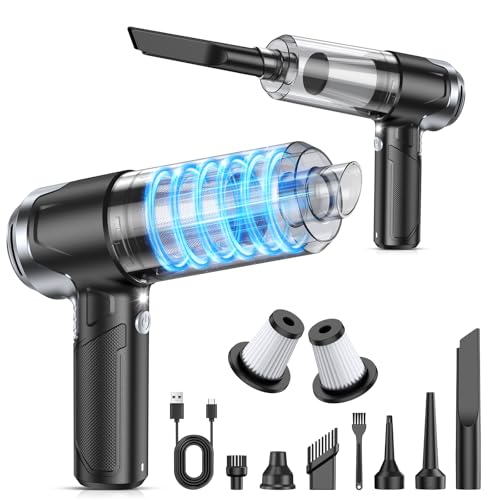
Premium car vacuums command prices that significantly exceed budget alternatives, raising legitimate questions about whether higher investment delivers proportional value. The vacuum market spans from under $30 to over $500, with premium products promising superior suction, better build quality, and features absent from budget options. Understanding when premium investment makes sense and when it represents unnecessary spending enables smarter purchasing decisions based on actual needs rather than marketing influence or brand perception.

The value calculation for premium equipment depends heavily on individual circumstances. Users whose cleaning demands exceed budget vacuum capability, who use equipment frequently, or who value durability over lowest purchase price may find premium investment worthwhile. Conversely, users with light cleaning needs, infrequent use patterns, or budget constraints may find premium pricing unjustifiable regardless of performance advantages. Honest assessment of your specific situation guides appropriate investment level.

This guide examines premium car vacuums, analyzing when high-end investment makes sense and when budget alternatives adequately serve your needs.
Key Takeaways
- Premium products deliver genuine performance advantages: Higher prices often reflect real capability differences
- Value depends on your specific needs: Premium benefits matter more for some users than others
- Durability affects total cost of ownership: Longer lifespan may justify higher purchase price
- Not everyone needs premium equipment: Light users may be well served by budget options
- Evaluate against your actual requirements: Don't pay for capability you won't use
Table of Contents
What Premium Pricing Buys
Understanding what distinguishes high-end products from budget alternatives.
Stronger motors deliver more suction power. Premium vacuums extract debris that budget vacuums leave behind.
Better battery technology in cordless models provides longer runtime and better longevity. Premium batteries maintain capacity longer.
Superior build quality using better materials supports longer useful lifespan. Premium construction outlasts budget alternatives.
Advanced filtration systems capture finer particles. HEPA and multi-stage filtration exceed basic filter capability.
Comprehensive attachment systems enable versatile cleaning. Purpose-designed tools for various surfaces and situations.
When Premium Makes Sense
Circumstances where higher investment provides appropriate value.
Demanding cleaning requirements that exceed budget capability. Heavy debris, embedded contamination, or stubborn pet hair may need premium suction.
Frequent cleaning use that justifies better equipment. Daily or near-daily use amortizes premium cost over many uses.
Expectation of long-term ownership rather than frequent replacement. Users wanting equipment that lasts for years rather than months.
Multipurpose use beyond car cleaning. Premium handheld serving home and car cleaning provides broader value.
Users whose time has significant value. Faster, more effective cleaning from better equipment provides time savings.
When Premium Doesn't Make Sense
Circumstances where budget alternatives may serve equally well.
Light cleaning needs with minimal debris accumulation. Simple dust and crumbs don't require premium capability.
Infrequent cleaning where equipment sits unused most of the time. Occasional use doesn't justify substantial investment.
Budget constraints that make premium pricing genuinely difficult. Adequate cleaning capability exists at lower prices.
Situations where equipment may be lost, stolen, or damaged. Higher replacement cost concern with premium equipment.
Users satisfied with good enough results rather than requiring optimal performance.
Performance Comparison
How premium products actually outperform budget alternatives.
Suction power measurably higher enables extraction of debris budget vacuums pass over. Real-world cleaning effectiveness improves.
Sustained performance without suction loss as containers fill. Premium cyclonic systems maintain suction better than budget filtration.
Runtime on premium cordless models extends cleaning capability. More cleaning per charge than budget batteries provide.
Noise levels often lower despite stronger motors. Premium engineering reduces noise without sacrificing power.
Attachment quality enables more effective cleaning of specific surfaces and areas.
Durability and Longevity
How build quality affects long-term value.
Premium materials withstand regular use better than budget construction. Housings, motors, and components last longer.
Better battery chemistry in premium products maintains capacity longer. Less degradation over ownership period.
Quality attachment connections resist wear. Tools stay securely attached without developing looseness.
Warranty coverage on premium products often exceeds budget product warranties. Manufacturer confidence in product longevity.
Total cost of ownership considering replacement frequency may favor premium despite higher purchase price.
Feature Advantages
Capabilities commonly found in premium products but absent from budget alternatives.
Advanced filtration including true HEPA captures allergens and fine particles budget filters miss.
Battery management systems optimize charging and usage for battery longevity.
Motorized attachments provide powered cleaning tools for challenging surfaces.
Digital displays and indicators provide operational feedback budget products lack.
Modular designs enabling component replacement rather than total product replacement when parts wear.
Premium Brands and Options
What the premium car vacuum market offers.
Dyson handheld models represent prominent premium options with strong brand recognition and engineering reputation.
Premium Shark models offer high-end capability at prices below Dyson.
Professional detailing equipment provides maximum capability at professional price points.
Premium features within mainstream brands offer mid-point options between budget and top-tier.
Model-specific evaluation matters more than brand assumptions. Premium brands have varying product tiers.
Evaluating Your Needs
Framework for determining appropriate investment level.
Assess current cleaning frequency and anticipated future use. How often will you actually use the equipment?
Evaluate cleaning demands honestly. Are budget vacuums genuinely inadequate, or just not preferred?
Consider total use case. Will premium vacuum serve multiple purposes or only car cleaning?
Factor ownership timeline expectations. How long do you expect to use this equipment?
Compare specific products rather than price categories. Some mid-range options may deliver most of premium benefit.
Middle Ground Options
Alternatives between budget and top-tier pricing.
Mid-range products from quality brands often deliver substantial performance improvement over budget without premium pricing.
Previous-generation premium products may offer current mid-range pricing with premium engineering.
Sales and promotions on premium products occasionally bring prices into more accessible range.
Refurbished premium equipment provides another value option for quality at reduced cost.
Professional-grade shop vacuums offer powerful performance at prices below premium cordless handhelds.
Making the Decision
Guidance for appropriate investment level.
Start with honest needs assessment before looking at products. Know what you need before marketing influences decision.
Consider total cost including expected lifespan. Premium product lasting twice as long costs the same per year of use.
Factor in frustration costs of inadequate equipment. Time wasted with weak suction has value.
Don't pay for features you won't use. Premium capability you don't need provides no value.
Trust your judgment about your own needs rather than following general recommendations.
Related Articles
Explore more car vacuum guides and reviews:
- Car Vacuum Cleaner Attachments Guide
- Best Cordless Car Vacuums Under $100
- Corded vs Cordless Car Vacuums: Which Type is Right for You?
- How to Vacuum Car Seats Properly
Frequently Asked Questions
Are expensive car vacuums worth it?
For users with demanding cleaning needs, frequent use, and expectation of long ownership, yes. For light, infrequent use, probably not. Value depends on matching investment to actual requirements.
How much should I spend on a car vacuum?
Depends on your needs. $30-50 serves light cleaning needs. $75-150 provides solid mid-range capability. $200+ for premium performance. Match spending to what you'll actually use.
Do premium vacuums really clean better?
Yes, genuinely higher suction and better tools extract debris that budget vacuums miss. The difference is real and measurable, though whether it matters depends on your specific cleaning challenges.
What's the best high-end car vacuum?
Dyson handheld models consistently rank highly for performance. Specific "best" depends on your priorities among suction, runtime, weight, and features. Research current models against your specific needs.
How long do premium car vacuums last?
Well-maintained premium vacuums often last 5-10 years. Battery capacity may decrease before overall product failure. Build quality supports longevity that budget products can't match.
Is Dyson the best car vacuum brand?
Dyson offers premium performance with premium pricing. "Best" depends on value priorities. Other brands offer strong performance for less cost. Dyson is a reasonable premium choice, not the only good option.
Should I buy premium for car cleaning only?
Single-purpose car cleaning may not justify premium investment. If you'll also use for home cleaning, broader utility improves value proposition. Car-only use may be well served by dedicated car vacuum.
What features justify premium car vacuum pricing?
Genuinely stronger suction, better runtime, superior filtration, and durable construction are meaningful premium features. Digital displays and connectivity add less practical value for most users.
Can mid-range vacuums match premium performance?
Some mid-range products approach premium performance at lower prices. The gap between mid-range and premium is often smaller than between budget and mid-range. Research specific products.
How do I know if I need a premium vacuum?
If budget vacuums frustrate you with weak performance, if you clean frequently, if you have challenging debris like pet hair, or if you value long-term durability, premium may serve you well. Light users with modest needs likely don't need premium.