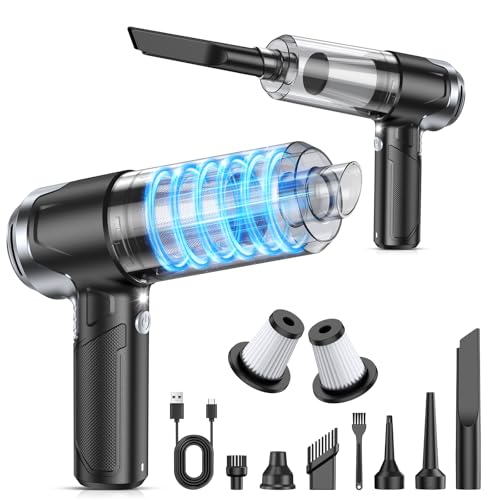
The Hikeren car vacuum cleaner offers wet and dry cleaning capability, addressing a common concern for car owners who face liquid spills alongside typical dry debris. Wet/dry vacuums eliminate the panic of coffee spills or rain-soaked floor mats by providing immediate cleanup capability for both conditions. For drivers who routinely face both wet and dry cleaning challenges, this versatility can prove genuinely useful.

Budget-priced wet/dry vacuums present inherent trade-offs. Engineering a vacuum to handle liquids adds complexity that either increases cost or reduces capability in other areas. The Hikeren attempts to deliver both wet and dry functionality at accessible pricing, raising questions about where compromises appear. Understanding these trade-offs helps buyers determine if wet/dry capability justifies any performance limitations.
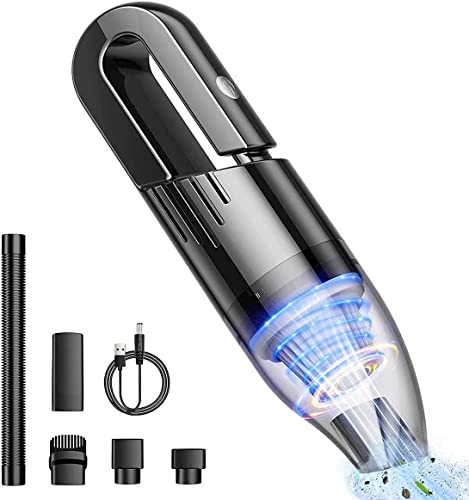
This review examines the Hikeren's actual performance for both wet and dry car cleaning applications.
Key Takeaways
- Wet and dry cleaning capability: Handles both liquid spills and typical debris
- Budget-friendly pricing: Accessible entry into wet/dry vacuum category
- 12V power from car outlet: Corded operation from cigarette lighter
- Compact design for car storage: Portable size fits in trunk or console
- Trade-offs in suction power: Versatility comes at performance cost
Table of Contents
Wet Cleaning Capability
Liquid spill cleanup represents the primary differentiator from dry-only vacuums. Small spills including coffee, water, and similar liquids can be extracted from car surfaces before they soak in and create stains or odors.
Capacity limitations restrict the volume of liquid the vacuum can handle. Small spills work well; large spills may require multiple emptying cycles. The wet capability is best suited for immediate response to fresh spills rather than attempting to extract soaked carpet.
Proper technique matters for wet cleaning. Working quickly on fresh spills produces better results than attempting to remove liquids that have penetrated deep into fabric or carpet padding.
Wet/dry vacuums require different filters for wet versus dry use. Using the wrong filter for the task damages performance or the vacuum itself.
Wet capability provides genuine utility for spill-prone situations.
Dry Cleaning Performance
Standard dry debris cleaning handles typical car interior mess. Crumbs, dust, dirt tracked in on shoes, and general debris yield to the vacuum's suction. Performance aligns with budget handheld vacuums rather than premium options.
Suction power represents the trade-off for wet/dry versatility. The motor and design compromises required for liquid handling reduce dry suction compared to dedicated dry vacuums at similar prices.
Surface debris cleanup works well. Embedded dirt in carpet fibers or heavy accumulation may require more effort or multiple passes. Maintenance cleaning between thorough cleanings remains practical.
Performance adequate for typical car debris.
Dry cleaning is functional but not exceptional.
12V Corded Operation
Power from the car's 12V cigarette lighter outlet provides continuous operation without battery limitations. No charging required and no runtime restrictions allow thorough cleaning sessions.
Cord length limits reach from the power outlet. Most 12V vacuums provide enough cord to reach throughout the vehicle interior, but rear cargo areas in larger vehicles may challenge shorter cords.
Power draw from the outlet is limited by fuse protection. Maximum suction capabilities are constrained by the 12V power source compared to household electrical outlets.
Corded operation eliminates battery concerns while creating reach limitations.
12V power is reliable but limited.
Design and Build Quality
Compact design allows storage in vehicle without significant space sacrifice. Trunk corners, under seats, or console storage accommodate the vacuum for always-available cleaning capability.
Build quality reflects budget pricing. Plastic construction keeps weight down while limiting durability compared to premium alternatives. Adequate for typical use but not built for abuse.
Ergonomic handling suits car cleaning motions. The vacuum maneuvers into tight spaces reasonably well despite its wet/dry requirements.
Construction appropriate for price point expectations.
Build quality is acceptable but not premium.
Attachments and Accessories
Standard attachments include crevice tool for tight spaces and brush for surface dusting. Basic accessories cover essential cleaning scenarios.
Attachment quality matches overall budget positioning. Functional but not exceptional. Connections may loosen over time with repeated use.
Some models include specialized wet cleaning attachments. Check included accessories for specific purchase to ensure wet cleaning tools are provided.
Basic attachment set addresses common needs.
Attachments are functional for intended use.
Filter and Maintenance
Wet/dry vacuums require proper filter selection for each cleaning type. Using dry filters for wet cleaning damages them; using wet-capable filters for dry cleaning may reduce performance.
Filter cleaning after wet use is essential. Moisture left in filters creates mold and unpleasant odors. Thorough drying after wet cleaning prevents these issues.
Washable filters reduce ongoing costs. Regular maintenance extends filter life and maintains performance.
Dust container emptying should occur after each use to prevent debris compaction and odor development.
Maintenance requirements exceed dry-only vacuums.
Noise Levels
12V motors produce moderate noise levels during operation. Not excessively loud but audible. Conversation remains possible during use.
Noise levels fall within typical range for compact car vacuums. Neither notably quiet nor problematic.
Sound does not restrict practical use scenarios.
Noise is acceptable for the category.
Sound levels present no significant concern.
Value Assessment
Budget wet/dry capability provides value for users facing both cleaning challenges. The ability to address liquid spills alongside regular cleaning expands utility beyond dry-only alternatives.
Value depends on how often wet cleaning capability is actually needed. Users who rarely face liquid spills may find better value in higher-performing dry-only options at similar prices.
For frequent wet cleaning needs, the Hikeren provides accessible entry into wet/dry vacuum functionality.
Price positioning makes trial practical without major investment.
Value strong for wet/dry needs at budget price.
Limitations to Consider
Suction power trails dedicated dry vacuums at similar prices. The wet/dry compromise reduces dry cleaning effectiveness.
Liquid capacity is limited. Large spills exceed single-emptying capability. Not designed for flood cleanup or heavy saturation.
12V power restricts maximum performance compared to household-powered alternatives.
Build quality reflects budget positioning with durability trade-offs.
Understanding limitations prevents disappointment.
Who Should Consider This Vacuum
Car owners who frequently face liquid spills. Coffee drinkers, parents with children, or anyone routinely cleaning wet messes benefits from the versatility.
Budget-conscious buyers wanting wet/dry capability. Entry into wet/dry category without major investment.
Those prioritizing versatility over maximum performance in either wet or dry cleaning.
Not ideal for users seeking maximum dry suction or handling large liquid volumes.
Best for versatility-focused budget buyers.
Related Articles
Explore more car vacuum guides and reviews:
- Car Vacuum Cleaner Attachments Guide
- Best Cordless Car Vacuums Under $100
- Corded vs Cordless Car Vacuums: Which Type is Right for You?
- How to Vacuum Car Seats Properly
Frequently Asked Questions
Can it really clean both wet and dry messes?
Yes, with proper filter selection for each type. Small liquid spills and typical dry debris both fall within its capabilities. Performance in each mode is adequate rather than exceptional, reflecting the versatility trade-off.
How much liquid can it hold?
Limited capacity suitable for small spills. Large spills require multiple emptying cycles. Not designed for heavy saturation or flood cleanup. Best for immediate response to fresh, small spills.
Is the suction strong enough?
Adequate for typical car debris and small liquid cleanup. Not as powerful as dedicated dry vacuums at similar prices. Wet/dry versatility requires performance compromises that affect suction capability.
Does it work while the car is off?
Can work with engine off but drains battery. Extended use without engine running risks depleting car battery. Best practice is running engine during vacuuming or keeping sessions brief with engine off.
Is Hikeren a reliable brand?
One of many brands in the budget car vacuum market. Quality varies within this category. Reading recent reviews for specific models provides better reliability indication than brand reputation alone.
How do I clean it after wet use?
Empty liquid immediately after use. Remove and clean filter thoroughly. Allow all components to dry completely before storage. Failure to dry properly leads to mold and odor development.
Can I use it on home carpet?
Limited use possible but designed primarily for automotive applications. 12V power and compact size limit home cleaning practicality. Dedicated household vacuums serve home needs better.
How long is the power cord?
Cord length varies by model. Most provide sufficient reach for complete vehicle interior access. Verify cord length for specific model if large vehicle reach is a concern.
Does it come with different filters for wet and dry?
Check specific model for included filters. Some include both types; others may require separate purchase for wet cleaning filter. Proper filter use is essential for performance and vacuum longevity.
Is it worth buying over a regular car vacuum?
If you frequently face liquid spills, the wet capability adds genuine value. If spills are rare, a dedicated dry vacuum provides better cleaning performance for similar cost. Evaluate your actual cleaning needs.