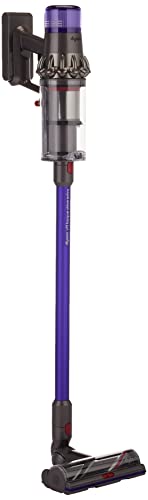
Weak suction from a handheld car vacuum transforms a useful cleaning tool into a frustrating exercise in futility. Debris that should lift readily remains in place despite direct vacuum contact. The convenience that makes handheld vacuums appealing becomes meaningless when performance doesn't meet basic cleaning requirements. Whether the suction weakness is inherent to the unit's design or has developed over time through use determines what solutions might restore acceptable performance.

Handheld vacuums occupy a difficult design space, balancing portability against performance. The compact size and lightweight construction that enable convenient use impose limitations on motor power, airflow volume, and battery capacity that larger vacuums don't face. Understanding these inherent constraints helps set realistic expectations while also identifying whether your particular unit is performing below its designed capability or simply reaching its design limitations.

This guide addresses weak suction in handheld car vacuums, covering both restoration of lost performance and realistic assessment of inherent limitations. The goal is maximizing what your equipment can deliver while understanding when equipment upgrade may be the actual solution.
Key Takeaways
- Clogged filters are the most common cause: Dirty filters dramatically reduce suction that cleaning restores
- Full containers restrict airflow: Even partially full containers can reduce suction significantly
- Battery condition affects cordless performance: Degraded batteries deliver less power to motors
- Design limitations may explain weakness: Some units simply lack power for certain debris types
- Technique affects perceived performance: Proper use maximizes available suction effectiveness
Table of Contents
- Filter Issues and Solutions
- Container and Airflow Path Issues
- Battery and Power Issues
- Motor and Mechanical Issues
- Understanding Design Limitations
- Maximizing Available Suction
- Maintenance for Sustained Performance
- When to Consider Upgrade or Replacement
- Evaluating Suction Needs Realistically
- Related Articles
- Frequently Asked Questions
Filter Issues and Solutions
Filter condition is the single most important factor in handheld vacuum suction performance. Addressing filter issues resolves most suction complaints.
Dirty filters restrict airflow that creates suction. As debris accumulates on filter media, air passage becomes progressively restricted. Suction at the intake depends on unrestricted airflow through the entire system; filter clogging affects suction directly.
Visual inspection may underestimate filter clogging. Filters that appear only moderately dirty may be significantly restricting airflow. Fine dust accumulation not visible on the surface clogs filter pores.
Cleaning or replacing filters restores lost suction in most cases. Washable filters should be cleaned according to manufacturer instructions; disposable filters should be replaced. Ensure complete drying of washed filters before reinstallation.
Filter cleaning frequency should match use intensity. Heavy use requires more frequent cleaning than light use. Don't wait for noticeable suction decline; establish regular cleaning schedule based on your usage pattern.
Multiple filter stages mean multiple clog points. Some handhelds have pre-filters and main filters; all stages need attention. A clogged pre-filter affects suction even if main filter is clean.
Container and Airflow Path Issues
Beyond filters, other airflow restrictions reduce suction performance.
Full or overfull containers restrict airflow. Container capacity isn't just about debris storage; adequate empty space is needed for airflow. Empty containers well before completely full.
Debris blocking airflow paths reduces suction regardless of filter condition. Check intake openings, internal pathways, and connections for debris that might be restricting airflow.
Improperly seated containers or covers can create air leaks. Suction at intake depends on sealed system directing all airflow through the intended path. Air leaking around poorly seated components reduces suction at the nozzle.
Cracked containers or housings create suction-robbing air leaks. Inspect housing for damage that might allow unintended air entry.
Gaskets and seals degrade over time. Components that sealed properly when new may develop leaks as seals age. Inspect sealing surfaces and replace degraded gaskets if possible.
Battery and Power Issues
Cordless handheld vacuums depend on battery performance. Degraded batteries deliver less power and reduced suction.
Battery capacity declines with age and charge cycles. Batteries that provided full power when new may now deliver reduced capacity, affecting motor power and suction. This decline is gradual and may not be obvious until significant.
Incomplete charging leaves batteries below full capacity. Ensure full charge before use; partial charging provides partial capacity. Check that charger and charging connection function properly.
Temperature affects battery performance. Cold batteries deliver less power than warm batteries. Allow cold batteries to warm before expecting full performance.
Battery replacement restores power for vacuums with degraded batteries. If battery is replaceable, new battery may restore original performance. If battery is integrated, replacement may not be practical.
Compare fully charged performance to original capability. If full charge no longer provides original suction level, battery degradation is likely cause.
Motor and Mechanical Issues
Motor problems can cause suction weakness, though these are less common than filter and battery issues.
Brush obstructions in motorized attachments reduce brush effectiveness without necessarily affecting suction measurement. Hair and debris wrapped around brushes prevent proper rotation. Clear brush obstructions.
Motor wear over time reduces performance. Brushed motors experience brush wear; all motors experience bearing wear. Gradual performance decline over extended use may indicate motor wear.
Unusual motor sounds suggest developing problems. Grinding, squealing, or irregular sounds indicate wear or damage that may be affecting performance and could worsen.
Thermal protection may limit motor output. Some motors reduce power when approaching thermal limits. If suction declines during extended use and recovers after cooling, thermal limiting may be occurring.
Motor failure is possible but usually obvious. Complete motor failure stops operation; partial motor problems are harder to diagnose without testing equipment.
Understanding Design Limitations
Some suction weakness reflects design constraints rather than problems that can be fixed.
Small motors produce limited suction. Handheld size constraints limit motor size, which limits suction capability. This is design reality, not malfunction.
Battery capacity limits sustained power. The trade-off for cordless convenience is limited runtime and power compared to corded alternatives.
Lightweight construction affects durability. Components designed for minimum weight may not maintain performance as well as heavier, more robust alternatives.
Price reflects capability. Budget handheld vacuums typically use smaller motors and lower capacity batteries than premium units. Expecting premium performance from budget equipment leads to disappointment.
Manufacturer specifications indicate design capability. If your vacuum is performing near its specified suction, it's working as designed even if that doesn't meet your expectations.
Maximizing Available Suction
Regardless of vacuum capability, proper use maximizes effectiveness of available suction.
Direct nozzle contact with debris concentrates suction on material to be removed. Hovering above surfaces dissipates suction into surrounding air rather than focusing on debris.
Slow, deliberate passes give suction time to work. Fast movement passes over debris before suction can lift it. Slow speed improves debris capture.
Correct attachment selection matches suction concentration to debris type. Narrow attachments concentrate suction for focused cleaning; wide attachments spread suction over larger areas with less force per point.
Angle and approach affect suction effectiveness. Position nozzle to address debris directly rather than at angles that reduce effective suction.
Pre-loosening embedded debris reduces suction requirement. Brush or agitate embedded material before vacuum extraction; loosened debris requires less suction to lift.
Maintenance for Sustained Performance
Regular maintenance prevents gradual performance decline that use naturally causes.
Clean filters after every use or according to schedule that matches your usage intensity. Don't wait for suction problems to indicate filter cleaning need.
Empty containers completely and regularly. Running with partially full container reduces airflow even if capacity technically remains.
Inspect for developing blockages periodically. Catching partial blockages before they become complete maintains performance.
Check seals and gaskets for degradation. Replace before air leaks develop.
Store properly between uses. Avoid conditions that might damage batteries, housing, or other components.
When to Consider Upgrade or Replacement
Sometimes the right solution is different equipment rather than attempting to improve inadequate equipment.
If designed capability is insufficient, no maintenance or technique improvement changes fundamental limitations. Equipment with greater inherent capability may be needed.
Accumulated wear beyond economical repair suggests replacement. When repair cost approaches replacement cost, replacement provides new equipment with full lifespan remaining.
Changed needs may exceed original equipment capability. What worked for previous use patterns may not satisfy changed requirements.
Technology improvement may make replacement worthwhile. Newer vacuums may offer better performance than older equipment even when older equipment is functioning properly.
Compare repair and upgrade costs to replacement cost for rational decision. Sometimes maintaining old equipment makes sense; sometimes replacement is better value.
Evaluating Suction Needs Realistically
Matching expectations to handheld vacuum capability prevents disappointment from unrealistic demands.
Handheld vacuums suit light duty and maintenance cleaning. Expecting deep cleaning or heavy debris handling from handheld equipment sets up frustration.
Surface debris responds to moderate suction. Loose dust, crumbs, and similar material lifts with suction levels handhelds can provide.
Embedded debris may exceed handheld capability. Deep carpet cleaning and embedded contamination require suction and agitation that handhelds typically cannot deliver.
Supplementing handheld with more capable equipment for intensive tasks extends handheld utility for appropriate applications.
Realistic role definition prevents overdemanding handheld equipment beyond its intended purpose.
Related Articles
Explore more car vacuum guides and reviews:
- Car Vacuum Cleaner Attachments Guide
- Best Cordless Car Vacuums Under $100
- Corded vs Cordless Car Vacuums: Which Type is Right for You?
- How to Vacuum Car Seats Properly
Frequently Asked Questions
Why does my handheld vacuum have such weak suction?
Most commonly, clogged filters restrict airflow and reduce suction. Other causes include full containers, blocked pathways, degraded batteries in cordless units, or inherent design limitations of compact vacuums. Start by cleaning or replacing filters; this resolves most suction complaints.
How often should I clean my handheld vacuum filter?
Clean after every use for best performance, or at minimum after every few uses. Heavy use requires more frequent cleaning. Don't wait for noticeable suction decline; regular cleaning prevents problems rather than reacting to them.
Will a new filter improve my vacuum's suction?
If current filter is clogged or damaged, replacement will likely improve suction significantly. If filter is already clean and undamaged, new filter won't change performance. Filter condition directly affects suction capability.
Why does my cordless vacuum lose suction as the battery drains?
Motor power depends on battery voltage, which declines as batteries discharge. This is normal for battery-powered equipment. Full charge provides maximum suction; suction declines as charge depletes. Fully charge before use for best performance.
Can I increase my handheld vacuum's suction power?
You can restore designed suction by addressing filters, containers, and airflow paths. You cannot increase suction beyond designed capability. If designed capability is insufficient, more powerful equipment is needed rather than modification.
Is my handheld vacuum supposed to have this much suction?
Compare your vacuum's performance to manufacturer specifications if available. Handhelds inherently have less suction than larger vacuums due to motor size constraints. If performance matches specifications, the vacuum is working as designed even if that seems weak.
Why does my vacuum lose suction during extended use?
Container filling during use reduces airflow space. Motor heating may trigger thermal protection that limits power. Battery discharge reduces available power in cordless units. These factors combine to reduce sustained performance below initial performance.
Should I buy a more powerful handheld or a different type of vacuum?
If current handheld is insufficient for your needs, consider whether a more powerful handheld would solve the problem or whether you need a different vacuum type entirely. For heavy duty cleaning, corded or full-size vacuums provide capability handhelds cannot match.
How do I know if my handheld vacuum's motor is failing?
Unusual sounds like grinding or squealing, reduced suction despite clean filters and full charge, or intermittent operation suggest motor problems. Compare performance to original capability; significant unexplained decline may indicate motor wear.
My handheld vacuum was fine before, why is it weak now?
Gradual performance decline typically results from accumulated filter clogging, battery degradation in cordless units, or developing air leaks. Start with thorough cleaning and filter service; check battery condition for cordless models; inspect for air leaks in housing and seals.