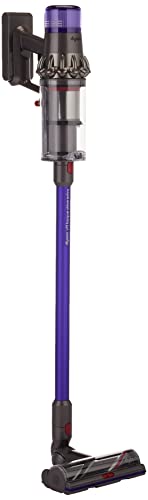
Few things are more frustrating than pulling out your car vacuum to clean your vehicle, only to have the vacuum itself emit an unpleasant odor that makes cleaning worse instead of better. That musty, stale, or downright foul smell coming from your vacuum defeats the entire purpose of cleaning and can actually transfer unwanted odors to your freshly cleaned car interior. Understanding what causes vacuum odors and how to address them transforms this common frustration into a solvable problem that keeps your cleaning equipment working the way it should.

The good news is that most vacuum odors stem from identifiable, addressable causes rather than irreparable damage. Whether you're dealing with the musty smell of mold growth, the unpleasant scent of decomposing organic matter, or the concerning odor of an overheating motor, each situation has appropriate solutions. This comprehensive guide walks through the common causes of car vacuum odors, provides step-by-step solutions for each scenario, and outlines prevention strategies that keep your vacuum smelling fresh for the long term.
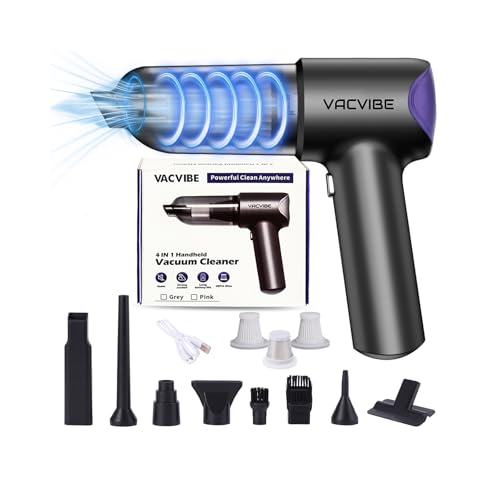
Taking the time to address vacuum odor issues pays dividends beyond just eliminating unpleasant smells. A properly maintained vacuum performs better, lasts longer, and makes the entire car cleaning experience more pleasant. Many people unknowingly contribute to odor problems through habits that seem harmless but create conditions where smells develop. Understanding these connections helps establish maintenance routines that prevent problems before they start.
Table of Contents
- Why Car Vacuum Odors Develop
- Accumulated Debris: The Most Common Culprit
- Filter Problems and Associated Odors
- Mold and Mildew Growth in Vacuum Systems
- Motor and Electrical Odors
- Step-by-Step Dust Container Cleaning
- Comprehensive Filter Odor Elimination
- Treating Established Mold and Mildew
- Proactive Deodorizing Methods
- Prevention Strategies for Long-Term Freshness
- Addressing Burning and Motor Smells
- Complete Deep Cleaning Protocol
- Recognizing When Replacement Makes Sense
- Keeping Your Vacuum Fresh Going Forward
- Related Articles
- Frequently Asked Questions
Why Car Vacuum Odors Develop
Vacuum odors don't appear randomly—they result from specific conditions within the vacuum system that allow smells to develop and intensify over time. Understanding the underlying causes helps target solutions effectively rather than just masking symptoms temporarily.
The enclosed nature of vacuum systems creates ideal environments for odor development when certain conditions exist. Debris sits in enclosed spaces where air circulation is limited. Warmth from the motor accelerates decomposition processes. Moisture from various sources promotes bacterial and mold growth. The combination of these factors in a confined space concentrates odors that then release during vacuum operation.
Most vacuum odor problems develop gradually rather than appearing suddenly. The progressive nature means users often don't notice developing smells until they become pronounced, at which point the underlying cause has had time to become established. This delayed recognition explains why addressing vacuum odors sometimes requires more extensive cleaning than a quick wipe-down.
The cyclical nature of vacuum operation concentrates odors during use. When the vacuum runs, airflow pulls air through the debris chamber and filter before exhausting it. Any odor-causing materials in this path release their smells into the exhaust air, which is why vacuum odors often seem worse during operation than when the vacuum sits idle.
Accumulated Debris: The Most Common Culprit
The most frequent cause of car vacuum odors is simply debris that has accumulated in the dust container or bag over time. While dry dust itself doesn't smell particularly bad, the mixture of materials collected during car cleaning creates conditions where odors develop readily.
Food particles represent a significant odor source in car vacuums. The crumbs, fragments, and residues from eating in vehicles might seem insignificant when vacuumed up, but organic food matter decomposes over time. In the warm, enclosed environment of a vacuum dust chamber, this decomposition produces increasingly unpleasant odors that intensify with each passing day the debris remains in the vacuum.
Pet hair brings more than just fur into the vacuum collection system. Associated oils from pet skin, dander particles, and any biological matter clinging to the hair all collect in the vacuum along with the visible fur. These organic materials decompose and produce odors characteristic of pet-related smells—not just dirty pet smell, but the more pungent odor of decomposing organic matter.
Moisture entering the vacuum system dramatically accelerates odor development. When wet debris gets vacuumed—whether from damp carpet, tracked-in water, or spilled liquids that weren't completely dry—the moisture creates conditions where bacteria and mold thrive. The same debris that might sit harmlessly if dry becomes a rapidly deteriorating odor source when wet.
Even seemingly dry debris can develop odors in humid conditions. Parking cars in humid environments or storing vacuums in garages with high humidity allows moisture from the air to affect collected debris. The debris absorbs this atmospheric moisture and begins the same decomposition processes that occur with directly vacuumed wet material.
Filter Problems and Associated Odors
Filters serve as concentration points for fine particles, including the microscopic materials that contribute to odors. Every bit of air passing through the vacuum also passes through the filter, depositing a progressive accumulation of material that can become significant odor sources over time.
The fine particles that filters capture include dust, dander, pollen, bacteria, and countless microscopic bits of organic matter. While individually insignificant, the accumulated mass of this material creates a concentrated source of potential odor. As the filter becomes increasingly loaded with material, it becomes increasingly likely to develop and release odors during vacuum operation.
Improperly dried filters represent one of the most common causes of persistent vacuum odors. When washable filters get cleaned but reinstalled before completely dry, the residual moisture creates ideal conditions for mold growth within the filter material itself. This mold produces the characteristic musty smell that many users recognize as a sign of vacuum problems.
The hidden nature of filter mold makes it particularly problematic. The filter may look clean and appear dry on the surface while harboring moisture and mold growth deep within its material. Users then struggle to understand why their vacuum smells bad despite apparently proper filter maintenance. The solution requires ensuring complete drying throughout the filter depth, not just surface dryness.
Filters that cannot be washed present different challenges when odors develop. These filters accumulate the same odor-causing materials but cannot be cleaned as thoroughly. When a non-washable filter develops odor problems, replacement often becomes the only effective solution. The cost of replacement filters should factor into purchase decisions for users who anticipate heavy or odor-prone use.
Mold and Mildew Growth in Vacuum Systems
Mold and mildew growth represents one of the more serious causes of vacuum odors because it actively produces smell-causing compounds rather than just passively holding odorous material. Once established, mold continues generating odors until completely eliminated—partial cleaning often proves ineffective.
The conditions that allow mold growth in vacuums are surprisingly common. Any persistent moisture source combined with organic material to serve as food creates viable mold growth conditions. The interior of vacuum systems offers protected environments where mold can establish and spread without disturbance from external factors.
Mold growth spreads through vacuum systems more readily than many users realize. Spores travel through the airflow pathway, potentially colonizing multiple locations within the vacuum. What begins as localized mold growth in one area can spread to filters, airways, and any surfaces where conditions support growth. This spreading nature explains why addressing mold problems often requires comprehensive cleaning rather than spot treatment.
The musty smell characteristic of mold growth differs from other vacuum odors in ways that help identify the underlying cause. While decomposing organic matter produces varied unpleasant smells, mold growth produces a distinctive earthy, musty odor that experienced users often recognize immediately. Identifying mold as the cause helps target appropriate solutions.
Storage conditions significantly influence mold development risk. Vacuums stored in humid environments—garages, basements, or poorly ventilated closets—face elevated mold risk even without direct moisture introduction. The ambient humidity provides sufficient moisture for mold growth when combined with organic debris that always accumulates in vacuum systems.
Motor and Electrical Odors
Not all vacuum odors come from debris or biological growth—some originate from the vacuum's mechanical and electrical components. These odors require different attention because they may indicate safety concerns rather than just maintenance needs.
Overheating motors produce a distinctive hot or burning smell that differs noticeably from organic odors. This smell results from electrical components and motor parts heating beyond their designed operating temperatures. Causes include blocked airflow from overfilled dust chambers or clogged filters, debris restricting air passages, or motor problems that increase operating temperature.
The hot dust smell that occurs during vacuum operation often doesn't indicate problems—some heating of internal components is normal. However, progressively worsening hot smells or the appearance of acrid, burning odors warrants attention. These changes may indicate developing problems that could eventually damage the vacuum or create safety hazards.
Belt-related odors affect vacuums with belt-driven brush rolls. When belts slip due to debris obstruction, stretching, or wear, the friction generates a characteristic rubber smell. While not immediately dangerous, this smell indicates belt problems that will worsen without attention. Continuing to operate a vacuum with belt issues causes rapid belt deterioration and reduced cleaning effectiveness.
Electrical burning smells represent the most serious odor concern in any vacuum. These smells indicate insulation breakdown, short circuits, or other electrical problems that could pose fire risks. Any vacuum producing electrical burning smells should be immediately unplugged and either professionally inspected or replaced. Continuing to use equipment with electrical odors creates genuine safety hazards.
Step-by-Step Dust Container Cleaning
Properly cleaning the dust container addresses the most common source of vacuum odors. The process differs somewhat between bagless and bagged vacuum designs, but the underlying principles apply to both: remove all debris, clean the container, eliminate odor-causing residues, and ensure complete drying before reassembly.
For bagless vacuums with removable dust chambers, begin by emptying the container completely over a trash receptacle. Simply dumping the contents doesn't suffice—check for debris clinging to chamber walls, lodged in corners, or stuck to internal surfaces. Use a brush or your finger to dislodge stubborn material that doesn't fall out with simple inversion.
Wash the empty dust chamber using warm water and mild dish soap. The soap helps cut through oily residues from pet hair, food particles, and other organic matter that water alone might not remove. A soft brush helps clean textured surfaces or corners that are difficult to reach. Rinse thoroughly to remove all soap residue, which could affect vacuum performance or cause its own odors if left behind.
After washing, apply a deodorizing treatment before drying. A paste of baking soda and water applied to interior surfaces and allowed to sit for 15-20 minutes absorbs odors embedded in the plastic. Alternatively, a white vinegar rinse helps neutralize odors and kills odor-causing bacteria. Either approach provides deodorizing beyond what simple washing achieves.
Complete drying before reassembly is absolutely critical. Even small amounts of residual moisture create conditions where mold can begin growing immediately after the vacuum returns to use. Air dry the chamber in a well-ventilated area, preferably with exposure to sunlight whose UV rays help kill bacteria and break down odor compounds. Allow 24-48 hours of drying time rather than rushing reassembly.
For bagged vacuums, replace the bag rather than attempting to clean or reuse it. Vacuum bags are designed as disposable components, and their paper or fabric construction makes effective cleaning impractical. The bag compartment itself should be wiped clean to remove any debris that escaped the bag and any residue that accumulated on compartment surfaces.
Comprehensive Filter Odor Elimination
Filter cleaning requires attention to both removing accumulated debris and ensuring complete drying to prevent mold development. The process differs between washable and non-washable filter types, with more limited options for filters that cannot tolerate water.
Before washing, tap washable filters firmly against a hard surface to dislodge loose debris. This preliminary step removes the bulk of accumulated material and makes the washing process more effective. Perform this tapping outdoors or over a trash receptacle to avoid creating mess in living spaces.
Wash washable filters under running water, working from the clean side to push debris out through the dirty side rather than driving it deeper into the filter material. Continue rinsing until the water runs clear, indicating that visible debris has been removed. For stubborn accumulation, gentle agitation helps dislodge material without damaging the filter structure.
Apply a deodorizing soak after the initial washing. Submerge the filter in a solution of water and baking soda—approximately one tablespoon of baking soda per cup of water—for 15-30 minutes. This soak allows the baking soda to penetrate the filter material and neutralize odors embedded within. After soaking, rinse again with clean water to remove the baking soda solution.
The drying phase requires patience and attention to thoroughness. Filter material is designed to trap particles, which means it also traps moisture within its structure. Surface dryness doesn't indicate complete drying throughout the filter depth. Allow minimum 24 hours of air drying in a well-ventilated area, with 48 hours being safer for thicker filters or humid conditions.
Test for complete dryness before reinstalling by pressing the filter material firmly and feeling for any moisture. Smell the filter—any musty or damp odor indicates incomplete drying that requires additional time. Reinstalling a filter that isn't completely dry virtually guarantees mold development and recurring odor problems.
Non-washable filters offer limited cleaning options. Tapping to remove loose debris helps, and using another vacuum to clean the filter surface can remove some accumulated material. However, once odors have developed in non-washable filters, replacement typically provides the only reliable solution. Consider the cost and availability of replacement filters when making vacuum purchase decisions.
Treating Established Mold and Mildew
When mold has established itself in a vacuum system, standard cleaning often proves insufficient. Mold requires more aggressive treatment because it has grown into surfaces and will regenerate from surviving spores unless completely eliminated.
Begin by disassembling the vacuum as completely as possible to access all areas where mold might have established. Remove the dust chamber, filters, hose, and any other detachable components. This disassembly allows inspection and treatment of areas that remain hidden during normal cleaning.
Inspect all surfaces for visible mold growth. Mold may appear as fuzzy patches, discoloration, or dark spots on surfaces. Check not just the obvious areas like the dust chamber but also hose interiors, attachment connections, air passages, and any crevices where moisture might accumulate. The extent of visible growth helps determine whether treatment or replacement makes more sense.
Clean affected areas with a diluted white vinegar solution—approximately equal parts vinegar and water. Vinegar's acidity kills mold effectively without introducing harsh chemicals into the vacuum system. Apply the solution to affected surfaces, allow it to sit for at least 10-15 minutes to work on the mold, then scrub to remove growth and wipe clean.
For hard-to-reach areas like hose interiors, pour vinegar solution through the hose and allow it to contact internal surfaces. Swirling and shaking helps ensure coverage of interior walls. Rinse thoroughly afterward to remove the vinegar and killed mold material.
Filters affected by mold growth should typically be replaced rather than treated. The porous nature of filter material makes complete mold elimination difficult, and surviving spores can regenerate growth after treatment. The cost of filter replacement is minimal compared to recurring mold problems from inadequately treated filters.
After treatment, complete drying becomes even more critical than for routine cleaning. Mold thrives in moisture, and any residual dampness from the cleaning process can enable rapid recolonization. Allow extended drying time—48 hours minimum—before reassembling and returning the vacuum to service.
Proactive Deodorizing Methods
Beyond addressing existing odors, proactive deodorizing methods help maintain fresh-smelling vacuum operation. These approaches work best as supplements to proper maintenance rather than substitutes for addressing underlying odor causes.
The baking soda method leverages the vacuum's normal operation to distribute deodorizer throughout the system. Sprinkle baking soda on the floor or a mat, then vacuum it up normally. As the baking soda passes through the vacuum, it absorbs odors from the dust chamber, airways, and filter. This technique works well for maintenance but doesn't address severe odor problems requiring direct cleaning.
Essential oil treatments provide pleasant scents during vacuum operation. Add a few drops of essential oil to a cotton ball or small piece of paper towel, then place it in the dust chamber or near the air exhaust. During operation, airflow carries the essential oil scent through the exhaust air. Popular choices include lavender for its pleasant calming scent, eucalyptus for a clean fresh smell, and tea tree for its natural antimicrobial properties.
It's worth noting that essential oil treatments mask odors rather than eliminating their sources. While they improve the immediate cleaning experience, they don't address underlying problems that cause odors. Use essential oils as supplements to proper maintenance rather than alternatives to addressing actual odor causes.
Commercial vacuum deodorizers and fresheners designed specifically for vacuum use offer convenience and effectiveness. These products come in various forms including scented granules for vacuuming, filter treatments, and freshener disks that attach inside vacuum chambers. Quality commercial products can provide longer-lasting freshness than DIY methods.
Prevention Strategies for Long-Term Freshness
The most effective approach to vacuum odors is preventing them from developing in the first place. Consistent maintenance habits and appropriate use practices create conditions where odors cannot establish themselves.
Empty the dust container after every use, regardless of how full it appears. Debris sitting in the vacuum between uses has time to decompose, develop odors, and potentially develop mold in the presence of moisture. The minor inconvenience of emptying after each use prevents the major inconvenience of addressing established odor problems.
Maintain filters according to manufacturer recommendations or more frequently when cleaning conditions warrant. Heavy use, pet hair cleaning, or dusty conditions increase filter accumulation rates and may require cleaning before the standard schedule suggests. Clean filters maintain airflow that keeps the motor cool and prevents debris from being pushed into areas where it shouldn't accumulate.
Store vacuums in dry, well-ventilated areas away from humidity sources. Garages, basements, and closets in humid climates present elevated mold risk that proper storage avoids. If humid storage is unavoidable, leaving the dust container lid slightly open allows air circulation that helps prevent moisture accumulation.
Avoid vacuuming wet or damp materials whenever possible. If wet debris must be cleaned, use a wet/dry vacuum designed for that purpose rather than a standard dry vacuum. When standard vacuums contact moisture inadvertently, allow them to dry thoroughly before returning to storage—leaving the dust chamber open and removing the filter for separate drying.
Address spills and wet messes with appropriate methods before vacuuming. Let wet spots dry completely, or use absorbent materials to remove moisture before the vacuum touches the area. This patience prevents moisture introduction that causes so many vacuum odor problems.
Addressing Burning and Motor Smells
Motor and electrical smells require different approaches than organic odors because they may indicate safety concerns that simple cleaning cannot address. Taking appropriate action based on the specific smell type protects both the vacuum and the user.
For motor overheating smells—a hot, slightly burnt odor without the acrid quality of electrical burning—stop using the vacuum and check for airflow restrictions. A full dust chamber, clogged filter, or blocked hose all reduce airflow that the motor needs for cooling. Address any identified restrictions, then allow the motor to cool completely before testing. If the smell persists after clearing restrictions and cool-down, the motor may have sustained damage or have developing problems requiring professional attention.
Belt-related rubber smells indicate the brush roll belt is slipping rather than turning the brush properly. Check for debris wrapped around the brush roll that prevents free rotation—hair accumulation is a common culprit. Inspect the belt for stretching, wear, glazing, or cracking. Belts showing wear should be replaced, and many users find preemptive belt replacement on a regular schedule prevents the frustration of mid-cleaning belt failures.
Electrical burning smells—acrid, sharp, distinctly electrical in character—require immediate action. Stop using the vacuum immediately and unplug it from power. Do not attempt to diagnose or repair electrical problems unless you have appropriate expertise. For most users, electrical burning smells mean the vacuum has reached the end of safe service life and should be replaced. The cost of a new vacuum is trivial compared to electrical fire risks.
Complete Deep Cleaning Protocol
When vacuum odors persist despite targeted cleaning efforts, a comprehensive deep cleaning addresses all potential odor sources simultaneously. This protocol takes more time than routine maintenance but provides thorough elimination of established odor problems.
Begin by disassembling the vacuum completely. Remove the dust chamber, filter, hose, all attachments, and any other detachable components. This complete disassembly provides access to all surfaces and areas where odor-causing materials might accumulate.
Clean each component individually using appropriate methods. Wash the dust chamber and washable components with soap and water, apply deodorizing treatments, and set aside for drying. Clean or replace filters as appropriate for their type. Clean hose interiors by running water through or applying cleaning solutions as needed.
Inspect and clean air passages within the vacuum body itself. Use a damp cloth to wipe accessible interior surfaces. A flashlight helps identify debris accumulation in internal areas. For passages too narrow for direct cleaning, a can of compressed air can dislodge accumulated material.
Apply deodorizing treatment to the vacuum body where possible. Wiping internal surfaces with diluted vinegar solution helps neutralize odors embedded in plastic components. Baking soda paste applied to plastic surfaces and allowed to sit before wiping clean provides additional deodorizing.
Allow extended drying time for all components—minimum 48 hours in a well-ventilated area. This patience ensures complete moisture elimination from all components, preventing the mold growth that incomplete drying enables. Rushing reassembly undermines the entire deep cleaning effort.
Reassemble the vacuum and test before returning to regular use. If odors persist despite thorough deep cleaning, the problem may have permeated the vacuum body in ways that cleaning cannot address. At this point, replacement becomes the most practical solution.
Recognizing When Replacement Makes Sense
Sometimes the most practical solution to vacuum odor problems is replacing the vacuum rather than continuing to battle persistent smells. Recognizing when replacement makes sense prevents wasted effort on vacuums that cannot be salvaged.
Persistent odor despite thorough cleaning indicates the problem has permeated materials in ways that surface cleaning cannot address. Plastic components can absorb odors over time, becoming ongoing odor sources regardless of how clean the removable components are. When odors return immediately after deep cleaning, the body itself may have become the problem.
Visible mold that cannot be completely removed indicates contamination has established too deeply for practical elimination. If mold remains visible after treatment or rapidly returns after cleaning, the vacuum has become a mold reservoir that will continue causing problems. Health considerations add to performance concerns when persistent mold is involved.
Motor or electrical problems producing odors typically indicate end-of-life situations for consumer vacuums. While commercial repair might be economically sensible for expensive professional equipment, most consumer car vacuums cost less than professional repair services charge. Replacement provides a fresh start with known-good equipment.
The age and original cost of the vacuum factor into replacement decisions. A budget vacuum that has provided years of service may have reached the point where replacement makes more sense than extensive cleaning efforts. The time invested in deep cleaning and repeated treatment attempts has value too—sometimes spending money on a replacement saves more in time than continued cleaning efforts would cost.
Keeping Your Vacuum Fresh Going Forward
Eliminating current vacuum odors is only half the challenge—maintaining fresh-smelling operation requires ongoing attention that prevents new problems from developing. Establishing good habits makes long-term freshness practically automatic.
Regular emptying after each use remains the single most effective odor prevention measure. This simple habit requires minimal time but prevents the debris accumulation that creates most odor problems. Making emptying part of the post-cleaning routine ensures it happens consistently.
Scheduled filter maintenance catches accumulation before it becomes problematic. Whether on a calendar schedule or based on usage observation, regular filter attention prevents the gradual buildup that eventually produces odors. Clean filters also maintain vacuum performance, providing practical benefits beyond odor prevention.
Thoughtful storage protects vacuums during periods between use. Dry, ventilated storage locations prevent the moisture accumulation that enables mold growth. Avoiding long-term storage with debris still in the vacuum eliminates the extended decomposition that produces the worst odors.
Appropriate use practices prevent moisture introduction that causes so many odor problems. Letting wet areas dry before vacuuming, using appropriate equipment for wet messes, and drying the vacuum after any moisture contact all contribute to odor-free operation.
Periodic deodorizing treatments maintain freshness between deep cleanings. The baking soda method, essential oil treatments, or commercial fresheners all provide supplemental freshness with minimal effort. These treatments work best when the vacuum is properly maintained—they complement good habits rather than compensating for neglect.
Related Articles
Explore more car vacuum guides and reviews:
- Car Vacuum Cleaner Attachments Guide
- Best Cordless Car Vacuums Under $100
- Corded vs Cordless Car Vacuums: Which Type is Right for You?
- How to Vacuum Car Seats Properly
Frequently Asked Questions
Why does my car vacuum smell worse when running than when stored?
The vacuum's operation creates airflow that passes through all the areas where odor-causing materials accumulate. When running, the motor pulls air through the dust chamber, past the filter, and out the exhaust. Any odors present in these areas get carried along with this airflow and concentrated in the exhaust air. The result is much more noticeable odor during operation than during storage when air isn't actively flowing through the system.
Can I use bleach to clean my vacuum?
Bleach is generally not recommended for vacuum cleaning. While it kills mold and bacteria effectively, bleach can damage plastic components over time and may leave residue that causes its own problems. White vinegar provides similar disinfecting benefits without the potential for material damage. If you do use bleach, dilute it heavily and rinse thoroughly to minimize exposure and residue.
How long does the filter need to dry after washing?
Allow minimum 24 hours for filter drying, with 48 hours being safer for thicker filters or humid conditions. The porous structure of filters traps moisture throughout their depth, not just on surfaces. A filter that feels dry on the surface may still contain moisture inside that will enable mold growth after reinstallation. When in doubt, allow additional drying time rather than rushing reassembly.
Is the burning smell from my vacuum dangerous?
It depends on the smell type. A hot or warm smell during heavy use may just indicate normal motor warming and isn't necessarily dangerous. However, an acrid, sharp electrical burning smell indicates potential problems that could pose fire risks. Stop using any vacuum producing electrical burning smells immediately and either have it professionally inspected or replace it. The small cost of replacement isn't worth the risk of electrical fire.
Why does my vacuum smell bad even after I cleaned the dust container?
Odors can come from multiple sources beyond the dust container. The filter often accumulates odor-causing material that requires separate attention. Mold may have established in areas you haven't cleaned. Debris may have accumulated in the hose, attachments, or internal airways. Persistent odors after dust container cleaning indicate the need to expand cleaning efforts to other components and areas of the vacuum system.
Can vacuum odors transfer to my car interior?
Yes, vacuum odors can transfer to surfaces being cleaned, particularly fabrics that absorb odors readily. The exhaust air from an odorous vacuum carries those smells and deposits them where it contacts interior surfaces. This transfer defeats the purpose of cleaning and provides strong motivation for addressing vacuum odor problems before they can spread to your vehicle interior.
How often should I do a deep cleaning of my vacuum?
For typical use with regular maintenance, a thorough deep cleaning every 3-6 months prevents odor accumulation. More frequent deep cleaning may be needed for heavy use, pet hair cleaning, or other conditions that accelerate debris and odor accumulation. If you notice odors developing despite regular emptying and filter maintenance, a deep cleaning is indicated regardless of how recently the last one was performed.
Do essential oils damage vacuum components?
Most essential oils are safe for occasional vacuum use in small quantities. However, some oils can degrade rubber and certain plastics with prolonged contact. Avoid allowing essential oils to contact rubber gaskets, seals, or belt components directly. Using oils on a cotton ball or paper towel rather than applying them directly to vacuum surfaces minimizes any risk of material degradation.
Why does my vacuum smell worse in summer?
Heat accelerates the decomposition of organic material collected in the vacuum, producing more rapid and intense odor development. Additionally, summer humidity can introduce moisture to debris even without direct wetting. Vacuums stored in hot garages or cars during summer face particularly challenging conditions. More frequent emptying and maintenance during warm months helps counteract these seasonal effects.
Should I throw away my vacuum if it smells bad?
Not necessarily—most vacuum odors can be addressed through proper cleaning and maintenance. However, replacement makes sense when thorough deep cleaning fails to eliminate odors, when mold has established too deeply for practical elimination, or when electrical or motor problems are causing the smell. Consider the vacuum's age, original cost, and the time investment required for extensive cleaning efforts when deciding between restoration and replacement.