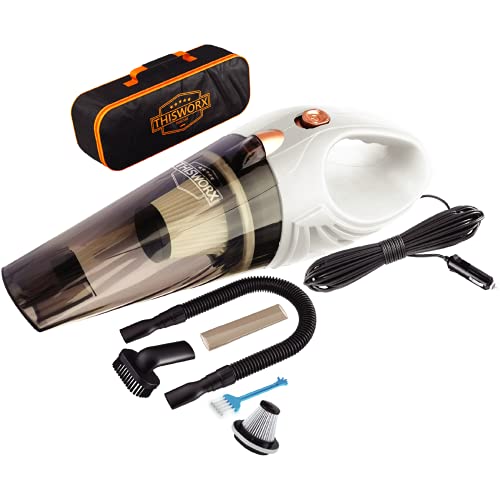
Buying your first car vacuum feels more complicated than it should be. The market offers hundreds of options across wildly different price points, with specifications that seem designed to confuse rather than inform. Terms like air watts, kPa, and CFM get thrown around with little explanation of what actually matters for cleaning your car. For someone just wanting a vacuum that works without becoming an expert in vacuum engineering, the selection process can feel overwhelming.
The good news is that selecting an effective first car vacuum doesn't require understanding every specification or evaluating dozens of options. Most modern car vacuums—even moderately priced ones—provide adequate capability for typical cleaning needs. The key is avoiding the handful of mistakes that lead to disappointing purchases while finding something that matches how you'll actually use it.

This guide cuts through the complexity to explain what actually matters when choosing your first car vacuum. Rather than exhaustive comparison of every available option, this focused approach helps you identify what you need, understand what different prices actually buy, and select something that will satisfy without overspending or underspending.
Key Takeaways
- Start with how you'll use it: Usage patterns matter more than specifications
- Budget $40-80 for quality basics: This range delivers capable performance without premium pricing
- Cordless suits most beginners: The convenience outweighs minor capability trade-offs
- Don't overthink specifications: Adequate performance is common; focus on practical features
- Plan to upgrade eventually: Your first vacuum teaches what you actually need in your next one
Table of Contents
What Beginners Actually Need
First-time car vacuum buyers often overcomplicate the selection by trying to find the perfect vacuum before understanding their actual needs. A better approach starts with honest assessment of how you'll use a vacuum.
Most beginners need a vacuum that handles dust, crumbs, pet hair on surfaces, and occasional light debris. These common cleaning situations don't require exceptional suction power or professional-grade construction. They require a vacuum that works reliably, cleans adequately, and fits your lifestyle.
Consider where you'll typically clean your car. If you have a garage with outlets, corded vacuums remain viable. If you'll clean in driveways, parking lots, or anywhere away from home power, cordless makes more sense. If you travel frequently and want cleaning capability anywhere, a compact vacuum stored in the vehicle provides that flexibility.
Think about how thoroughly you clean and how often. Quick touchups every week or two have different requirements than monthly deep cleaning sessions. Frequent light cleaning works fine with moderate capability; infrequent thorough cleaning may benefit from more powerful options.
Be honest about your actual cleaning habits rather than aspirational ones. Buying a powerful vacuum to inspire more cleaning rarely works—more likely, you'll have spent extra on capability you don't use. Match the vacuum to your realistic behavior, not your ideal self.
Understanding What Price Buys
Car vacuum prices range from under $20 to over $500. Understanding what different price points typically provide helps set realistic expectations and allocate budget appropriately.
Vacuums under $30 occupy the absolute budget tier. At these prices, manufacturers cut costs significantly—weaker motors, smaller batteries, cheaper plastics, minimal accessories. These vacuums can work for very light cleaning but often disappoint users with reasonable expectations. The savings rarely justify the capability sacrifice.
The $40-80 range represents where most beginners should shop. This range provides meaningful capability—adequate suction, reasonable runtime, decent construction—without premium pricing. Competition at these prices pushes manufacturers to deliver genuine value. Most users find satisfactory options in this range.
The $80-150 range delivers enhanced capability—stronger suction, longer runtime, better build quality, more useful accessories. These vacuums suit users who want more than basics or who clean larger vehicles thoroughly. The additional investment provides proportional capability improvement for users who will utilize it.
Above $150, you're buying premium capability—maximum suction, longest runtime, best construction, advanced features. These vacuums make sense for demanding users, large vehicles, frequent thorough cleaning, or users who value quality and expect long-term ownership. Beginners rarely need this tier unless specific circumstances warrant.
Cordless vs. Corded for Beginners
The power source decision significantly affects how you'll use your vacuum. For most beginners, cordless offers advantages that outweigh its limitations.
Cordless vacuums provide freedom from outlet dependency and cord management. You grab the vacuum and clean—no routing cords through doorways, no untangling, no positioning near outlets. This simplicity encourages more frequent cleaning because the vacuum is always ready for quick use.
Portability enables cleaning anywhere. You can clean at gas stations, in parking lots, at the beach, or anywhere your vehicle happens to be. Compact cordless vacuums fit in vehicles for always-available cleaning capability. This flexibility matches how many people actually want to clean their cars.
The trade-offs involve finite runtime (typically 15-30 minutes for mid-range options) and somewhat less maximum suction than powerful corded alternatives. For typical cleaning needs, these limitations rarely create problems. Runtime usually suffices for single-vehicle cleaning; suction adequacy handles normal debris.
Corded vacuums make sense for specific situations—cleaning in garages with convenient outlets, cleaning multiple vehicles in sequence, or needing maximum suction for demanding cleaning. If these situations describe your use, corded remains viable. For general-purpose first vacuum use, cordless convenience typically outweighs corded advantages.
Specifications That Actually Matter
Marketing materials emphasize specifications that often matter less than claimed while underemphasizing factors that affect practical satisfaction. Understanding what actually matters helps evaluate options effectively.
Runtime matters significantly for cordless vacuums. Check advertised runtime, but recognize that practical runtime often falls 20-30% below claims. Ensure the vacuum provides enough runtime for your typical cleaning session with margin for battery aging over time.
Suction power specifications (watts, kPa, air watts) provide limited useful information because manufacturers measure differently and don't use standardized testing. Rather than comparing numbers, look for user reviews describing how vacuums handle debris similar to what you'll clean.
Weight affects comfort during extended cleaning. Vacuums under 3 pounds remain comfortable for most users; heavier vacuums cause fatigue during thorough sessions. If you plan brief cleaning, weight matters less; for detailed work, lighter is better.
Attachment inclusion determines versatility. At minimum, ensure a crevice tool is included—car interiors require tight-space cleaning that main vacuum bodies cannot accomplish. Brush attachments help with fabric surfaces. Verify useful accessories come included rather than requiring separate purchase.
Battery type matters for long-term satisfaction. Lithium-ion batteries outperform older nickel-based technologies significantly. Avoid vacuums using NiCd or NiMH batteries despite lower prices—the technology limitations create frustration that initial savings don't justify.
Common First-Time Buyer Mistakes
Understanding common mistakes helps avoid them. These errors lead to disappointing purchases that could have been prevented with better information.
Buying the cheapest option available rarely produces satisfaction. Rock-bottom prices require significant capability compromises. The vacuum that costs half as much typically provides less than half the capability and satisfaction. Adequate quality requires minimum investment; attempting to spend less produces false economy.
Obsessing over maximum specifications ignores how vacuum capability translates to actual cleaning. The highest-spec vacuum isn't necessarily best for your needs—it's often overkill for typical cleaning while costing significantly more than adequate alternatives. Match capability to needs rather than seeking maximum.
Ignoring runtime requirements leads to frustrating mid-session battery depletion. Verify that claimed runtime—reduced by realistic expectations—actually covers your cleaning needs. Running out of power before finishing cleaning creates frustration that better planning prevents.
Overlooking weight creates fatigue during use. A vacuum that feels fine briefly can become tiring during thorough cleaning. Consider how long you'll use the vacuum and whether weight will become problematic.
Assuming all cordless vacuums use modern battery technology overlooks budget products using outdated nickel-based batteries. Verify lithium-ion batteries before purchase; older technologies create problems modern batteries avoid.
Recommended Starting Point
For most beginners, a cordless handheld vacuum in the $50-80 price range from a recognized brand provides the best starting point. This recommendation balances capability, convenience, and cost for typical first-time buyers.
This price range delivers adequate suction for normal car cleaning, sufficient runtime for single-vehicle sessions, construction quality that should provide several years of service, and included accessories that address basic cleaning needs. You're not getting premium features, but you're getting reliable basics.
Cordless handhelds at this price point offer portability that matches how most people want to clean—flexible, convenient, and ready without preparation. The format works for most vehicles and cleaning situations without specialized requirements.
Recognized brands (BLACK+DECKER, Shark, Bissell, Hoover, and similar) typically deliver quality consistent with their market reputations. Unknown brands may provide equivalent or better value, but involve more risk. Established brands provide safer starting points for first purchases.
This recommendation isn't universal. Users with specific requirements—very large vehicles, demanding debris, professional cleaning needs—may need different starting points. But for typical first-time car vacuum buyers, this range and format addresses needs effectively without overspending.
Planning for Learning and Upgrade
Your first car vacuum teaches what you actually need through real experience. Planning for this learning process helps you get value from your first purchase while informing better future decisions.
Using your first vacuum reveals your actual preferences. You'll learn whether you clean frequently or rarely, whether cordless convenience matters as much as expected, whether suction adequacy satisfies or frustrates, and what attachments you actually use. This knowledge informs future purchases better than speculation.
Don't expect your first vacuum to be your forever vacuum. Most people upgrade at some point as they learn what they value and what additional capability would provide. Viewing the first purchase as learning investment rather than permanent solution reduces pressure to make perfect initial choices.
Keep notes on what you like and dislike about your vacuum during use. These observations become valuable when selecting future equipment. Features that seem minor before purchase often prove significant during use—knowing what matters to you specifically helps future selection.
Your first vacuum provides baseline experience for understanding what upgrades actually offer. Without experience, premium features are abstract; with experience, you can evaluate whether specific improvements would address actual frustrations or provide features you'd actually use.
What to Expect from Your First Vacuum
Setting appropriate expectations helps you appreciate what your vacuum provides rather than being disappointed by what it doesn't.
A mid-range first vacuum will clean typical car debris effectively—dust, crumbs, surface pet hair, light dirt. It will handle maintenance cleaning well, keeping a reasonably maintained vehicle in good condition. It will work reliably when you need it without frequent frustration.
A mid-range first vacuum won't match professional detailing equipment. It may struggle with heavily embedded debris or demanding extraction tasks. It won't run indefinitely or provide power comparable to high-end alternatives. It represents adequate capability, not exceptional capability.
For most users, adequate capability provides satisfactory results. Cars get clean, messes get handled, maintenance cleaning keeps vehicles presentable. The gap between adequate and exceptional rarely matters for normal use—exceptional capability addresses edge cases most users don't frequently encounter.
If your first vacuum handles your typical cleaning effectively, it's working as intended. If it frequently falls short, that information helps select a more capable upgrade. Either outcome provides value—successful cleaning or knowledge about what you actually need.
Related Articles
Explore more car vacuum guides and reviews:
- Car Vacuum Cleaner Attachments Guide
- Best Cordless Car Vacuums Under $100
- Corded vs Cordless Car Vacuums: Which Type is Right for You?
- How to Vacuum Car Seats Properly
Frequently Asked Questions
How much should I spend on my first car vacuum?
Budget $40-80 for a capable first vacuum. This range provides meaningful quality without premium pricing. Spending less often disappoints; spending more provides capability most beginners don't need yet. Start moderate and upgrade if experience reveals need for more capability.
Should my first car vacuum be cordless?
For most beginners, yes. Cordless convenience encourages use and provides flexibility that matches typical cleaning patterns. Unless you specifically need corded advantages (maximum power, unlimited runtime), cordless simplicity serves first-time users well.
What brand should I choose?
Established brands (BLACK+DECKER, Shark, Bissell, Hoover) provide reliable starting points with consistent quality and available support. Unknown brands may offer good value but involve more risk. For first purchases, name recognition provides useful quality signal.
How do I know if a vacuum has good suction?
Specifications don't reliably indicate practical suction effectiveness. Look for user reviews from people cleaning similar vehicles with similar debris. Real-world reports provide better guidance than spec comparisons that don't translate directly to cleaning effectiveness.
What accessories do I need?
At minimum, ensure a crevice tool is included—car interiors require tight-space cleaning. Brush attachments help with fabric surfaces. Most mid-range vacuums include these basics; verify before purchase to avoid additional accessory costs.
How long should battery runtime be?
Most users need 15-25 minutes of practical runtime for single-vehicle cleaning. Advertised runtime often exceeds practical runtime by 20-30%, so look for claims of 20-30+ minutes to ensure adequate actual runtime. Larger vehicles or more thorough cleaning may need more.
Is a cheaper vacuum okay for occasional cleaning?
Cheap vacuums often disappoint regardless of cleaning frequency. The capability compromises required at very low prices affect every use, not just frequent use. Budget $40+ for basic reliability; attempting to spend less typically produces more frustration than savings justify.
Should I wait for sales?
Major shopping events (Prime Day, Black Friday) often reduce car vacuum prices 20-30%. If timing is flexible, waiting for sales improves value. If you need a vacuum now, current prices still represent reasonable value—waiting months for modest savings rarely makes sense.
What if I have pets?
Pet hair increases cleaning demands modestly. Most mid-range vacuums handle surface pet hair adequately. Heavily embedded pet hair may require more powerful vacuums or specialized pet attachments. Start with a standard mid-range option and upgrade if experience reveals inadequate pet hair capability.
How long will my first vacuum last?
Quality vacuums in the $50-80 range typically provide 2-4 years of regular service. Budget options may last less; premium options often last longer. Plan for eventual replacement or upgrade as your first vacuum ages or as your needs evolve.