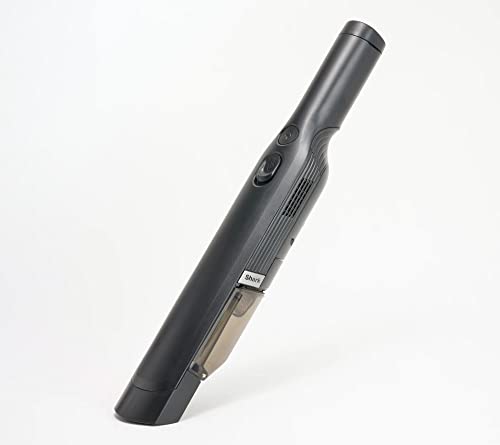
A quality car vacuum represents an investment that should provide years of effective service with proper care. However, many vacuums fail prematurely due to neglected maintenance, improper use, or storage conditions that accelerate wear. Understanding what shortens vacuum life and implementing protective practices extends service life significantly, maximizing the value of your equipment investment.

The factors that most affect vacuum longevity are filter maintenance, airway care, appropriate use, and proper storage. Each of these areas involves simple practices that prevent damage and maintain performance. Vacuums that receive consistent maintenance far outlast those that are used without attention to care, making maintenance time a worthwhile investment that pays dividends through extended equipment life.

This guide covers practices that extend car vacuum lifespan, helping you get maximum value from your equipment through proper care and use.
Key Takeaways
- Filter maintenance is most critical factor: Clean filters protect motors and maintain performance
- Clear airways prevent motor stress: Blockages force motors to work harder
- Appropriate use prevents damage: Match use to vacuum capability
- Proper storage extends life: Environmental conditions affect component longevity
- Address problems promptly: Early intervention prevents compounding damage
Table of Contents
Filter Maintenance Priority
The single most important factor in vacuum longevity.
Clogged filters restrict airflow that cools motors. Overheating from poor airflow causes motor failure.
Clean filters monthly for regular users. More frequent for heavy use or dusty conditions.
Allow washed filters to dry completely before reinstalling. Damp filters damage motors and develop mold.
Replace filters when cleaning no longer restores performance. Worn filters cannot be restored.
Quality replacement filters maintain performance better than cheap alternatives.
Airway Care
Keeping passages clear for proper function.
Check hose for blockages regularly. Partial blockages stress motors attempting to pull through obstruction.
Clear blockages immediately when noticed. Don't continue operating with restricted airflow.
Inspect attachments for accumulated debris in passages. Narrow tools clog easily.
Clean debris from inlet and internal passages during maintenance. Buildup accumulates over time.
Clear airways ensure efficient operation without motor strain.
Appropriate Use Practices
Using vacuum within its capabilities.
Remove large debris manually before vacuuming. Don't challenge vacuum with items beyond its capacity.
Never vacuum liquids with dry-only vacuum. Water damage is often fatal to equipment.
Avoid hot materials that could melt container or damage components. Let ashes and hot debris cool first.
Don't vacuum sharp objects that could puncture container or damage hose.
Match vacuum use to its intended capability and design.
Battery Care for Cordless
Maximizing battery life in cordless vacuums.
Follow manufacturer charging recommendations. Proper charging extends battery cycle life.
Avoid complete discharge before recharging. Partial discharge and recharge is often better for lithium batteries.
Store with partial charge if not using for extended periods. Full or empty storage stresses batteries.
Keep batteries at moderate temperature. Extreme heat or cold accelerates degradation.
Battery life often limits cordless vacuum lifespan; proper care extends this limiting factor.
Container and Debris Handling
Proper management of collected material.
Empty container after each use rather than letting debris accumulate. Standing debris can develop odors and attract pests.
Don't overfill container. Excess debris can enter motor area and cause damage.
Clean container periodically, not just empty. Residue accumulates on container walls.
Ensure container seals properly after emptying. Air leaks reduce suction and can allow debris into motor.
Proper debris handling prevents problems beyond just cleaning effectiveness.
Motor Protection
Practices that protect the vacuum motor.
Never operate without proper filtration. Debris in motor causes rapid wear and failure.
Avoid running continuously until motor overheats. Allow cooling during extended cleaning sessions.
Address reduced suction promptly. Working through blockages stresses motor unnecessarily.
Unusual sounds warrant investigation. Changes may indicate problems developing.
Motors are generally maintenance-free but need protection from abuse.
Hose and Attachment Care
Extending the life of accessories.
Store hose loosely coiled, not sharply bent. Repeated bending can crack hose material.
Check hose connections for tight seal. Loose connections reduce suction and can worsen over time.
Replace damaged hose before operating with air leaks. Leaks stress motor and reduce effectiveness.
Clean attachments periodically inside and out. Debris accumulation affects performance.
Handle attachments carefully to prevent cracking or breaking.
Storage Best Practices
Environmental factors affecting longevity.
Store in dry location. Moisture damages electrical components and promotes corrosion.
Avoid extreme temperature storage. Heat and cold affect batteries, plastics, and seals.
Protect from dust during storage. Clean vacuum should be stored clean.
Empty container before storage. Standing debris creates odors and problems.
Organize cords and attachments to prevent damage during storage.
Early Problem Intervention
Addressing issues before they compound.
Investigate unusual sounds or behaviors promptly. Early detection prevents worse damage.
Address reduced suction immediately rather than working through it. Identify and correct cause.
Repair minor damage before it worsens. Small problems become large problems if ignored.
Replace worn components before they fail completely. Proactive replacement prevents damage from failed parts.
Prompt attention to problems prevents costly escalation.
Regular Inspection Routine
Periodic checks that catch developing issues.
Monthly filter inspection and cleaning as needed. Most important regular maintenance.
Check hose condition for cracks, holes, or blockages. Address before they cause problems.
Inspect cord in corded vacuums for damage. Fraying or exposed wire requires attention.
Test suction periodically. Gradual decline may not be noticed without deliberate assessment.
Regular inspection catches problems early when they are easiest to address.
Related Articles
Explore more car vacuum guides and reviews:
- Car Vacuum Cleaner Attachments Guide
- Best Cordless Car Vacuums Under $100
- Corded vs Cordless Car Vacuums: Which Type is Right for You?
- How to Vacuum Car Seats Properly
Frequently Asked Questions
What shortens vacuum life most?
Neglected filter maintenance is the leading cause of premature vacuum failure. Clogged filters cause motor overheating. Regular filter cleaning and replacement extends vacuum life significantly.
How long should a car vacuum last?
Quality vacuums with proper maintenance can last many years. Budget models may have shorter life. Battery life often limits cordless vacuum lifespan. Maintenance quality significantly affects longevity.
Does heavy use wear out vacuums faster?
Heavy use accelerates wear but proper maintenance compensates. Well-maintained heavily-used vacuum may outlast neglected lightly-used one. Maintenance matters more than use frequency.
How often should I service my vacuum?
Monthly filter cleaning for regular users. Quarterly deep cleaning and inspection. More frequent for heavy use. Consistent maintenance schedule prevents accumulating problems.
Can I repair my vacuum myself?
Many common issues like filter replacement, blockage clearing, and basic maintenance are DIY tasks. Motor and electrical problems may require professional repair. Know your capabilities and limits.
When is repair not worth it?
When repair cost approaches or exceeds replacement cost. When vacuum is already old and likely to have other problems soon. Quality of available repair matters too.
How do I extend cordless vacuum battery life?
Follow manufacturer charging guidelines. Avoid complete discharge. Store at moderate temperature with partial charge. Battery care is critical for cordless vacuum longevity.
Does vacuum quality affect lifespan?
Yes. Quality vacuums typically use better components that last longer. However, poor maintenance shortens any vacuum's life. Quality plus maintenance provides best longevity.
What indicates my vacuum is failing?
Declining suction despite maintenance, unusual sounds, overheating, or intermittent operation may indicate developing failure. Early signs warrant attention before complete failure.
How should I store vacuum for extended periods?
Empty container, clean filter, store in dry moderate-temperature location. For cordless, store with partial battery charge. Protect from dust and damage during storage.