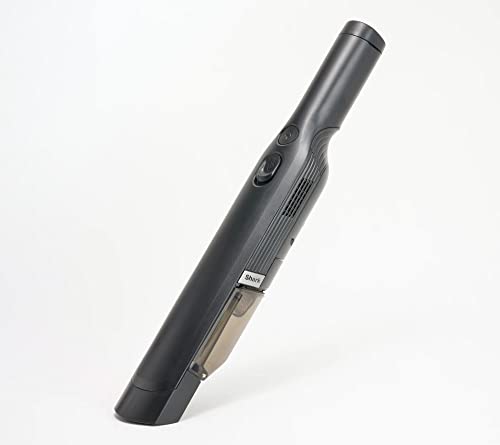
Car vacuuming seems straightforward enough that most people assume they're doing it correctly. Yet common practices often reduce effectiveness, waste time, or potentially damage interior surfaces. The mistakes that reduce vacuuming results are usually habits formed without understanding why they matter or assumptions about technique that don't hold up under examination. Recognizing and correcting these common errors can significantly improve cleaning results without requiring more time or better equipment.

Even experienced car owners often maintain habits that limit their cleaning effectiveness. What seems like adequate technique may leave substantial debris behind or create problems that proper approach would avoid. Understanding common mistakes and their corrections transforms car vacuuming from frustrating partial cleaning to satisfying thorough results. The difference often isn't working harder but working more effectively with the same effort and equipment.
This guide identifies the most common car vacuuming mistakes and explains how to correct them for better cleaning outcomes.
Key Takeaways
- Preparation matters as much as vacuuming: Skipping prep steps limits results
- Technique affects results dramatically: Proper approach outperforms better equipment with poor technique
- Equipment maintenance enables performance: Neglected equipment cannot perform as designed
- Thoroughness beats speed: Rushed cleaning leaves debris that careful cleaning captures
- Small corrections produce significant improvement: Minor changes can dramatically improve results
Table of Contents
Moving Too Fast
Speed sacrifices effectiveness by not giving suction time to work.
Fast passes move over debris before vacuum suction can engage and lift material. The nozzle position changes faster than suction can extract debris from carpet or fabric.
Slow, deliberate passes allow suction time to work on debris at each position. Moving at a pace that feels almost too slow typically produces better results.
Multiple slow passes extract more debris than many fast passes covering the same area. Quality of passes matters more than quantity.
The urge to finish quickly works against thorough cleaning. Accepting that effective vacuuming takes appropriate time improves results.
Set expectations for how long thorough cleaning actually requires. Rushing inevitably compromises results.
Skipping Preparation
Vacuuming without preparation limits what cleaning can accomplish.
Removing floor mats before vacuuming carpet beneath enables access that mats in place prevent. Debris under mats gets missed when mats stay in place.
Picking up large debris by hand before vacuuming prevents potential blockages and allows vacuum to focus on appropriate debris size.
Adjusting seats to access beneath and around them reveals debris that fixed seat positions hide. Moving seats during cleaning dramatically improves coverage.
Removing obvious trash and items before vacuuming clears the way for effective cleaning rather than working around obstacles.
Brief preparation time pays back in more effective cleaning that doesn't need to be repeated as soon.
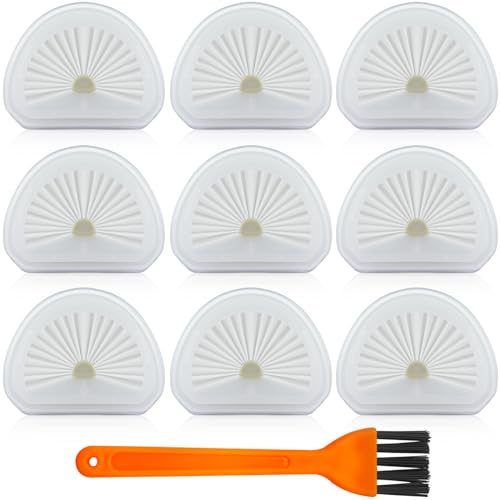
Neglecting Filter Maintenance
Dirty filters reduce suction that effective cleaning requires.
Filters clog progressively with use, reducing airflow and suction. What seems like weak vacuum may be capable vacuum with clogged filter.
Cleaning filters before car vacuuming sessions ensures maximum available suction. Starting with clean filters provides best possible performance.
Waiting until obvious suction loss to address filters means operating with reduced capability between cleanings.
Filter maintenance is quick and easy compared to frustration of vacuuming with inadequate suction.
Establishing filter maintenance as routine rather than reactive keeps vacuum performing as designed.
Using Wrong Attachments
Attachment selection affects cleaning effectiveness significantly.
Using single attachment for entire interior ignores how different surfaces respond to different tools. Wide attachments don't reach crevices; crevice tools don't clean surfaces efficiently.
Matching attachment to surface and debris type optimizes vacuum capability for each situation.
Crevice tools for seams and tight spaces, brush attachments for delicate surfaces, and appropriate nozzles for carpet and upholstery each serve their purpose.
Switching attachments during cleaning adds time but improves results enough to justify the effort.
Learning what attachments work best for different situations comes with practice and attention to results.
Ignoring Crevices and Seams
Surface cleaning while ignoring crevices leaves concentrated debris in visible locations.
Seat seams and folds accumulate debris that remains visible even when seat surfaces are clean. The contrast makes crevice debris more obvious, not less.
Crevice tool work after surface cleaning addresses debris accumulation that surface attachments miss entirely.
Taking time for thorough crevice cleaning produces noticeably cleaner results than surface-only approach.
Crevices between console and seats, around controls, and in door pockets all accumulate debris worth addressing.
Systematic crevice attention ensures complete cleaning rather than leaving obvious dirty spots.
Single Direction Passes Only
Vacuuming in one direction misses debris oriented differently.
Debris settles into carpet at various angles. Single direction passes address debris aligned with that direction but miss debris oriented otherwise.
Multiple passes from different directions capture debris at all orientations. North-south, east-west, and diagonal passes provide thorough coverage.
This approach matters especially for embedded debris in carpet. Surface debris vacuums from any direction; embedded debris requires directional variation.
The additional time for multi-directional cleaning produces significantly better results.
Treating multi-directional passes as standard practice rather than extra step improves baseline cleaning quality.
Emptying Container Too Late
Overfilled containers reduce vacuum performance before they're obviously full.
Airflow restriction begins before containers are completely full. Performance declines progressively as fill level increases.
Emptying at half-full or earlier maintains consistent suction throughout cleaning sessions.
Waiting until containers are stuffed means operating with reduced capability for significant portion of cleaning.
Brief interruption to empty container pays back in sustained performance.
Monitoring fill level and emptying proactively maintains vacuum capability.
Forgetting Hidden Areas
Cleaning visible areas while forgetting hidden spots leaves debris that affects overall cleanliness.
Under seats accumulates debris visible from certain angles even though seats hide it from direct view.
Storage compartments, door pockets, and console areas all accumulate debris that comprehensive cleaning should address.
Trunk or cargo area often gets overlooked during interior cleaning but contributes to overall vehicle cleanliness.
Establishing cleaning routine that includes hidden areas ensures complete coverage rather than selective cleaning.
Periodically moving beyond routine to check for overlooked accumulation spots improves thoroughness.
Not Pre-Loosening Embedded Debris
Expecting vacuum alone to extract embedded debris limits results.
Embedded debris requires loosening before vacuum can capture it. Suction alone often cannot overcome embedding that brush agitation can release.
Using brush attachments or pre-brushing before suction-only passes releases debris for capture.
Stubborn spots particularly benefit from agitation before extraction. What vacuum alone won't lift may release with proper pre-treatment.
Understanding vacuum limitations guides when additional loosening techniques are needed.
Combining loosening and extraction rather than relying on extraction alone improves results on challenging contamination.
Inconsistent Cleaning Schedule
Irregular cleaning allows accumulation that intensive sessions struggle to address.
Regular light cleaning prevents buildup more effectively than infrequent intensive cleaning addresses established contamination.
Debris becomes progressively harder to remove as it embeds over time. Fresh contamination vacuums more readily than aged contamination.
Establishing routine cleaning schedule maintains cleaner baseline than reactive cleaning after problems become obvious.
Brief weekly attention outperforms lengthy monthly sessions for sustained cleanliness.
Making car vacuuming routine habit rather than occasional project produces better ongoing results with less total effort.
Related Articles
Explore more car vacuum guides and reviews:
- Car Vacuum Cleaner Attachments Guide
- Best Cordless Car Vacuums Under $100
- Corded vs Cordless Car Vacuums: Which Type is Right for You?
- How to Vacuum Car Seats Properly
Frequently Asked Questions
How do I know if I'm vacuuming too fast?
If passes feel quick and effortless, you're probably moving too fast. Effective vacuuming speed feels almost uncomfortably slow. If you're not seeing debris lift into vacuum or results seem poor despite good equipment, speed is likely issue.
Why does my car still look dirty after vacuuming?
Common causes include skipping crevices, moving too fast, single-direction passes missing embedded debris, or using wrong attachments for different surfaces. Review technique for these common mistakes before assuming equipment is insufficient.
How often should I empty my vacuum container?
Empty when half full or when you notice suction declining, whichever comes first. Don't wait until container is stuffed; performance degrades before complete filling. Brief emptying interruption maintains sustained capability.
Do I really need to use different attachments?
Different surfaces and debris types respond to different tools. Using appropriate attachments significantly improves results. The time to switch attachments is justified by better cleaning outcomes.
Why do my car carpets still have embedded dirt after vacuuming?
Embedded dirt requires agitation to release before suction can capture it. Use brush attachments, multiple passes from different directions, and slower speed. Deeply embedded debris may need wet cleaning methods beyond vacuum capability.
Should I clean filters before or after vacuuming?
Clean filters before vacuuming to ensure maximum suction during cleaning. Check and clean after if heavily loaded during session. Starting with clean filters provides best available performance.
How do I vacuum under car seats effectively?
Move seats to accessible positions; use crevice tools to reach under seat mechanisms; work systematically rather than randomly. Accept that under-seat cleaning requires effort to access areas hidden by seat position.
What's the most common car vacuuming mistake?
Moving too fast is probably most universal. Nearly everyone vacuums faster than optimal. Slowing down is simplest change with significant impact on results.
How long should thorough car vacuuming take?
For a typical car interior, thorough vacuuming including preparation, all surfaces, crevices, and multi-directional passes takes 20-30 minutes minimum. Rushing to finish faster compromises results.
Can I just vacuum the spots that look dirty?
Spot cleaning addresses obvious contamination but misses less visible accumulation. Complete cleaning prevents debris from spreading and accumulating in overlooked areas. Thorough periodic cleaning beats continual spot cleaning.