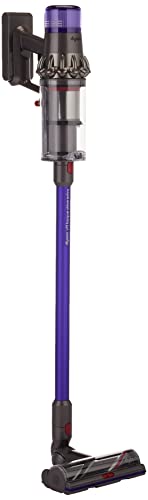
Fine dust that resists vacuum cleaning represents one of the most frustrating cleaning challenges in car interiors. The vacuum passes over dusty surfaces, apparently making contact and applying suction, yet the fine layer of dust remains largely undisturbed. This visible failure to address obvious contamination makes the cleaning effort feel pointless. Understanding why fine dust behaves differently than larger debris reveals solutions that adapt vacuuming technique and equipment to address this specific challenge.

Fine dust presents different physics than larger particles. Its small size, light weight, and tendency to adhere to surfaces through static electricity and other forces create conditions that standard vacuuming technique may not adequately address. What works well for sand, crumbs, and larger debris may prove ineffective for fine dust that seems to cling despite suction. The solutions involve understanding these differences and applying appropriate countermeasures.
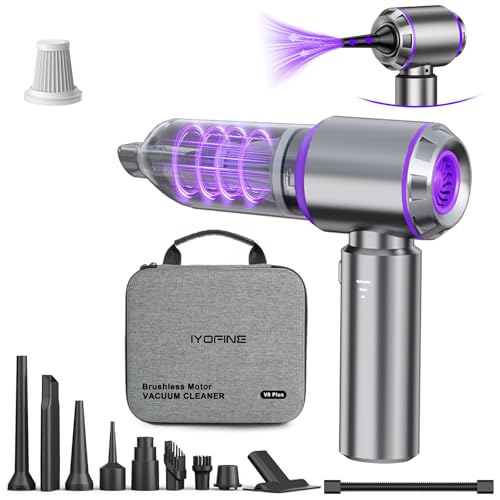
This guide covers the challenge of fine dust vacuum cleaning, explaining why it resists and what techniques and equipment modifications successfully address the problem.
Key Takeaways
- Fine dust adheres differently than larger debris: Static and surface forces resist vacuum suction
- Disturbance before extraction helps: Breaking adhesion makes suction more effective
- Filter type affects fine dust capture: Some filters pass fine particles that others capture
- Wiping complements vacuuming for dust: Combination approach addresses what vacuuming alone misses
- Prevention reduces accumulation: Managing dust entry reduces cleaning burden
Table of Contents
- Understanding Fine Dust Behavior
- Agitation and Disturbance Techniques
- Vacuum Equipment Considerations
- Technique Modifications for Fine Dust
- Combining Vacuuming with Wiping
- Addressing Specific Fine Dust Sources
- Prevention and Maintenance Strategies
- Equipment Optimization for Fine Dust
- Related Articles
- Frequently Asked Questions
Understanding Fine Dust Behavior
Fine dust behaves differently than larger particles due to physical characteristics that affect how it responds to vacuum suction.
Particle size affects suction response. Larger particles have greater mass relative to surface contact, making suction forces more effective at overcoming adhesion. Fine particles have high surface area to mass ratio, meaning adhesion forces dominate over suction forces.
Static electricity bonds fine particles to surfaces. Many fine particles carry electrical charge that creates attraction to surfaces. This electrostatic adhesion can be stronger than vacuum suction in some conditions.
Surface irregularities trap fine particles. Dust settles into texture and pores of materials where airflow cannot directly access. The particles are physically sheltered from suction.
Air boundary layers protect surface dust. Very close to surfaces, air velocity drops dramatically. Fine particles within this boundary layer experience less suction effect than particles slightly further from the surface.
Humidity affects dust behavior. Moist conditions can reduce static adhesion; dry conditions increase it. Humidity also affects whether dust clumps or remains finely dispersed.
Agitation and Disturbance Techniques
Breaking the adhesion that holds fine dust to surfaces makes vacuum extraction possible.
Brush agitation physically disturbs dust, breaking contact with surfaces and launching particles into airflow where suction can capture them. Brush attachments provide agitation during vacuuming.
Pre-brushing before vacuuming separates disturbance from extraction. Use brush to release dust, then vacuum to capture released particles. This two-stage approach can prove more effective than combined brush-vacuum tools.
Soft brush attachments suit fine dust better than stiff bristles. Soft bristles contact more surface area gently; stiff bristles may skip over fine particles. Match brush characteristics to dust type.
Tapping and vibration release dust from some materials. Gently tapping surfaces while vacuuming can release particles that static brush contact doesn't disturb.
Compressed air can dislodge stubborn dust before vacuum extraction. Blowing releases dust; subsequent vacuuming captures it. This works well in crevices and textured surfaces where brush access is limited.
Vacuum Equipment Considerations
Equipment characteristics affect fine dust pickup and retention.
Strong suction provides better fine dust capture than weak suction. While suction alone may not overcome adhesion, stronger suction improves capture of dust that agitation has released. Use vacuum equipment with adequate suction power.
Filter type determines whether captured dust stays captured. Standard filters may pass fine particles, exhausting them back into air. HEPA or high-efficiency filters retain fine particles that other filters release.
Sealed vacuum systems prevent fine dust bypass. If air can flow around filters rather than through them, fine particles escape. Quality sealed systems ensure all air passes through filtration.
Bagged vacuums may retain fine dust better than bagless. Opening bagless containers releases fine dust back into air; sealed bags contain dust until disposal.
Narrow attachments concentrate suction in smaller areas, potentially providing more effective pickup of released dust than wide attachments that spread suction over larger areas.
Technique Modifications for Fine Dust
How you use vacuum equipment affects fine dust results beyond what equipment alone determines.
Slow passes give suction more time to work on fine particles. Fast movement may pass over dust before capture occurs. Deliberate, slow technique improves fine dust pickup.
Multiple overlapping passes address particles missed on first pass. Fine dust may require more passes than larger debris to achieve acceptable removal.
Varying angle of approach addresses particles in different orientations. Dust settled in surface texture may release better to angled suction than direct perpendicular approach.
Working against material texture or pile direction exposes particles that aligned-direction passes don't reach. Vary direction throughout cleaning.
Maintain attachment contact with surfaces. Hovering above surfaces reduces effective suction and allows dust to remain undisturbed in boundary layer close to surface.
Combining Vacuuming with Wiping
Wiping captures fine dust that vacuuming may miss, providing complementary approach for thorough cleaning.
Microfiber cloths trap fine particles through fiber characteristics and static attraction. Wiping after vacuuming captures residual dust that suction left behind.
Damp wiping adds adhesion that holds dust to cloth rather than allowing it to become airborne during wiping. Light moisture improves dust capture without creating new problems.
Sequence matters for combined approach. Vacuum first to remove loose material, then wipe to capture remaining fine dust. Vacuuming after wiping may redistribute rather than remove dust.
Hard surfaces particularly benefit from combined approach. Dashboard, console, and other smooth surfaces often clean better with vacuum followed by microfiber wipe than with vacuuming alone.
Different approaches for different materials. Fabric and carpet may clean adequately with vacuuming alone; hard surfaces almost always benefit from wiping follow-up for fine dust.
Addressing Specific Fine Dust Sources
Different dust types may respond to specific approaches.
Road dust from open windows or ventilation carries specific particle characteristics. Regular cabin filter replacement reduces entry; interior treatment addresses accumulation.
Pollen during seasonal peaks creates distinct fine particle challenge. Pollen is lightweight and adheres strongly; aggressive disturbance and wiping may prove more effective than vacuum alone.
Skin cells and dander accumulate continuously from occupants. Regular cleaning prevents buildup that becomes harder to remove as accumulation increases.
Construction or renovation dust from nearby work can enter vehicles. These particles may be particularly fine and adherent; extra cleaning effort addresses temporary elevated exposure.
Desert or arid region dust has different characteristics than humid region dust. Dry fine particles may require different approaches than particles that have absorbed some moisture.
Prevention and Maintenance Strategies
Reducing dust accumulation reduces the cleaning challenge.
Cabin air filter maintenance prevents dust entry through ventilation. Clean or replace filters according to schedule; upgrade to better filtration if dust is persistent problem.
Window management during dusty conditions limits entry. Recirculate mode on ventilation reduces outside air intake during dusty driving.
Floor mats trap dust that would otherwise spread to carpet. Regular mat cleaning and appropriate mat selection reduce interior dust load.
Regular light cleaning prevents accumulation that intensive sessions struggle to address. Frequent quick attention maintains cleaner baseline than infrequent heavy cleaning.
Parking location affects dust accumulation. Covered or indoor parking reduces exposure compared to outdoor parking in dusty environments.
Equipment Optimization for Fine Dust
Optimizing existing equipment improves fine dust results without new purchases.
Clean filters before fine dust sessions. Even partial clogging reduces suction that fine dust pickup requires. Start with clean, unrestricted filters.
Empty containers completely. Maximum airflow space provides best suction performance for challenging fine particle pickup.
Check for air leaks that reduce suction. Seal issues that might be tolerable for larger debris become limiting for fine dust that requires maximum suction.
Select appropriate attachments for the specific surfaces and dust conditions. Soft brush for delicate disturbance on hard surfaces; appropriate nozzle for fabric and carpet.
Maintain equipment in best condition for demanding fine dust work. What works adequately for easy debris may prove insufficient for challenging fine particles.
Related Articles
Explore more car vacuum guides and reviews:
- Car Vacuum Cleaner Attachments Guide
- Best Cordless Car Vacuums Under $100
- Corded vs Cordless Car Vacuums: Which Type is Right for You?
- How to Vacuum Car Seats Properly
Frequently Asked Questions
Why won't my vacuum pick up fine dust from my dashboard?
Fine dust adheres to smooth surfaces through static electricity and other forces that vacuum suction alone may not overcome. Use soft brush attachment to disturb dust while vacuuming, or follow vacuuming with microfiber cloth wiping to capture remaining particles.
Do I need a special vacuum to pick up fine dust?
HEPA or high-efficiency filtration vacuums capture and retain fine particles better than standard filter vacuums. However, technique modifications with standard equipment can significantly improve fine dust results. Better equipment helps, but technique matters more.
Why does my vacuum seem to blow dust around instead of picking it up?
Vacuum exhaust disturbs dust that intake doesn't capture. This suggests fine particles that suction isn't lifting effectively. Try brush agitation to release dust, slower passes, or wiping to capture what vacuuming misses. Check filter condition as clogged filters reduce suction.
Should I wipe or vacuum my car's interior for dust removal?
Combination approach works best. Vacuum first to remove loose material and larger particles, then wipe with microfiber cloth to capture fine dust that vacuuming left behind. Different surfaces may emphasize one method over the other.
How do I prevent fine dust from building up in my car?
Maintain cabin air filter to reduce ventilation entry, manage window usage during dusty conditions, use floor mats to trap dust, and clean regularly before accumulation builds. Prevention is easier than removing established accumulation.
Why does dust come back so quickly after I vacuum my car?
Dust enters continuously through ventilation, open doors, and on occupants. Additionally, vacuum-disturbed dust settles back on surfaces. Addressing entry points, using appropriate filtration, and combining vacuuming with wiping provides more lasting results.
Will a stronger vacuum pick up fine dust better?
Stronger suction helps but isn't the complete solution. Fine dust adhesion often exceeds what suction alone overcomes. Combine stronger suction with brush agitation and appropriate technique for best results on fine particles.
How often should I clean fine dust from my car interior?
Weekly light cleaning prevents buildup that becomes harder to remove. Dusty environments or high sensitivity to dust may warrant more frequent attention. Regular maintenance is more effective than infrequent intensive cleaning.
Can compressed air help with fine dust removal?
Compressed air dislodges dust from crevices and textured surfaces where vacuum suction cannot reach directly. Use compressed air to release dust, then vacuum or wipe to capture it. This two-step approach addresses stubborn dust in difficult areas.
Why is there still a film of dust after I vacuum thoroughly?
That film represents fine particles that adhered too strongly for suction to remove. Wiping with microfiber cloth, either dry or slightly damp, captures this residual layer. Vacuuming addresses loose particles; wiping addresses adherent film.