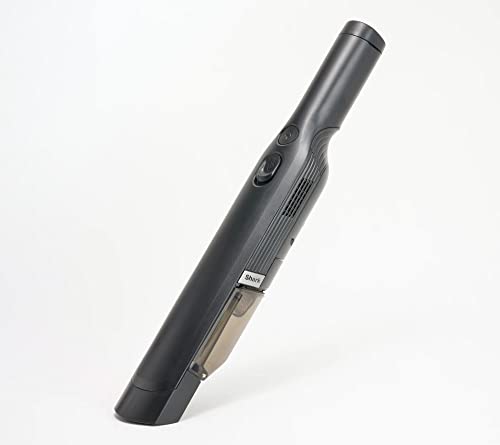
Understanding warranty coverage before problems arise helps car vacuum owners know what protection they have and how to pursue claims when issues develop. Warranties vary significantly between manufacturers and product lines, covering different components for different periods under different conditions. Knowing what your warranty covers, what can void it, and how to file claims effectively prepares you to address equipment problems without unnecessary expense.

Many warranty claims are denied due to owner actions that void coverage or failure to follow proper claim procedures. Avoiding common mistakes that invalidate warranty protection and understanding how to document and submit claims increases the likelihood of successful resolution when problems occur. This knowledge turns warranty coverage from theoretical protection into practical benefit when needed.

This guide explains car vacuum warranty considerations, helping owners understand and effectively use their warranty protection.
Key Takeaways
- Read warranty terms when purchasing: Understand coverage before problems arise
- Keep purchase documentation: Proof of purchase is essential for claims
- Follow maintenance requirements: Neglect can void warranty coverage
- Document problems thoroughly: Clear documentation supports successful claims
- Know claim procedures: Following correct process improves outcomes
Table of Contents
Understanding Warranty Coverage
What warranties typically cover and exclude.
Warranty period varies from one to several years depending on manufacturer and product. Higher-end products often have longer coverage.
Manufacturing defects are typically covered. Problems from faulty materials or workmanship qualify for warranty repair or replacement.
Normal wear is usually excluded. Components that wear out through normal use are owner responsibility.
Damage from misuse, neglect, or accidents is excluded. Warranty covers defects, not user-caused damage.
Read specific warranty terms for your product to understand exact coverage.
Keeping Documentation
Records needed for warranty claims.
Proof of purchase is essential. Receipt, order confirmation, or credit card statement showing purchase date and location.
Product registration may be required or recommended. Register product to establish ownership and purchase date.
Keep warranty card or documentation that came with product. Contains claim procedures and contact information.
Document serial number and model information. Needed for identifying specific product during claim.
Store documentation where you can find it when needed.
Maintenance Requirements
Owner obligations that affect warranty validity.
Follow manufacturer maintenance instructions. Specified maintenance may be condition of warranty coverage.
Use only approved replacement parts and accessories. Unauthorized components may void warranty.
Clean filters as specified. Damage from neglected filters may not be covered.
Don't modify or repair vacuum yourself if warranty is in effect. Unauthorized repairs typically void coverage.
Proper use according to instructions protects warranty eligibility.
Common Warranty Exclusions
What warranties typically don't cover.
Consumable items like filters and bags are usually excluded. Replacement consumables are owner responsibility.
Batteries in cordless vacuums may have separate, shorter warranty. Battery degradation may not be fully covered.
Cosmetic damage that doesn't affect function may be excluded.
Damage from using vacuum beyond intended purpose. Car vacuums used industrially may not have coverage.
Damage from power surges or improper electrical supply.
Actions That Void Warranty
What causes warranty coverage to end.
Unauthorized repairs or modifications void most warranties. Don't open or attempt to repair warranted vacuum.
Using non-approved parts or accessories may void coverage. Stick with manufacturer-specified components.
Removing or damaging serial number labels may prevent warranty service.
Neglecting specified maintenance can void coverage for resulting damage.
Commercial use of products warranted for household use only.
When to File a Claim
Recognizing warrantable problems.
Product fails to work properly from early in ownership. Early failure often indicates manufacturing defect.
Component fails despite proper use and maintenance. Parts shouldn't fail under normal conditions within warranty period.
Obvious defect in materials or construction appears. Quality problems present from manufacture.
Performance doesn't match product specifications. Failure to perform as advertised may be warrantable.
Document problem thoroughly before contacting manufacturer.
Filing a Warranty Claim
Process for pursuing warranty service.
Contact manufacturer through specified channels. Phone, website, or email contact listed in warranty documents.
Provide purchase documentation and product information. Have proof of purchase and serial number ready.
Describe problem clearly and specifically. Detailed problem description helps process claim.
Follow instructions provided by manufacturer. May involve returning product, sending photos, or visiting authorized service.
Keep records of all communications and submissions.
Documentation for Claims
Supporting your warranty claim effectively.
Photographs showing defect or problem. Visual evidence supports claim.
Written description of problem, when it started, and circumstances. Detail helps manufacturer understand issue.
Maintenance records showing proper care. Evidence of compliance with requirements.
Previous communication records if problem has history.
Thorough documentation increases claim success likelihood.
Claim Outcomes
What to expect from warranty service.
Repair of defective component or unit. Manufacturer fixes problem and returns product.
Replacement with new or refurbished unit. Exchange for working product.
Refund in some cases. Less common but possible depending on warranty terms.
Denial if problem is excluded or warranty is voided. Explanation of denial reason should be provided.
Appeal process may be available for disputed claims.
Extended Warranty Considerations
Whether additional coverage is worthwhile.
Extended warranties add cost for additional protection period. Evaluate cost versus risk and product reliability.
Some extended warranties have significant exclusions. Read terms carefully before purchasing.
Credit cards may offer extended protection automatically. Check existing coverage before buying more.
Quality vacuums may not need extended warranty. Reliable products rarely fail after manufacturer warranty expires.
Consider total cost of ownership including warranty costs.
Related Articles
Explore more car vacuum guides and reviews:
- Car Vacuum Cleaner Attachments Guide
- Best Cordless Car Vacuums Under $100
- Corded vs Cordless Car Vacuums: Which Type is Right for You?
- How to Vacuum Car Seats Properly
Frequently Asked Questions
How long are car vacuum warranties typically?
Varies from one to five years depending on manufacturer and product. Budget products often have shorter warranties; premium products longer. Check specific warranty for your product.
Do I need to register my vacuum for warranty?
Registration requirements vary. Some manufacturers require registration; others recommend it. Registration establishes purchase date and provides contact information. Worth doing even if not strictly required.
Will cleaning my own filter void warranty?
No, proper filter maintenance is expected and required. Warranty voiding typically involves unauthorized repairs or modifications to vacuum itself, not routine maintenance.
What if I lose my receipt?
Credit card statements or bank records showing purchase may substitute. Online purchases have order history. Some retailers can look up purchases. Registration provides backup purchase record.
Does warranty cover battery replacement?
Battery warranty varies by manufacturer and may be separate from main warranty. Batteries typically have shorter coverage. Check specific battery warranty terms for your product.
Can I get warranty service if I bought used?
Most warranties transfer to new owners, but some don't. Check warranty terms for transferability. May need original purchase documentation even if warranty transfers.
How long does warranty claim process take?
Varies by manufacturer and claim complexity. Simple claims may resolve in days; complex claims may take weeks. Ask for timeline estimate when filing claim.
What if manufacturer denies my claim?
Ask for specific denial reason. If you disagree, request review or appeal. Document your position. Consumer protection agencies may help with valid disputes.
Is extended warranty worth buying?
Depends on product reliability, extended warranty cost, and your risk tolerance. Quality products rarely fail after initial warranty. Check if credit card already provides extension.
Does opening vacuum void warranty?
Usually yes. Unauthorized disassembly or repair typically voids warranty. Have authorized service perform any repairs while warranty is active.