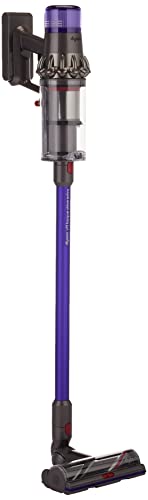
A bad smell from a car vacuum transforms a cleaning tool into something that makes vehicles smell worse rather than better. The musty, rotting, or burning odors that vacuums can emit make cleaning unpleasant at best and actively counterproductive at worst. Rather than freshening vehicles, smelly vacuums distribute foul air throughout interiors, leaving lingering odors that require separate treatment after the "cleaning" that caused them.

Vacuum odors arise from identifiable sources: organic debris decomposing in filters or containers, mold growing in moisture-exposed areas, or motor problems creating burning smells. Each odor type traces to specific causes requiring specific solutions. Understanding what creates vacuum odors enables targeted treatment that eliminates smells rather than masking them temporarily.

This guide covers comprehensive diagnosis and treatment of vacuum odor problems, explaining how to identify odor sources and address them effectively. Following these approaches restores vacuums to odor-free operation that actually improves rather than degrades interior air quality.
Key Takeaways
- Organic debris causes most odors: Decomposing material in filters and containers creates musty smells
- Moisture enables mold growth: Damp conditions anywhere in the vacuum promote mold odor
- Burning smells indicate motor issues: Electrical burning requires immediate attention
- Thorough cleaning addresses most odors: Systematic cleaning eliminates most smell sources
- Prevention beats treatment: Regular maintenance prevents odor development
Table of Contents
Identifying Odor Types
Different odor types indicate different causes. Identifying the smell character guides diagnosis toward likely sources.
Musty, earthy smells suggest mold or mildew growth. This biological odor indicates moisture exposure enabling mold establishment. Look for damp areas, previous wet vacuuming, or storage in humid conditions.
Rotting or decomposition odors point to organic debris breakdown. Food particles, biological matter, or other organic material trapped in the vacuum creates progressively worse odor as decomposition proceeds.
Pet odors from hair and dander vacuumed from vehicles may transfer to vacuum components, creating persistent animal smells with each use.
Chemical or plastic burning smells indicate motor or electrical problems. This type of odor requires immediate attention as it may indicate fire hazard or motor damage.
Dust or old debris smells may simply indicate accumulated material needing cleaning. This less offensive odor suggests neglected maintenance rather than serious contamination.
Filter Odor Sources
Filters trap debris that can decompose and create odors. Filter treatment addresses this common odor source.
Organic material caught in filter media decomposes over time. Food particles, biological matter, and organic debris break down, creating odor that distributes through exhaust during operation.
Moisture-exposed filters promote mold growth. Filters that got wet from wet debris vacuuming, inadequate drying after washing, or humid storage conditions may harbor mold creating musty odor.
Replace disposable filters showing odor problems. Washing cannot adequately address odor-producing contamination in paper or non-washable filters; replacement eliminates the contaminated component.
Wash and thoroughly dry washable filters. Multiple wash cycles may be necessary for heavily contaminated filters. Baking soda soak between washes can help neutralize odors. Complete drying prevents moisture from creating new mold problems.
Consider preventive filter replacement if odor treatment proves difficult. New filters eliminate odor sources definitively when cleaning proves inadequate.
Container and Canister Treatment
Dust containers and canisters harbor debris that creates odors if left to accumulate or decompose.
Empty containers completely and promptly after use. Debris left in containers provides time for decomposition to begin. Prompt emptying prevents odor development opportunity.
Wash container interiors to remove residue creating odors. Water and mild soap clean most contamination; stubborn residue may need stronger cleaning solution. Rinse thoroughly; allow complete drying.
Baking soda treatment neutralizes odors in plastic containers. Applying baking soda paste, allowing time to work, then washing removes odors that plain washing doesn't eliminate.
White vinegar treatment addresses mold and mildew odors. Vinegar's antimicrobial properties kill mold and neutralize associated odors. Rinse thoroughly after vinegar treatment to prevent vinegar smell.
For bagged vacuums, replace bag if odor emanates from bag area. Bags absorb odors from contents; contaminated bags continue creating odor regardless of content removal. Fresh bag eliminates bag-based odor sources.
Hose and Pathway Cleaning
Debris caught in hoses and airflow pathways can create odors that cleaning containers and filters doesn't address.
Flush hoses with water if construction allows. Running water through flexible hoses can remove debris and residue causing odors. Allow complete drying before use to prevent moisture problems.
Use long brushes designed for hose cleaning. These tools reach interior surfaces that water alone may not clean adequately, scrubbing debris from hose walls.
Check for caught debris at hose connections and within the vacuum body pathway. Debris lodged in pathway areas creates odor that container and filter cleaning doesn't address.
Baking soda applied through hose can help neutralize pathway odors. Allow baking soda to sit in hose; shake to distribute; remove by vacuuming through or rinsing.
For persistent pathway odors after physical cleaning, consider odor neutralizing products designed for enclosed spaces. Apply according to product directions; ensure complete airing before use.
Motor and Electrical Odor Concerns
Burning smells from motor or electrical components require different treatment approach and may indicate safety concerns.
Stop using vacuum immediately if burning smell is present. Continued operation risks fire hazard and component damage. Investigate cause before resuming use.
Motor overheating creates burning smell from stressed components. Restricted airflow, prolonged use, or motor problems can cause overheating. Check for airflow restrictions; allow cooling before resumed use.
Burning from motor brushes indicates brush wear or problems. Carbon brush wear creates characteristic smell; severely worn brushes need replacement.
Electrical burning smell suggests wiring or connection problems. Loose connections creating heat, damaged wiring, or component failure may produce electrical burning odor. Professional inspection may be warranted for electrical burning smells.
Don't attempt motor repairs without appropriate expertise. Electrical components present shock hazard and fire risk if improperly handled. Professional service may be appropriate for motor-related odor issues.
Comprehensive Deep Cleaning
When odor source isn't immediately obvious, comprehensive deep cleaning addresses potential sources throughout the vacuum.
Disassemble vacuum to extent instructions allow. Remove filters, containers, hoses, and any other removable components for individual treatment.
Clean each component appropriately for its material. Filters according to their cleaning instructions; plastic components with appropriate cleaners; hoses with water if construction allows.
Allow complete drying of all components. Reassembling with moisture present creates conditions for mold growth that produces new odors.
Apply odor neutralizers to components that accept treatment. Baking soda, activated charcoal, or commercial odor neutralizers can help address residual odors after physical cleaning.
Reassemble and test. If odor persists after comprehensive cleaning, remaining odor source may be inaccessible or may indicate need for component replacement.
Mold and Mildew Treatment
Mold and mildew odors require specific treatment addressing the biological contamination causing the smell.
Identify moisture exposure causing mold growth. Mold requires moisture; finding the moisture source helps prevent recurrence. Wet vacuuming, inadequate drying, humid storage, or container moisture accumulation can enable mold.
Treat mold with antimicrobial solutions. White vinegar, hydrogen peroxide, or commercial mold treatments kill mold and address associated odors. Apply according to product instructions for the materials involved.
Thoroughly dry all components after mold treatment. Remaining moisture enables mold return. Complete drying breaks the mold growth cycle.
Consider component replacement for heavily mold-contaminated parts. Porous materials that absorbed mold deeply may continue producing odor despite surface treatment. Replacement eliminates contamination completely.
Address storage conditions enabling mold. Humid storage environments promote mold growth; storing in drier locations prevents recurrence. Climate control or desiccant products can help in problematic storage areas.
Prevention Strategies
Preventing odor development proves easier than treating established smells. Regular practices prevent conditions enabling odor sources.
Empty containers after each use session. Debris left in vacuum provides decomposition opportunity; prompt emptying prevents odor development.
Clean filters regularly, especially after vacuuming organic debris or moisture. Filter contamination creates odor; regular cleaning prevents accumulation reaching odor-producing levels.
Allow vacuums to dry before storing if any moisture exposure occurred. Trapped moisture enables mold; drying prevents mold establishment.
Store vacuums in dry locations with adequate ventilation. Humid, enclosed storage promotes mold and odor development.
Address spills and contamination promptly rather than allowing accumulation. Small amounts of organic material decompose less offensively than large accumulations; regular attention prevents problematic buildup.
Related Articles
Explore more car vacuum guides and reviews:
- Car Vacuum Cleaner Attachments Guide
- Best Cordless Car Vacuums Under $100
- Corded vs Cordless Car Vacuums: Which Type is Right for You?
- How to Vacuum Car Seats Properly
Frequently Asked Questions
Why does my vacuum smell like something died in it?
This intense rotting odor indicates significant organic debris decomposition in filters, containers, or airflow pathways. Comprehensive cleaning of all components, with replacement of heavily contaminated filters, addresses this severe odor. The smell indicates substantial organic material accumulation over time.
Can I use air freshener to fix vacuum smell?
Air fresheners mask odors without eliminating sources. Masked odors return when freshener fades. Address odor sources through cleaning; use odor neutralizers that eliminate rather than mask smells. True solutions require treating causes, not symptoms.
Why does my vacuum smell like burning?
Burning smells indicate motor overheating, brush wear, or electrical problems. Stop using immediately; check for airflow restrictions; allow cooling. Persistent burning smell after addressing airflow may indicate motor problems requiring service or replacement.
How do I prevent vacuum odors?
Empty containers after each use, clean filters regularly, ensure complete drying after any moisture exposure, and store in dry locations. These routine practices prevent conditions enabling odor development. Prevention requires less effort than treating established odors.
My vacuum smells musty even after cleaning. What should I do?
Persistent musty smell suggests mold in areas cleaning didn't reach or material that absorbed mold deeply. Try antimicrobial treatment with vinegar or hydrogen peroxide. If smell persists, contaminated components may need replacement.
Can vacuum odor make my car smell worse?
Yes. Vacuum exhaust distributes odorous air throughout the space being cleaned. A smelly vacuum introduces odors rather than removing them. Address vacuum odors before using for car cleaning; otherwise, cleaning creates new smell problems.
Is vacuum burning smell dangerous?
Burning smell can indicate fire hazard or component damage. Stop using the vacuum immediately when burning smell is present. Investigate cause before resuming use. Persistent burning smell warrants professional evaluation or vacuum replacement.
How often should I clean my vacuum to prevent odors?
Empty containers after each use; clean filters monthly at minimum (more frequently with heavy use); deep clean quarterly. This schedule prevents accumulation that creates odors. Adjust frequency based on usage intensity and debris types.
Why does my vacuum smell like dog even though I don't have a dog?
Pet odors can transfer from any dog-contaminated environment the vacuum cleaned. The vacuum may have absorbed odors from cleaning vehicle used to transport dogs or from other pet-contaminated cleaning. Comprehensive cleaning addresses transferred pet odors.
Should I replace my vacuum if it smells bad?
Try cleaning solutions first. Most odors can be eliminated with proper treatment. Replace if odors persist despite comprehensive cleaning, if motor burning smell indicates equipment failure, or if cost of replacement filters and cleaning exceeds vacuum value.