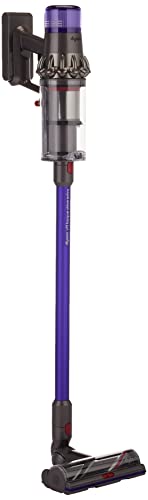
Vacuum overheating represents a common problem that ranges from minor inconvenience requiring brief rest to potential safety hazard and equipment damage. When motors work harder than designed or airflow cannot dissipate generated heat, temperatures rise beyond safe operating ranges. Many vacuums include thermal protection that shuts down operation before damage occurs, but understanding what causes overheating and how to prevent it maintains continuous operation capability and protects equipment longevity.

Overheating typically results from airflow restriction forcing motors to work harder, extended operation exceeding duty cycle limits, or ambient temperature conditions reducing cooling effectiveness. Each cause has specific prevention approaches that, when understood and applied, largely eliminate overheating as an operational concern. Treating the symptom without addressing the cause means recurring problems; addressing causes provides lasting solutions.

This guide covers the complete topic of vacuum overheating, explaining causes, prevention strategies, and appropriate response when overheating occurs.
Key Takeaways
- Airflow restriction is the primary cause: Blocked filters, full containers, and pathway obstructions create overheating
- Thermal protection prevents damage: Shutdown is safety feature, not equipment failure
- Rest periods prevent heat accumulation: Brief pauses during extended sessions maintain safe temperatures
- Ambient temperature affects cooling: Hot conditions reduce heat dissipation effectiveness
- Maintenance prevents most overheating: Clean filters and clear pathways enable adequate airflow cooling
Table of Contents
- Understanding Vacuum Heat Generation
- Common Overheating Causes
- Prevention Through Maintenance
- Preventing Operation-Related Overheating
- Understanding Thermal Protection
- Responding to Overheating
- Environmental Considerations
- Equipment-Specific Considerations
- Long-Term Implications
- Related Articles
- Frequently Asked Questions
Understanding Vacuum Heat Generation
Understanding how vacuums generate and manage heat explains what conditions cause overheating.
Electric motors generate heat during operation. This heat generation is normal and unavoidable; the question is whether heat can be dissipated as fast as it's generated.
Airflow provides primary motor cooling. Air drawn through the vacuum not only creates suction but also carries heat away from motor components. Restricted airflow reduces cooling capacity while simultaneously increasing motor strain and heat generation.
Motor load affects heat generation. Motors working against airflow restrictions generate more heat than motors operating with unrestricted airflow. The double effect of increased generation and decreased cooling compounds overheating risk.
Ambient temperature affects heat dissipation. Hot environmental conditions reduce the temperature differential that drives heat transfer, making cooling less effective regardless of airflow.
Continuous operation accumulates heat progressively. Motors designed for intermittent use may not have cooling capacity for sustained operation. Extended use may require rest periods for heat dissipation.
Common Overheating Causes
Most overheating traces to identifiable causes that can be addressed through maintenance or use modification.
Clogged filters restrict airflow severely. As filters accumulate debris, airflow restriction increases progressively until cooling becomes inadequate. Filter maintenance directly prevents this primary overheating cause.
Overfilled dust containers reduce airflow space and may block filter intake surfaces. Even with clean filters, full containers can create airflow restriction causing overheating.
Blocked hoses and pathways restrict airflow even when filters and containers are properly maintained. Debris lodged in hoses or internal pathways creates restriction affecting motor cooling.
Extended continuous operation exceeds cooling capacity of some vacuums. Small motors in compact vacuums have limited cooling capacity; sustained operation may accumulate heat faster than dissipation occurs.
Hot ambient conditions reduce cooling effectiveness. Vacuuming in hot vehicles, hot garages, or during hot weather strains cooling capacity that would be adequate in moderate conditions.
Prevention Through Maintenance
Regular maintenance prevents the airflow restrictions that cause most overheating problems.
Clean or replace filters according to manufacturer schedule or more frequently with heavy use. Don't wait for performance decline or overheating; maintain filters proactively.
Empty containers before they become full enough to affect airflow. Better to empty more frequently than to create restriction that causes overheating.
Inspect hoses and pathways periodically for developing blockages. Catching partial blockages before they become complete prevents both suction loss and overheating.
Check exhaust vents for debris that might restrict outflow. Exhaust restriction affects airflow as much as intake restriction; ensure exhaust paths remain clear.
Verify all components seat properly. Improperly seated filters, containers, or covers may create air leaks or restrictions that affect cooling airflow.
Preventing Operation-Related Overheating
Beyond maintenance, operation practices affect overheating risk.
Include brief rest periods during extended cleaning sessions. Pausing operation allows heat dissipation; continuous operation may accumulate heat beyond cooling capacity.
Watch for warning signs of developing overheating. Unusually hot housing, changed motor sound, or reduced performance may indicate temperature rise before thermal shutdown occurs.
Reduce duty cycle in hot conditions. When ambient temperature is high, operate for shorter periods with longer rest intervals to compensate for reduced cooling effectiveness.
Don't block vacuum exhaust during operation. Positioning that restricts exhaust airflow reduces cooling effectiveness even if intake is unobstructed.
Consider environment when planning cleaning. Cleaning in hot vehicle during summer midday creates more challenging thermal conditions than morning or evening cleaning.
Understanding Thermal Protection
Many vacuums include thermal protection systems that shut down operation when temperatures exceed safe limits.
Thermal protection prevents damage. The shutdown that seems like failure is actually the vacuum protecting itself from overheating damage. The protection system worked as designed.
Reset typically requires cooling time. Most thermal protection resets automatically after adequate cooling. Allow 30-60 minutes for complete cooling before attempting operation.
Some models have manual reset buttons. After cooling, pressing reset button restores operation. Consult manual for your specific model's reset requirements.
Repeated thermal shutdowns indicate underlying problems. If thermal protection triggers frequently, address the causes rather than just waiting for reset and continuing same practices.
Continuing to force operation after repeated thermal events risks permanent damage. Respect thermal protection as warning that conditions require change.
Responding to Overheating
Appropriate response when overheating occurs minimizes damage and enables safe return to operation.
Stop operation immediately when overheating signs appear. Continued operation after warning signs risk thermal protection triggering in worse condition or, for vacuums without protection, component damage.
Allow complete cooling before investigation. Hot vacuum components can cause burns; let equipment cool before handling for inspection.
Check all airflow restriction points. After cooling, inspect filters, container, hoses, and exhaust for restrictions that may have caused overheating. Address any restrictions found.
Test briefly after cooling and any corrections. Short operation verifies that cooling restored function and that corrections addressed the overheating cause.
If overheating recurs despite addressing apparent causes, underlying problems may require professional evaluation.
Environmental Considerations
Operating environment affects overheating risk beyond equipment condition and use patterns.
Hot ambient temperature reduces cooling effectiveness regardless of airflow adequacy. In extreme heat, normal operation may exceed cooling capacity.
Enclosed spaces with poor ventilation may allow heat accumulation in surrounding air, progressively reducing cooling effectiveness during extended operation.
Direct sunlight heating vacuum housing adds thermal load beyond motor heat generation. Shade operation when possible in hot conditions.
Cold conditions generally don't cause overheating but may affect motor performance differently. Temperature extremes in either direction affect operation.
Humidity doesn't directly cause overheating but may indicate conditions where cooling is less effective than dry air would provide.
Equipment-Specific Considerations
Different vacuum types have different thermal characteristics affecting overheating susceptibility.
Small handheld vacuums have limited cooling capacity. Their compact size limits motor size and cooling airflow. Extended operation frequently triggers overheating in these units.
Larger shop vacuums typically have more robust cooling and thermal capacity. Their larger motors and greater airflow provide more operational endurance before overheating.
Cordless vacuums may have battery-related thermal limits in addition to motor thermal limits. Battery overheating during charging or high-demand operation adds another thermal concern.
Different models within categories vary in thermal design. Higher-quality units often include better cooling and thermal protection than budget alternatives.
Long-Term Implications
How overheating is managed affects vacuum longevity and reliability over time.
Chronic operation at elevated temperatures shortens motor life. Even without thermal shutdown, running hot accelerates bearing wear and insulation degradation.
Repeated thermal protection cycles stress components. Each thermal event subjects components to temperature extremes that contribute to eventual failure.
Proper maintenance extending throughout ownership prevents cumulative thermal stress. Equipment cared for from new typically outlasts equipment that experienced thermal abuse.
Replacement cost motivation should encourage thermal-protective practices. The vacuum protected from overheating provides more service years than equipment operated without thermal awareness.
Related Articles
Explore more car vacuum guides and reviews:
- Car Vacuum Cleaner Attachments Guide
- Best Cordless Car Vacuums Under $100
- Corded vs Cordless Car Vacuums: Which Type is Right for You?
- How to Vacuum Car Seats Properly
Frequently Asked Questions
Why does my vacuum keep shutting off during use?
Automatic shutdown typically indicates thermal protection activation. Check for airflow restrictions: dirty filters, full containers, blocked hoses. After addressing restrictions and allowing cooling, operation should resume normally.
How long should I let my vacuum cool down after overheating?
Allow 30-60 minutes for complete cooling before attempting operation. Rushing restart while components remain hot risks immediate re-triggering of thermal protection or, worse, operation without adequate protection if reset occurred prematurely.
Can overheating damage my vacuum permanently?
Thermal protection prevents damage when functioning properly. However, vacuums without protection or repeated thermal events despite protection can cause permanent motor damage. Chronic operation at elevated temperatures shortens lifespan even without obvious damage.
Why does my vacuum overheat so quickly?
Rapid overheating suggests severe airflow restriction (heavily clogged filter, full container, major blockage), undersized equipment for demand, or previous thermal damage affecting motor efficiency. Investigate causes; if no obvious restriction exists, equipment may be inadequate or damaged.
Is it normal for my vacuum to get hot?
Some warmth is normal during operation. Uncomfortably hot housing suggests temperatures approaching problematic levels. If you can't hold your hand on the housing comfortably, consider rest periods and check for airflow restrictions.
How do I prevent my vacuum from overheating?
Maintain clean filters, empty containers before overfilling, check for blockages periodically, and include rest periods during extended sessions. In hot conditions, reduce operation duration and increase rest intervals. Address thermal warning signs promptly rather than pushing through.
Can I vacuum in hot weather without overheating?
Yes, with appropriate precautions. Work in shade if possible; reduce continuous operation duration; increase rest intervals; ensure all airflow paths are clear. Hot conditions reduce margin for error; perfect maintenance becomes more important.
Why does my handheld vacuum overheat faster than my full-size vacuum?
Handheld vacuums have smaller motors with less thermal mass and limited cooling airflow due to compact design. Their convenience trades off against thermal endurance. Use handhelds for quick tasks; reserve extended cleaning for equipment with greater thermal capacity.
Does overheating affect suction power?
Yes. As motors heat, efficiency decreases and suction may decline before thermal shutdown occurs. Reduced performance during operation may indicate developing thermal stress even before shutdown triggers.
How do I know if my vacuum has thermal protection?
Most modern vacuums include thermal protection. Check specifications or manual for confirmation. Vacuums that shut down during heavy use and resume after cooling likely have thermal protection. Budget models may omit this feature.