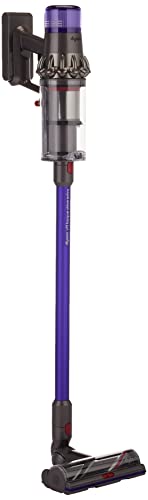
Vacuum marks on leather seats present an unwelcome surprise after cleaning. The very act of maintaining leather interior can leave visible evidence of that maintenance in the form of streaks, scratches, or patterns that mar the clean appearance you were trying to achieve. These marks range from temporary surface disturbances that disappear on their own to permanent damage requiring professional intervention. Understanding what causes these marks and how to prevent them protects leather investment while enabling effective cleaning.

Leather as a material responds to physical contact differently than fabric or carpet. The surface characteristics that give leather its desirable appearance also make it susceptible to marking from friction, pressure, and contact with hard or rough materials. Vacuum attachments designed for general use may not be appropriate for leather surfaces. Technique matters as much as equipment; aggressive cleaning that works fine on carpet can damage leather permanently.

This guide covers vacuum marking on leather, explaining causes, prevention strategies, and removal techniques for marks that do occur. The goal is effective leather cleaning without the cosmetic damage that undermines cleaning efforts.
Key Takeaways
- Hard attachments scratch leather: Plastic and metal edges create permanent surface damage
- Suction alone can mark leather: Concentrated suction creates temporary or lasting impressions
- Soft attachments prevent most marking: Brush and upholstery tools protect leather surfaces
- Technique affects marking risk: Gentle, proper motion reduces damage potential
- Conditioning after cleaning helps: Proper leather care addresses minor surface disturbance
Table of Contents
- Understanding How Vacuum Marks Occur
- Attachment Selection for Leather
- Technique for Safe Leather Vacuuming
- Identifying Types of Vacuum Marks
- Removing Temporary Marks
- Treating Surface Scratches
- When Professional Repair Is Needed
- Prevention Through Leather Maintenance
- Alternative Cleaning Methods for Leather
- Related Articles
- Frequently Asked Questions
Understanding How Vacuum Marks Occur
Several mechanisms create vacuum marks on leather, each requiring different prevention or treatment approaches.
Physical scratching from hard attachment edges is the most damaging marking type. Plastic crevice tools, hard nozzle edges, and metal components can scratch leather surfaces when dragged across them. These scratches are physical damage to the leather surface layer.
Suction marks result from concentrated vacuum pressure on leather surface. Strong suction through small openings creates localized pressure differential that can temporarily mark or permanently stretch leather in the suction pattern.
Friction marks from dragging attachments appear as streaks or patterns. Even without hard edge contact, friction from rough attachment surfaces or aggressive movement can disturb leather finish.
Dust redistribution creates apparent marks when cleaning moves debris into visible patterns rather than removing it. These aren't damage to leather but debris arrangement on the surface.
Cleaning reveals existing damage by removing debris that was concealing wear. What appears to be new vacuum damage may be pre-existing wear now visible due to surface cleaning.
Attachment Selection for Leather
Choosing appropriate attachments is the primary prevention strategy for vacuum marks on leather.
Soft brush attachments provide the safest leather cleaning option. The bristles create buffer between vacuum body and leather surface while enabling effective debris capture. Brush density should be sufficient to prevent hard contact.
Upholstery tools designed for delicate surfaces work well on leather. These typically have softer construction and more rounded edges than general-purpose attachments.
Avoid crevice tools directly on leather surfaces. These hard, narrow attachments concentrate pressure and have edges that easily scratch. Use them only for seams and crevices where leather edge is not the contact point.
Inspect attachments for damage before leather use. Cracked plastic, rough edges, or broken components that might be acceptable for carpet cleaning can scratch leather. Ensure attachments are in good condition.
Consider dedicated leather cleaning attachments. Some vacuum accessories are specifically designed for leather and other delicate surfaces. These may justify investment for vehicles with extensive leather surfaces.
Technique for Safe Leather Vacuuming
How attachments contact and move across leather affects marking risk regardless of attachment type.
Maintain light contact pressure. Heavy pressure increases friction and marking risk. The vacuum suction provides cleaning force; attachment contact should be light guidance rather than pressing into the surface.
Use smooth, consistent motion. Start and stop movements create more surface disturbance than continuous motion. Long, gentle strokes produce better results than short, aggressive movements.
Move in one direction per area. Back-and-forth scrubbing motion increases friction and marking potential. Make passes in consistent direction, lifting to return for next pass rather than scrubbing.
Keep attachment angle appropriate. Tilting attachments so edges contact leather creates scratch risk. Maintain flat contact that keeps edges away from the surface.
Don't stretch leather with suction. Holding suction in one place or pulling attachment while maintaining strong suction on leather can stretch or mark the surface. Keep movement fluid.
Identifying Types of Vacuum Marks
Different mark types require different treatment approaches. Identifying what type of mark you have guides appropriate response.
Temporary suction marks appear as lighter or darker areas matching suction pattern. These typically fade within hours as leather returns to normal state. No treatment usually needed.
Surface scratches appear as lighter lines where leather finish has been disturbed. These are permanent without treatment but may respond to leather care products.
Deep scratches that cut through leather surface layer show the lighter colored material beneath. These represent significant damage requiring professional attention for proper repair.
Friction patterns appear as dulled or altered texture areas. The leather surface has been disturbed without cutting, changing how it reflects light. Conditioning may restore normal appearance.
Debris patterns are not damage at all but dust or debris arranged into visible patterns. Wiping with microfiber cloth removes these without leather treatment.
Removing Temporary Marks
Many vacuum marks on leather are temporary and respond to simple interventions.
Time alone resolves many marks. Suction marks and light pressure disturbances often normalize within hours. Before attempting treatment, allow time for natural recovery.
Gentle wiping with microfiber cloth removes surface debris that may be creating apparent marks. Use dry cloth first; dampen slightly if needed.
Light warming can help leather recover from some marking. Parking in sun briefly or gentle heat application allows leather to relax and return to normal state. Avoid excessive heat that could damage leather.
Leather conditioner application often normalizes appearance by restoring uniform surface characteristics. Conditioning is appropriate general leather care regardless of marking concerns.
Gentle buffing with soft cloth after conditioning helps restore uniform appearance. Work conditioner into leather and buff to even sheen.
Treating Surface Scratches
Surface scratches require more intervention than temporary marks but can often be improved without professional repair.
Assess scratch depth before treatment. Surface scratches that haven't cut through leather respond to DIY treatment. Deep cuts through leather surface need professional attention.
Leather cleaner application before treatment removes any debris in scratch that might interfere with repair. Clean the area thoroughly before proceeding.
Leather conditioner can reduce scratch visibility by restoring oils to the disturbed area. Multiple applications may progressively improve appearance.
Leather repair products designed for minor scratches can fill and blend surface damage. These products add material to the scratch to level the surface. Color matching is important for good results.
Heat and pressure techniques used by some detailers can help leather fibers relax and reduce scratch visibility. This requires experience to execute without causing additional damage.
When Professional Repair Is Needed
Some vacuum damage exceeds DIY repair capability and requires professional attention.
Deep scratches cutting through leather surface layer need professional repair. DIY filling of deep cuts rarely achieves professional-quality results and may complicate later professional repair.
Large areas of damage benefit from professional treatment. While small marks may be addressed individually, extensive damage needs comprehensive professional approach.
Color matching challenges beyond DIY capability suggest professional repair. Leather comes in many colors and finishes; matching requires experience and professional products.
Valuable or high-end leather justifies professional care. The cost of professional repair may be warranted to protect significant leather investment.
If DIY attempts don't improve appearance, professional evaluation prevents further damage from continued amateur attempts.
Prevention Through Leather Maintenance
Well-maintained leather resists marking better than neglected leather. Regular care reduces vacuum marking risk.
Regular conditioning maintains leather suppleness and resilience. Conditioned leather absorbs minor surface stress without permanent marking. Dry, neglected leather marks more easily.
Protective treatments designed for automotive leather add surface protection that can reduce marking susceptibility. Some products specifically address abrasion resistance.
Regular cleaning prevents debris accumulation that might require aggressive vacuuming. Light, frequent cleaning is gentler than occasional intensive cleaning.
Address spills and contamination promptly. Material allowed to dry and bond to leather requires more aggressive cleaning that increases marking risk.
Keep leather protected from sun exposure that dries and weakens surface. UV damage makes leather more susceptible to all types of marking and wear.
Alternative Cleaning Methods for Leather
Vacuuming isn't always the best approach for leather cleaning. Alternatives may be more appropriate in some situations.
Wiping with microfiber cloth removes most surface debris without vacuum contact. This gentle approach suits regular maintenance when heavy debris isn't present.
Leather cleaning products designed for wipe application clean without mechanical suction and friction. These products lift debris for cloth removal rather than vacuum extraction.
Soft brush dusting removes loose debris without vacuum suction pressure. A soft brush followed by cloth wiping handles dust effectively.
Compressed air can dislodge debris from crevices without vacuum contact on leather surfaces. Blow debris to accessible locations for collection.
Professional detailing services have specialized equipment and expertise for leather cleaning without marking. Periodic professional cleaning supplements routine DIY maintenance.
Related Articles
Explore more car vacuum guides and reviews:
- Car Vacuum Cleaner Attachments Guide
- Best Cordless Car Vacuums Under $100
- Corded vs Cordless Car Vacuums: Which Type is Right for You?
- How to Vacuum Car Seats Properly
Frequently Asked Questions
Why does my vacuum leave marks on my leather seats?
Vacuum marks result from hard attachment edges scratching leather, suction pressure creating impressions, or friction from improper technique. Using soft brush attachments, maintaining light pressure, and employing smooth motion prevents most marking.
Will vacuum marks on leather go away on their own?
Temporary suction marks and light pressure disturbances often normalize within hours without treatment. Surface scratches and friction damage typically don't resolve spontaneously and need treatment. Time reveals which marks are temporary.
What attachment should I use to vacuum leather seats?
Soft brush attachments or upholstery tools designed for delicate surfaces are safest for leather. Avoid crevice tools and hard plastic attachments that can scratch. Inspect attachments for rough edges before leather use.
Can I remove scratches from leather caused by vacuuming?
Surface scratches often improve with leather conditioner and repair products. Deep scratches cutting through leather require professional repair. Assess depth before attempting treatment; deep cuts need professional attention.
Is vacuuming bad for leather car seats?
Vacuuming itself isn't harmful when done properly with appropriate attachments and technique. Problems arise from hard attachments, excessive pressure, or aggressive technique. Proper vacuuming is safe and effective for leather maintenance.
How can I prevent vacuum marks on my leather seats?
Use soft brush attachments, maintain light contact pressure, employ smooth consistent motion, and keep proper attachment angle. Well-conditioned leather resists marking better than dry leather. Regular conditioning provides ongoing protection.
Should I condition leather after vacuuming?
Conditioning after cleaning is good leather maintenance practice regardless of marking concerns. Conditioner restores moisture and oils, maintains suppleness, and can help normalize appearance after cleaning disturbance.
Can suction from a vacuum damage leather?
Strong suction concentrated through small openings can mark or stretch leather. Temporary suction marks usually normalize; excessive suction can cause lasting damage. Use attachments that spread suction over larger areas rather than concentrating it.
What do I do if I scratched my leather seats while vacuuming?
Assess scratch depth first. Apply leather conditioner to surface scratches; multiple applications may improve appearance. For deep scratches or if conditioner doesn't help, consider leather repair products or professional repair service.
Is it better to wipe leather than vacuum it?
Wiping is gentler and eliminates vacuum marking risk entirely. For regular light cleaning, wiping with microfiber cloth works well. Vacuuming better addresses debris in seams and crevices. Combining both methods provides thorough yet gentle cleaning.