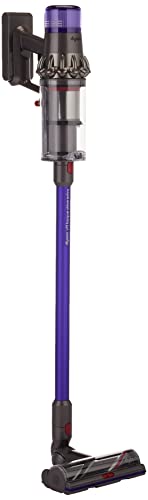
Unusual noises from a car vacuum indicate something has changed that deserves attention. The normal operational sound serves as a baseline; when the vacuum suddenly sounds different, louder, or makes new types of sounds, the change signals conditions affecting performance, component condition, or operational safety. Ignoring unusual sounds often leads to worsening problems that could have been addressed when symptoms first appeared.

Different noise types indicate different issues. High-pitched whines suggest different problems than grinding sounds. Rattling points to different causes than whistling. Learning to distinguish noise types and understand their common causes enables appropriate response that addresses problems before they worsen significantly.

This guide covers common vacuum noise symptoms, their likely causes, and appropriate responses. Understanding what different sounds indicate helps determine whether continued use is safe, what service might be needed, and when vacuum replacement should be considered.
Key Takeaways
- Changed sounds indicate changed conditions: New or different noises deserve investigation
- High-pitched sounds often indicate airflow restriction: Blocked pathways create whistling and whining
- Grinding sounds suggest motor or bearing issues: These warrant immediate attention
- Rattling indicates loose components: Foreign objects or loosened parts cause rattling
- Burning smell with noise indicates serious problems: Stop operation immediately when smell accompanies noise
Table of Contents
Understanding Normal Vacuum Sounds
Recognizing normal operation provides baseline for identifying abnormal sounds. All vacuums make noise; the concern is changed or unusual noise.
Motor noise creates continuous sound during operation. The characteristic vacuum sound comes from motor operation and airflow. Normal motor sound is consistent in pitch and volume at steady operation.
Airflow creates whooshing sound as air moves through the system. This sound varies with attachment use and surface contact but maintains consistent character during normal operation.
Debris pickup creates brief sounds as material enters the vacuum. Clicking, tapping, or brief louder sounds from debris are normal; continuous new sounds are not.
Attachment vibration can create sounds during use. Contact with surfaces, attachment movement, and debris in attachments may produce sounds that stop when attachment is repositioned or cleaned.
Document normal operation sound as reference baseline. Recording or careful attention to normal sound helps recognize changes that indicate problems developing.
High-Pitched Whining or Whistling
High-pitched sounds typically indicate air moving rapidly through restricted passages or motor strain from airflow restriction.
Clogged filters restrict airflow, forcing air through smaller passages at higher velocity. This velocity increase creates higher-pitched sound. Check and clean or replace filters when high-pitched sound develops.
Blocked hoses or pathways create restriction similar to filter problems. Check for blockages throughout the airflow path; clear any obstructions found.
Air leaks at connections can create whistling as air is drawn through small gaps. Check attachment connections, hose fittings, and container seals for tight fit. Tightening connections may eliminate whistling.
Motor strain from excessive restriction produces stressed sound as motor works harder against airflow limitation. Persistent high-pitched sound despite clearing restrictions may indicate motor stress requiring attention.
Seal problems around filter housings can create whistling. Improperly seated filters or damaged seal gaskets may allow air bypass creating sound. Verify proper filter installation and seal condition.
Grinding or Scraping Sounds
Grinding sounds indicate mechanical contact where contact shouldn't occur, suggesting bearing wear, motor problems, or debris interference.
Motor bearing wear creates grinding as metal contacts metal where lubrication or bearing surfaces have failed. Bearing noise typically worsens over time and indicates need for service or replacement.
Debris caught in motor or fan area creates scraping as rotating components contact foreign material. Stop operation to investigate; debris in motor area can cause damage if operation continues.
Brush roll problems in motorized attachments create grinding when brushes contact housing or when bearings fail. Check motorized attachments separately from main vacuum.
Fan damage from sucked objects can cause grinding if fan blades are bent or broken, contacting housing during rotation. Stop operation if grinding started after sucking up hard object.
Grinding sounds justify stopping operation and investigating before continued use. Running with grinding sounds can worsen damage that might otherwise be repairable.
Rattling and Clattering
Rattling indicates loose components or objects moving where they shouldn't be, creating sound as they contact other parts during operation.
Foreign objects in container or pathways create rattling as suction moves them around. Empty container; check pathways for loose items that vacuumed debris didn't fully capture.
Loose hardware from impact damage or vibration-loosened fasteners can create rattling during operation. Check external fasteners; tighten any that have loosened.
Damaged fan blades with loose pieces create rattling as broken fragments move within housing. Fan damage requires repair before continued operation.
Container or attachment not fully seated can create movement and rattling during operation. Verify all components are properly installed and locked in place.
Internal components loosened by age or damage create rattling that external inspection may not reveal. Persistent rattling after external checks may indicate internal issues.
Intermittent or Changing Sounds
Sounds that come and go or change during operation indicate conditions that vary, helping identify causes.
Position-dependent sounds suggest issues related to specific orientations. Motor brush issues sometimes produce sound only at certain rotation positions. Note when sounds occur and whether position relates.
Load-dependent sounds that change with suction demand indicate motor or airflow issues responding to load variation. Sound changing when attachment is lifted from surface suggests load-related causes.
Temperature-dependent sounds that develop during operation suggest thermal expansion affecting component fit or bearing behavior changing with heat.
Attachment-specific sounds occurring only with certain attachments indicate attachment problems rather than main vacuum issues. Test with different attachments to isolate attachment versus vacuum causes.
Intermittent sounds can indicate developing problems that haven't fully manifested. Monitor intermittent sounds for progression; developing problems often become more consistent over time.
Motor Sound Changes
Changes in motor sound character indicate motor condition changes that may warrant attention.
Labored sound suggesting motor strain indicates motor working harder than normal. Check for airflow restrictions causing load increase. Persistent labored sound without restriction suggests motor problems.
Speed variation creating sound changes indicates motor or electrical problems affecting consistent operation. Motor should maintain consistent speed; variation suggests controller, electrical, or motor issues.
Startup sound changes are significant. Motors that previously started smoothly but now hesitate, make different sounds starting, or require multiple attempts suggest developing motor problems.
Shutdown behavior changes matter too. Motors that continue running briefly after switch release, make unusual sounds stopping, or behave differently during shutdown indicate potential problems.
Motor sound changes often precede failure. Recognizing and responding to early sound changes may enable repair before complete failure occurs.
When to Stop Using
Certain sounds indicate conditions where continued operation risks safety hazards or significant damage escalation.
Grinding sounds from motor area warrant immediate stop. Continuing operation with bearing or motor contact issues can rapidly worsen damage that might otherwise be limited.
Burning smell accompanying any sound indicates motor, electrical, or debris combustion problems. Stop immediately; investigate before any further use.
Visible sparking with unusual sounds indicates electrical arcing that presents fire hazard. Stop immediately; don't use until problem is identified and resolved.
Sudden loud sound followed by performance change suggests component failure. Stop and investigate what changed before continued operation.
When uncertain whether sounds indicate safe or unsafe conditions, stopping to investigate is the prudent choice. Brief investigation delay beats damage or safety incident from continued operation.
Troubleshooting Approach
Systematic troubleshooting identifies noise causes efficiently, enabling appropriate response.
Start by noting exactly what the sound is like, when it occurs, and what changed. This characterization guides investigation toward likely causes.
Check the easiest and most common causes first. Filters, blockages, and container issues account for many noise complaints and require minimal effort to check.
Test with different attachments or no attachment to isolate vacuum versus attachment causes. Sounds present only with specific attachments indicate attachment problems.
Compare to baseline normal sound if you have reference. Identification of what changed helps identify what might be wrong.
Document findings for service reference if professional evaluation becomes necessary. Notes about sound character, conditions, and troubleshooting already attempted help service diagnosis.
Related Articles
Explore more car vacuum guides and reviews:
- Car Vacuum Cleaner Attachments Guide
- Best Cordless Car Vacuums Under $100
- Corded vs Cordless Car Vacuums: Which Type is Right for You?
- How to Vacuum Car Seats Properly
Frequently Asked Questions
Why did my vacuum suddenly start making a loud noise?
Sudden noise change typically indicates sudden condition change: something got sucked in, a component failed, a blockage formed, or a part came loose. The suddenness suggests specific event rather than gradual wear. Investigate what changed when the noise started.
Is it safe to use a vacuum that makes grinding sounds?
No. Grinding indicates mechanical contact that causes ongoing damage during operation. Stop using until the cause is identified. Continuing to run with grinding sounds often converts repairable problems into complete failures.
Why does my vacuum make high-pitched noise only when using certain attachments?
Attachment-specific high-pitched sound usually indicates restriction or air leak specific to that attachment. The attachment may have internal blockage, may not seal properly to the hose, or may create restriction through its design when debris or wear affects it.
My vacuum makes more noise than when new. Is this normal?
Some noise increase with age is normal as bearings wear and seals age. Gradual, minor increase may be acceptable. Significant increase or changed sound character warrants investigation. Sudden change is never normal.
Can I fix vacuum noise problems myself?
Many noise problems have DIY solutions: cleaning filters, removing blockages, tightening loose components, replacing worn attachments. Motor or bearing issues typically require professional service or replacement decisions.
Why does my vacuum sound like it's working too hard?
Labored motor sound indicates the motor is under strain, typically from airflow restriction. Check filters, pathways, and container for restrictions. Clear restrictions should restore normal sound; persistent strain despite clear airflow suggests motor issues.
What does whistling from my vacuum mean?
Whistling usually indicates air moving through a small gap at high velocity. Common sources include air leaks at connections, improperly sealed filters, and cracked housings. Locating and sealing the air leak typically eliminates whistling.
Should I be worried if my vacuum makes clicking sounds?
Brief clicking during debris pickup is normal. Continuous clicking during operation suggests foreign object in airflow path or motor/fan contact. Investigate continuous clicking; it often indicates correctable problems before they become serious.
My vacuum is louder when the container is full. Is this normal?
Some noise increase with fuller containers is normal as airflow changes. Excessive noise increase suggests overfilling beyond appropriate levels. Empty containers before completely full to maintain normal operation.
When should I replace a vacuum that makes loud noises?
Consider replacement when noise indicates motor or bearing failure that costs more to repair than replace, when safety concerns exist from electrical or overheating issues, or when noise persists despite addressing all correctable causes.