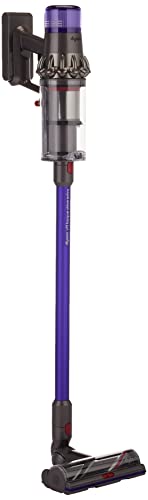
A car vacuum losing suction is frustrating, especially when the motor sounds like it's working but debris remains stubbornly in place. Suction loss is one of the most common vacuum problems, but it's also one of the easiest to diagnose and fix in most cases. The cause is usually something simple like a clogged filter or full dust container rather than motor failure, meaning most suction problems can be resolved without professional repair or replacement.

Understanding why suction decreases helps you identify problems quickly and restore full performance. Air must flow freely from the nozzle through the filter and motor to create effective suction. Any obstruction in this path reduces suction power. By systematically checking common problem points, you can usually identify and fix the issue within minutes, returning your vacuum to full cleaning capability.
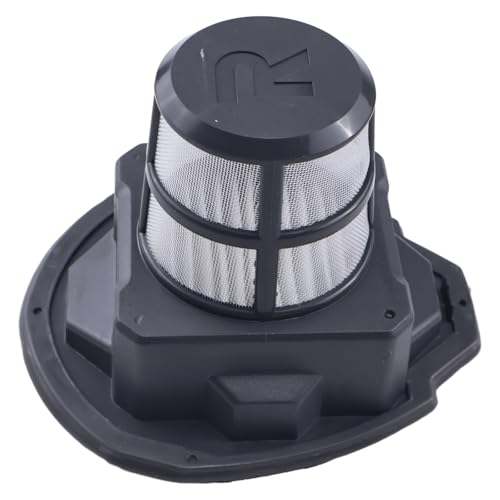
This guide explains common causes of car vacuum suction loss and how to fix them.
Key Takeaways
- Dirty filter is the most common cause: Clean or replace filter first
- Full dust container restricts airflow: Empty container regularly
- Clogs in hose or attachments block air: Check for obstructions
- Worn seals allow air leaks: Inspect for damage
- Most suction problems are easily fixed: Rarely indicates motor failure
Table of Contents
- How Vacuum Suction Works
- Dirty Filter: Most Common Cause
- Cleaning and Replacing Filters
- Full Dust Container
- Clogs in Hose and Attachments
- Air Leaks in System
- Motor and Fan Issues
- Battery Issues in Cordless Vacuums
- Prevention Through Maintenance
- When to Replace vs Repair
- Related Articles
- Frequently Asked Questions
How Vacuum Suction Works
Understanding the basics helps diagnose problems.
Motor creates low pressure inside vacuum. Air rushes in through nozzle carrying debris.
Air passes through dust container and filter. Debris is trapped; clean air exits through motor.
Any restriction in airflow reduces suction at nozzle. Blockage anywhere in system affects performance.
Leaks allow air to enter without passing through nozzle. Motor works but suction suffers.
Maintaining clear airflow path is essential for suction.
Dirty Filter: Most Common Cause
Why filter condition matters so much.
Filter captures fine dust that passes through collection container. Essential for motor protection and air quality.
Clogged filter restricts airflow significantly. Motor works harder but suction drops.
Fine dust accumulates gradually. Performance decreases slowly until noticeably weak.
Regular filter cleaning maintains suction. Most important maintenance task for vacuum performance.
Check filter first when suction decreases.
Cleaning and Replacing Filters
How to address filter problems.
Remove filter according to vacuum manual. Location varies by model but usually easy access.
Tap filter to dislodge loose dust. Do this outside to avoid mess.
Wash foam or pleated filters if washable. Check manual for washing instructions.
Allow complete drying before reinstalling. Wet filter damages motor and grows mold.
Replace filter if damaged or cleaning doesn't restore airflow.
Full Dust Container
Why emptying matters for suction.
Overfilled container leaves no room for airflow. Air cannot pass through blocked container.
Debris may block intake port in container. Creates restriction even before container is full.
Empty container regularly, before completely full. Waiting until full reduces performance before that point.
Check container level if suction seems weak. Often the simple solution.
Regular emptying maintains consistent suction.
Clogs in Hose and Attachments
Obstructions blocking air path.
Large debris can lodge in hose or attachment. Creates partial or complete blockage.
Suction may be fine at hose end but not at attachment. Indicates clog in attachment specifically.
Inspect hose by looking through or feeling for obstructions. Straighten flexible hose to check.
Clear clogs with long object like broom handle or by reversing airflow if possible.
Attachments can be disassembled for cleaning if clogged.
Air Leaks in System
Seals and connections losing integrity.
Cracked hose allows air to enter without passing through nozzle. Reduces effective suction.
Loose connections between components leak air. Motor suction is diverted from cleaning task.
Worn seals around dust container lid allow bypass. Air takes easy path around seal.
Inspect all connections and seals for damage. Feel for air leaking while vacuum runs.
Replace damaged seals or components to restore suction.
Motor and Fan Issues
Less common but more serious problems.
Worn motor brushes reduce power output. Motor runs but generates less suction.
Damaged fan impeller cannot move air effectively. Motor sounds normal but airflow is weak.
Motor problems typically develop gradually. Sudden failure is unusual.
Motor issues may require professional repair or replacement. Cost may approach new vacuum price.
Verify simpler causes before suspecting motor failure.
Battery Issues in Cordless Vacuums
Power source affecting suction.
Weak battery cannot power motor fully. Suction decreases as battery drains.
Old batteries hold less charge. Runtime and power both decline over time.
Charge fully before concluding there's a suction problem. Low charge mimics suction loss.
Battery replacement may restore full performance. If vacuum is otherwise functioning well.
Test at full charge before investigating other causes.
Prevention Through Maintenance
Keeping suction strong before problems develop.
Clean filter after every use or according to manual. Prevents gradual clogging.
Empty dust container regularly, not just when full. Maintains optimal airflow.
Avoid vacuuming large objects that could create clogs. Pick up by hand first.
Store vacuum properly to prevent hose kinks and damage. Proper storage prevents problems.
Regular maintenance prevents most suction issues.
When to Replace vs Repair
Making the repair decision.
Simple fixes like filter cleaning cost nothing. Always try easy solutions first.
New filter is inexpensive maintenance item. Worth replacing if cleaning doesn't help.
Motor or major component repair may exceed vacuum value. Compare repair cost to replacement.
Age and overall condition affect decision. Old vacuum with multiple issues may not justify repair.
Consider repair cost versus replacement carefully.
Related Articles
Explore more car vacuum guides and reviews:
- Car Vacuum Cleaner Attachments Guide
- Best Cordless Car Vacuums Under $100
- Corded vs Cordless Car Vacuums: Which Type is Right for You?
- How to Vacuum Car Seats Properly
Frequently Asked Questions
Why does my vacuum lose suction quickly?
Usually indicates dirty filter that needs attention. Filter may need cleaning more frequently based on use. Some vacuums have small filters that clog faster. Regular maintenance prevents rapid suction loss.
Can I run vacuum without filter temporarily?
Not recommended. Fine dust will enter motor, potentially causing damage. Dust will also blow back into air. Always use filter even if it reduces suction slightly when dirty.
How often should I clean the filter?
After every use for best performance. At minimum, check filter when suction seems weak. Heavy-use situations may require cleaning during single cleaning session.
Why is suction good at hose but weak at attachment?
Indicates clog or restriction in attachment itself. Debris may be lodged inside. Remove and inspect attachment. Clear any obstruction found.
My cordless vacuum starts strong then weakens. Why?
Battery draining during use. Full charge provides strongest suction; power decreases as battery depletes. Normal behavior for cordless vacuums. Consider battery replacement if decline is severe.
What causes sudden complete suction loss?
Usually a clog blocking airflow completely. Less commonly, motor failure or major air leak. Check for obvious obstructions first. Complete blockage is easier to find than partial.
How do I know if motor is failing?
Motor sounds different than normal, runs inconsistently, or has reduced power even with clean filter and empty container. Burning smell indicates motor problem. Gradual weakening over time suggests motor wear.
Can I fix air leaks myself?
Often yes. Cracked hose can be taped temporarily or replaced. Loose connections can be tightened. Worn seals may need replacement parts. Simple leaks are DIY fixable.
Why does suction vary during use?
Position of nozzle affects apparent suction. Partial clogs create inconsistent airflow. Cordless battery level affects power. Check for clogs if variation is significant.
Is weak suction worth fixing or should I buy new?
Try simple fixes first since they're free or cheap. Filter cleaning and clog removal solve most problems. If motor is failing, compare repair cost to new vacuum price. Often replacement makes more sense for older vacuums.