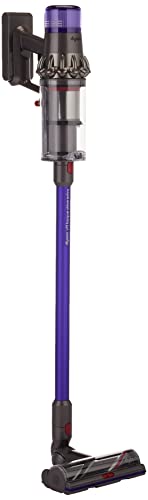
A vacuum that leaves visible debris behind after cleaning defeats its fundamental purpose, creating frustration when surfaces that should be clean remain littered with the material the vacuum should have captured. This debris retention happens for reasons ranging from easily corrected maintenance issues to technique problems to equipment limitations. Understanding why debris remains enables targeted correction that restores effective cleaning capability.

Debris escape mechanisms include insufficient suction to lift material, exhaust redistribution of captured debris, debris bypass through poor seals or overfilled containers, and simply moving too fast for suction to engage material. Each mechanism requires different correction. Systematic evaluation identifies which factors affect your specific situation and guides appropriate response.
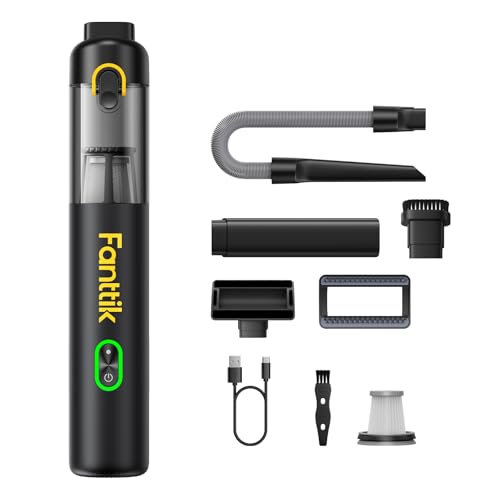
This guide covers comprehensive troubleshooting for vacuums that leave debris behind, working through causes from most common and easily corrected to less frequent factors that may require more significant intervention.
Key Takeaways
- Suction problems cause most debris retention: Addressing airflow restrictions typically resolves the issue
- Exhaust can redistribute debris: Exhaust airflow may blow debris around rather than capturing it
- Container and seal issues allow escape: Improperly sealed systems let debris bypass capture
- Technique affects capture success: Speed, angle, and approach impact debris pickup
- Some debris types challenge all vacuums: Certain materials resist vacuum capture regardless of equipment
Table of Contents
Suction Adequacy Assessment
Insufficient suction represents the most common cause of debris being left behind. Systematic suction evaluation identifies whether this factor is responsible.
Compare current suction to baseline. If suction feels noticeably weaker than when the vacuum was new or recently maintained, reduced suction is likely causing debris retention. Noticeable suction decline warrants immediate investigation.
Test suction at intake with hand. Covering the intake opening should create noticeable pull against your palm. Weak or absent pull suggests airflow restriction or motor problems reducing suction.
Check filter condition as primary suction factor. Dirty filters cause more suction problems than any other single factor. Clean or replace filters; test debris pickup after filter attention.
Verify container isn't overfilled. Full containers restrict airflow and suction. Empty container completely; test pickup to see if container level was affecting performance.
Inspect hoses and pathways for blockages. Hidden blockages anywhere between intake and motor reduce suction. Clear any obstructions found; test pickup after clearing.
Exhaust Flow Problems
Vacuum exhaust can redistribute debris rather than allowing capture, creating appearance of debris being left behind when debris is actually being blown around.
Observe exhaust direction during operation. Strong exhaust blowing toward cleaning area may move loose debris before suction can capture it. This is especially problematic with light debris.
Note whether debris seems to scatter during vacuuming. Debris moving away from vacuum approach indicates exhaust disturbance rather than suction failure.
Reposition vacuum orientation to direct exhaust away from cleaning area. Changing approach angle may eliminate exhaust interference with debris capture.
Consider exhaust filter conditions. Clogged exhaust filters can redirect airflow unpredictably. Cleaning exhaust filtration may improve debris capture.
Some vacuum designs manage exhaust better than others. Exhaust blown directly outward creates more interference than exhaust directed upward or through baffled paths.
Seal and Containment Issues
Debris that enters the vacuum system but escapes before final containment creates "left behind" debris despite appearing to be captured.
Check container seal integrity. Debris on container seal surfaces can prevent proper sealing, allowing debris escape. Clean seal surfaces; verify proper container seating.
Inspect for cracks or damage in container or housing. Physical damage can create paths for debris escape. Cracks may not be obvious; careful inspection reveals damage affecting containment.
Verify filter sealing. Improperly seated filters or damaged filter seals allow debris bypass. Ensure filters seat properly and seal intact.
Check for debris accumulation at seal points. Previous debris caught in seals may keep seals from closing properly. Clean all sealing surfaces thoroughly.
For bagged vacuums, verify bag installation and integrity. Improperly installed or damaged bags allow debris escape into the vacuum body.
Technique Factors
How vacuuming is performed affects debris capture independent of equipment condition. Poor technique leaves debris that proper technique would capture.
Speed affects capture success. Moving too fast passes over debris before suction engages. Slow, deliberate passes allow suction time to lift debris.
Suction distance from surface matters. Too far from surface spreads suction over larger area, reducing effective force at any point. Too close may restrict airflow. Finding optimal distance maximizes capture.
Approach angle affects some debris types. Debris lying at certain angles may resist suction from some directions but release to other approaches.
Single passes may not capture all debris. Multiple passes from different directions improve total capture. Assuming single pass sufficiency leaves behind material that additional passes would capture.
Attachment selection affects results. Using wrong attachment for the surface or debris type may leave behind material that appropriate attachment would capture.
Debris Type Challenges
Certain debris types resist vacuum capture due to their characteristics, not equipment or technique failures.
Heavy particles like sand resist lift more than light debris. Dense material requires stronger suction than light dust. Multiple slow passes may be needed; some heavy particles may resist typical consumer vacuum suction entirely.
Embedded debris held in carpet pile or fabric weave resists surface suction. Brush agitation may be needed to dislodge embedded material before suction can capture it.
Sticky debris adhered to surfaces won't release to suction alone. Adhesive attachment overcomes suction force. Pre-treatment to break adhesion may be needed.
Static-charged debris clinging to surfaces may resist suction that would lift neutral debris. Anti-static treatment or humidity adjustment may help release static-held material.
Very fine particles may pass through some filtration systems. Debris that appears left behind may actually have passed through the vacuum and been exhausted back into the environment.
Attachment and Accessory Issues
Attachment condition and selection significantly affects debris capture effectiveness.
Worn attachments with degraded seals allow air leaks reducing effective suction. Attachments not seating properly create gaps that reduce suction at the cleaning point.
Brush attachments with worn or clogged bristles lose effectiveness. Bristles that no longer agitate properly don't dislodge debris for capture.
Wrong attachment for situation may leave debris. Wide attachments spread suction thinly; crevice tools concentrate suction but cover less area. Match attachment to debris and surface.
Blockages within attachments reduce suction at cleaning point even if main vacuum suction is adequate. Check attachment interiors for debris accumulation.
Consider attachment age. Like vacuum components, attachments wear out. Replacement attachments may restore capture effectiveness that worn attachments have lost.
Equipment Limitations
Some debris retention reflects genuine equipment limitations rather than correctable problems.
Weak vacuum motors cannot provide suction adequate for all debris types. Entry-level equipment may struggle with debris that more powerful equipment captures readily.
Handheld vacuums typically have less suction than full-size units. Debris that handhelds leave behind may yield to more powerful equipment.
12V car vacuums have power limitations affecting capture capability. Stronger equipment may be needed for debris that 12V units cannot capture.
Equipment at end of service life may have motor degradation reducing suction below useful levels. Comparison to new or freshly maintained equipment reveals capability decline.
Honest assessment of equipment capabilities prevents frustration from expecting impossible results. Some debris simply exceeds some equipment's capability.
Systematic Troubleshooting Approach
Methodical evaluation identifies causes efficiently rather than random attempts at correction.
Start with maintenance factors: filters, container, seals. These cause most debris retention and are easiest to check and correct.
Progress to technique evaluation if maintenance factors are addressed. Test different speeds, angles, and approaches to determine if technique affects results.
Consider debris characteristics if maintenance and technique don't resolve issues. Different debris types may need different approaches or equipment.
Evaluate equipment adequacy if all other factors are addressed. Equipment limitations may be the root cause when maintenance and technique prove adequate.
Document what works for future reference. Noting successful corrections helps with future troubleshooting if similar issues recur.
Related Articles
Explore more car vacuum guides and reviews:
- Car Vacuum Cleaner Attachments Guide
- Best Cordless Car Vacuums Under $100
- Corded vs Cordless Car Vacuums: Which Type is Right for You?
- How to Vacuum Car Seats Properly
Frequently Asked Questions
Why does my vacuum pick up some debris but not others?
Different debris types have different characteristics affecting vacuum capture. Light debris lifts easily; heavy particles resist suction; embedded debris requires agitation; sticky debris needs adhesion breaking. The vacuum may be adequate for some debris types while struggling with others.
Should I go slower when debris isn't picking up?
Yes. Slow passes give suction time to engage debris. Fast passes may move over debris before lift occurs. If slowing helps, speed was likely the issue. If slow passes don't improve capture, other factors are responsible.
Why does it seem like my vacuum blows debris around?
Exhaust airflow can disturb debris before suction captures it, especially with light materials. Repositioning vacuum angle to direct exhaust away from cleaning area may help. This is an equipment design characteristic some vacuums manage better than others.
My vacuum has good suction but still leaves debris. Why?
Good intake suction doesn't guarantee debris capture. Exhaust disturbance, seal leaks allowing escape, technique factors, or debris characteristics may prevent capture despite adequate suction. Investigate these secondary factors when suction seems adequate.
How do I know if my vacuum needs new filters?
Visible debris accumulation, reduced suction despite other factors being correct, and time since last change all indicate filter need. When in doubt, clean or replace; the cost is minimal compared to reduced effectiveness from dirty filters.
Can attachments cause debris to be left behind?
Yes. Worn seals, internal blockages, improper fit, and wrong selection for the situation can all reduce capture effectiveness at the attachment point. Check attachment condition; try different attachments to see if results improve.
Why does sand seem impossible to vacuum completely?
Sand's density resists suction more than lighter debris. Sand also settles deep in carpet pile. Multiple slow passes from varied directions, brush agitation, and powerful suction improve sand capture, but complete removal often requires several cleaning sessions.
Is my vacuum too weak if it leaves debris behind?
Possibly, but eliminate other factors first. Maintenance issues, technique problems, and debris characteristics can cause debris retention in adequately powered equipment. If those factors are addressed and debris still remains, equipment capability may be the limitation.
Should I buy a stronger vacuum to pick up everything?
Only if current equipment is genuinely inadequate after maintenance and technique optimization. Stronger equipment does capture more debris, but maintenance neglect and poor technique will undermine any vacuum. Fix correctable issues before assuming equipment replacement is necessary.
Why does debris reappear after I've vacuumed?
Debris may settle from air after vacuuming disturbs it; debris in crevices may shift into vacuumed areas; new contamination may track in. Also, debris not captured during vacuuming may become visible again as viewing angle changes. Multiple passes and thorough technique reduce apparent reappearance.