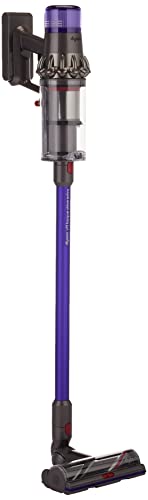
A brush roll that stops spinning renders motorized attachments essentially useless, reducing their cleaning capability to passive suction that the main vacuum body already provides. The spinning brush action that distinguishes motorized tools from standard attachments provides the agitation necessary for embedded debris extraction. When that spin stops, the attachment loses its primary advantage, leaving users frustrated with a tool that should perform better than it does.

Brush roll failures range from simple obstructions that clear in seconds to motor failures requiring replacement. Most spinning failures fall toward the simple end of this spectrum, resulting from debris accumulation, belt issues, or connection problems rather than actual motor failure. Understanding common causes and working through them systematically resolves most brush roll issues without parts replacement or professional service.

This guide covers diagnosis and repair of non-spinning brush rolls, working from most common and easily corrected causes through less frequent issues that may require more significant intervention.
Key Takeaways
- Debris wrapping is the most common cause: Hair and fibers wound around brush shafts prevent spinning
- Belt issues affect belt-driven brush rolls: Broken, stretched, or slipped belts stop brush rotation
- Connection problems prevent motor activation: Poor electrical contact can stop motor-powered brushes
- Blockages may protect brush by stopping rotation: Some systems stop brush when blockage is detected
- Motor failure is least common: Eliminate simpler causes before assuming motor problems
Table of Contents
Debris Wrapping Check
Debris wrapping around brush rolls is the most common cause of stopped rotation. Hair, string, fibers, and similar materials wind around brush shafts, eventually binding rotation completely.
Disconnect power before examining brush roll. Unplug corded vacuums; remove batteries from cordless units; turn off and disconnect from power source. Never work on powered equipment with spinning components.
Access brush roll according to your attachment design. Many brush attachments have removable covers or plates providing direct brush access. Some require unscrewing; others have release latches.
Examine brush for wrapped material. Hair and string wind around brush bearings and shaft areas, sometimes hidden beneath brush bristles. Look at both ends of the brush where rotation mechanisms are located.
Remove wrapped material using scissors or seam ripper. Cut through wound material carefully to avoid cutting brush bristles; pull cut material free. Multiple cutting passes may be needed for heavily wrapped brushes.
Clean the full brush length after removing visible wrapping. Debris may exist along the brush that hasn't yet reached binding levels; removing it prevents future binding.
Belt Inspection and Replacement
Belt-driven brush rolls stop spinning when belts break, stretch, or slip off pulleys. Belt issues are common in belt-driven designs and usually easily corrected.
Identify whether your brush uses belt drive or direct motor drive. Belt-driven systems have rubber or flat belts connecting motor to brush; direct drive systems have motor directly at the brush.
Access the belt area. This typically requires removing covers or plates similar to debris cleaning access. The belt connects motor pulley to brush roller pulley.
Inspect belt condition. Broken belts obviously need replacement. Stretched belts that no longer grip pulleys firmly also need replacement. Belts that have slipped off pulleys may reinstall if not damaged.
Replace broken or damaged belts with correct replacement type. Vacuum belts are specific to models; bring old belt or model information when purchasing replacement. Incorrect belt won't fit properly or may slip repeatedly.
Install new belt according to system design. Typically loop belt around brush roller, stretch over motor pulley. Verify proper tension and alignment before reassembling covers.
Connection and Contact Problems
Motorized attachments require electrical connection to power the brush motor. Poor connection prevents brush operation even when vacuum functions normally.
Check attachment connection to main vacuum or hose. Connections that don't seat fully may not establish electrical contact. Remove and reseat attachment firmly.
Inspect connection contacts for debris or corrosion. Dirty contacts may not conduct adequately. Clean contacts with appropriate cleaner; allow drying before reconnecting.
Test with attachment wiggling. If brush starts or stops when attachment is moved, connection is intermittent and needs attention. Connection points may need cleaning, tightening, or component replacement.
Verify vacuum is providing power to attachment port. Some vacuums have separate switches or settings for powered attachments. Ensure powered attachment mode is activated.
Try attachment on different vacuum if available. This isolates whether problem is attachment or vacuum side. Attachment working on different vacuum points to vacuum connection issues.
Blockage Protection System
Some vacuum systems stop brush rolls when blockage is detected to prevent motor damage or belt burning. Understanding this protection helps diagnose apparent failures.
Check for blockage in attachment intake or housing. Material blocking airflow near the brush may trigger protection shutdown. Clear any visible blockages.
Reset protection system if applicable. Some systems reset automatically after blockage is cleared; others require manual reset. Consult manual for your specific system's reset requirements.
Large debris may trigger protection without forming complete blockage. Remove debris; test brush operation after clearing.
Repeated protection triggering indicates persistent blockage source or oversensitive protection. Address recurring blockage causes; consult service if protection triggers inappropriately.
Brush Roll Bearing Issues
Brush rolls rotate on bearings that can wear, seize, or become contaminated, preventing free rotation even with adequate power.
Test brush roll rotation manually. With brush accessible, try spinning it by hand. It should rotate freely with minimal resistance. Grinding, catching, or inability to rotate indicates bearing problems.
Compare resistance to new or known-good brush roll if available. Some resistance is normal; excessive resistance or grinding sounds indicate worn bearings.
Debris in bearing areas can create binding without permanent bearing damage. Clean bearing areas thoroughly; retest rotation after cleaning.
Worn or seized bearings may require brush roll replacement. Some brush rolls have replaceable bearings; others require complete brush assembly replacement. Evaluate repair versus replacement cost.
Motor Problems
Brush roll motors can fail, but motor failure is less common than simpler causes. Eliminate other factors before concluding motor problems.
Listen for motor sounds when brush should be spinning. Motor attempting to run but brush not spinning suggests mechanical issue between motor and brush. No motor sound suggests electrical issue or motor failure.
Check for burning smell indicating motor damage. Burning odor from attachment during operation or attempted operation suggests motor problems.
Motor brush wear in brushed motors can prevent operation. Some motorized attachments have serviceable motor brushes; worn brushes may be replaceable.
Direct drive motor failure typically requires attachment replacement. Motor repair for small attachment motors rarely proves cost-effective compared to attachment replacement.
Testing After Repair
Verify repair success before reassembling and returning to use.
Spin brush by hand after debris removal or belt replacement. Free rotation confirms mechanical issue resolved.
Test powered operation briefly after reassembly. Brush should spin at normal speed without unusual sounds.
Test on actual cleaning surface. Verify brush engages surface properly and provides expected cleaning action.
Monitor for recurrence during initial post-repair use. Issues that recur quickly may indicate incomplete repair or underlying problems not fully addressed.
Prevention Strategies
Preventing brush roll issues is easier than repeatedly addressing them after failure.
Regular debris removal prevents binding from accumulation. Clean brush rolls during regular vacuum maintenance rather than waiting for spinning to stop.
Vacuum large debris that might wrap before using motorized attachment. Pick up string, hair clumps, and similar materials before they can wind around brush.
Check brush roll condition periodically. Brief inspection reveals developing wrapping or belt wear before complete failure occurs.
Store attachments properly. Protect from damage that might affect brush function; store where they won't be compressed or stressed.
Related Articles
Explore more car vacuum guides and reviews:
- Car Vacuum Cleaner Attachments Guide
- Best Cordless Car Vacuums Under $100
- Corded vs Cordless Car Vacuums: Which Type is Right for You?
- How to Vacuum Car Seats Properly
Frequently Asked Questions
Why did my vacuum brush suddenly stop spinning?
Most sudden stops result from debris binding the brush or belt failure. Check for hair and fiber wrapped around the brush roll and its bearings; inspect belt condition in belt-driven systems. These common causes usually resolve quickly once identified.
How do I know if my brush roll belt needs replacing?
Broken belts obviously need replacement. Belts that look glazed, cracked, stretched, or that slip on pulleys also warrant replacement. If belt is intact and properly tensioned but brush still doesn't spin, other causes are likely.
Can I use my vacuum if the brush roll doesn't spin?
The vacuum still provides suction, but motorized attachment becomes passive tool without spinning brush. You can use it, but you lose the agitation capability that makes motorized attachments effective. Standard attachments may perform equally well until brush is repaired.
How often should I clean debris from my brush roll?
Check after every few uses; clean when visible wrapping is present. Heavy pet hair users may need to clean after each use. Regular cleaning prevents buildup that stops rotation.
What tools do I need to clean a brush roll?
Scissors or seam ripper for cutting wrapped material; screwdriver for access covers if needed. Some brushes release without tools. A comb can help remove material from brush bristles after cutting.
Why does my brush roll spin sometimes but not others?
Intermittent operation suggests connection issues, partial wrapping that binds at certain positions, or failing motor. Check connections first; then examine brush for partial binding; motor issues are least likely.
My brush roll spins but doesn't clean well. What's wrong?
If spinning freely but not cleaning effectively, brush bristles may be worn, brush height may be wrong for surface, or debris may be affecting bristle contact. Check bristle condition and height adjustment.
Can I replace just the belt or do I need a new attachment?
Belts are replaceable on belt-driven systems; replacement belts are available for most models. Only replace the whole attachment if belt replacement doesn't resolve the issue or if motor has failed.
Why does my brush roll smell like burning rubber?
Burning rubber smell indicates belt slipping rather than driving brush, usually because brush is bound and belt is sliding against pulleys. Stop use immediately; clear brush binding; check if belt is damaged from slipping.
How do I know if my brush roll motor has failed?
After eliminating debris binding, belt issues, and connection problems, if no motor sound occurs and no brush movement happens, motor failure is likely. Burning smell during previous operation may have indicated motor damage before complete failure.