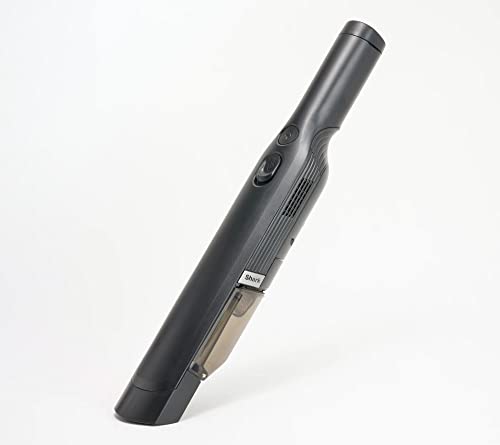
A car vacuum serves as the foundation for interior cleaning, but complete vehicle maintenance requires complementary tools and products that address what vacuuming alone cannot accomplish. Surfaces need wiping, glass requires specific cleaners, leather and vinyl benefit from conditioning, and various materials need appropriate treatment products. Building a comprehensive cleaning kit around your vacuum enables thorough interior maintenance rather than partial cleaning that leaves some areas neglected.

The goal of a complete kit is having appropriate tools available when needed without accumulating excessive products that go unused. A practical cleaning kit contains essential items for typical cleaning needs while remaining compact enough for convenient storage. Understanding what products address which cleaning tasks helps assemble a kit that covers real requirements without unnecessary excess.

This guide outlines how to build a complete car cleaning kit with your vacuum as the centerpiece, covering essential complementary products and tools for thorough interior maintenance.
Key Takeaways
- Vacuum is the foundation but not complete solution: Additional tools address what vacuuming cannot
- Microfiber cloths are essential companions to vacuuming: Wiping surfaces completes debris removal
- Material-specific products prevent damage: Different surfaces need appropriate cleaners
- Quality over quantity in product selection: Fewer effective products beat many mediocre ones
- Organized storage enables consistent use: Available kit gets used; scattered supplies get ignored
Table of Contents
Vacuum as Foundation
Why vacuum capability anchors the cleaning kit.
Vacuuming removes bulk debris that other cleaning cannot address. Loose dirt must be removed before wiping or treating surfaces.
Attachments extend vacuum utility to various surfaces. Right tools enable comprehensive debris removal.
Quality vacuum enables effective results from complementary products. Clean surfaces respond better to treatment.
Vacuum selection should match your typical cleaning needs. Other products can be adjusted more easily than vacuum capability.
Investment in appropriate vacuum pays dividends across all cleaning activities.
Microfiber Cloth Collection
Essential companion for surface cleaning.
Multiple cloths enable different uses without cross-contamination. Interior, glass, and detailing cloths should be separate.
Quality microfiber lifts and traps dust effectively. Better than paper towels or cotton cloths.
Washable cloths provide long-term value. Proper washing maintains effectiveness through many uses.
Different weights suit different tasks. Plush for dusting, flat for glass, medium for general cleaning.
Microfiber is foundational for all wiping and surface treatment.
All-Purpose Interior Cleaner
Versatile cleaner for general surfaces.
Quality all-purpose cleaner handles most plastic and vinyl surfaces. Single product for most interior cleaning.
Dilutable concentrates provide value and flexibility. Adjust strength for different cleaning needs.
pH-balanced formulas are safe for most materials. Avoid harsh chemicals that damage surfaces.
Spray bottle enables controlled application. Apply to cloth, not directly to surfaces near electronics.
All-purpose cleaner handles majority of interior cleaning beyond vacuuming.
Glass Cleaner
Specific product for window and mirror cleaning.
Automotive glass cleaner formulated for vehicle use. May differ from household glass cleaners.
Streak-free formula matters for visibility and appearance. Quality product provides better results.
Ammonia-free if cleaning tinted windows. Ammonia can damage window film.
Interior glass collects film from outgassing and touch. Regular cleaning maintains visibility.
Dedicated glass cleaner delivers better results than all-purpose products on glass.
Leather Cleaner and Conditioner
For vehicles with leather surfaces.
Leather cleaner removes soil without damaging hide. Different from all-purpose cleaners.
Conditioner maintains leather suppleness after cleaning. Prevents drying and cracking.
Combined cleaner-conditioner products offer convenience. Separate products may provide better results.
pH-balanced formulas appropriate for automotive leather. Test in inconspicuous area if uncertain.
Leather care products essential for vehicles with genuine leather.
Vinyl and Plastic Protectant
Maintaining and protecting hard surfaces.
Protectant products help prevent UV damage and fading. Relevant for sun-exposed surfaces.
Matte versus glossy finish is personal preference. Match desired appearance.
Apply after cleaning for best adhesion. Clean surfaces accept protectant better.
Avoid over-application that leaves greasy residue. Less is often more with protectants.
Protectant maintains appearance and extends material life.
Detailing Brushes
Small tools for intricate areas.
Soft brushes clean vents and detailed trim. Reach areas vacuum attachments cannot.
Various sizes address different detail areas. Small, medium, and vent-specific brushes useful.
Natural or soft synthetic bristles protect surfaces. Avoid harsh brushes that can scratch.
Brushes loosen debris for vacuum extraction. Pre-treat detailed areas before vacuuming.
Detail brushes enable thorough cleaning of intricate areas.
Carpet and Upholstery Cleaner
For fabric surfaces beyond basic vacuuming.
Spot cleaner addresses stains vacuuming cannot remove. Treats specific contamination.
Upholstery cleaner for general fabric refreshing. Deeper cleaning than vacuum alone.
Follow product instructions for best results. Application method affects effectiveness.
Test in inconspicuous area before broad application. Ensure compatibility with your fabric.
Fabric cleaning products extend vacuum effectiveness on textile surfaces.
Storage and Organization
Keeping kit accessible and usable.
Dedicated container or bag keeps supplies together. Organized storage enables consistent use.
Portable kit can travel to cleaning location. Vehicle, garage, or wherever cleaning happens.
Visible storage reminds of available tools. Hidden supplies get forgotten.
Replace depleted products promptly. Incomplete kit frustrates cleaning efforts.
Organization determines whether kit gets used effectively.
Building Progressively
Starting essential and adding as needed.
Begin with vacuum, microfiber cloths, and all-purpose cleaner. Core items handle most needs.
Add specialized products as specific needs arise. Glass cleaner when glass needs dedicated attention.
Leather products when leather surfaces need care. Not needed for vehicles without leather.
Expand kit based on actual experience rather than anticipated needs. Avoid accumulating unused products.
Progressive building creates kit matched to your actual requirements.
Related Articles
Explore more car vacuum guides and reviews:
- Car Vacuum Cleaner Attachments Guide
- Best Cordless Car Vacuums Under $100
- Corded vs Cordless Car Vacuums: Which Type is Right for You?
- How to Vacuum Car Seats Properly
Frequently Asked Questions
What products do I need besides a vacuum?
Start with microfiber cloths and all-purpose interior cleaner. Add glass cleaner for windows. Material-specific products like leather care if your vehicle has those surfaces. Build kit based on actual needs.
How many microfiber cloths do I need?
At minimum, separate cloths for interior surfaces, glass, and detailing. Five to ten cloths enables rotation through washing. More for comprehensive cleaning; fewer for basic maintenance.
Can I use household cleaners on car interior?
Some household cleaners work but automotive products are formulated for vehicle materials. Avoid harsh chemicals that may damage surfaces. When uncertain, automotive-specific products are safer choice.
Do I need leather conditioner?
Only if your vehicle has genuine leather. Leather needs conditioning to prevent drying and cracking. Synthetic leather and leatherette have different care requirements.
What about carpet shampoo?
Useful for deep cleaning beyond regular vacuuming. Not essential for routine maintenance. Add when you identify need for deeper fabric cleaning than vacuuming provides.
How should I store my cleaning kit?
Dedicated container or bag keeps items together and accessible. Store where cleaning typically happens. Organized, visible storage encourages regular use.
What detailing brushes do I need?
Soft brush for vents and detailed areas. Medium brush for broader surfaces. Specific size for your vehicle's detail areas. Quality soft brushes that won't scratch.
Is protectant necessary?
Not strictly necessary but helps maintain surfaces and prevent UV damage. Most beneficial for frequently sun-exposed vehicles. Personal preference for appearance and protection level.
What about odor products?
Address odor source through cleaning rather than masking with fragrance. If odors persist after thorough cleaning, odor eliminator products may help. Masking without source removal is temporary solution.
How do I know what products my car needs?
Identify interior materials in your vehicle. Leather needs leather products; fabric needs fabric products; vinyl and plastic need appropriate cleaners. Match products to actual materials present.