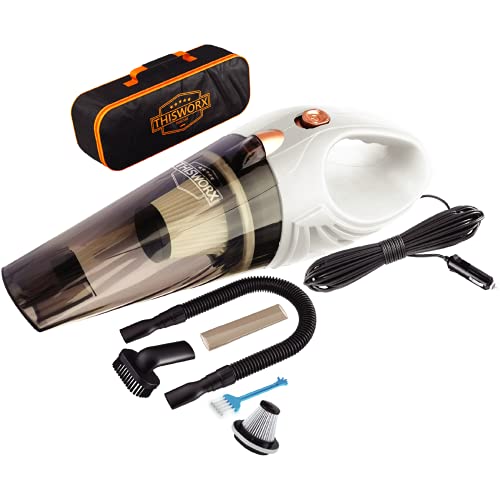
Standard car vacuums handle dry debris only—using them on liquid spills creates genuine risk of motor damage, electrical hazards, and safety concerns. Wet/dry vacuums address this limitation by incorporating design features that safely handle liquid pickup, expanding utility to address the full range of messes that vehicle interiors accumulate. For users who regularly encounter liquid spills or want comprehensive mess-handling capability, wet/dry functionality solves a real problem.
The decision to invest in wet/dry capability involves evaluating whether liquid handling addresses needs you actually have or represents unused feature premium. Many car owners rarely face liquid messes in their vehicles; for them, standard dry vacuums provide better value through focused optimization. Others deal with drink spills, pet accidents, wet cargo, or other liquid situations frequently enough that wet/dry capability provides genuine practical value.

This guide examines when wet/dry capability makes sense, what these vacuums can and cannot handle, and how to select appropriate wet/dry options for car cleaning applications. The goal is helping you determine whether wet/dry functionality fits your actual needs and, if so, how to choose effectively among available options.
Key Takeaways
- Wet/dry isn't universal: Most users don't need liquid capability for typical car cleaning
- Design differences matter: Wet/dry vacuums incorporate specific features for safe liquid handling
- Capacity limits exist: Portable wet/dry vacuums handle small spills, not flooding
- Mode switching required: Proper filter configuration differs between wet and dry use
- Standard vacuums plus wet/dry may beat hybrid: Separate optimized tools sometimes outperform compromise
Table of Contents
Understanding Wet/Dry Vacuum Design
Wet/dry vacuums differ from standard vacuums in specific ways that enable safe liquid handling. Understanding these design features helps evaluate whether products genuinely provide wet/dry capability versus simply claiming it.
Motor sealing prevents liquid from reaching electrical components. Standard vacuum motors sit in the airflow path where liquid would directly contact electrical elements. Wet/dry designs either seal motors completely or position them above the water line where liquid cannot reach. This protection is essential—liquid contacting motor windings creates immediate hazard and damage.
Specialized filtration accommodates both wet and dry operation. Wet/dry vacuums typically use foam filters or bypass filtration during wet pickup rather than paper-based filters that would deteriorate with moisture. Mode switching between wet and dry configurations ensures appropriate filtration for current use.
Container design enables liquid collection and safe disposal. Wet/dry containers must hold liquid securely, empty without spilling, and resist the corrosion that liquid contact promotes. Capacity determines how much liquid can be collected before emptying becomes necessary.
Automatic shutoff mechanisms protect against overflow. When liquid reaches maximum capacity, shutoff prevents motor damage that continued operation would cause. This protection allows confident use without constant capacity monitoring.
Products claiming wet/dry capability without these design features may not actually handle liquids safely. Verify that wet/dry claims reflect genuine engineering rather than marketing aspiration.
When Wet/Dry Capability Matters
Wet/dry functionality provides value for users whose vehicle use patterns create liquid mess situations that standard vacuums cannot address.
Drink spills happen frequently for some drivers. Coffee, soda, water bottles, and children's beverages create liquid messes that standard vacuums can't clean. Frequent drink spills justify wet/dry capability that addresses the recurring problem directly rather than working around it.
Pet accidents create liquid messes that need immediate attention. Pet owners transporting animals regularly may face urine, vomit, or other biological fluids that wet/dry vacuums can help address. Quick cleanup capability prevents staining and odor that delayed cleaning allows to set.
Wet cargo situations involve items that drip or leak—wet sports equipment, grocery leaks, rain-soaked items, or wet people entering vehicles. Users regularly transporting such items accumulate liquid in vehicles that wet/dry capability addresses.
Detailing and deep cleaning often involves wet processes. Shampooing carpets, cleaning upholstery with liquid cleaners, or conditioning leather generates liquid residue that wet/dry vacuums extract. Users who detail their own vehicles benefit from wet extraction capability.
Work-related contamination affects vehicles used in certain occupations. Trades involving water, landscapers tracking wet debris, or anyone whose work introduces liquid contamination may find wet/dry capability justifies investment.
When Standard Vacuums Suffice
Many car owners don't need wet/dry capability. Recognizing when standard vacuums suffice prevents paying for unused features.
Infrequent liquid spills don't justify dedicated wet/dry equipment. If spills happen rarely, other cleanup methods (towels, paper products) address occasional incidents adequately. Wet/dry capability provides value through regular use; occasional use rarely justifies the investment premium.
Light maintenance cleaning involves primarily dry debris. Users who vacuum regularly to address dust, crumbs, and surface dirt handle these situations fine with standard vacuums. The dry debris that dominates most car cleaning doesn't require wet capability.
Alternative cleanup methods exist for rare liquid incidents. Towels absorb spills adequately for occasional occurrences. Baking soda helps with odor absorption. Professional detailing services address major incidents. These alternatives may cost less than wet/dry vacuum investment when incidents are infrequent.
Standard vacuums optimize for dry cleaning better than compromise designs. A wet/dry vacuum often provides somewhat compromised performance in both wet and dry modes compared to specialized alternatives. If your primary use is dry cleaning with very rare liquid needs, a standard vacuum optimized for dry performance may provide better everyday cleaning.
Portable vs. Shop-Vac Scale
Wet/dry vacuums span a size range from compact portables to large shop vacuums. Understanding the scale appropriate for car cleaning helps select appropriately.
Compact wet/dry handhelds provide convenient portability for small spills. These vacuums handle drink spills, pet accidents, and limited liquid volumes effectively. Their small container capacity—often 10-20 ounces—limits liquid handling to minor incidents rather than major flooding.
Larger portable wet/dry vacuums increase capacity while remaining reasonably portable. These mid-size units handle more substantial spills and provide better suction for deeper extraction. They work well for users who encounter more significant liquid situations without needing industrial capacity.
Shop vacuums provide maximum capacity and suction but sacrifice portability. These large units suit garage-based cleaning where the vacuum remains stationary and vehicles are brought to it. Shop vacuums handle any spill size and provide serious extraction capability for detailing work.
For most car owners, compact wet/dry handhelds or mid-size portables provide appropriate scale. The portability enables use anywhere vehicles are located; capacity suffices for typical spill incidents. Shop vacuums make sense only for dedicated detailing spaces or extreme liquid handling needs.
Key Selection Criteria
Selecting among wet/dry vacuum options involves evaluating factors specific to this category beyond standard vacuum considerations.
Liquid capacity determines how much can be collected before emptying becomes necessary. Match capacity to expected spill sizes—larger capacity reduces interruption for emptying but adds weight and bulk. Consider your typical use case rather than maximum possible need.
Automatic shutoff protection prevents motor damage from overflow. Verify this protection exists and functions reliably. Vacuums without automatic shutoff require careful capacity monitoring that adds cognitive load during use.
Mode switching between wet and dry should be straightforward. If changing between modes requires complex disassembly or tools, you'll be less likely to configure properly for each use. Simple, clear switching encourages correct configuration.
Filter system design affects both performance and maintenance. Understand what filters are used for wet versus dry modes, how to switch between configurations, and what maintenance each mode requires. Complex filtration that discourages proper configuration undermines wet/dry utility.
Suction performance in both wet and dry modes matters. Some wet/dry designs compromise one mode significantly to accommodate the other. Look for products that provide acceptable performance across both uses rather than excelling in one while failing in the other.
Understanding Wet Mode Operation
Proper wet mode operation involves understanding how to use wet/dry vacuums correctly for liquid handling.
Filter configuration must match the mode. Using dry-mode paper filters for liquid pickup ruins filters and may damage vacuums. Wet mode typically requires foam filters, filter bypass, or other wet-appropriate configurations. Always verify proper setup before liquid use.
Liquid temperature affects safe use. Hot liquids can damage plastic components or create steam that motors cannot safely handle. Allow hot spills to cool before attempting vacuum pickup. Warm liquids generally work fine; scalding liquids create problems.
Chemical content of liquids matters. Plain water handles easily; cleaning chemicals, food residues, or biological fluids may require additional cleaning after pickup to prevent odor, staining, or deterioration of vacuum components. Plan for post-use cleaning when handling challenging liquids.
Emptying wet containers requires care to avoid spilling collected liquid. Check how containers release and whether the process tends to create secondary mess. Practice emptying with water to develop technique before handling more challenging liquids.
Drying after wet use prevents mold and odor. Running the vacuum briefly in dry mode after wet use helps evaporate residual moisture. Leaving containers open to air dry fully before storage prevents musty odor development. Post-use drying should become routine.
Maintenance Considerations
Wet/dry vacuums require more maintenance attention than standard vacuums due to the added complexity of liquid handling.
Filter maintenance differs between modes. Wet-mode foam filters need wringing out and drying after use. Dry-mode paper filters need protection from moisture exposure. Managing multiple filter types adds complexity that maintenance routines must accommodate.
Container cleaning prevents odor and residue buildup. Liquid residue left in containers creates unpleasant odors and potential mold growth. Rinsing containers after wet use and allowing complete drying prevents these problems.
Seal inspection ensures continued liquid-safe operation. Gaskets and seals that prevent liquid from reaching motors can degrade over time. Periodic inspection verifies continued protection; replacing worn seals maintains safe operation.
Motor protection requires attention to operational limits. Wet/dry motors work harder handling liquids than dry debris. Avoid extended continuous wet operation that overheats motors; allow cooling breaks during heavy liquid extraction.
The additional maintenance burden should factor into purchase decisions. Users who struggle to maintain standard vacuums may find wet/dry maintenance overwhelming. Be realistic about whether you'll actually perform the maintenance wet/dry operation requires.
Value Calculation
Evaluating wet/dry vacuum value requires honest assessment of how often you'll actually use wet capability.
The premium for wet/dry capability represents investment that only provides value through wet use. If wet capability sees regular use, the premium amortizes across many beneficial applications. If wet capability rarely activates, you've paid extra for unused potential.
Compare the wet/dry premium against alternative approaches. Would a standard vacuum plus towels for rare spills cost less over time? Would occasional professional cleaning for major incidents prove more economical than equipment investment? These alternatives sometimes provide better value than hybrid capability.
Consider the compromise inherent in dual-purpose designs. Wet/dry vacuums often provide less optimal dry cleaning than focused dry vacuums while providing less optimal wet extraction than dedicated wet extractors. The convenience of single-tool flexibility involves performance trade-offs in both modes.
For users with genuine frequent wet messes, wet/dry capability provides clear value by enabling handling otherwise impossible. For users with rare liquid incidents, the calculation may favor standard vacuums plus alternative wet handling. Be honest about which category describes your actual situation.
Related Articles
Explore more car vacuum guides and reviews:
- Best Cordless Car Vacuums Under $100
- Corded vs Cordless Car Vacuums: Which Type is Right for You?
- ThisWorx Car Vacuum Review
- How to Vacuum Car Seats Properly
Frequently Asked Questions
Can I use any vacuum for wet pickup?
No—standard vacuums will be damaged by liquid pickup and may create electrical hazards. Only vacuums specifically designed for wet operation, with sealed motors and appropriate filtration, can safely handle liquids. Never attempt wet pickup with standard vacuums.
How much liquid can portable wet/dry vacuums handle?
Compact portables typically hold 10-20 ounces before emptying. Larger portables may hold 1-2 gallons. This capacity handles typical spills adequately but not major flooding. For large liquid volumes, shop-vac scale equipment becomes necessary.
Do wet/dry vacuums clean dry debris as well as standard vacuums?
Many wet/dry designs compromise dry performance somewhat to accommodate wet capability. The best wet/dry options maintain acceptable dry performance, but specialized dry vacuums often provide better dry cleaning. Evaluate dry performance specifically if that's your primary use.
What maintenance does wet mode require?
Wet mode requires appropriate filter configuration before use, container rinsing after use, filter wringing and drying, and allowing the vacuum to dry completely before storage. This maintenance adds time and attention compared to dry-only vacuums.
Can wet/dry vacuums handle pet urine?
Yes—wet/dry vacuums can pick up pet urine effectively. However, complete cleaning requires more than extraction. Enzyme cleaners address biological residue; additional cleaning prevents odor and staining. The vacuum helps but doesn't provide complete solution.
Do I need separate filters for wet and dry use?
Most wet/dry vacuums require different filter configurations for each mode. Wet mode typically uses foam filters or bypasses filtration; dry mode uses standard filters. Using incorrect filters can damage either the filters or the vacuum.
How do I prevent mold in a wet/dry vacuum?
Allow complete drying after wet use. Run briefly in dry mode after liquid pickup to evaporate residue. Empty containers promptly and leave them open to air dry. Store with adequate ventilation. Mold develops when moisture remains trapped.
Are wet/dry vacuums good for car detailing?
Wet/dry vacuums assist detailing by extracting moisture from shampooed carpets and cleaned upholstery. For serious detailing, larger wet/dry units provide better extraction than compact portables. The capability is useful but represents one tool among many for comprehensive detailing.
What's the difference between wet/dry and shop vac?
Shop vacs are large wet/dry vacuums—the terms overlap. "Wet/dry" describes the capability; "shop vac" describes the large format common in workshops. Compact wet/dry vacuums provide the same capability in smaller, more portable formats suited for car cleaning.
Is wet/dry capability worth the extra cost?
For users who regularly face liquid messes, yes. For users who rarely encounter liquids, probably not. Evaluate your actual frequency of liquid handling needs. The premium only provides value if wet capability sees regular use; occasional incidents may not justify the investment.